

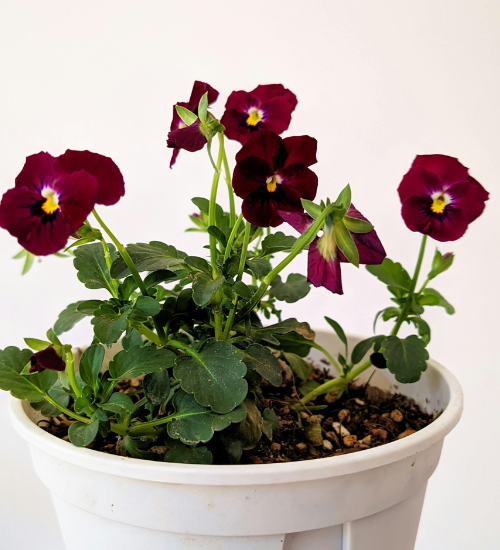
When summer flowers begin to fade, containers can make a porch, patio, or balcony feel bare almost overnight. The good news is that cooler weather does not mean the end of container gardening. Many plants perform beautifully in autumn, especially when they receive several hours of direct sunlight.
The best fall flowers for containers in full sun combine seasonal color with foliage that can tolerate cooler nights. Mums are the traditional choice, but they are not the only option. Pansies, violas, ornamental peppers, asters, celosia, and flowering kale can all add interest to an autumn display.
A successful fall container does not need to be complicated. Choose one tall plant, one rounded or flowering plant, and one trailing or textural companion. Use a container with drainage, place it where plants receive adequate light, and water whenever the soil begins to dry.
What Makes a Good Fall Container Plant?
Autumn container plants need to handle changing conditions. Days may still be warm, while nights become noticeably cooler. Rainfall may be inconsistent, and the shorter days can slow growth.
Look for plants with these qualities:
- They tolerate cool nights.
- They remain attractive after summer heat declines.
- They grow well in containers.
- They have compact or manageable root systems.
- They provide color through flowers, foliage, berries, or fruit.
- They do not require constant pruning.
It is also important to remember that “full sun” does not mean the same thing in every season. A location that receives strong afternoon light in July may receive less direct light in October because the sun sits lower in the sky.
1. Chrysanthemums
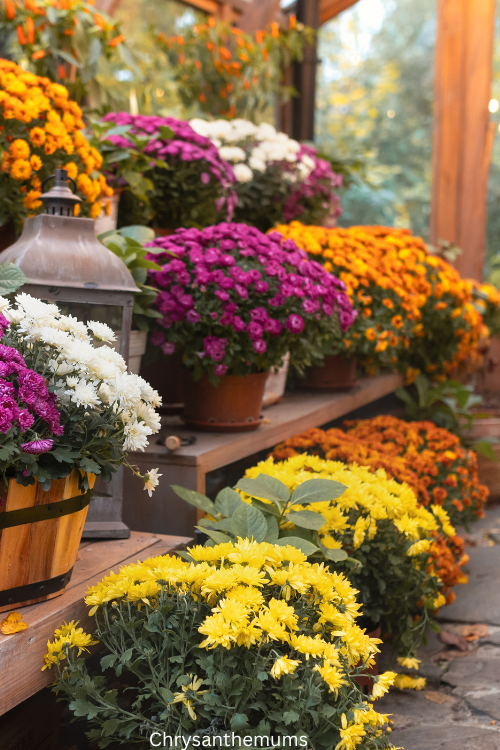
Chrysanthemums, often called mums, are the classic choice for autumn pots. They come in shades of yellow, orange, bronze, red, burgundy, pink, lavender, and white.
Mums look especially effective when planted in groups of one color. A single large container filled with bronze mums creates a bold display, while a combination of burgundy, cream, and yellow gives a traditional fall appearance.
Choose plants with many unopened buds rather than flowers that are already past their peak. Keep the soil evenly moist, but do not leave the container sitting in water.
2. Pansies
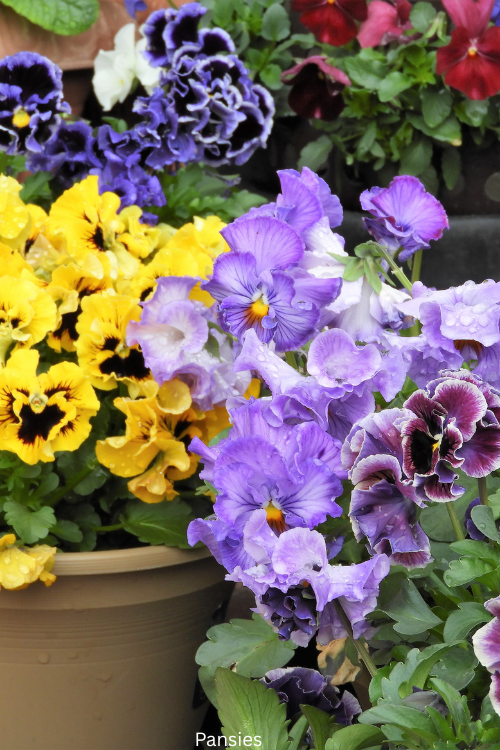
Pansies are among the most dependable fall flowers for containers in full sun because they appreciate cooler weather. Their cheerful faces bring color to containers after many summer annuals have stopped blooming.
Pansies are available in nearly every color combination, including purple and yellow, blue and white, orange, red, burgundy, and soft pastel shades. They work well in small pots, window boxes, and mixed containers.
Remove faded flowers regularly. This encourages the plant to direct energy toward new blooms instead of seed production.
3. Violas
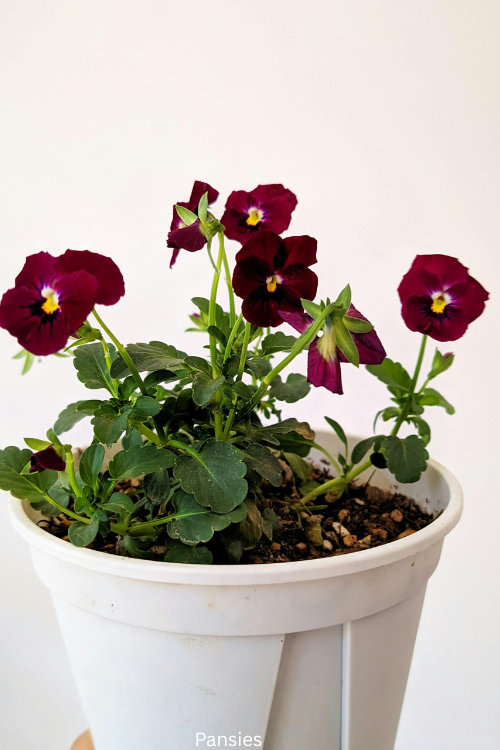
Violas are closely related to pansies but usually have smaller flowers. Their size makes them useful for filling gaps between larger plants.
Use violas around the edge of a container or plant them beneath taller companions. Their smaller blooms create a detailed, cottage-garden effect without overpowering the arrangement.
They are particularly attractive when combined with ornamental grasses, trailing ivy, or silver foliage.
4. Ornamental Kale and Cabbage
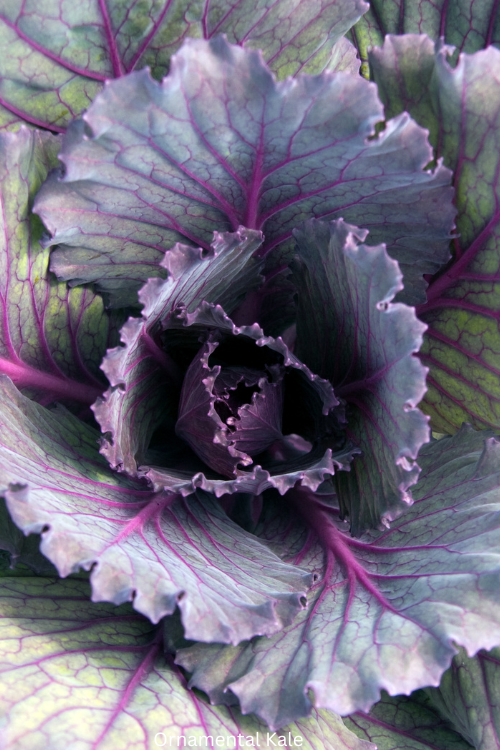
Ornamental kale and cabbage are grown for their colorful leaves rather than their flowers. Their centers may turn white, pink, purple, or red as temperatures cool.
These plants add structure to containers and can remain attractive after ordinary flowers have faded. Their broad leaves contrast nicely with fine-textured plants such as grasses or small-flowered violas.
Plant them near the center of a large container or use them as a focal point in a low bowl. Keep in mind that ornamental varieties are primarily decorative rather than intended for cooking.
5. Asters
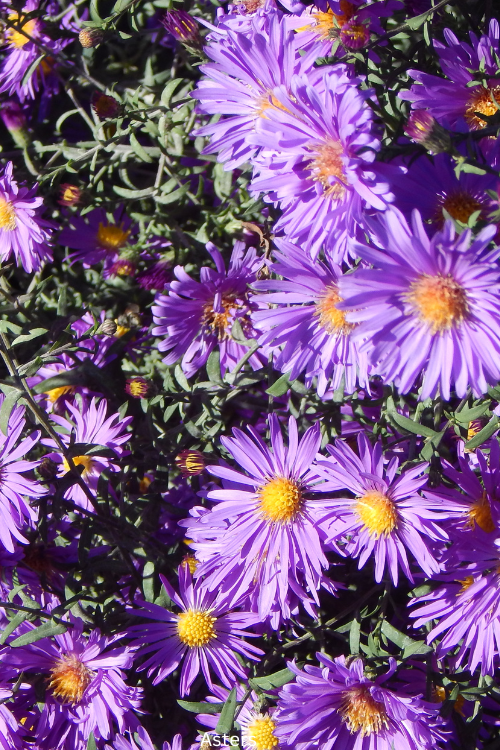
Asters provide daisy-like flowers in late-season shades of purple, pink, blue, and white. Compact varieties are suitable for containers and can bring a softer look to an autumn display.
Pair asters with bronze grasses, burgundy foliage, or pale chrysanthemums. Their star-shaped flowers are also useful for attracting late-season pollinators when weather remains mild.
Place asters where they receive good light and avoid crowding them with plants that require significantly more water.
6. Celosia
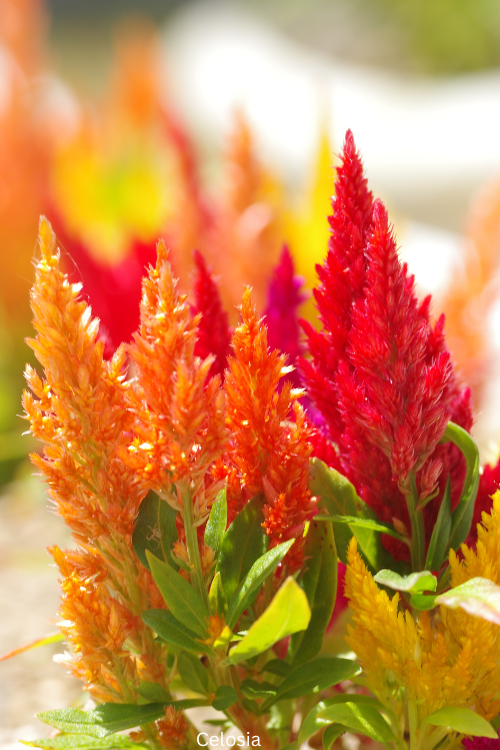
Celosia has unusual flowers that may look like flames, feathers, or velvety crests. Its strong colors, especially red, orange, gold, and magenta, fit naturally into fall displays.
Although celosia is often associated with summer, it can continue performing into early autumn where temperatures remain moderate. It is especially useful for adding height and dramatic texture to a container.
Combine it with trailing plants or plants with rounded flowers to balance its distinctive shape.
7. Ornamental Peppers
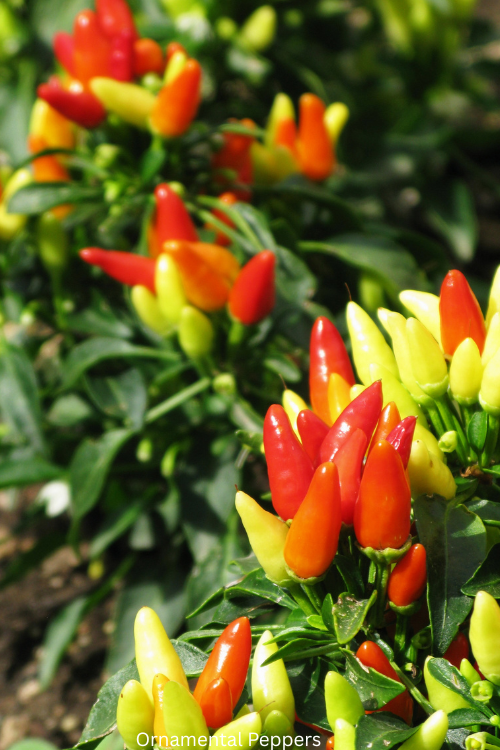
Ornamental peppers bring colorful fruit rather than traditional flowers. The small peppers may appear in red, orange, yellow, purple, or combinations of several colors.
They are excellent for sunny containers because their fruit creates a strong visual effect even when flowering plants are slowing down. Use them as a centerpiece in a mixed pot or group several containers together for a harvest-inspired display.
Because ornamental peppers can be irritating if eaten, place them where young children and pets are less likely to pick them.
8. Sweet Alyssum
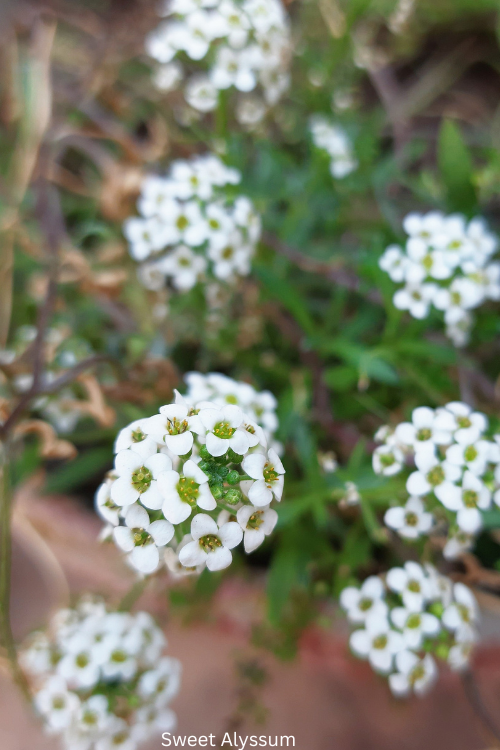
Sweet alyssum produces small flowers and a light fragrance. It works particularly well as a trailing plant around the edge of a larger container.
White alyssum brightens dark autumn combinations, while pink or purple varieties create a softer look. It can be planted beneath mums, asters, or ornamental peppers.
Good air circulation helps prevent problems caused by excessive moisture. Avoid packing the plant into a container so tightly that air cannot move through the foliage.
9. Dusty Miller
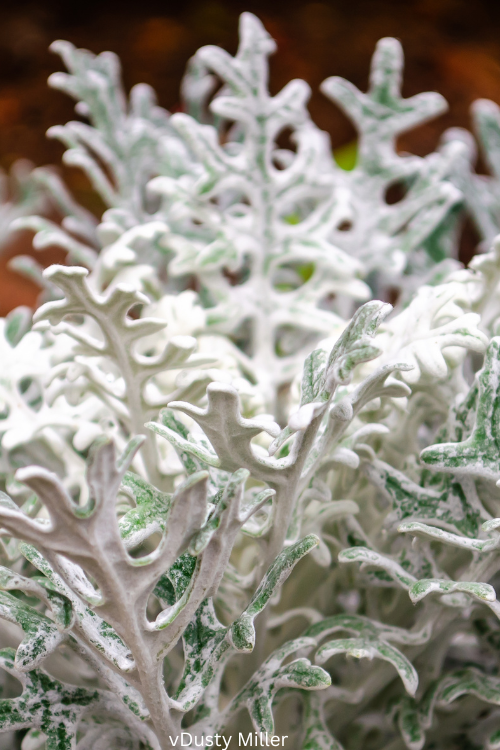
Dusty miller is grown for its silvery foliage. It does not provide a showy flower display, but its leaves make bright autumn colors look richer.
Use dusty miller beside burgundy mums, red ornamental peppers, purple violas, or orange celosia. Its cool gray color also works well in modern containers with simple geometric shapes.
Although it tolerates dry conditions once established, container-grown dusty miller still needs watering when the soil becomes dry.
10. Flowering Fatsia or Small Ornamental Grasses
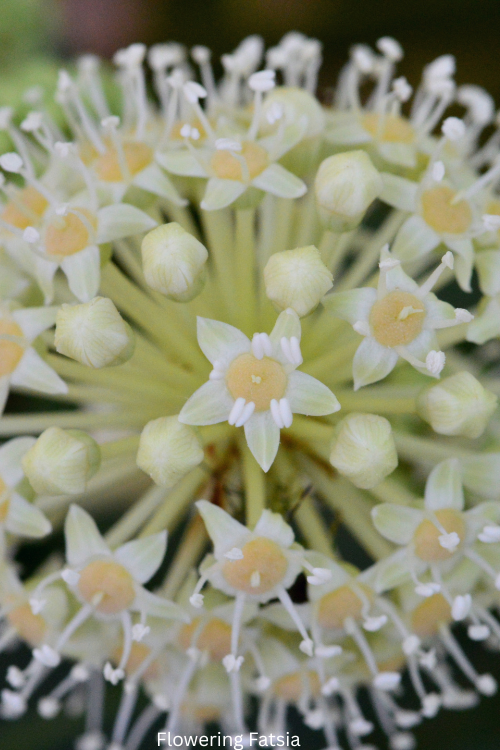
Small ornamental grasses can provide movement and height in fall containers. Their narrow leaves contrast with broad foliage plants and rounded flowers.
Choose a variety that will not quickly outgrow the pot. A grass positioned in the center or back of a container can act as a vertical accent, while shorter flowers fill the base.
Grasses are particularly useful when a container needs to remain attractive after the first flowers fade.
11. Calendula
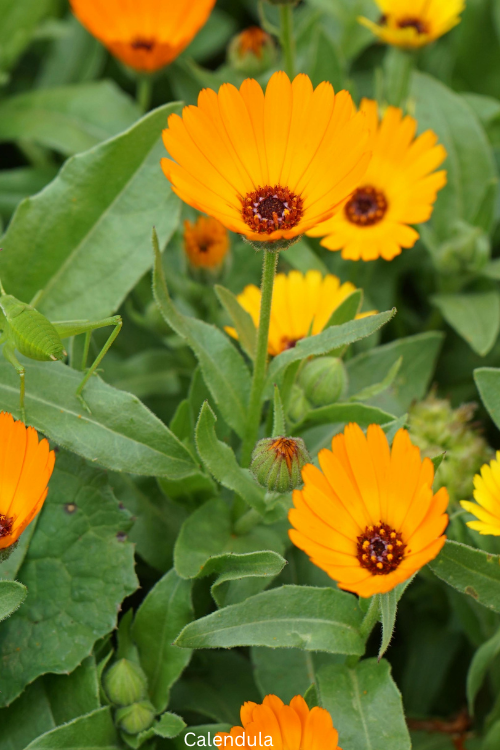
Calendula produces warm yellow and orange flowers that suit an autumn color palette. In areas with mild weather, it may continue flowering well into the season.
Calendula performs best in a sunny position with well-drained soil. Remove old blooms to encourage additional flowering.
Its open flowers combine nicely with pansies, violas, and trailing herbs.
12. Flowering Stock
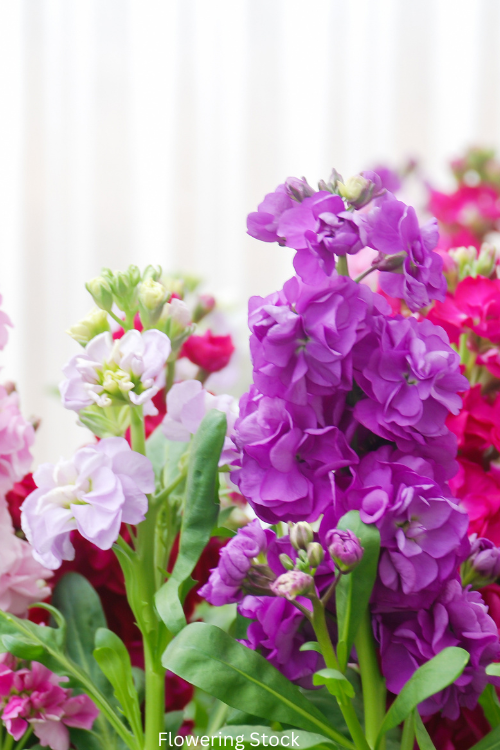
Flowering stock provides upright clusters of flowers and can add fragrance to a sunny fall container. Colors include white, pink, purple, and red.
Use stock as the taller element in a mixed arrangement. Place shorter plants around its base so the container feels full without becoming crowded.
Because stock is grown for its flowers and fragrance, position the pot near an entryway or seating area where it can be enjoyed.
Three Easy Container Combinations
| Container style | Center or tall plant | Supporting plants | Overall effect |
|---|---|---|---|
| Traditional autumn | Bronze mum | Orange pansy and dusty miller | Warm and classic |
| Cool-toned porch | Purple aster | White viola and silver foliage | Soft and elegant |
| Bold modern pot | Ornamental pepper | Red celosia and trailing alyssum | Bright and dramatic |
How to Plant a Fall Container
Start with a container that has at least one drainage hole. Covering the hole with a small piece of mesh can help keep potting mix from escaping without blocking drainage.
Use fresh container potting mix rather than garden soil. Garden soil can become heavy and compacted in pots, making it difficult for roots to receive air.
Arrange the plants before removing them from their nursery pots. Place the tallest plant toward the back or center, medium-sized plants around it, and trailing plants near the edge.
Leave a little space between plants. A container may look slightly sparse on planting day, but the plants need room for air circulation and root growth.
Water thoroughly after planting until water drains from the bottom. For the first week, check the container frequently because newly planted flowers may dry out quickly.
Fall Container Care Tips
Autumn weather can be unpredictable. Follow these simple habits:
- Check soil moisture with your finger before watering.
- Move containers closer to a wall during strong winds.
- Remove dead flowers and damaged leaves.
- Turn containers every few days for even growth.
- Protect tender plants if a hard freeze is forecast.
- Empty saucers after heavy rain.
- Avoid placing pots directly against hot, reflective walls.
The most attractive fall flowers for containers in full sun are not necessarily the rarest varieties. The best choices are plants that fit your light, container size, watering habits, and local temperatures.
With a few well-matched plants, even a small porch can remain colorful after the summer garden has gone quiet.
Last modified: October 6, 2026
