

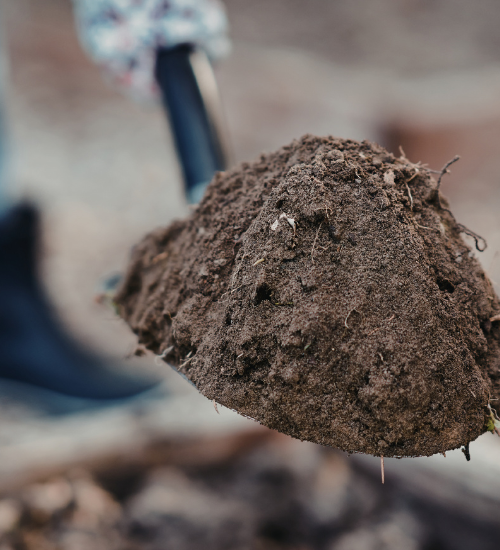
Healthy plants start with healthy soil. If your garden struggles with weak growth, yellow leaves, poor harvests, or water that drains too quickly, the problem may be below the surface.
Many gardeners try to solve plant problems by adding more fertilizer. While fertilizer can provide nutrients, it does not always fix the condition of the soil. Soil that is compacted, dry, waterlogged, or low in organic matter needs a more complete approach.
The good news is that you can improve garden soil naturally with materials and methods that are affordable, practical, and easy to use. Compost, mulch, cover crops, leaf mold, and careful watering can gradually transform poor soil into a healthier growing environment.
What Makes Good Garden Soil?
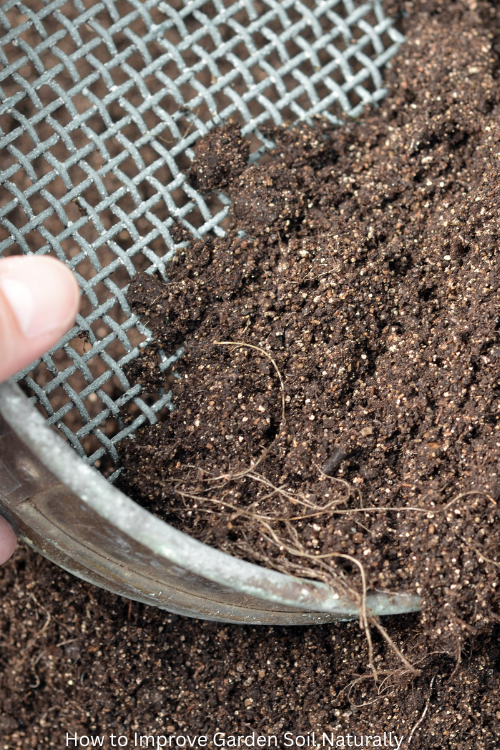
Good garden soil does more than hold plants in place. It provides roots with air, water, nutrients, and space to grow.
Healthy soil usually has:
- A loose, crumbly texture
- Good drainage
- Enough moisture without staying soggy
- Earthworms and other helpful organisms
- Plenty of organic matter
- A balanced pH for the plants being grown
- Strong structure that does not become hard and compacted
Different plants prefer different conditions, but most vegetables, flowers, herbs, and shrubs grow best in soil that is fertile and well-drained.
Test Your Soil Before Making Changes
Before you improve garden soil, test it if possible. A soil test can show the pH level and identify nutrient shortages or excesses.
You can purchase a basic soil test kit or send a sample to a local soil testing laboratory. Your local extension service may also provide testing instructions.
| Soil Problem | Common Signs | Natural Improvement |
|---|---|---|
| Compacted soil | Hard ground and poor root growth | Compost and aeration |
| Sandy soil | Dries out quickly | Compost, leaf mold, and mulch |
| Clay soil | Sticky when wet and hard when dry | Organic matter and careful cultivation |
| Low fertility | Pale leaves and weak growth | Compost and aged manure |
| Poor drainage | Standing water and root rot | Raised beds and compost |
| Acidic or alkaline soil | Certain plants fail to grow | Soil test and appropriate amendments |
Avoid adding lime, sulfur, or large amounts of fertilizer based only on guesswork. Too much of an amendment can create a new soil problem.
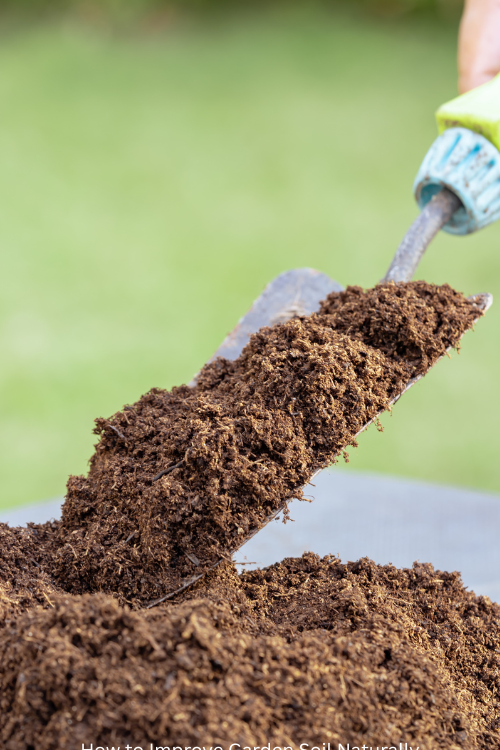
1. Add Compost Regularly
Compost is one of the best natural ways to improve garden soil. It adds organic matter, supports soil organisms, improves water retention, and helps loosen compacted ground.
You can make compost at home with materials such as:
- Vegetable and fruit scraps
- Coffee grounds
- Grass clippings
- Dry leaves
- Small amounts of untreated paper
- Plant trimmings
- Straw
Finished compost should look dark and crumbly, with an earthy smell. It should not resemble the original materials.
Spread one to two inches of compost over the garden each year and gently mix it into the top few inches of soil. You can also add compost around established plants as a surface dressing.
2. Use Aged Manure Carefully
Aged manure can improve soil structure and add nutrients. Cow, horse, and poultry manure are commonly used in gardens, but fresh manure may be too strong for plants and can contain weed seeds or harmful pathogens.
Use only well-aged or composted manure. Follow the supplier’s instructions and avoid applying fresh manure directly around edible crops.
Manure is especially useful in areas with poor fertility, but it should be part of a balanced soil improvement plan rather than the only amendment.
3. Apply Organic Mulch
Mulch protects the soil surface from heat, wind, erosion, and heavy rain. As organic mulch breaks down, it adds small amounts of organic matter to the soil.
Good mulch options include:
- Shredded leaves
- Straw
- Grass clippings
- Pine needles
- Shredded bark
- Compost
- Wood chips
Apply a layer two to four inches thick around plants. Keep mulch a few inches away from stems and tree trunks to prevent excessive moisture and decay.
Mulch also helps reduce weeds, which means less digging and disturbance around plant roots.
4. Leave Grass Clippings on the Lawn
Grass clippings can be a useful source of organic matter and nutrients. When the lawn is mowed regularly, short clippings can be left in place to break down naturally.
You can also use untreated grass clippings as garden mulch, but apply them in thin layers. Thick layers can become wet, compacted, and smelly.
Do not use clippings from lawns that have recently been treated with herbicides unless the product label confirms that they are safe for garden use.
5. Make Leaf Mold
Leaf mold is made from decomposed leaves. It is different from traditional compost because it contains fewer nutrients, but it can greatly improve soil texture and moisture retention.
To make leaf mold:
- Collect fallen leaves in autumn.
- Shred them with a mower or leaf shredder.
- Place them in a bin, wire enclosure, or pile.
- Keep the leaves slightly moist.
- Turn the pile occasionally if possible.
- Let the leaves break down over time.
Leaf mold can take several months to a few years, depending on the leaf type and conditions. Once it becomes dark and crumbly, mix it into garden soil or use it as mulch.
6. Grow Cover Crops
Cover crops protect bare soil during the off-season. They reduce erosion, suppress weeds, and add organic matter when they are cut down and incorporated into the soil.
Common cover crops include:
- Clover
- Oats
- Annual ryegrass
- Buckwheat
- Vetch
- Field peas
- Winter rye
Choose a cover crop that suits your climate and planting schedule. Cut it down before it produces mature seeds, then allow the plant material to decompose before planting the next crop.
Cover crops are especially useful in vegetable gardens that would otherwise remain bare during fall and winter.
7. Avoid Walking on Garden Beds
Walking repeatedly on garden soil compresses the spaces between soil particles. Compacted soil has less air, drains poorly, and makes it harder for roots to grow.
Create permanent paths between garden beds so the growing areas remain undisturbed. Use wood chips, straw, gravel, or stepping stones for the paths.
Raised beds can also help prevent compaction because you can reach the plants from the edges without stepping into the soil.
8. Use Raised Beds for Difficult Soil
Raised beds are useful when the existing soil is heavy clay, extremely sandy, contaminated, or poorly drained.
A simple raised bed can be made from untreated lumber, stone, bricks, or metal. Fill it with a mixture of quality topsoil and compost.
Avoid filling a raised bed entirely with compost. Compost settles over time and may hold too much moisture. A balanced soil mixture provides better structure for roots.
Raised beds also warm up faster in spring and can be easier to weed and maintain.
9. Improve Clay Soil Slowly
Clay soil contains very small particles that hold water tightly. It can become sticky when wet and hard when dry.
The best way to improve clay soil is to add organic matter consistently. Compost, leaf mold, aged manure, and shredded leaves can help create larger spaces between clay particles.
Do not work clay soil while it is wet. Digging or tilling soggy clay can create hard clumps that are difficult to break apart later.
Over time, earthworms and soil organisms will help incorporate organic matter into the ground.
10. Improve Sandy Soil With Organic Matter
Sandy soil drains quickly and may not hold nutrients well. Plants growing in sandy soil often need more frequent watering, especially during hot weather.
Add compost, leaf mold, aged manure, and organic mulch to help sandy soil retain moisture and nutrients. Apply organic matter regularly rather than expecting one treatment to solve the problem permanently.
Planting drought-tolerant species can also make gardening easier in sandy soil. Native plants are often a good choice because they are adapted to local conditions.
11. Do Not Over-Till the Garden
Tilling can loosen soil temporarily, but frequent or deep tilling can damage soil structure and disturb earthworms, fungi, and other organisms.
Instead, use a lighter approach:
- Add compost to the surface
- Use mulch
- Dig only where planting is necessary
- Avoid walking on growing areas
- Pull weeds when they are small
- Use broad forks to loosen compacted sections
No-till and reduced-till gardening methods can help preserve the natural structure of the soil.
12. Encourage Earthworms
Earthworms create channels through the soil as they move. These channels improve air movement, drainage, and root growth.
You can encourage earthworms by adding organic matter and reducing unnecessary digging. Avoid using broad-spectrum pesticides unless they are absolutely necessary.
Earthworms prefer soil that is moist, covered, and rich in decaying plant material. A layer of mulch can make the garden more welcoming to them.
13. Use Natural Fertilizers Wisely
Natural fertilizers can support plant growth, but they should not replace good soil structure.
Examples include:
- Compost
- Aged manure
- Worm castings
- Fish emulsion
- Kelp meal
- Bone meal
- Blood meal
- Alfalfa meal
Different fertilizers provide different nutrients. For example, blood meal is high in nitrogen, while bone meal contains phosphorus. Use products according to the label and consider a soil test before applying them.
More fertilizer is not always better. Excess nutrients can damage plants and wash into waterways.
14. Add Organic Matter Every Year
Improving garden soil is an ongoing process. Organic matter decomposes, so it needs to be replaced regularly.
Each year, add compost, leaves, mulch, or another suitable material to the garden. This is more effective than adding a large amount once and ignoring the soil afterward.
A yearly routine could include:
- Compost in spring
- Mulch after planting
- Cover crops in fall
- Shredded leaves during winter
- Soil testing every few years
Small improvements made consistently can have a major effect over time.
Signs Your Soil Is Improving
You may notice several changes as the soil becomes healthier:
- Water soaks in more evenly
- The soil becomes easier to dig
- Plants develop stronger roots
- Earthworms become more common
- Fewer areas remain waterlogged
- Plants need less frequent watering
- Soil smells fresh and earthy
- Garden beds produce stronger growth
Soil improvement does not happen overnight. It may take several growing seasons, especially if the ground is heavily compacted or depleted.
Frequently Asked Questions
What is the fastest way to improve garden soil?
Adding finished compost and organic mulch is one of the fastest natural methods. These materials improve soil structure while supporting moisture retention and soil life.
Can I improve soil without digging?
Yes. Spread compost and mulch over the surface and allow earthworms, rain, and soil organisms to work the materials into the ground. This is often called a no-till or low-till approach.
Is coffee ground good for garden soil?
Used coffee grounds can add organic matter, but they should not be applied in thick layers. Mix them into compost or spread them lightly around plants.
How often should I add compost?
Most gardens benefit from a one- to two-inch layer of compost once each year. The exact amount depends on the condition of the soil and the plants being grown.
Should I add sand to clay soil?
Adding a small amount of sand to clay soil can sometimes make the texture worse. Compost and other organic matter are generally better choices for improving clay soil.
Final Thoughts
If you want to improve garden soil naturally, start with compost, mulch, and better planting habits. These simple steps can improve drainage, increase moisture retention, reduce compaction, and create a healthier environment for roots.
Test the soil before adding major amendments, avoid working wet clay, and protect the ground with organic material whenever possible. Healthy soil is built gradually, but the results are worth the effort.
A garden with good soil is easier to water, easier to maintain, and more productive. Whether you are growing vegetables, flowers, herbs, or shrubs, improving the soil is one of the most useful investments you can make in your yard.
Last modified: September 30, 2026
