

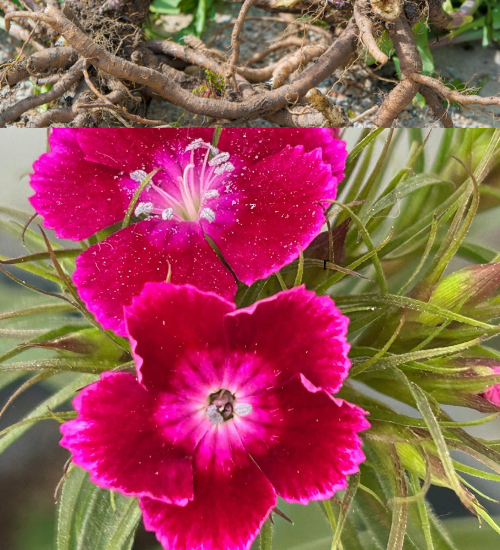
Bare-root perennials can look unimpressive when they arrive. Instead of leafy stems and colorful flowers, you may receive a bundle of dormant roots wrapped in packing material. That does not mean the plant is weak or unhealthy. Bare-root plants are simply sold while dormant, before they spend energy producing leaves.
Learning how to plant bare-root perennial flowers in spring helps you give those roots the best possible start. The process is straightforward, but timing and planting depth matter. Roots that dry out, sit in water, or are planted too deeply may struggle to establish.
Bare-root plants are commonly available for perennial flowers such as peonies, daylilies, hostas, bleeding hearts, astilbes, and many other hardy garden plants. Always check the plant label because the ideal depth, sunlight, and spacing can vary by species.
What Does Bare-Root Mean?
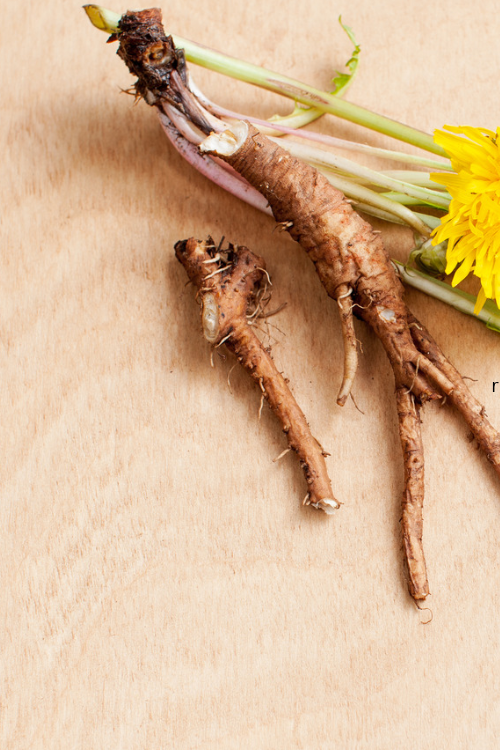
A bare-root plant is sold without soil around its roots. Nurseries usually dig these plants while they are dormant, remove the soil, and pack the roots in slightly moist material.
Because there is no potting mix protecting the roots, bare-root plants need more careful handling than container-grown plants. The roots should remain cool and slightly moist until planting, but they should not sit in standing water.
A healthy bare-root perennial usually has:
- Firm roots rather than mushy or slimy roots
- Several strong roots branching from a crown
- No foul smell
- No large areas of black, collapsing tissue
- A visible crown, bud, or growing point
Some dryness on the outside of the roots does not always mean the plant is dead. However, roots that are brittle throughout or have extensive rot may not recover.
When Should You Plant Bare-Root Perennials?
The best time to plant most bare-root perennials is as soon as the ground can be worked in spring. The soil should be thawed, not waterlogged, and cool enough that the plant will not immediately face intense heat.
Planting early gives the roots time to settle before summer. In cold climates, wait until the soil is workable and severe freezing is less likely. In mild climates, planting may be possible earlier.
A simple test is to squeeze a handful of soil. If it forms a sticky ball that stays wet, wait a little longer. If it crumbles easily and can be dug without smearing across the shovel, conditions are usually more suitable.
Do not leave bare-root plants sitting indoors for weeks if you can avoid it. If the planting area is not ready, store the roots temporarily in a cool, dark place and keep the packing material lightly moist.
Prepare the Planting Area First
Prepare the site before opening the roots. This prevents the plant from sitting exposed while you dig.
Most flowering perennials prefer:
- Soil that drains excess water
- Enough sunlight for the species
- Loose soil with organic matter
- Adequate room for mature growth
- Protection from constant competition by grass or aggressive roots
Remove weeds and grass from a circle wider than the root system. Loosen the soil with a garden fork or shovel. Avoid turning the entire bed into fine dust because overly pulverized soil can compact again after rain.
If the soil is poor, mix in a modest amount of finished compost. Compost can improve structure, but it should not replace good drainage or be used to create a soft pocket surrounded by dense soil. Roots should be able to grow naturally into the surrounding ground.
A soil test is useful if the bed has a history of poor growth. Avoid adding large amounts of lime, fertilizer, or other amendments based only on guesswork.
Inspect and Rehydrate the Roots
When you are ready to plant, remove the perennial from its packaging and inspect the roots. Trim away only roots that are clearly broken, black, or mushy. Do not cut healthy roots simply to make them fit into a small hole.
Place the roots in a container of clean, room-temperature water for about 30 minutes to an hour. This allows dry roots to absorb moisture before planting.
Do not leave the plant soaking overnight unless the supplier specifically recommends it. Long soaking can reduce oxygen around the roots and encourage decay.
While the roots are soaking, identify the crown. The crown is the area where the roots meet the shoots or buds. This part usually needs to be positioned at or slightly below the soil surface, depending on the plant.
Dig a Wide, Shallow Hole
A common mistake when learning how to plant bare-root perennial flowers in spring is digging a narrow hole that forces the roots downward or sideways.
The hole should be wide enough for the roots to spread naturally. Its depth should allow the crown to sit at the correct level without bending the roots sharply.
| Plant type | General planting-depth guidance |
|---|---|
| Many herbaceous perennials | Crown level with or slightly below the soil |
| Peonies | Eyes usually planted only about 1–2 inches below soil |
| Daylilies | Crown slightly above or level with the soil |
| Hostas | Crown at soil level |
| Plants with special storage roots | Follow the nursery label |
These are general guidelines, not a substitute for the instructions supplied with the plant. Peonies are especially sensitive to excessive planting depth and may produce leaves without flowers if buried too deeply.
Create a small mound in the center of the hole if necessary. Spread the roots over the mound so they point outward rather than folding back toward the crown.
Position the Crown Correctly
Set the plant in the hole and check the depth before adding soil. The crown should face upward, and the roots should be spread in a natural position.
Do not leave air pockets beneath the crown. At the same time, avoid pressing the soil so firmly that the roots lose access to oxygen.
Add soil gradually, gently working it around the roots. Water once halfway through filling the hole if the soil is dry. This helps settle the soil around the roots.
Finish by watering deeply enough to moisten the entire root zone. Do not create a permanently soggy basin around the plant.
Watering After Planting
Bare-root perennials need consistent moisture while new roots develop. Check the soil every few days during the first several weeks.
Water when the upper layer begins to dry, adjusting for rainfall, soil type, temperature, and plant variety. Sandy soil may need more frequent watering than heavy soil. Heavy clay may stay wet longer, so watering by calendar can cause problems.
The goal is not to keep the surface constantly wet. The goal is to provide moisture at root depth while allowing excess water to drain away.
A thin layer of mulch can help conserve moisture. Keep mulch a few inches away from the crown and emerging stems. Mulch touching the plant may trap moisture against tender tissue and encourage rot.
What to Expect in the First Season
Some bare-root perennials grow quickly after planting. Others spend much of the first season developing roots and produce limited foliage or no flowers.
Do not assume the plant has failed simply because it does not bloom immediately. Flowering depends on the plant’s age, stored energy, planting time, weather, and variety.
During the first season:
- Keep weeds away from the root zone
- Water during prolonged dry periods
- Avoid heavy fertilizer
- Protect emerging shoots from slugs and other pests
- Do not dig up the plant to check for roots
- Remove only damaged or diseased foliage
A weak first season can be normal. Stronger growth often follows once the plant has established a functioning root system.
Common Mistakes to Avoid
The most frequent problems with bare-root perennials come from handling and depth rather than complicated care.
Avoid these mistakes:
- Allowing the roots to dry completely. Keep them cool and lightly moist before planting.
- Soaking for too long. A short rehydration soak is usually enough.
- Planting into waterlogged soil. Wet ground can exclude oxygen from the root zone.
- Burying the crown too deeply. This is especially damaging for peonies.
- Bending roots into a tight hole. Widen the hole instead.
- Adding strong fertilizer directly to the roots. It can cause injury.
- Watering every day without checking the soil. Too much water can be as harmful as too little.
- Expecting immediate flowers. Many plants need time to establish.
Final Checklist
Before walking away from the planting job, confirm that:
- The roots were healthy and hydrated
- The crown is facing upward
- The roots are spread naturally
- The planting depth matches the plant’s instructions
- The soil is firm but not compacted
- The root zone has been watered thoroughly
- Mulch is kept away from the crown
- The plant has enough space and suitable light
Once you understand how to plant bare-root perennial flowers in spring, the process becomes much less intimidating. The plant may look like little more than a bundle of roots, but those roots hold the promise of future stems, leaves, and flowers. Handle them gently, plant them at the correct depth, and give them steady moisture while they settle in.
Last modified: October 27, 2026
