

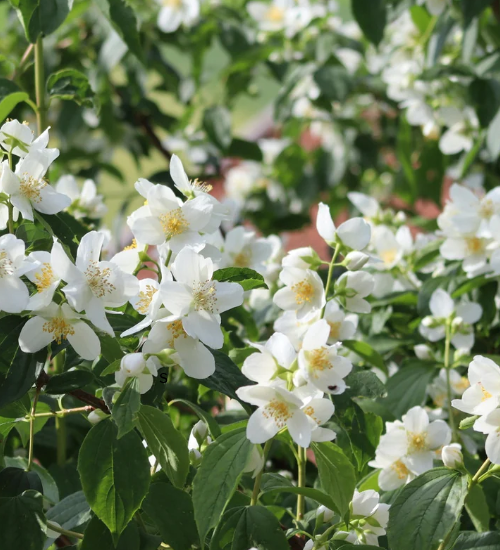
Why late-winter flowers matter. The end of winter can feel like a quiet interval in the garden. Many trees are bare, perennial beds are dormant, and the first warm afternoons arrive before the landscape looks ready. Yet some pollinators are already active whenever temperatures allow. A sunny day can bring out early bumble bees, small solitary bees, and other insects searching for food.
That is why gardeners look for late winter flowers for early pollinators. The aim is not to create a midsummer flower show in February. It is to provide a few dependable openings in an otherwise sparse season. Even a small group of bulbs, a winter-flowering shrub, or a pot of cool-season flowers can make the garden more welcoming.
Timing varies greatly by climate. A plant that flowers in late winter in a mild coastal region may wait until early spring in a colder inland garden. Use local bloom times as a guide, and treat plant labels as estimates rather than promises.
15 choices to consider
1. Snowdrops
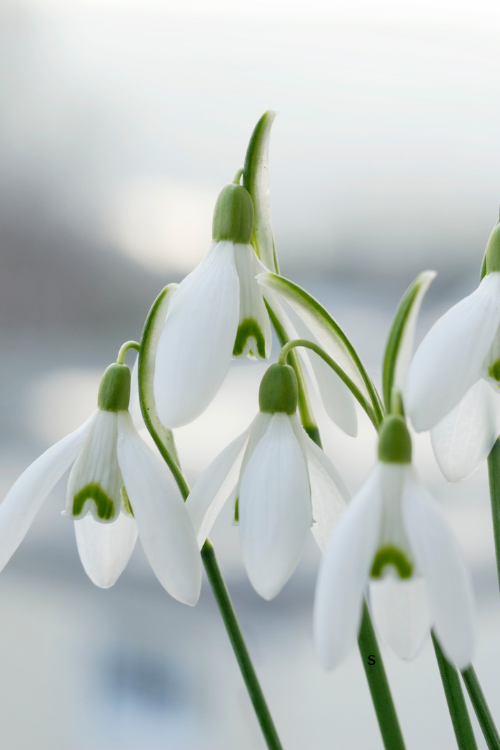
Snowdrops are famous for flowering while winter still feels present. They prefer conditions that are not bone-dry during active growth, but they dislike stagnant water. Plant them where their small flowers can be seen from a path or window.
2. Winter aconite
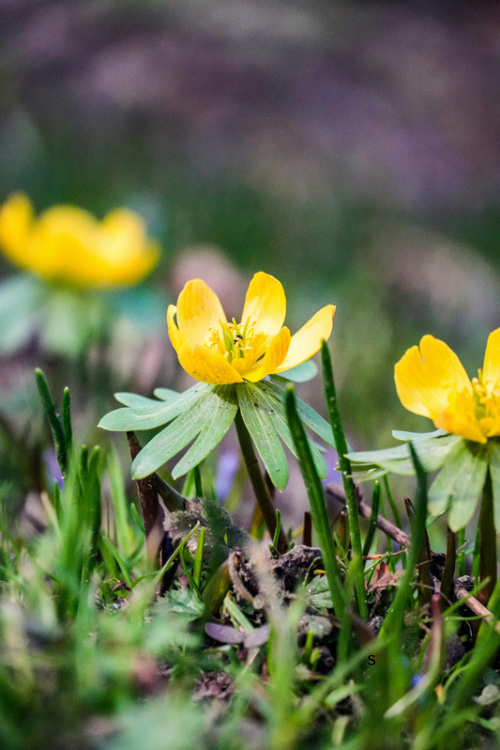
Winter aconite produces bright yellow flowers close to the ground. It is suited to places where the soil does not dry out immediately after snow melt. Its low height makes it ideal beneath deciduous shrubs, where it can flower before the canopy develops.
3. Crocuses
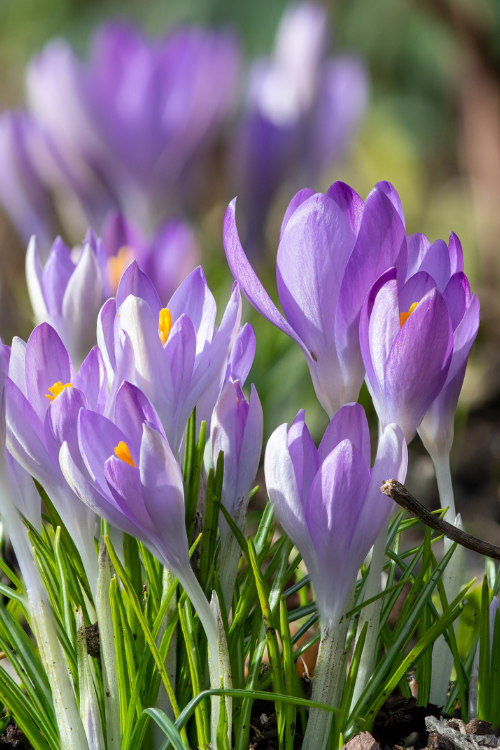
Early crocuses are cheerful and compact. Plant them in groups for visibility, especially if the surrounding garden is still brown. They perform best in well-drained soil with good light while the foliage is growing.
4. Hellebores
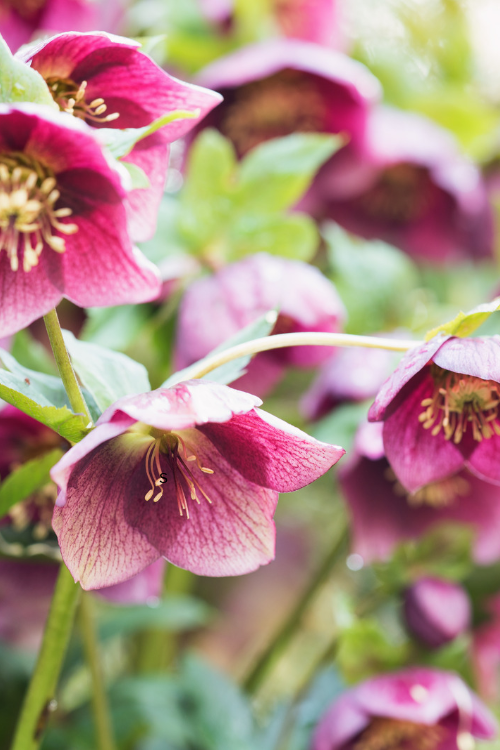
Hellebores often hold their nodding flowers above leathery foliage during late winter and early spring. Their flowers can be difficult for a small insect to access when hanging downward, so place them where you can observe which visitors use them. Remove damaged old foliage carefully as new growth appears.
5. Winter heath
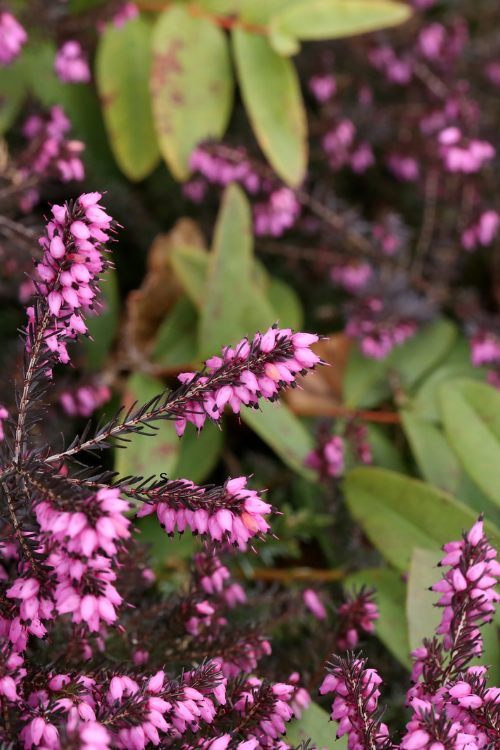
Winter heath offers small bell-shaped flowers on low woody plants. It needs acidic, well-drained conditions and reliable light. Use it as a mound near a path or in a rock-garden style planting.
6. Witch hazel
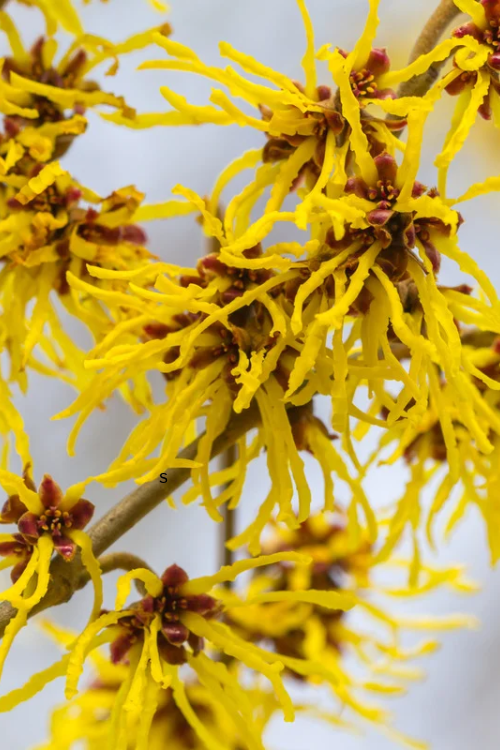
Witch hazel shrubs are valued for narrow, ribbon-like flowers and an often-spicy fragrance. They need room to reach their mature size. Choose a position where the winter flowers are visible and where the shrub will not be constantly cut back to fit a narrow space.
7. Winter jasmine
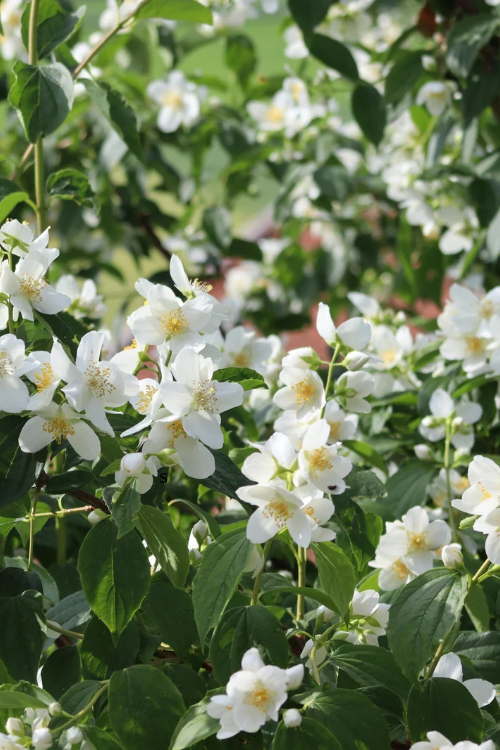
Winter jasmine provides yellow flowers on arching green stems. It is useful for covering a bank or spilling over a retaining edge, but it can become untidy if ignored. Prune after flowering when necessary, rather than shearing it at random throughout the season.
8. Cornelian cherry
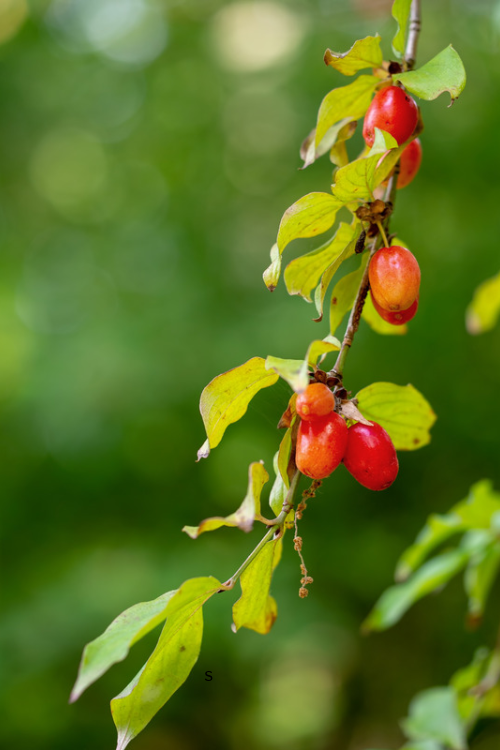
Cornelian cherry produces clusters of yellow flowers on a woody shrub before its leaves emerge. It can become a substantial plant, so check mature dimensions. Its early display and later fruit make it useful beyond the flower show, though fruit production depends on conditions and pollination.
9. Flowering quince
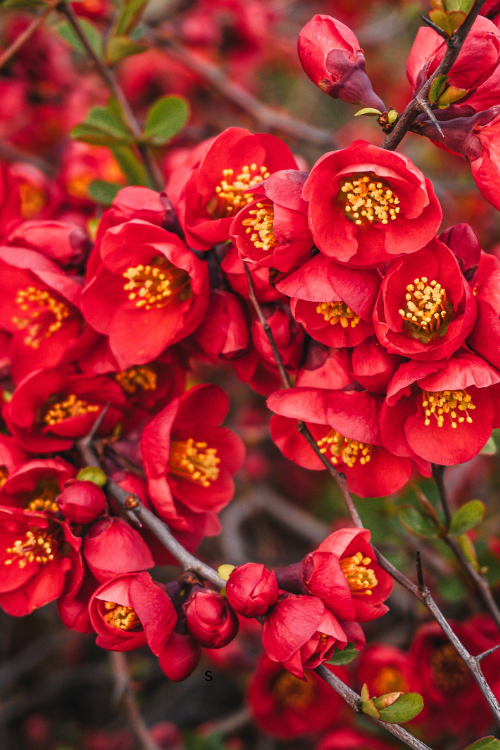
Flowering quince can begin blooming in late winter or early spring. It is a thorny shrub, so place it away from narrow walkways and play areas. It may be suitable as a hedge or anchor plant where its eventual size is welcome.
10. Pansies
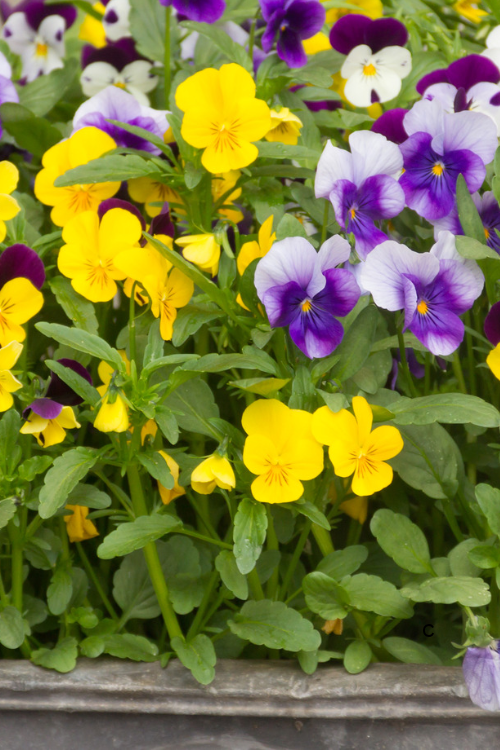
Pansies are flexible cool-season bedding plants. Their faces provide color in pots, window boxes, and borders. In mild climates they can flower for a long period; in severe cold they may pause until temperatures moderate.
11. Violas
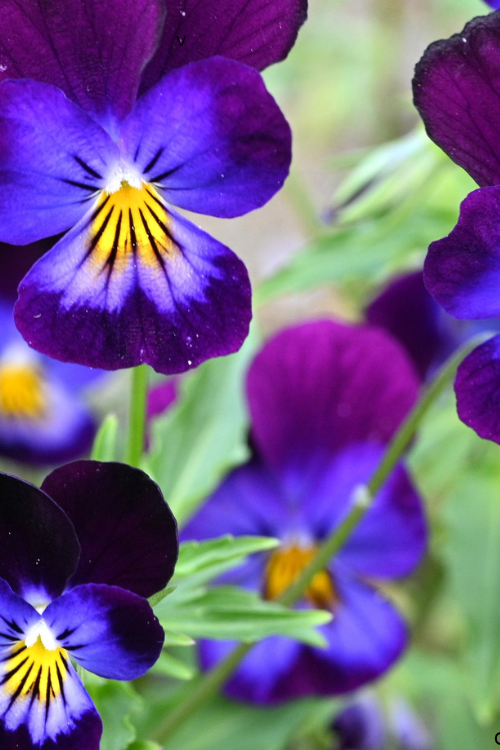
Violas offer many small flowers and are often more weather-tolerant than gardeners expect. Use them along paths or in containers where their low growth will be visible. Remove tired blooms if you want a tidier display, but do not expect deadheading to override extreme weather.
12. Primroses
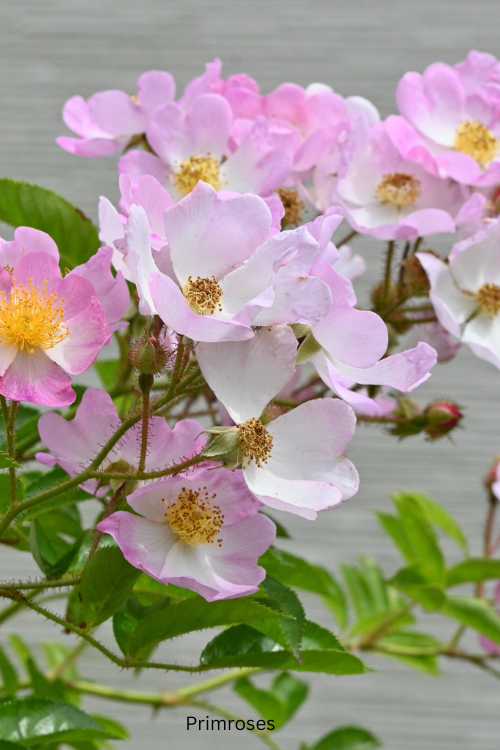
Primroses can brighten cool, moist parts of the garden. Some types prefer shade or filtered light, while others tolerate more sun in cool conditions. Read the label for the specific plant instead of assuming all primroses have identical needs.
13. Calendula
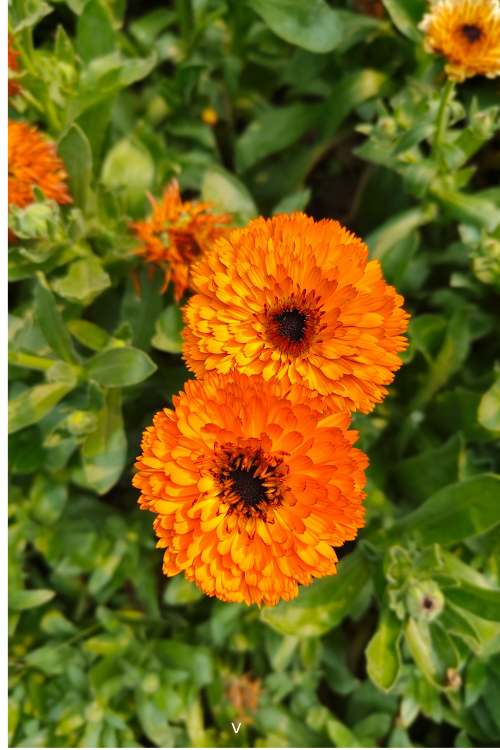
Calendula can flower through cool seasons in many mild regions. Its open blooms are easy to see, and its golden or orange colors stand out against winter foliage. In hot climates it may fade as summer arrives.
14. Flowering currant
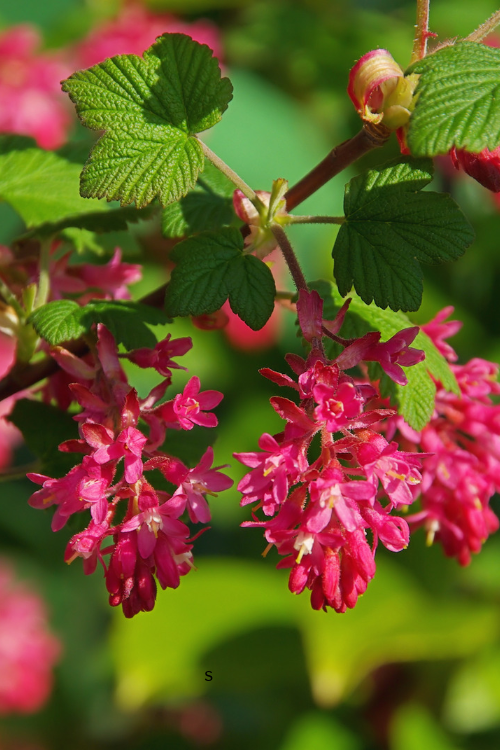
Flowering currants are larger shrubs with dangling clusters of flowers. They require space and pruning based on the way they flower. Use them where a spring shrub can be part of the permanent structure rather than treating them like a small bedding plant.
15. Rosemary in flower
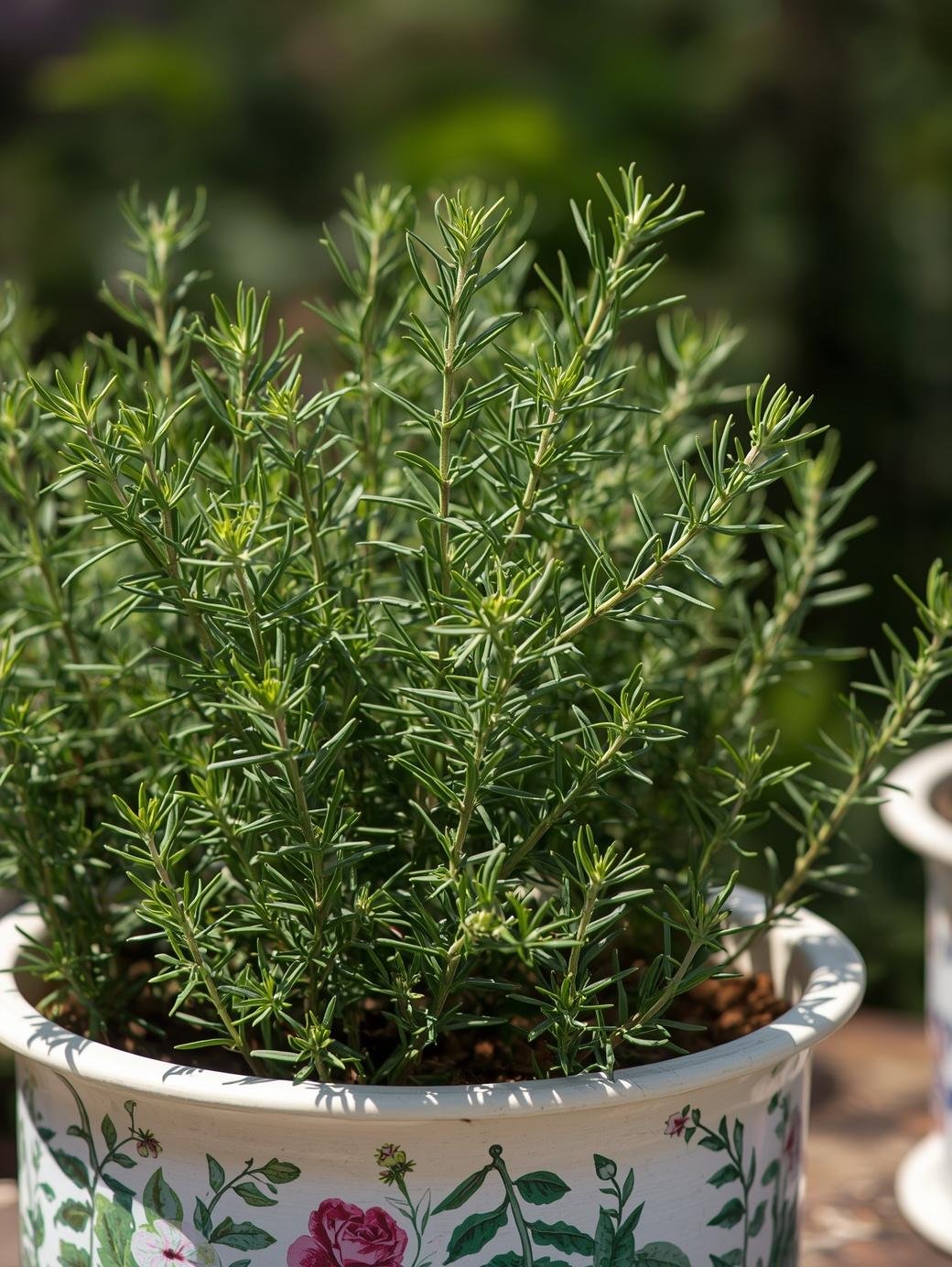
In mild climates, rosemary may flower during winter or early spring. It needs excellent drainage and plenty of sun. In colder regions, grow it in a container or protected position and consider the flowers a bonus rather than a guaranteed winter display.
Plan for weather, not just the calendar
Late-winter flowers face cold nights, rain, wind, and occasional snow. Choose protected positions for delicate blooms, but do not cover plants automatically every time a forecast looks cool. Many early bloomers are adapted to variable weather. Use frost cloth or another appropriate protection only when the plant and conditions justify it.
Avoid placing early flowers in a low pocket where cold air settles. A gentle slope or raised bed may drain cold air and water more effectively. Containers warm quickly in the sun but also cool quickly at night, so move them near a wall or shelter during severe weather.
Create a small early-season patch
You do not need fifteen kinds of plants. Start with a sequence: one bulb group, one low cool-season flower, and one woody plant or perennial with winter interest. Place them where you pass often. Early flowers are easy to miss when they are hidden at the back of a large bed.
Use repetition. Five small groups of crocuses will make a stronger impression than one lonely cluster. Combine different heights so the display can be read from a standing position. Keep a clear space around the plants so fallen leaves do not bury the smallest flowers.
Water and soil considerations
Do not confuse winter rain with adequate moisture at root level. Under eaves, beside walls, and beneath dense evergreen branches, soil can remain surprisingly dry. Check the soil before watering, and avoid saturating cold ground. Good drainage is essential for bulbs and many Mediterranean shrubs.
Mulch can protect roots, but a thick layer over emerging bulb foliage can delay growth or make the display hard to see. Keep mulch loose and away from plant crowns.
Supporting early pollinators beyond flowers
Flowers are only one part of a useful early garden. Avoid disturbing every patch of bare ground, because some solitary bees nest in soil. Leave a few hollow stems where they are safe, and avoid spraying open flowers. A shallow water source with stones can provide drinking places, but keep it clean and make sure insects can leave easily.
Observe before changing the garden. If you see insects visiting a plant, note the weather, time, and flower. That information will help you choose plants that actually perform in your yard rather than relying only on a generic list.
Late winter flowers for early pollinators bring color, but their deeper value is timing. They open a small door between dormancy and spring. With a few well-placed bulbs, shrubs, and cool-season flowers, the garden can begin its new year before the rest of the landscape is fully awake.
Last modified: October 27, 2026
