

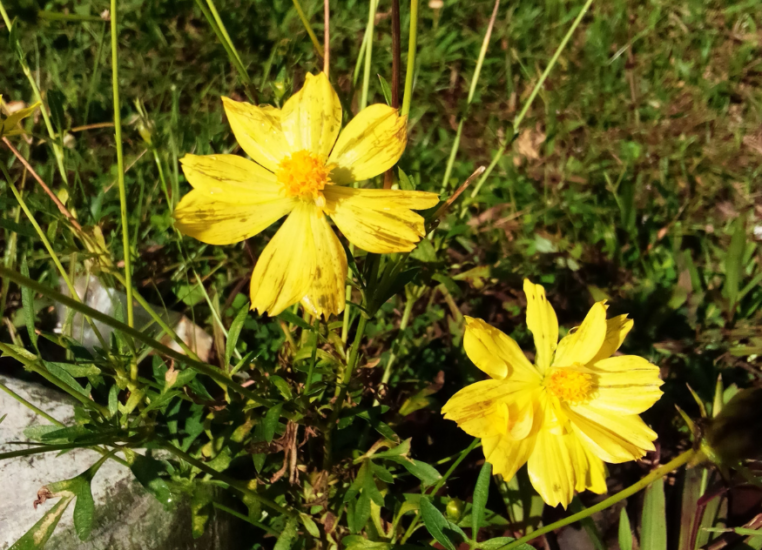
A few yellow flowers can change the whole feel of your garden. They add light to dull corners, pull bees and butterflies closer, and make beds look warm, bright, and full of life.
Think golden petals glowing in morning sun, soft blooms against green leaves, and tall stems
moving in a light breeze. That happy color makes small spaces feel bigger and plain yards feel more inviting.
This guide gives you 7 beautiful choices to try, from bold giants
to easy, low-fuss favorites. You will also get simple growin
g tips, clear zone info, and easy word meanings, so picking
the right flower feels much less confusing.
Why Yellow Flowers Shine
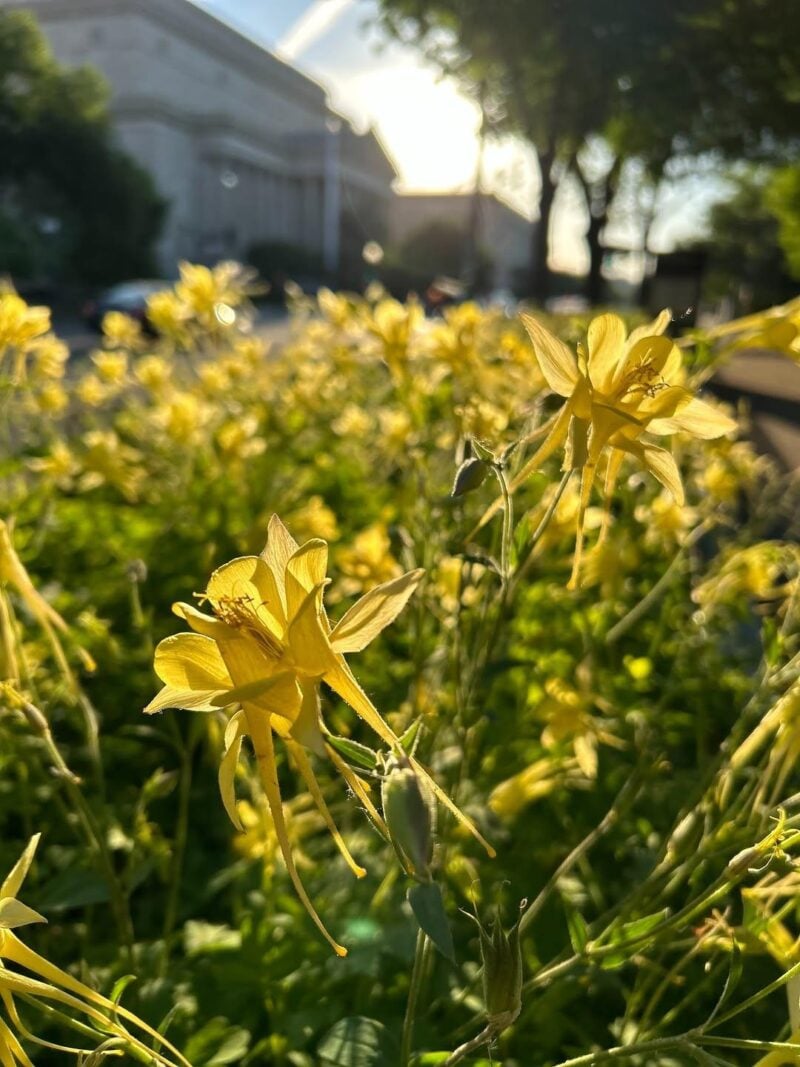
Yellow flowers grab your eye fast. They brighten garden beds, wake up borders, and stand out even on gray days. If your yard feels flat or messy, yellow blooms can make it look cheerful and more put together.
They do more than look pretty. Many yellow flowers bring in bees, butterflies, and other pollinators that help your garden grow. Sunflowers, black-eyed Susans, marigolds, daffodils, coreopsis, yarrow, and yellow
daylilies all add color in different ways, so you can mix tall shapes, soft petals, and long bloom times.
That is why gardeners keep coming back to this color. It feels sunny, friendly, and easy to love.
How To Use This List
This list keeps things simple. Each flower comes with easy growing notes, USDA hardiness zones, and plain-language meanings for garden words that often sound harder than they are.
Quick word help
- Annual: a plant that grows, flowers, makes seeds, and finishes its life in one year. You plant it again next year.
- Perennial: a plant that sleeps in winter, then comes back when warm weather returns.
You can use the table below to compare the full top 7 at a glance.
| Flower | Zones | Plant Type |
|---|---|---|
| Sunflower | 2-11 | Annual |
| Black-Eyed Susan | 3-9 | Perennial |
| Daffodil | 3-8 | Perennial bulb |
| Marigold | 2-11 | Annual |
| Coreopsis | 4-9 | Perennial |
| Yarrow | 3-9 | Perennial |
| Yellow Daylily | 3-9 | Perennial |
Start with the flowers that match your zone first. That one step saves time, money, and stress.
1. Sunflowers For Bold Height
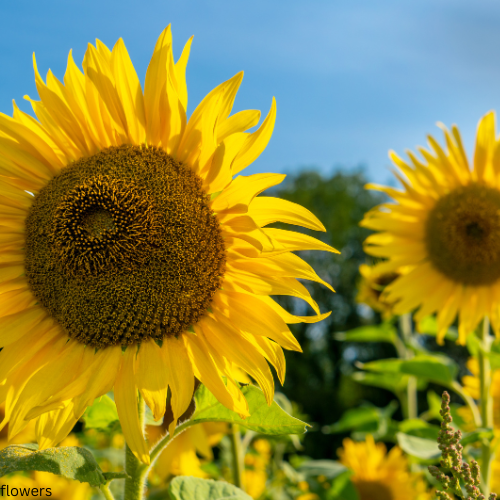
Sunflowers bring instant drama. Their giant yellow faces and tall stems make a strong statement in the back of a flower bed, along a fence, or beside a vegetable garden. They love full sun and do best where they get plenty of light all day.
Why people love them
These flowers feel joyful and bold. Some types grow just a few feet tall, but others can tower over you, which makes them great for adding height without much effort. Birds also love the seeds later in the season.
Simple growing tip
Sunflowers are annuals. That means they live for one growing season, then you plant new seeds next year. They grow best in USDA Zones 2-11, and they like warm soil, steady water when young, and a spot protected from strong wind.
Give them space. Big roots and thick stems need room to spread.
2. Black-Eyed Susans For Easy Color
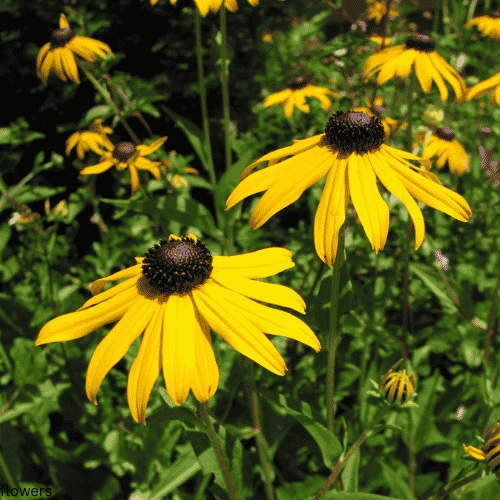
Black-eyed Susans are one of the easiest yellow flowers to grow. They have sunny petals, dark centers, and a wild, natural look that fits cottage gardens, borders, and pollinator beds.
- Low-fuss beauty: These flowers bloom for a long stretch and handle heat better than many delicate plants. Once settled, they need less attention than fussier flowers.
- Easy word meaning: Black-eyed Susans are often called perennials in Zones 3-9. Perennial means the plant comes back again after winter, like it took a nap and woke up in spring.
Plant them in a sunny spot with well-drained soil. If you want bright color that keeps showing up year after year, this is a smart pick.
3. Daylilies For Busy Gardeners
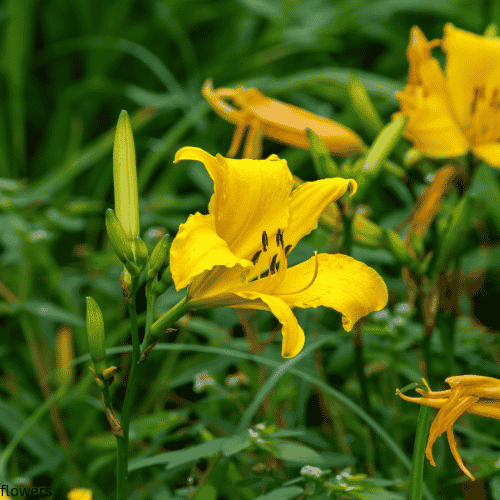
Yellow daylilies are a smart pick if you want color without a lot of work. They come back each year and handle heat, cold, and average soil with very little fuss. That makes them a favorite for real-life gardens, not just picture-perfect ones.
Why They Keep Winning
A clump is just a bunch of plants growing close together, like friends standing shoulder to shoulder. Daylilies form clumps over time, so one plant can turn into a fuller patch of blooms. That helps beds look rich and filled in.
Where They Grow Best
Most yellow daylilies grow well in Zones 3-9. Give them sun for the best flower show, though many can still manage in light shade. If your schedule is packed, this flower works with you, not against you.
4. Daffodils For Spring Cheer
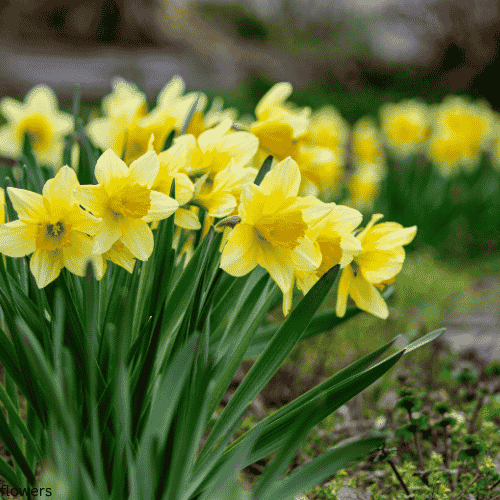
Daffodils are often the first yellow flowers to brighten a garden after winter. Their clean shape and sunny color feel fresh when everything else still looks sleepy. They are cheerful, simple, and easy to love.
Daffodils
- Bulbs: A bulb is like a sleepy plant package under the ground. It stores what the plant needs, then wakes up when the season is right.
- Best season: Daffodils shine in early spring, so they give you color before many other plants start.
- Zones: Most varieties grow well in Zones 3-8, which covers a large part of the country.
Plant them in fall, then let winter do its job. In spring, they pop up like a promise that warmer days are close.
5. Coreopsis For Long Blooming Beds
If you want yellow flowers that keep showing up, coreopsis deserves a spot in your garden. This plant loves sunny beds and often blooms much longer than people expect. The flowers are lighter and airier than sunflowers, so they fit well in borders, cottage gardens, and mixed beds.
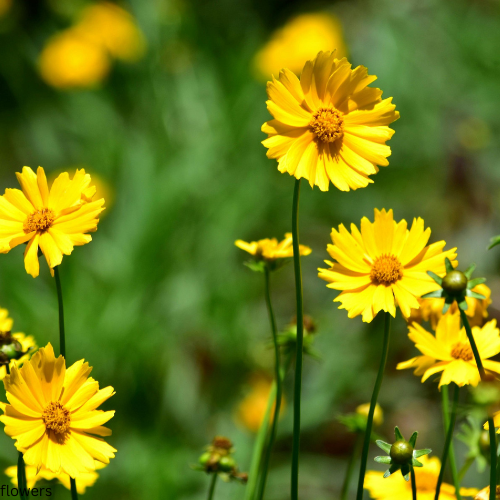
One helpful word to know is deadheading. It simply means taking off old flowers after they fade. Think of it like cleaning up a tired plant so it can put energy into making more blooms instead of seeds.
Most coreopsis types are hardy in Zones 4-9. Give them sun and decent drainage, then trim off spent flowers now and then. That small habit can keep the yellow going for weeks.
6. Marigolds For Pest-Prone Spaces
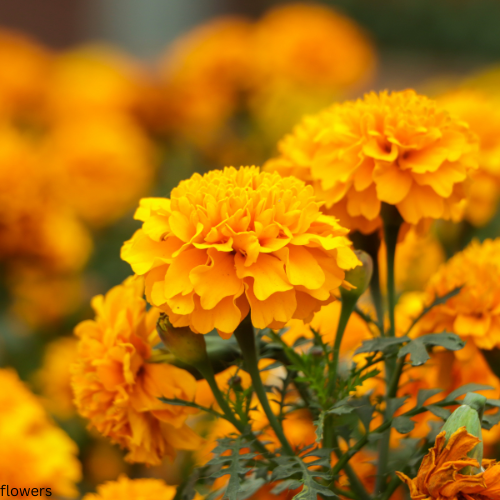
Marigolds bring bold yellow and gold shades that stand out right away. Gardeners often plant them near tomatoes, peppers, and other vegetables because they are easy to grow and fit almost anywhere.
Why Vegetable Beds Love Them
- Annual: An annual is a plant that grows for one season, then finishes its life. You plant it, enjoy it, and start fresh next year.
- Flexible growing range: Marigolds can grow in Zones 2-11, so almost any gardener can use them during the warm season.
They also bloom fast, which is a big win if you want quick color. Tuck them along the edge of a garden bed or between vegetables for a bright, useful finishing touch.
7.Yarrow For Dry Sunny Corners
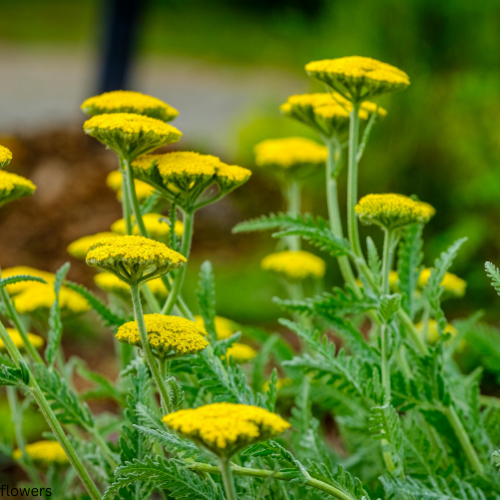
Need a flower for a hard spot? Yellow yarrow is a smart pick for hot, dry corners where other plants struggle. It brings flat clusters of bright blooms and soft, feathery leaves that look neat even in tough weather.
Why It Handles Heat
Yarrow is drought tolerant. That just means it needs less water once it settles in. If your soil dries out fast or your yard gets strong sun all day, this flower keeps going without much fuss.
Where It Grows Best
Yellow yarrow grows well in Zones 3 to 9, so it fits a wide range of climates. It usually blooms in summer and reaches a medium height, which makes it useful in borders or wildflower-style beds.
Plant it in full sun, give it space, and avoid soggy soil. That simple move often leads to stronger stems and longer bloom time.
Quick Zones And Care Table
Picking the right yellow flowers gets easier when you can compare them side by side. This table gives you a fast look at zones, sunlight, height, and bloom time, so you can match each plant to your garden without guessing.
- Use zones first: Zones tell you how much cold a plant can handle. Think of them as a simple weather guide.
- Check sunlight next: Most yellow flowers love full sun, but bloom time and height can change how they fit in your space.
A tall flower can anchor the back of a bed. A shorter one can fill gaps near the edge. This quick chart helps you see that fast.
| Flower | Zones | Sunlight | Height | Bloom Time |
|---|---|---|---|---|
| Sunflower | 2-11 | Full sun | 3-12 ft | Summer to early fall |
| Black-Eyed Susan | 3-9 | Full sun | 2-3 ft | Summer to fall |
| Daylily | 3-9 | Full sun to part sun | 1-4 ft | Late spring to summer |
| Daffodil | 3-8 | Full sun to part sun | 6-20 in | Early to mid spring |
| Coreopsis | 4-9 | Full sun | 1-3 ft | Early summer to fall |
| Marigold | 2-11 | Full sun | 6 in-3 ft | Late spring to frost |
| Yarrow | 3-9 | Full sun | 1-3 ft | Summer |
Picking The Right Yellow Bloom
The best yellow flower is the one that fits your real garden. Start with climate. If winters are cold, check the zones first and rule out anything that will not last.
Next, look at space. Sunflowers need room and height, but daffodils and marigolds can work in smaller spots. Then think about care. Easy-match planting saves stress later.
Daylilies, black-eyed Susans, and yarrow are good picks if you want less work. If you want long color, coreopsis and marigolds keep the show going. A bright garden should feel joyful, not like another chore on your list.
Warp-up
Now you have the full picture of the top 7 yellow flowers worth adding to your garden. Use the table to narrow your choices, then pick two or three that match your sun, space, and weather. That small step can make planning much easier.
Mix early bloomers like daffodils with summer stars like yarrow or sunflowers for longer color. Keep plant care simple at first. A garden that fits your time is more likely to thrive. Save these ideas, come back to the table when you shop, and build a yellow flower garden that looks cheerful from spring through fall.
Last modified: June 5, 2026
