

Flowers fade.
But they don’t have to disappear.
Whether you want to preserve flowers from a wedding, remember a special event, or just extend the life of blooms you love, there are proven methods that work.
Here are 10 Flower Preservation Ideas, the most effective ways to preserve flowers and when to use each one.
1. Pressing Flowers
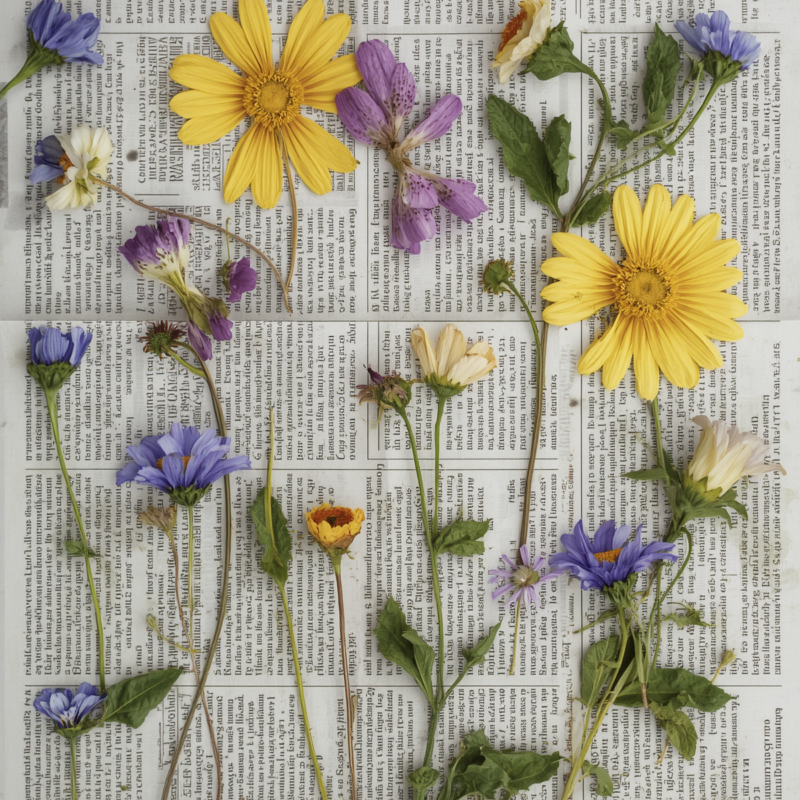
Best for: Thin-petaled flowers (pansies, daisies, forget-me-nots, violets)
What you need: Heavy books, newspaper or parchment paper, flat surface
Steps:
- Pick flowers at peak bloom, ideally on a dry day
- Place newspaper on a flat surface
- Arrange flowers on the paper with petals separated; don’t overlap them
- Fold paper over flowers and place another sheet of newspaper on top
- Close a heavy book over the stack (textbooks work well)
- Leave undisturbed for 2-4 weeks
- Check progress after 2 weeks; if still moist, leave longer
Result: Paper-thin flowers perfect for bookmarks, framed displays, or cards. Pressed flowers last 5+ years when stored away from light.
2. Air Drying
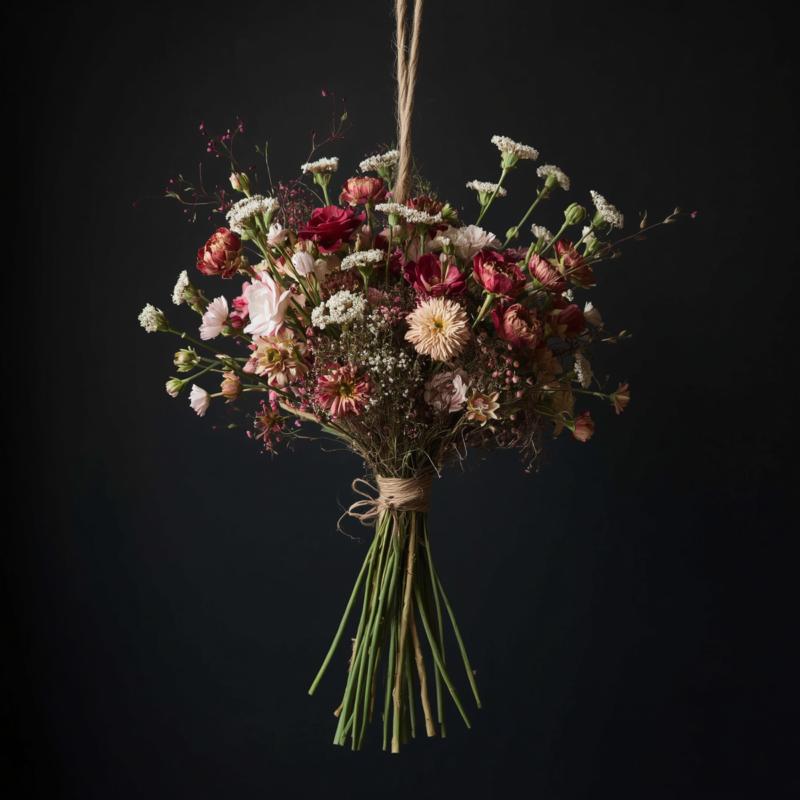
Best for: Hardy flowers (roses, hydrangeas, baby’s breath, statice, celosia)
What you need: Twine or rubber band, dark dry location, patience
Steps:
- Strip leaves from the lower stems (leaves harbor moisture and bacteria)
- Bunch 5-8 stems together
- Tie tightly with twine or rubber band near the base
- Hang upside down in a dark, well-ventilated room (closet, basement, garage)
- Ensure good air circulation but no direct sunlight
- Wait 2-4 weeks until stems are completely brittle
Result: Flowers retain 70-80% of original color. Delicate texture but fragile. Lasts 1-2 years.
Pro tip: Roses dry faster if you remove all foliage below the flower head first.
3. Silica Gel
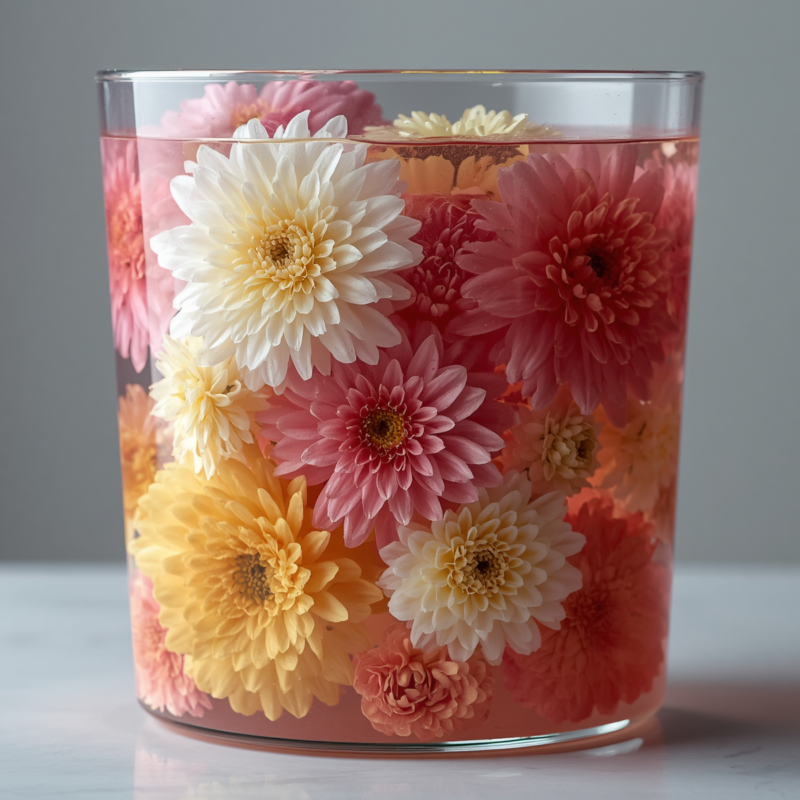
Best for: Delicate or textured flowers (peonies, carnations, zinnias, dahlias)
What you need: Silica gel (food-grade or craft grade), airtight container
Steps:
- Cut flowers to 1-2 inches from the bloom
- Pour 1-2 inches of silica gel into the bottom of a container
- Place flowers face-up on the gel layer
- Carefully pour gel around and over petals until flowers are completely buried
- Seal the container tightly
- Wait 3-7 days (check after 3 days; some flowers dry faster)
- Gently brush away gel with a soft brush
Result: Flowers retain color, shape, and texture best of any method. Lasts 2-3 years.
Cost: Reusable silica gel ($15-30 per bag; lasts for many batches)
4. Glycerin Preservation
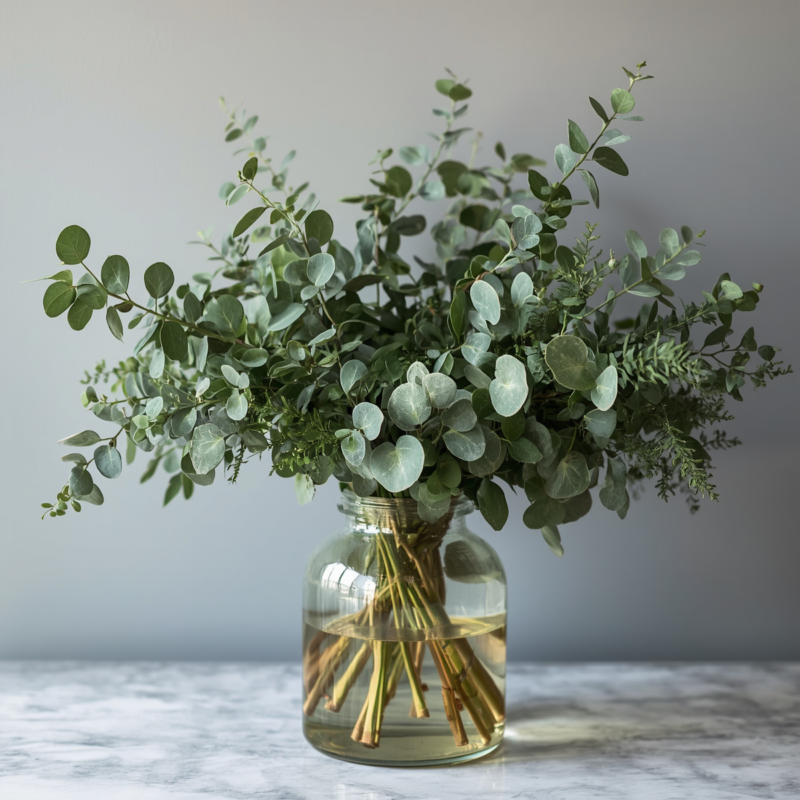
Glycerin Preservation
Best for: Greenery and foliage (eucalyptus, ferns, ivy, palm fronds)
What you need: Glycerin, water, vase or container
Steps:
- Mix 1 part glycerin to 2 parts water
- Cut stems at 45-degree angle
- Place stems in the glycerin mixture
- Leave in a cool room for 1-2 weeks
- Foliage will absorb the liquid and change color (often to bronze or brown tones)
- Remove when color shift completes
Result: Flexible, long-lasting greenery. Lasts 6+ months or longer.
Note: This method works primarily for leaves and branches, not flower petals.
5. Freeze Drying
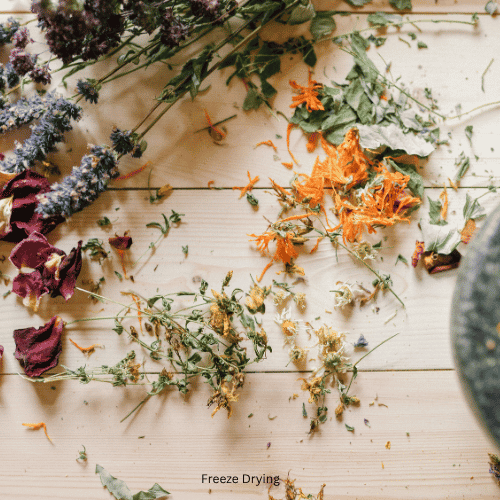
Best for: Any flower (works on all varieties)
What you need: Freeze dryer machine (or professional service)
Process:
- Contact a freeze-dry service (search “freeze dry flowers near me”)
- Submit flowers fresh or overnight shipped
- Service freezes flowers at -40°F, then removes moisture via vacuum
- Receive preserved flowers in 2-4 weeks
Result: Flowers look nearly fresh. Most realistic preservation. Lasts 5+ years.
Cost: $50-150 per arrangement (expensive but worth it for sentimental flowers)
DIY option: Not practical for home use; requires industrial equipment.
6. Wax Coating
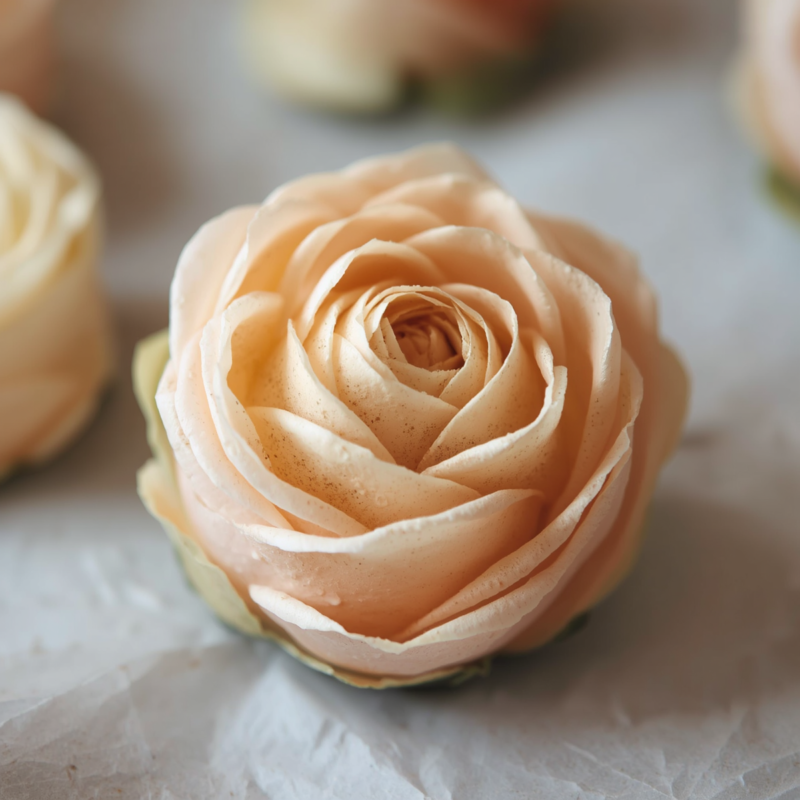
Best for: Individual blooms (roses, ranunculus, hypericum berries)
What you need: Paraffin wax or soy wax, double boiler, heat source
Steps:
- Melt wax in a double boiler to 160-170°F
- Dip flower heads quickly (1-2 seconds) into wax
- Remove and let cool on parchment paper
- Store in a cool, dry place
Result: Flowers look glossy and preserved. Last 6 months to 1 year.
Warning: Requires careful temperature control; too hot damages petals, too cool creates uneven coating.
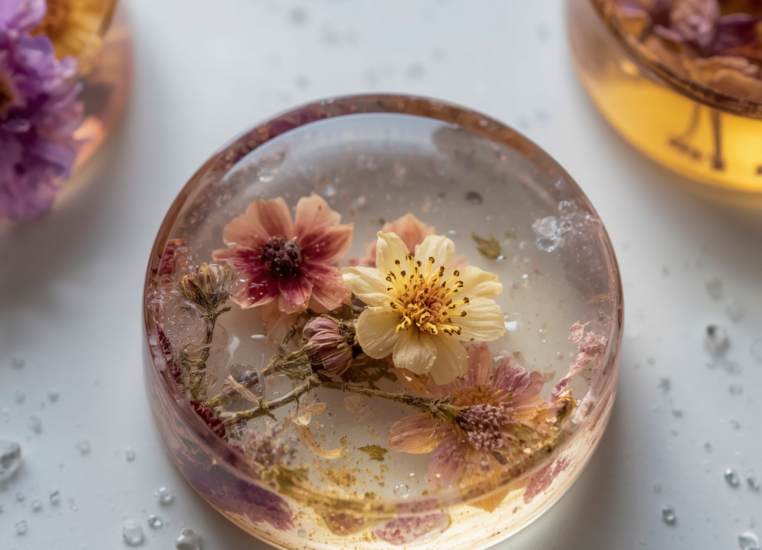
7. Resin Embedding
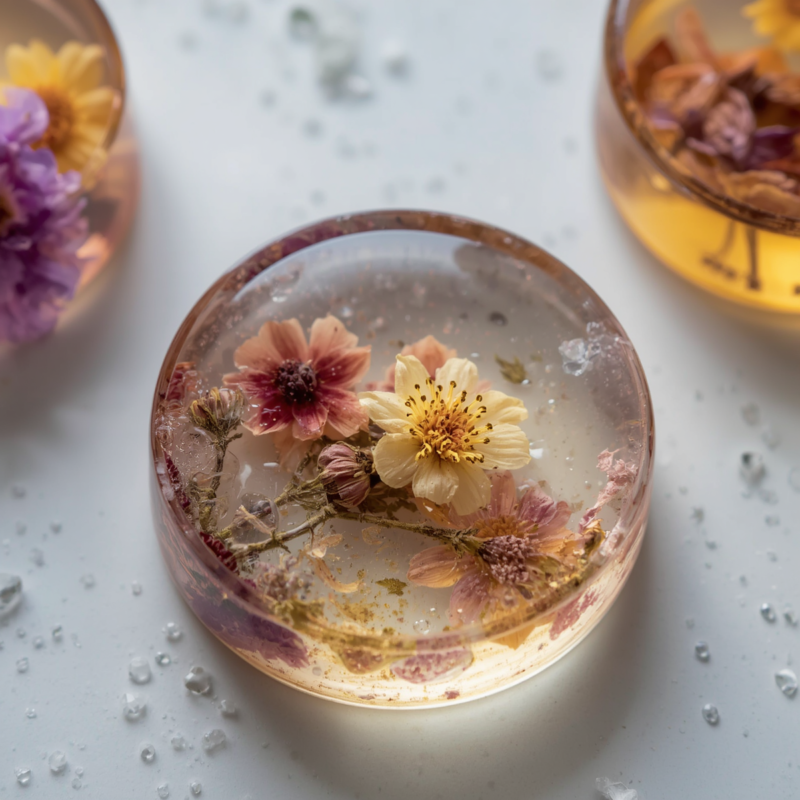
Best for: Individual flowers or small arrangements (for decorative resin jewelry, coasters, or keepsakes)
What you need: Two-part epoxy resin, silicone molds, dried flowers, mixing cup
Steps:
- Dry flowers using silica gel or pressing first
- Mix resin according to package directions
- Pour thin layer of resin into mold
- Place dried flower in mold
- Pour remaining resin over flower
- Remove air bubbles with a toothpick
- Let cure per resin instructions (typically 24 hours)
- Demold finished piece
Result: Transparent preservation. Flowers sealed inside clear resin. Lasts indefinitely.
Best for: Pendants, keychains, bookmarks, coasters.
8. Borax Powder
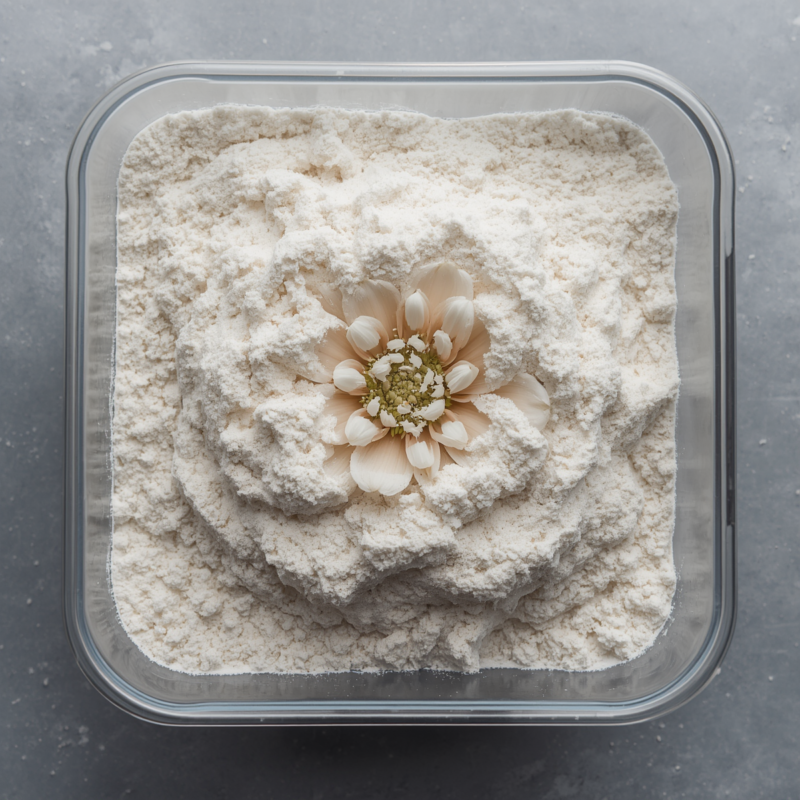
Best for: Delicate flowers (roses, tulips, carnations)
What you need: Borax powder, sand or cornmeal, airtight container
Steps:
- Mix 1 part borax to 3 parts sand (or cornmeal)
- Spread 1-2 inches of mixture in container
- Cut flowers to 1-2 inches from bloom
- Lay flower face-down on mixture
- Cover gently with mixture until flower is buried
- Seal container for 3-7 days
- Gently remove mixture with soft brush
Result: Retains color and shape. Similar quality to silica gel but less expensive. Lasts 1-2 years.
Cost: Borax is cheap ($3-5 per box) and reusable.
9. Vinegar Preservation
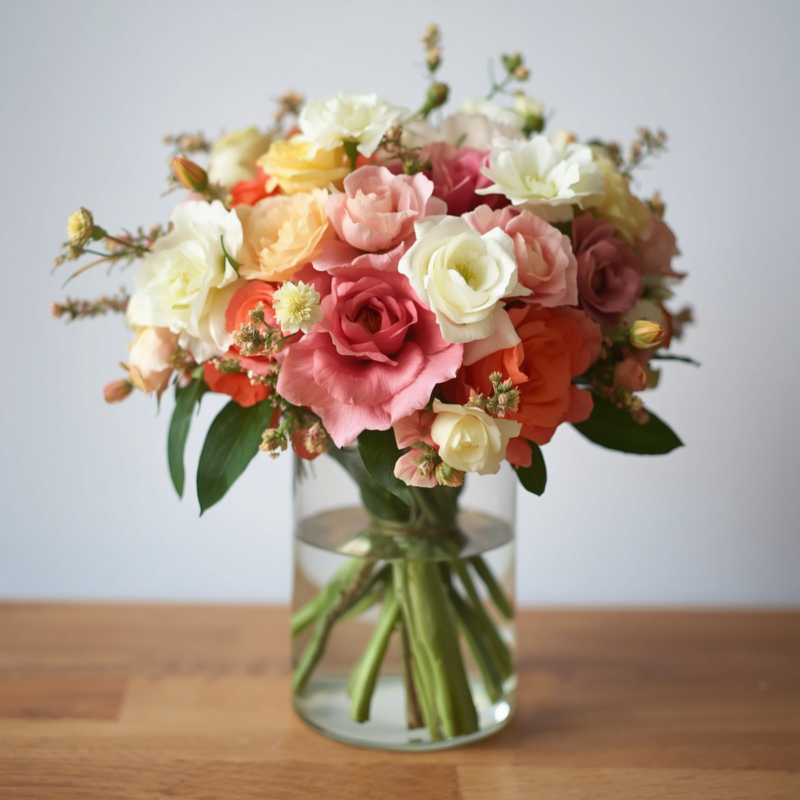
Best for: Cut flowers you want to display for 1-2 weeks (temporary preservation)
What you need: White vinegar, sugar, water, vase
Steps:
- Fill vase with water
- Add 2 tablespoons of white vinegar per quart of water
- Add 1 tablespoon of sugar per quart
- Stir to dissolve
- Place fresh flowers in solution
- Change water every 3 days
- Recut stems every few days
Result: Extends fresh flower life by 1-2 weeks. Not a long-term method – flowers eventually decompose.
Best for: Fresh arrangements you enjoy while they’re still vibrant, not a permanent solution.
10. Hairspray Sealing
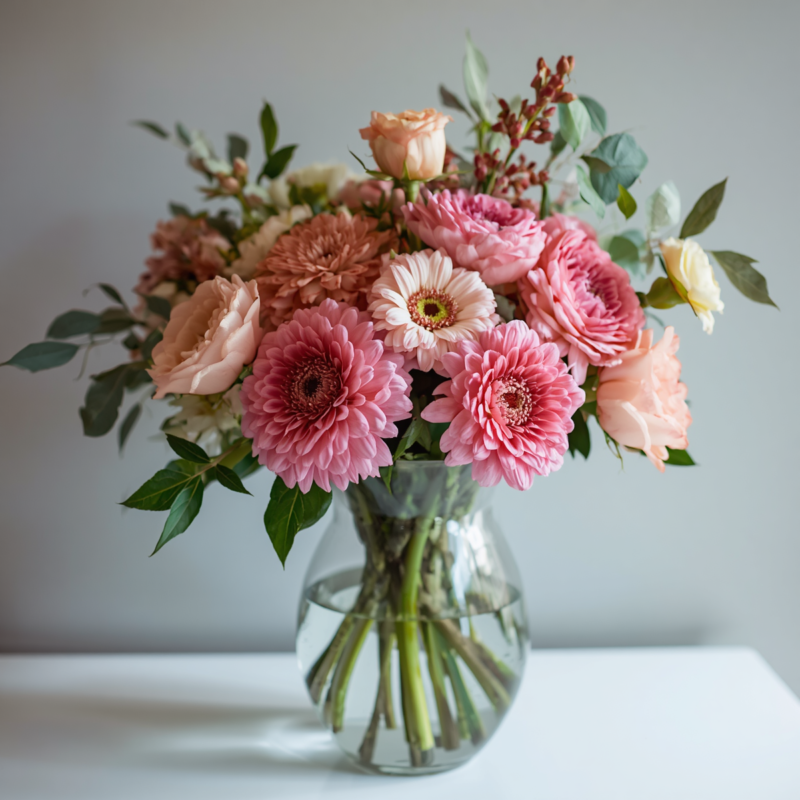
Best for: Quick preservation of fresh flowers (temporary, 1-2 weeks)
What you need: Clear hairspray, fresh flowers
Steps:
- Allow flowers to fully open
- Hold flower stem pointing down
- Spray light coating of hairspray over petals
- Let dry completely (30 minutes)
- Optional: spray a second light coat
- Display in a vase with water
Result: Slows petal drop and maintains appearance for 1-2 weeks. Keeps petals from falling. Not waterproof.
Best for: Flowers in vases when you want them to look fresh longer without full preservation.
Quick Comparison Table
| Method | Best Flowers | Longevity | Cost | Difficulty | Appearance |
|---|---|---|---|---|---|
| Pressing | Thin petals | 5+ years | $0 | Easy | Flat, delicate |
| Air drying | Hardy blooms | 1-2 years | $0 | Easy | Natural, textured |
| Silica gel | Delicate flowers | 2-3 years | $5-10 | Easy | Excellent color |
| Glycerin | Greenery | 6+ months | $5-10 | Easy | Bronze/brown tones |
| Freeze drying | Any flower | 5+ years | $50-150 | None (professional) | Nearly fresh |
| Wax coating | Individual blooms | 6-12 months | $5-10 | Moderate | Glossy, sealed |
| Resin embedding | Small blooms | Indefinite | $15-30 | Moderate | Transparent, sealed |
| Borax powder | Delicate flowers | 1-2 years | $3-5 | Easy | Good color retention |
| Vinegar solution | Fresh flowers | 1-2 weeks | $1-2 | Very easy | Fresh appearance |
| Hairspray | Any fresh flower | 1-2 weeks | $3-5 | Very easy | Fresh, slightly stiff |
Choosing Your Method
For wedding flowers or sentimental blooms: Freeze drying (best quality) or silica gel (good quality, lower cost)
For crafts or jewelry: Resin embedding or pressing
For long-term display: Air drying (roses, hydrangeas) or silica gel (delicate flowers)
For greenery only: Glycerin preservation
For quick, temporary preservation: Hairspray or vinegar solution
For pressed keepsakes: Pressing or borax powder
Storage Tips for Preserved Flowers
Once preserved, storage matters. Follow these rules to extend life:
- Keep dry: Moisture ruins dried flowers. Store in airtight containers or glass domes
- Avoid direct sunlight: UV light fades colors. Display in indirect light
- Maintain cool temperature: Heat accelerates degradation. Avoid warm rooms or near heat sources
- Use silica packets: Place silica gel packets in storage containers to absorb any ambient moisture
- Seal arrangements: Once arranged, display under glass or in sealed cases when possible
Common Mistakes to Avoid
- Harvesting at wrong time: Pick flowers at peak bloom, not wilted. Early morning after dew dries is ideal
- Leaving leaves on stems: Leaves trap moisture and cause mold. Always remove foliage before drying
- Storing in humidity: Moisture is the enemy. Never store preserved flowers in basements or bathrooms
- Bunching too many stems: Crowding prevents even drying. Keep bunches to 5-8 stems maximum
- Using colored hairspray or wax: Stick to clear products; colored ones change flower appearance
- Exposing to heat: Ovens and microwaves damage flowers. Use room-temperature methods unless specified
Final Thoughts
Preserving flowers gives you a tangible way to hold onto moments. Whether you’re preserving your wedding bouquet, flowers from a loved one’s grave, or just blooms from your garden, the method you choose depends on your timeline, budget, and how you plan to use the preserved flowers.
Start with the method that matches your flowers and your resources. Many of these techniques require nothing more than books, rubber bands, or items already in your home.
Last modified: July 21, 2026
