

Clay soil can feel like a gardener’s enemy. It may stay sticky after rain, become hard when dry, and drain slowly enough to make some plants struggle. But clay is not useless soil. In fact, it often holds nutrients better than sandy soil. The key is choosing plants that can tolerate heavier ground and improving the bed gradually instead of trying to change everything in one afternoon.
The best flowers for a cottage garden in clay soil are plants that combine toughness with a loose, informal appearance. Cottage gardens look best when flowers grow in generous groups, spill toward paths, and bloom at different heights. You do not need perfect soil or a perfectly symmetrical design. You need a thoughtful mix of plants that can handle your conditions.
Start by Understanding Your Clay Soil
Before buying flowers, watch how water behaves in the planting area.
Dig a hole about 12 inches deep and fill it with water. Let it drain, then fill it again. If water remains for several hours, the area may have poor drainage. If the soil is workable but dense, it may simply need organic matter and better planting habits.
Avoid walking across wet clay soil. Foot traffic compresses the tiny spaces between soil particles, making drainage worse. Create a narrow path through the bed so you can reach plants without stepping on the root zone.
Improving clay soil takes time. Add compost, leaf mold, or well-rotted organic matter to the top several inches each season. Do not add sand by itself. In heavy clay, a small amount of sand can create a dense, concrete-like mixture instead of improving drainage.
Best Flowers for a Cottage Garden in Clay Soil
1. Daylilies
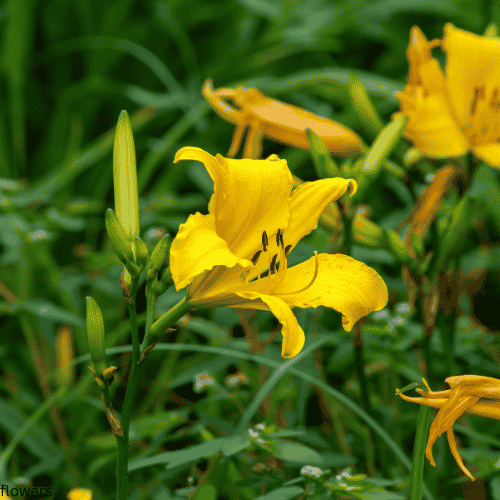
Daylilies are among the most forgiving perennial flowers for difficult garden beds. They tolerate a range of soils, handle heat, and return reliably each year. Their strappy foliage also gives the garden structure before and after flowering.
Plant daylilies in groups of three or more for a fuller cottage-garden effect. They work well toward the middle or back of a border, depending on the variety. Remove spent flowers to keep the plants looking neat, but do not worry if you miss a few.
Choose varieties based on mature height and bloom time. Early, midseason, and reblooming types can help spread color across summer.
2. Coneflowers
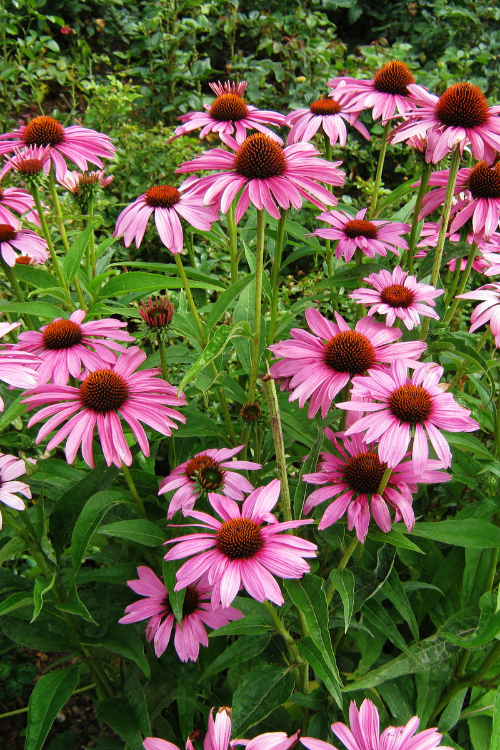
Coneflowers bring sturdy stems, daisy-shaped flowers, and useful height. Purple coneflower is familiar, but cultivars may also bloom in white, pink, orange, or yellow.
They prefer reasonably well-drained soil, so plant them in a raised portion of the bed or amend the soil with compost if your clay remains wet. Once established, they handle dry spells better than many delicate cottage flowers.
Leave some seed heads standing in fall and winter. They add texture and may provide food for birds.
3. Black-Eyed Susans
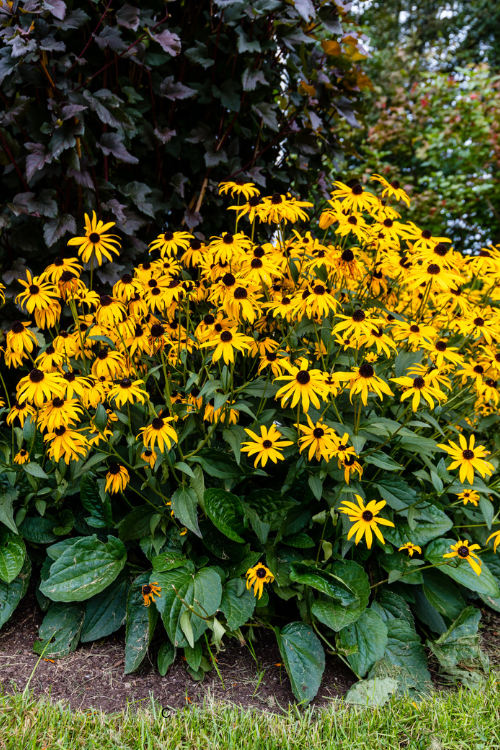
Black-Eyed Susans
Black-eyed Susans are excellent for a sunny cottage border. Their golden petals brighten heavy soil, and their dark centers create a strong visual contrast with blue, purple, or white flowers.
Plant them toward the middle or back of the bed. They spread gradually and can create a generous patch without requiring constant attention. Divide crowded clumps in spring or early fall if flowering begins to decline.
Their warm color pairs especially well with lavender, catmint, salvia, and white yarrow.
4. Bee Balm
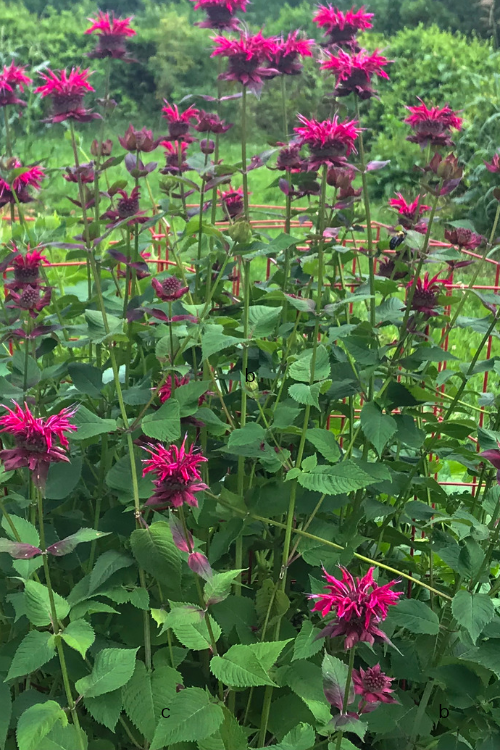
Bee balm adds height, fragrance, and unusual flowers that look at home in an informal garden. Depending on the variety, blooms may be red, pink, lavender, or white.
Give bee balm good air circulation. Dense, damp conditions can encourage powdery mildew. Avoid planting it where air is trapped between a wall and a crowded border. Divide older clumps when the center becomes thin.
Bee balm looks attractive near a path or seating area because its flowers create movement and bring pollinating insects into view.
5. Garden Phlox
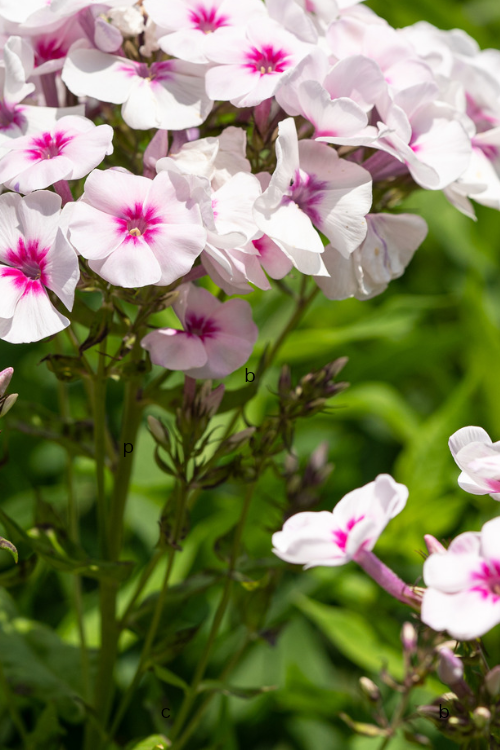
Garden phlox produces tall clusters of flowers in midsummer. It is a classic choice for a layered cottage garden because it adds vertical interest without looking stiff.
Choose a planting location with morning sun and good air movement if possible. Water at the soil surface rather than wetting the foliage every evening. A layer of mulch can help keep the root zone evenly moist.
Use phlox as a background plant behind lower flowers such as catmint, dianthus, or lady’s mantle.
6. Yarrow
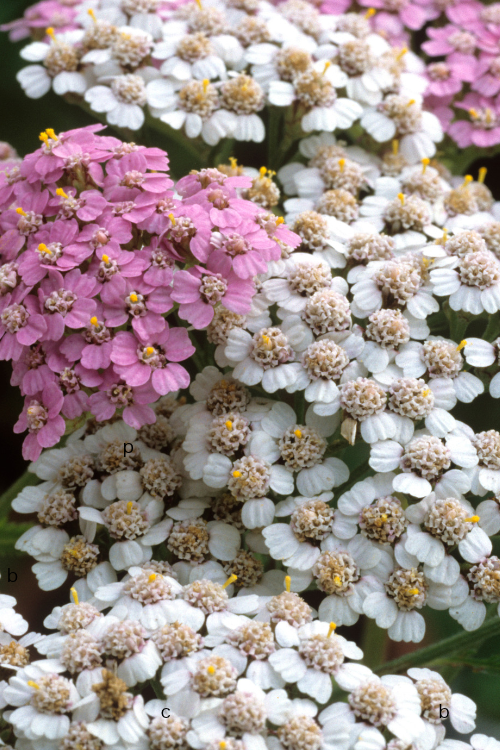
Yarrow is a tough, long-blooming plant that handles ordinary soil and dry conditions once established. Its flat flower heads are useful for breaking up rounded flower shapes.
White yarrow gives a soft, traditional look, while yellow, pink, and red cultivars create stronger color combinations. Cut the first flush of flowers after blooming to encourage a fresh display later in the season.
Yarrow can spread, so give it room or select a more compact variety for a small border.
7. Hardy Geraniums
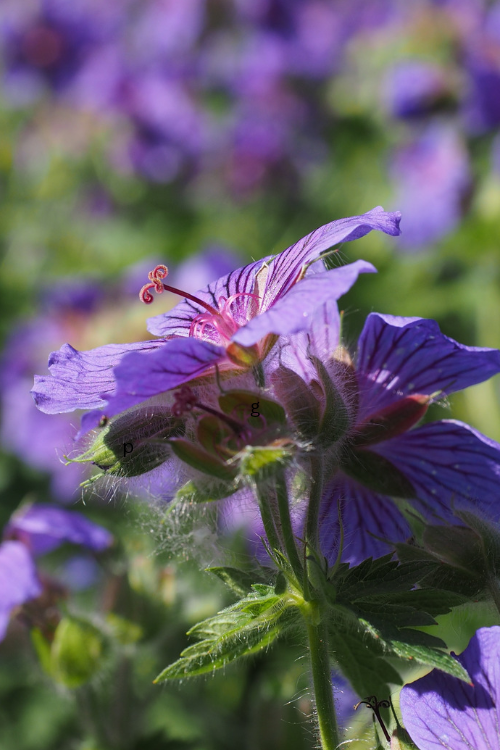
Hardy geraniums are not the same as the annual bedding plants often sold as geraniums. These perennial types form low mounds and produce many small flowers.
They are useful at the front of a cottage border, where their foliage can soften the edge of paths and stones. Many tolerate partial shade, although flowering is usually stronger with several hours of sunlight.
Cut the foliage back after the first flush if it begins to look tired. Many varieties produce fresh leaves and additional flowers afterward.
8. Catmint
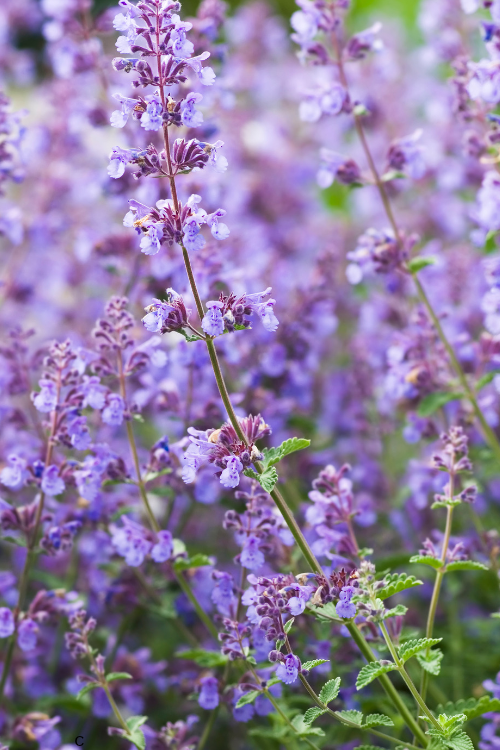
Catmint is a valuable cottage-garden plant because it offers gray-green foliage, long spikes of purple-blue flowers, and a relaxed shape. It handles dry conditions once established and works well at the front of a sunny border.
Cut it back after flowering to encourage a second flush. Catmint combines beautifully with roses, yellow flowers, and silver-leaved plants.
If neighborhood cats are attracted to it, choose a location where occasional rolling will not damage nearby plants.
9. Hollyhocks
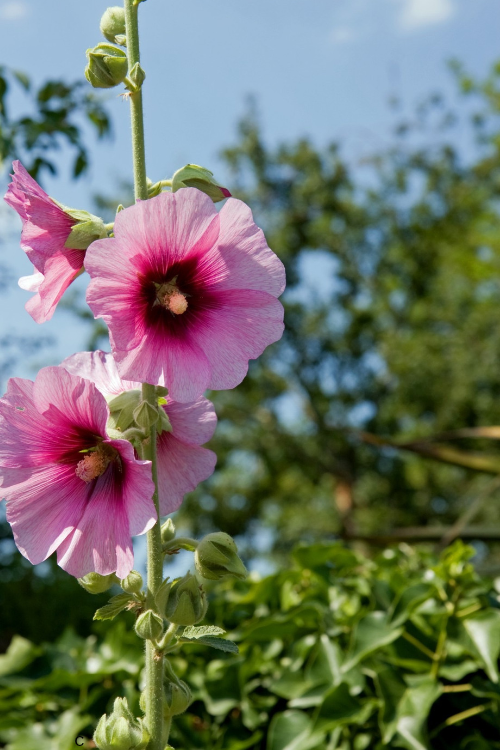
Hollyhocks provide the tall, old-fashioned look many people want from a cottage garden. They are especially effective along fences, walls, and the back of a border.
Because they can become top-heavy, plant them where they have support from a fence or other sturdy structure. Good air circulation helps reduce disease problems. Remove heavily affected leaves and avoid overhead watering late in the day.
Hollyhocks are often short-lived perennials or biennials, but they may reseed in a suitable garden.
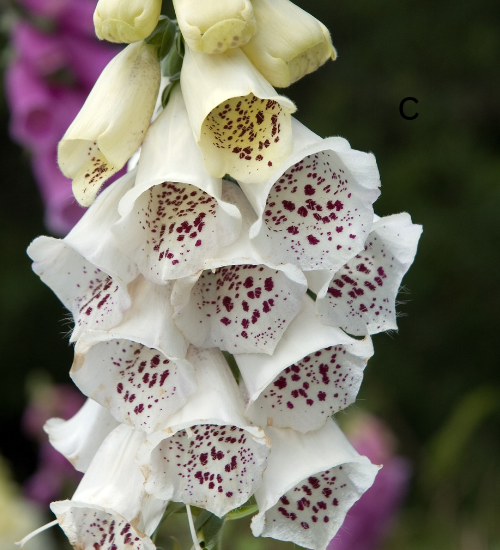
10. Foxgloves
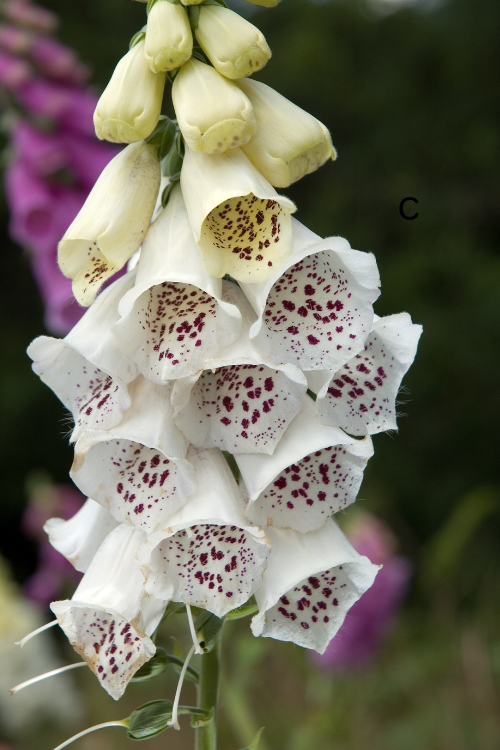
Foxgloves add tall flower spires and a woodland-cottage feeling. They prefer rich, moisture-retentive soil and can perform well in clay if the bed does not remain waterlogged.
Use foxgloves toward the back of the border. Their flower spikes look especially attractive among ferns, hostas, roses, and softer ground-level plants.
Important: foxgloves are poisonous if eaten. Avoid them in gardens where children or pets may chew plant material.
Annual Flowers That Handle a Cottage-Garden Setting
Perennials provide structure, but annuals fill gaps while young plants become established.
Cosmos
Cosmos produce airy foliage and daisy-like blooms. They prefer sun and may flop in overly rich soil, so avoid excessive fertilizer. Use them to create height without making the border feel heavy.
Zinnias
Zinnias provide bold color and are useful for both gardens and bouquets. Improve drainage before planting, and water at the base to keep the foliage healthier.
Marigolds
Marigolds are easy to grow and useful around vegetable gardens or along the front of a flower border. Their warm colors work well with blue, purple, and white flowers.
Sweet Alyssum
Sweet alyssum forms a low edge and produces small, fragrant flowers. It is useful between stepping stones or along the front of a border, especially where taller plants need a soft transition.
A Simple Cottage-Garden Planting Plan
| Garden layer | Suitable flowers | Purpose |
|---|---|---|
| Back | Hollyhock, garden phlox, bee balm | Height and privacy |
| Middle | Coneflower, daylily, black-eyed Susan, yarrow | Main color and structure |
| Front | Catmint, hardy geranium, sweet alyssum | Soft edges and ground-level interest |
| Seasonal fillers | Cosmos, zinnias, marigolds | Quick color while perennials establish |
Repeat several plants instead of buying one of everything. A cottage garden can look relaxed without becoming visually chaotic. For example, use three patches of catmint, two groups of coneflowers, and a repeated line of hardy geraniums.
How to Plant in Heavy Clay
Work the soil when it is moist but not wet. If it sticks heavily to your shovel, wait a few days.
Add compost across the entire bed rather than placing a small pocket of improved soil in each planting hole. A tiny pocket can hold water around the roots while the surrounding soil remains dense.
Plant slightly high if the area drains slowly. The crown of the plant should sit at the same level as, or just above, the surrounding soil. Water deeply after planting, then allow the surface to dry slightly according to the plant’s needs.
Apply mulch around, not directly against, the stems. Mulch helps reduce crusting, protects roots, and improves the soil as it breaks down.
Common Mistakes to Avoid
- Planting moisture-sensitive flowers in the lowest part of the yard
- Working clay when it is saturated
- Adding sand without organic matter
- Overfertilizing plants that already grow vigorously
- Ignoring mature plant size
- Planting every flower in a straight line
- Watering frequently but shallowly
- Choosing flowers without checking sunlight and winter hardiness
Final Thoughts
The best flowers for a cottage garden in clay soil are not necessarily rare or delicate. They are dependable plants that can handle the garden’s natural conditions while contributing color, texture, and seasonal rhythm.
Improve the soil gradually, choose plants for the amount of sun and moisture available, and repeat a few favorites throughout the border. With time, even a heavy clay bed can become a generous, flower-filled garden that feels natural rather than overdesigned.
Last modified: October 26, 2026
