

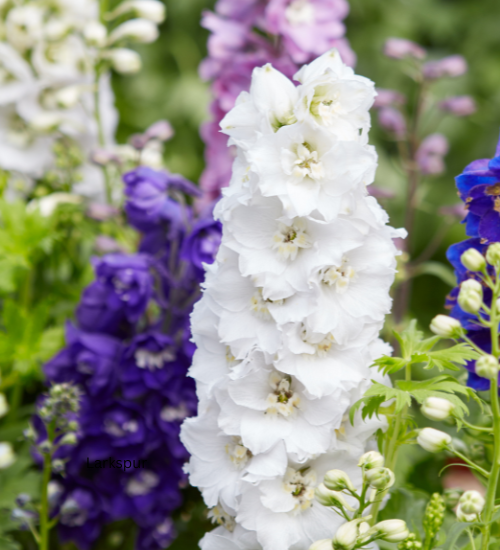
A cottage garden should feel generous rather than perfectly controlled. Flowers spill over paths, colors blend together, and a few unexpected seedlings appear in places you never planned to plant. That relaxed look is one reason gardeners enjoy self-seeding annual flowers for a cottage garden.
These plants produce flowers during one growing season, then drop seeds that may sprout the following year. Some return reliably in the same spot. Others move around the garden, creating small surprises between established perennials, herbs, shrubs, and paths.
Self-seeding does not mean completely maintenance-free. You still need to prepare the soil, thin crowded seedlings, and remove plants that appear in inconvenient places. The goal is not to let the garden become wild and unmanageable. It is to create a planting style that looks natural while reducing the amount of seed sowing you need to do every spring.
How self-seeding flowers work
Annual flowers complete their life cycle in one season. They germinate, grow, bloom, produce seed, and eventually die back. If the seed lands in a suitable location, new plants may appear the next year.
Reseeding depends on several factors:
- The flower must produce mature seed.
- The seed needs to fall onto soil rather than thick mulch.
- Moisture and temperature must be suitable.
- Young plants must survive winter or sprout at the right time.
- The variety must be adapted to your climate.
A plant that reseeds heavily in one garden may barely return in another. This is why it helps to observe your own site instead of expecting identical results from every garden.
1. Calendula
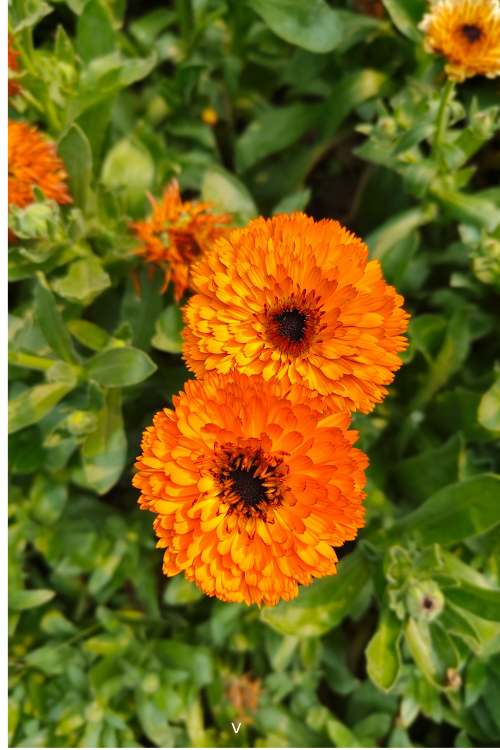
Calendula, sometimes called pot marigold, is one of the most useful self-seeding annual flowers for a cottage garden. Its cheerful yellow and orange flowers brighten cool spring and autumn weather, and the plants are easy to recognize when young.
Calendula often drops curved, unusual-looking seeds around the parent plant. Allow some flowers to remain on the plant after they fade if you want reseeding. You can remove the rest to keep the display tidy.
Plant calendula in:
- Full sun or light afternoon shade
- Moderately fertile, well-drained soil
- Borders, vegetable gardens, and informal beds
Calendula is especially attractive when planted near blue flowers such as borage or forget-me-nots.
2. Cosmos
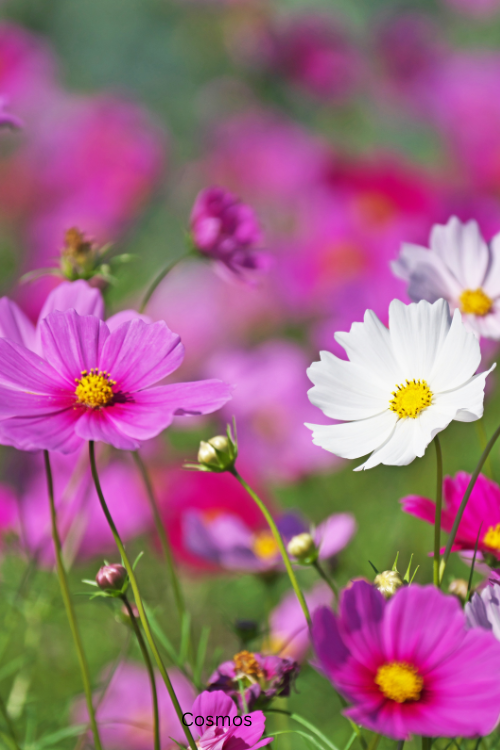
Cosmos creates airy height without making a cottage border feel heavy. The finely divided foliage gives the plant a soft appearance, while the daisy-like flowers rise above shorter plants.
Cosmos usually performs best in full sun and soil that is not excessively rich. Too much nitrogen can encourage foliage at the expense of flowers. Leave a few faded blooms on the plant at the end of the season so mature seeds can fall naturally.
Because cosmos can grow tall, place it toward the middle or back of a border. Stake plants only if wind is a problem; a little movement often suits the cottage-garden style.
3. Nigella

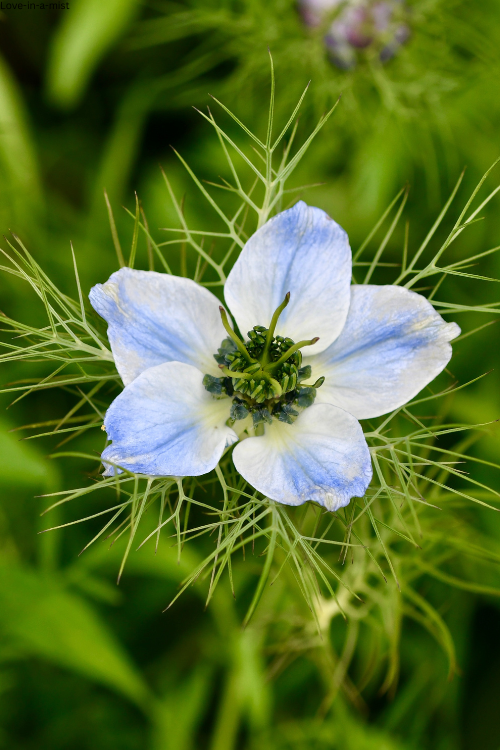
Nigella is valued for both its delicate flowers and its decorative seed pods. The blue, white, or pink blooms appear among fine, thread-like foliage, giving the plant a light, almost floating appearance.
It is best sown directly where you want it to grow because it does not always appreciate root disturbance. Once established, nigella may reseed around paths, gravel areas, and the edges of flower beds.
The seed pods can also be cut for fresh arrangements or left standing for autumn interest. If you want more seedlings, avoid removing every pod.
4. Larkspur
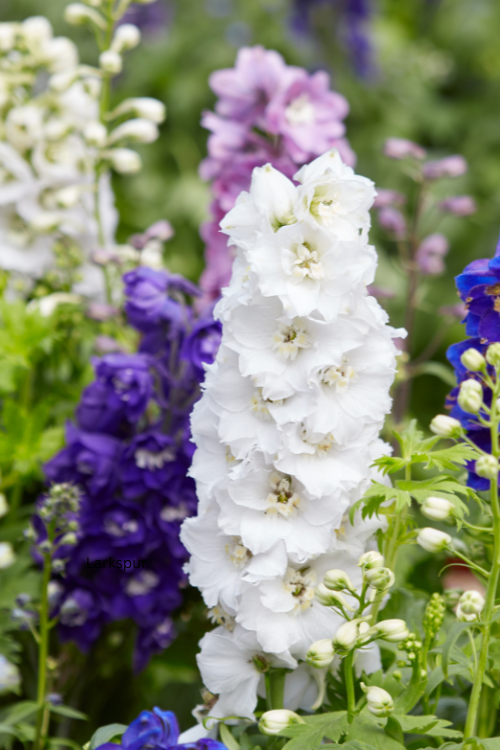
Larkspur produces tall spikes of flowers in shades of blue, purple, pink, and white. It is particularly effective when repeated in small groups rather than planted as one solid block.
The seedlings can be delicate, so avoid disturbing the soil too heavily around mature plants. Larkspur is poisonous if eaten, which means it should be kept away from children and pets who may chew garden plants.
Use it behind lower flowers such as calendula, violas, or sweet alyssum. Its vertical shape helps prevent an informal garden from becoming visually flat.
5. California poppy
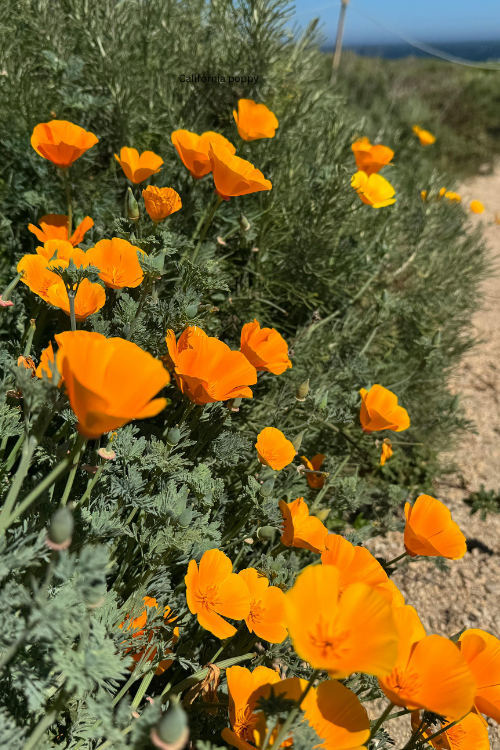
Self-Seeding Annual Flowers for a Natural Cottage Garden
California poppy thrives in sunny, well-drained conditions and is particularly useful for dry or gravelly parts of a cottage garden. Its orange, yellow, cream, or pink flowers open in bright weather and close during dull conditions.
Allow some seed pods to dry on the plant before cutting them back. The plant often reseeds best where the soil is lightly disturbed and not covered with a thick layer of mulch.
It is a good choice for:
- Gravel gardens
- Sunny path edges
- Sloping beds
- Low-water borders
6. Cornflower

Cornflower brings clear blue color to a mixed annual border. It has a loose, natural shape that pairs well with poppies, grasses, daisies, and herbs.
The plant can reseed readily if spent flowers remain long enough to produce seed. To encourage a continuous display, allow some flowers to mature while deadheading others.
Cornflower stems are also useful for bouquets, although they are more delicate than sturdier cut flowers such as zinnias or chrysanthemums.
7. Sweet alyssum
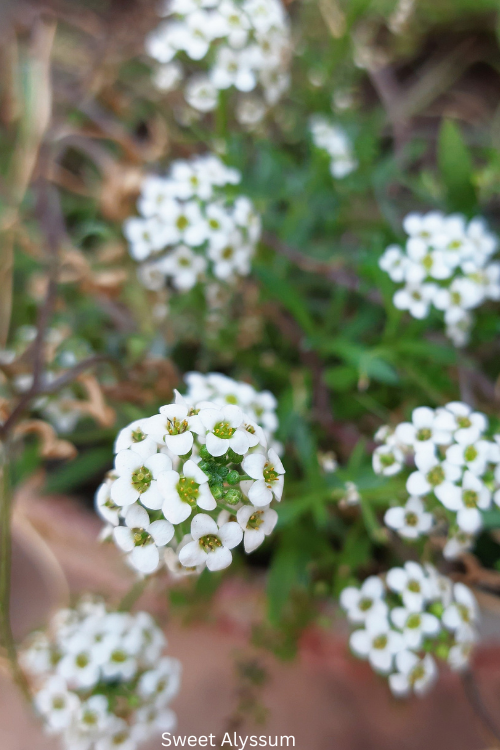
Sweet alyssum stays low and forms a soft edge along paths, containers, and raised beds. Its tiny white, pink, or purple flowers are useful for filling gaps beneath taller plants.
It can reseed in mild climates, particularly where the soil surface remains open. Because the plant is small, it may be overwhelmed by aggressive neighbors. Mark its location or protect seedlings during early growth.
Use sweet alyssum around roses, vegetables, or taller annuals to create a more finished transition between plants and pathways.
8. Cleome
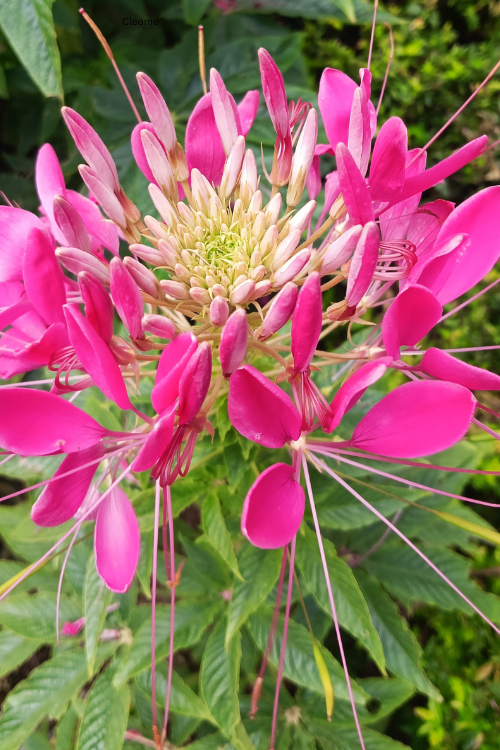
Cleome, sometimes called spider flower, adds height and an unusual texture. It produces flowers at the top of tall stems, followed by slender seed pods.
Cleome can reseed strongly in warm climates. Give it enough room because mature plants may become broad. It works best at the back of an informal border or beside a fence.
The young seedlings can be mistaken for weeds, so learn what they look like before spring growth begins.
9. Nicotiana
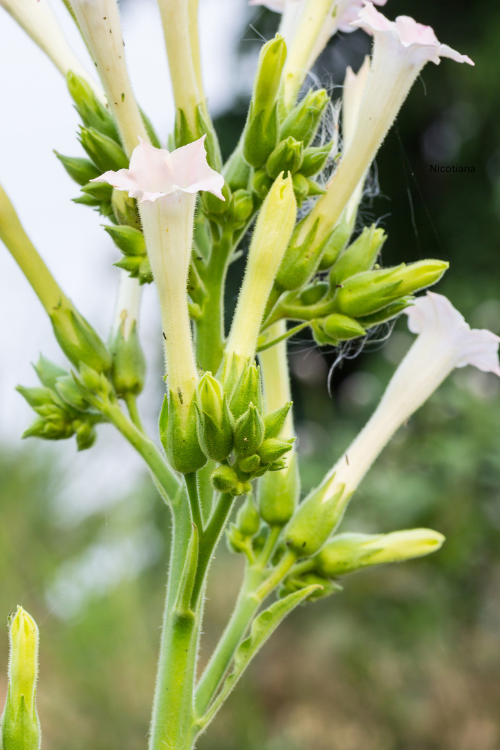
Flowering tobacco produces star-shaped blooms and can add evening fragrance to a seating area. White varieties are particularly visible at dusk, while pink and lime-green cultivars blend well with colorful borders.
Nicotiana prefers fertile soil and regular moisture. Some varieties reseed, although modern hybrids may be less reliable than open-pollinated types.
Always check the plant label and keep it away from children and pets because ornamental tobacco is poisonous if eaten.
10. Love-in-a-mist
Self-Seeding Annual Flowers for a Natural Cottage Garden
Love-in-a-mist is another name commonly used for nigella, but some gardeners grow several related forms and cultivars under this group. The plant is prized for its airy foliage, blue flowers, and unusual seed pods.
It is particularly effective when allowed to weave between other plants rather than grown in a strict row.
How to control self-seeding
A garden full of seedlings can become crowded quickly. Use these simple controls:
| If you want… | Try this |
|---|---|
| More seedlings | Leave mature seed heads in several areas |
| Fewer seedlings | Deadhead before seeds fully develop |
| Plants in one location | Cut and scatter seed only where desired |
| A tidy path edge | Remove seedlings from paving and walking areas |
| Stronger plants | Thin seedlings early |
| A natural appearance | Keep small groups rather than isolated plants |
Avoid turning the soil deeply every year. Heavy digging can bury seeds too deeply or disturb seedlings that are already growing.
Final planting advice
Choose two or three reseeding annuals to start rather than adding ten at once. Calendula, cosmos, and cornflower make a forgiving combination for many gardens. Add nigella or poppies when you want more delicate texture.
The best self-seeding annual flowers for a cottage garden are not necessarily the most aggressive ones. Choose plants that fit your climate, soil, available light, and preferred level of maintenance. Leave a few seed heads, observe where seedlings appear, and edit the display as the seasons change.
A successful cottage garden is not abandoned to chance. It is gently guided. Let the plants create some of the design, then step in when they need direction.
Last modified: October 21, 2026
