

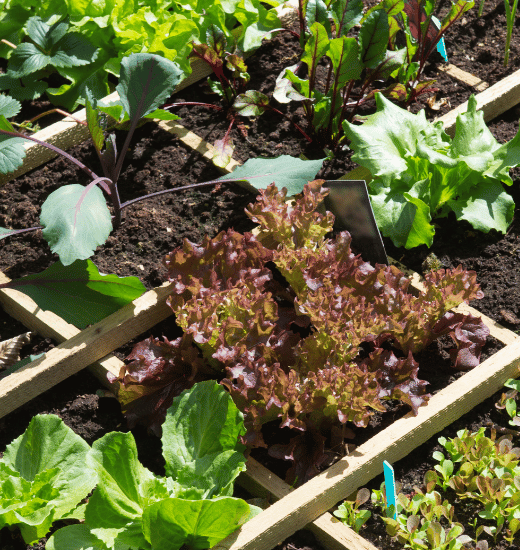
Starting an organic vegetable garden can seem difficult when you have never grown food before. You may wonder which vegetables to plant, how much space you need, what type of soil to use, and how to control pests without harsh chemicals.
The good news is that you do not need a large backyard or years of gardening experience. A small garden with a few easy vegetables can teach you the basics and provide fresh produce throughout the growing season.
Organic gardening focuses on building healthy soil, choosing suitable plants, using natural pest control, and avoiding synthetic pesticides and fertilizers. With a simple plan and regular care, beginners can grow a productive garden without making the process complicated.
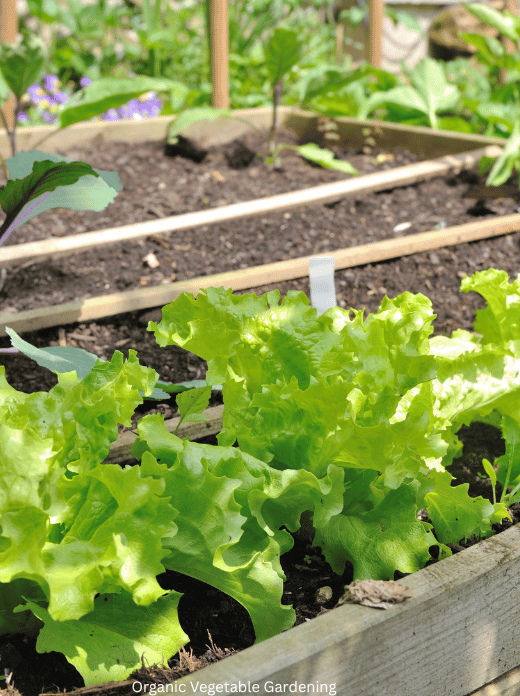
What Is Organic Vegetable Gardening?
Organic vegetable gardening is a method of growing food while working with natural soil and plant systems. Instead of depending on synthetic chemicals, organic gardeners improve the soil with compost, protect plants with mulch, and manage pests through prevention and natural controls.
Organic gardening often includes:
- Compost and aged manure
- Natural mulch
- Crop rotation
- Companion planting
- Hand-picking pests
- Organic-approved fertilizers
- Native flowers for pollinators
- Healthy soil organisms
- Careful watering
- Nonchemical weed control
Organic does not mean the garden will require no work. It means the gardener chooses methods that support long-term soil health and reduce unnecessary chemical use.
1. Choose the Best Location
Most vegetables need at least six to eight hours of direct sunlight each day. Before creating a garden, watch your yard for a full day and notice which areas receive the most sunlight.
Choose a location that:
- Gets plenty of direct sunlight
- Has access to water
- Drains well
- Is easy to reach
- Is protected from strong wind
- Has not been treated with harmful chemicals
- Is close enough to your home for regular care
Leafy greens such as lettuce and spinach can tolerate some shade, but tomatoes, peppers, cucumbers, squash, and beans usually need more sunlight.
A garden that is visible from the house is easier to monitor. If you can see it from a kitchen window or frequently used path, you are more likely to notice weeds, pests, and watering needs early.
2. Start With a Small Garden
One of the biggest mistakes beginners make is creating a garden that is too large. A large garden requires more soil preparation, watering, weeding, and harvesting.
Start with a garden bed measuring about four feet by eight feet, or use several containers on a patio. This gives you enough space to grow several vegetables without creating an overwhelming workload.
A small beginner garden might include:
- Tomatoes
- Lettuce
- Radishes
- Green beans
- Carrots
- Basil
- Chives
- Peppers
You can expand the garden after you learn how much time you have available.
3. Test and Improve the Soil
Healthy soil is the foundation of organic vegetable gardening. Before planting, test the soil to learn its pH and nutrient levels.
A basic soil test can help determine whether the soil is:
- Too acidic
- Too alkaline
- Low in nutrients
- Compacted
- Poorly drained
- Suitable for vegetable production
Add finished compost to improve the soil naturally. Compost helps sandy soil hold moisture and can improve the structure of heavy clay soil.
Spread one to two inches of compost over the garden bed and mix it gently into the top few inches of soil. Avoid working the soil when it is very wet because this can create hard clumps and increase compaction.
4. Decide Between In-Ground Beds and Raised Beds
Vegetables can be grown directly in the ground, in raised beds, or in containers. Each option has advantages.
| Garden Type | Best For | Main Advantage |
|---|---|---|
| In-ground garden | Large yards with good soil | More growing space |
| Raised bed | Poor soil or drainage problems | Better control over soil |
| Containers | Patios, balconies, and small spaces | Flexible and portable |
| Grow bags | Beginners and renters | Affordable and easy to move |
Raised beds are popular with beginners because the soil is easier to control. They also create clear boundaries that make planting and weeding simpler.
Do not make raised beds wider than four feet if you need to reach the center from both sides. Narrower beds prevent you from walking on the soil.
5. Choose Easy Vegetables
Some vegetables are more forgiving than others. For your first organic garden, choose crops that grow well in your climate and do not require complicated care.
Good choices for beginners include:
- Lettuce
- Radishes
- Bush beans
- Green onions
- Kale
- Swiss chard
- Zucchini
- Cucumbers
- Peppers
- Cherry tomatoes
- Carrots
- Herbs
Radishes and lettuce grow quickly, which can help beginners stay encouraged. Cherry tomatoes and herbs are also rewarding because they can be harvested regularly.
Check the planting dates for your area. A seed packet may list the best season and the number of days until harvest.
6. Use Seeds or Small Transplants
Starting from seed is usually less expensive and gives you more variety. However, small transplants can make the process easier for beginners.
Seeds work well for:
- Radishes
- Lettuce
- Carrots
- Beans
- Peas
- Cucumbers
- Squash
- Herbs
Transplants are often useful for:
- Tomatoes
- Peppers
- Eggplants
- Broccoli
- Cabbage
- Kale
Read the seed packet instructions carefully. Planting too deeply, watering too heavily, or spacing seedlings too closely can reduce germination and cause weak growth.
7. Plan the Garden Before Planting
A simple garden map can prevent overcrowding. Write down the vegetables you want to grow and check their mature size.
Place taller crops where they will not shade shorter plants. In many gardens, tall plants work best along the north side so they do not block sunlight from smaller crops.
Group plants with similar needs together. For example, place vegetables that need frequent watering in one area and drought-tolerant herbs in another.
Leave enough space between plants for air circulation. Crowded plants are more likely to develop fungal problems and are harder to harvest.
8. Feed the Soil With Organic Matter
Organic vegetable gardening begins with feeding the soil rather than forcing plants to grow with large amounts of fertilizer.
Useful organic materials include:
- Finished compost
- Aged manure
- Leaf mold
- Worm castings
- Shredded leaves
- Compost tea used appropriately
- Organic fertilizer based on soil needs
Do not apply fresh manure directly around edible crops. It can burn plant roots and may contain harmful pathogens.
A soil test is helpful because too many nutrients can be just as damaging as too few. Follow product instructions when using organic fertilizers.
9. Add Mulch Around Vegetables
Mulch covers the soil surface and provides several benefits. It reduces weeds, helps the soil hold moisture, protects roots from temperature changes, and gradually adds organic matter as it breaks down.
Good vegetable garden mulch includes:
- Straw
- Shredded leaves
- Compost
- Grass clippings
- Untreated shredded bark
Apply mulch after seedlings are established. Keep it slightly away from plant stems to reduce the risk of rot and pest problems.
A layer of two to three inches is usually enough. Thick mulch can prevent water from reaching the soil or create hiding places for slugs.
10. Water Properly
Vegetable gardens need consistent moisture, especially while seeds are germinating and young plants are becoming established.
Water deeply at the soil level instead of spraying the leaves whenever possible. Wet foliage can encourage disease, particularly when plants remain damp overnight.
Early morning is usually the best time to water. It allows moisture to reach the roots before the heat of the day and gives leaves time to dry.
Check the soil with your finger. If the top inch feels dry, the garden may need water. Sandy soil may need more frequent watering, while clay soil may hold moisture longer.
11. Control Weeds Naturally
Weeds compete with vegetables for light, water, nutrients, and space. The easiest way to control weeds is to remove them while they are small.
Use:
- Hand pulling
- A hoe
- Mulch
- Shallow cultivation
- Cardboard beneath mulch
- Dense planting where appropriate
Avoid turning the soil deeply every time you see a weed. Deep digging can bring new weed seeds to the surface.
Pull weeds before they produce seeds. A few minutes of weeding several times a week is easier than trying to clear a neglected garden bed later.
12. Manage Pests Without Harsh Chemicals
Organic pest control starts with prevention. Healthy plants growing in suitable conditions are often better able to withstand minor pest damage.
Use these methods:
- Inspect leaves regularly
- Remove damaged leaves
- Hand-pick larger insects
- Spray aphids with a strong stream of water
- Use floating row covers
- Encourage birds and beneficial insects
- Rotate crops
- Keep diseased plants out of the compost pile
- Avoid overcrowding plants
Flowers such as marigolds, alyssum, zinnias, and native wildflowers can attract pollinators and beneficial insects.
If you use an organic-approved pesticide, identify the pest first and follow the label directions. Natural products can still harm bees, beneficial insects, pets, or aquatic life if used incorrectly.
13. Try Companion Planting
Companion planting means growing certain plants near one another because they may benefit from similar growing conditions or attract helpful insects.
Examples include:
- Basil near tomatoes
- Chives near carrots
- Flowers near vegetable beds
- Lettuce beneath taller plants for partial shade
- Beans near corn where suitable
- Herbs around garden borders
Companion planting is not a guaranteed pest solution, but it can increase garden diversity and make the space more attractive to pollinators.
14. Rotate Vegetable Crops
Growing the same vegetable in the same location every year can allow pests and diseases to build up in the soil.
Rotate crops by plant family when possible. For example, do not plant tomatoes, peppers, and eggplants in the same bed repeatedly because they are related and may share diseases.
A simple rotation could move leafy greens, root crops, legumes, and fruiting crops to different areas each season.
Crop rotation is easier when your garden is divided into several beds.
15. Harvest Regularly
Harvest vegetables when they reach the right size and maturity. Regular harvesting can encourage some plants to keep producing.
Pick beans while they are young, harvest lettuce before it becomes bitter, and collect zucchini before it grows too large.
Use clean scissors or pruners for plants with tough stems. Avoid pulling hard on the plant because this can damage roots or branches.
Harvest in the morning when many vegetables are crisp and well-hydrated.
Common Beginner Mistakes
New gardeners often plant too many vegetables at once or choose crops that are not suited to their climate. Start with a few reliable choices and learn from the results.
Other common mistakes include:
- Overwatering
- Planting in poor light
- Skipping soil preparation
- Crowding plants
- Ignoring drainage
- Fertilizing without testing the soil
- Waiting too long to control weeds
- Planting at the wrong time
- Forgetting to label varieties
Gardening involves trial and error. A failed crop does not mean you cannot garden. Note what happened and make one improvement next season.
Frequently Asked Questions
What is the easiest vegetable to grow organically?
Radishes, lettuce, green beans, kale, chives, and herbs are good choices for beginners because they are relatively simple to grow.
Do organic gardens need fertilizer?
They may need fertilizer if the soil is low in nutrients. Start with compost and a soil test before applying additional products.
Can I use regular garden soil in a raised bed?
Garden soil can become compacted in raised beds. A mixture of quality topsoil, compost, and suitable organic matter usually provides better growing conditions.
How often should I water an organic vegetable garden?
Water when the soil begins to dry, taking weather, plant size, soil type, and container size into account. Deep watering is generally better than frequent shallow watering.
How do I keep bugs off vegetables naturally?
Inspect plants often, remove pests by hand, use row covers, encourage beneficial insects, and keep plants healthy. Identify the pest before using any treatment.
Final Thoughts
Organic vegetable gardening for beginners does not have to be complicated. Start with a small, sunny garden, improve the soil with compost, choose easy vegetables, and create a simple watering and weeding routine.
Healthy soil and regular observation will solve many problems before they become serious. You will learn more each season about what grows well in your yard, how much water your plants need, and which organic methods work best in your area.
Grow a few vegetables you enjoy eating, keep the garden manageable, and give yourself permission to make mistakes. With patience and consistent care, even a small organic garden can provide fresh food and a rewarding connection to the outdoors.
Last modified: October 2, 2026
