

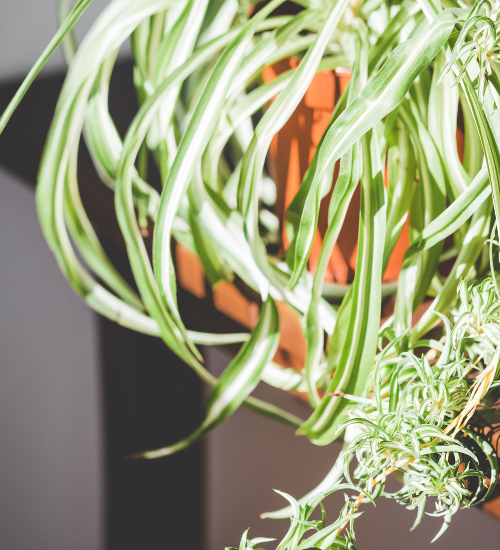
Spider plants are among the easiest houseplants to grow, but even healthy plants can develop brown tips. The problem is usually not a sign that the entire plant is dying. Brown leaf tips are often caused by stress related to watering, dry air, mineral buildup, fertilizer, light, or damaged roots.
The key is to treat the cause rather than simply cutting off the discolored parts. Once the growing conditions improve, new leaves should emerge with healthier green tips.
Why Do Spider Plant Tips Turn Brown?
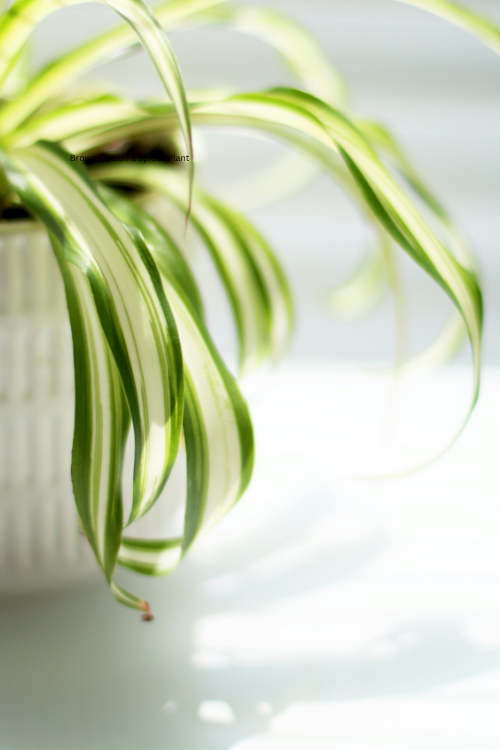
Brown Tips on a Spider Plant
Brown tips are a symptom, not a single diagnosis. Several different problems can produce the same appearance.
Common causes include:
- Watering that is too frequent or inconsistent
- Mineral or salt buildup in the potting mix
- Low humidity
- Too much fertilizer
- Poor drainage
- Excessive direct sunlight
- Heat from radiators, vents, or appliances
- Roots that have outgrown the container
Inspect the plant and its soil before making several changes at once. A gradual diagnosis helps you identify what is actually working.
1. Check Your Watering Routine
Spider plants prefer evenly moist soil but do not like sitting in water. Allowing the soil to become bone-dry and then soaking it heavily can stress the roots and cause leaf tips to dry out.
On the other hand, watering every few days without checking the soil can leave the roots constantly wet. Damaged roots cannot absorb water normally, so an overwatered plant may develop brown tips even when the soil feels damp.
A better approach is to check the top inch or two of soil with your finger. Water when the surface has begun to dry, then water thoroughly until excess moisture drains from the pot.
Empty the saucer after several minutes. Do not allow the container to sit in standing water.
The exact watering schedule depends on the pot size, season, indoor temperature, humidity, and type of potting mix. A small plant in a warm room may dry out much faster than a large plant in a cool room.
2. Consider Water Quality
Some spider plants are sensitive to minerals and chemicals that accumulate in tap water. Fluoride, salts, and other dissolved substances may collect in the potting mix or concentrate at the leaf tips.
If your spider plant continues developing brown tips despite good watering habits, try using filtered water, rainwater, or distilled water for several weeks. Do not assume tap water is always the cause, but it is a reasonable factor to test.
You can also flush the potting mix occasionally:
- Place the plant in a sink or bathtub.
- Slowly pour clean water through the soil.
- Allow water to drain fully from the bottom.
- Repeat several times.
- Let the pot drain completely before returning it to its saucer.
Flushing helps move excess salts out of the root zone. Do not flush a container that lacks drainage holes.
3. Avoid Excess Fertilizer
Fertilizer is useful during active growth, but more is not better. Heavy applications can leave salts in the soil and damage root tips.
If you recently fertilized and the plant began showing browning soon afterward, pause feeding. Flush the container and wait until the plant produces new growth before applying fertilizer again.
During spring and summer, use a balanced houseplant fertilizer at the dilution recommended on the label. Feeding less often and at a weaker strength is generally safer than applying concentrated fertilizer frequently.
Reduce or stop fertilizing in fall and winter when indoor growth slows. A plant that is barely growing does not need the same amount of nutrients as one producing new leaves every week.
4. Improve Indoor Humidity
Dry indoor air can contribute to brown tips, especially during winter when heaters are running. Spider plants tolerate ordinary household conditions, but extremely dry air may cause the ends of long leaves to become crispy.
You can raise humidity by:
- Grouping several plants together
- Running a room humidifier
- Placing the plant near, but not directly on, a bathroom or kitchen area
- Moving it away from heating vents
- Using a pebble tray filled with water below the pot
If you use a pebble tray, keep the pot above the water line. The container should not sit directly in water because constantly wet roots can lead to rot.
Humidity is only one part of plant care. Increasing humidity will not solve brown tips caused by poor drainage, overwatering, or fertilizer buildup.
5. Provide Bright, Indirect Light
Spider plants grow well in bright, indirect light. A location near an east-facing window is often suitable. They can tolerate lower light, but growth may become slower and less vigorous.
Strong afternoon sunlight through glass can scorch the foliage, especially if the plant is placed directly against a hot window. Move it a few feet back from the glass or filter the sunlight with a sheer curtain.
Signs of excessive light may include:
- Pale or faded leaves
- Dry patches
- Brown areas on the side facing the window
- Soil drying out unusually fast
Signs of insufficient light may include slow growth and fewer plantlets. Adjust the plant gradually rather than moving it from a dark room into intense sunlight all at once.
6. Check the Pot and Drainage
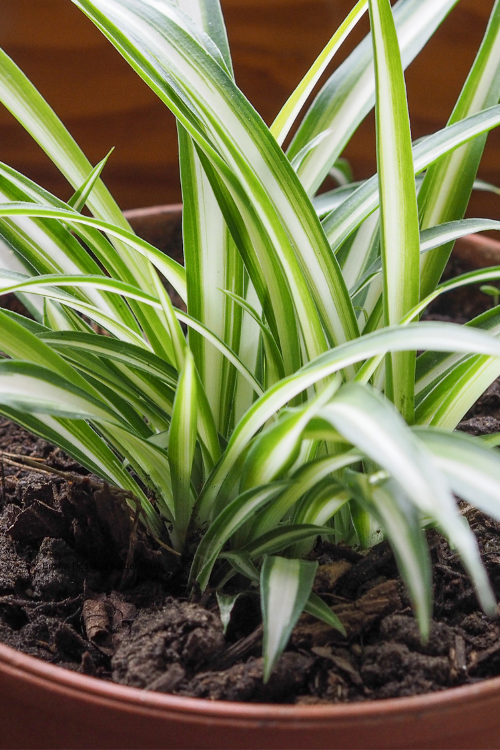
How to Fix Brown Tips on a Spider Plant
A spider plant should grow in a container with at least one drainage hole. Without drainage, excess water remains trapped around the roots.
If the potting mix stays wet for many days, repot the plant into a container with drainage and a loose indoor potting mix. Choose a pot only slightly larger than the current root ball. An oversized container holds more soil and may stay wet too long.
Do not place a thick layer of gravel in the bottom of the pot as a substitute for drainage. It does not remove excess water from the soil above it. Proper drainage comes from open holes and a suitable growing mix.
7. Look for Root Stress
If the soil smells sour, stays wet, or the plant wilts despite moist soil, inspect the roots. Healthy roots are usually firm and pale. Rotting roots may be brown, mushy, or foul-smelling.
To check:
- Slide the plant gently from its container.
- Brush away loose soil.
- Examine the roots.
- Trim away soft, damaged sections with clean scissors.
- Repot in fresh, well-draining mix.
- Water lightly and place the plant in bright, indirect light.
Avoid removing healthy roots. The plant may need time to recover after root pruning, so do not fertilize immediately.
8. Trim the Brown Tips Correctly
Brown tissue will not turn green again, but trimming improves the plant’s appearance and prevents damaged ends from splitting further.
Use clean, sharp scissors. Follow the natural shape of the leaf and leave a narrow strip of brown tissue rather than cutting into healthy green tissue. If an entire leaf is badly damaged, remove it at the base.
Do not cut every leaf back drastically. Spider plants need healthy foliage to produce energy and support new growth.
Cleaning the scissors before and after trimming is a simple way to reduce the risk of spreading problems between plants.
A Simple Recovery Plan
If you are unsure what caused the brown tips, use this basic reset:
- Move the plant into bright, indirect light.
- Check that the container drains freely.
- Water only when the top layer of soil begins to dry.
- Pause fertilizer for several weeks.
- Flush the soil if mineral buildup is suspected.
- Keep the plant away from heating and cooling vents.
- Trim only the damaged leaf tips.
- Watch the new growth rather than expecting old leaves to repair themselves.
Healthy new leaves are the best sign that the plant is recovering.
How to Prevent Brown Tips in the Future
Once the plant improves, maintain consistent care:
- Check the soil before watering.
- Never leave the pot sitting in water.
- Use a well-draining indoor mix.
- Fertilize lightly during active growth.
- Keep the plant away from hot drafts.
- Avoid sudden changes in light.
- Repot when roots are tightly circling the container.
- Flush the soil occasionally if your water contains many minerals.
Spider plants also produce baby plantlets when conditions are favorable. If the parent plant is growing new plantlets and fresh leaves without browning, your care routine is probably on the right track.
Final Thoughts
Brown tips on a spider plant are usually manageable. Start by checking watering, drainage, light, fertilizer, and water quality rather than applying several treatments at once.
Trim away the damaged ends for a cleaner appearance, but focus on improving the growing conditions. With consistent moisture, suitable light, and a well-draining container, new growth should gradually appear greener and healthier. How to Fix Brown Tips on a Spider Plant (Causes + Easy Fixes)
Last modified: October 25, 2026
