

Flowers can make an ordinary meal feel special. A few colorful petals scattered over a salad, tucked beside a dessert, or floated in a drink can add fragrance, texture, and visual interest without complicated cooking.
But not every attractive flower is safe to eat. Some plants are poisonous, some cause stomach upset, and others may have been treated with pesticides that are not approved for food crops. When choosing edible flowers for cakes, salads, and drinks, identification and growing conditions matter just as much as appearance.
The safest approach is to grow flowers specifically for eating or buy them from a reliable culinary source. Never assume that a flower is edible simply because it looks similar to one you have seen in a recipe.
Important Safety Rules Before Eating Flowers
Only eat flowers that you can identify with complete confidence. Use the correct plant name, not just a common name, because common names can refer to different plants.
Do not eat flowers from:
- Florist bouquets
- Roadside areas
- Garden centers unless clearly labeled for culinary use
- Lawns treated with weed killer or fertilizer
- Public parks
- Areas visited frequently by pets
- Plants sprayed with ornamental pesticides
Even edible flowers can cause problems for people with allergies or sensitive digestion. Try a small amount first, especially when eating a new flower.
Remove the stamens and pistils from larger flowers if they are bitter or irritating. In many recipes, only the petals are used.
Nasturtiums
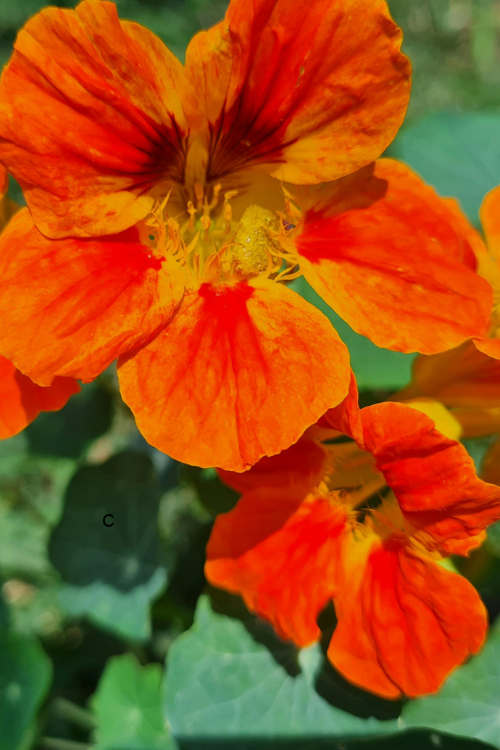
Nasturtiums are among the easiest edible flowers to grow. Their flowers come in warm shades of orange, red, yellow, and cream, while their round leaves are also edible.
The flavor is bright and peppery, similar to watercress. Use nasturtium petals in green salads, grain bowls, sandwiches, and savory appetizers. Whole flowers can sit on top of a cake, although their peppery taste works best with less-sweet desserts.
Nasturtiums prefer sun and reasonably well-drained soil. Avoid excessive fertilizer, which encourages leaves at the expense of flowers. They can trail from containers, climb lightly, or spread across the edge of a garden.
Harvest flowers in the morning after dew has dried. Choose fresh, open blooms without bruising.
Calendula
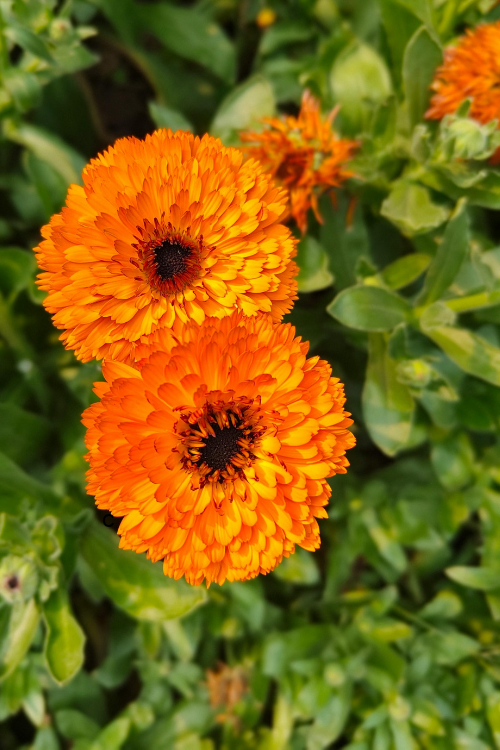
Calendula petals bring yellow and orange color to food. The petals have a mild, slightly peppery flavor and can be used fresh or dried.
Scatter them over salads, rice dishes, soups, and soft cheeses. Calendula petals can also be used to tint butter, compound spreads, or homemade vinegar.
The petals are more useful than the center of the flower. Pull them away from the green base before adding them to food. Some people find the base bitter.
Calendula grows well in sun and can tolerate cooler conditions. Regular harvesting encourages more flowers. Remove faded blooms before they form too many seeds if you want an extended flowering season.
Pansies and Violas
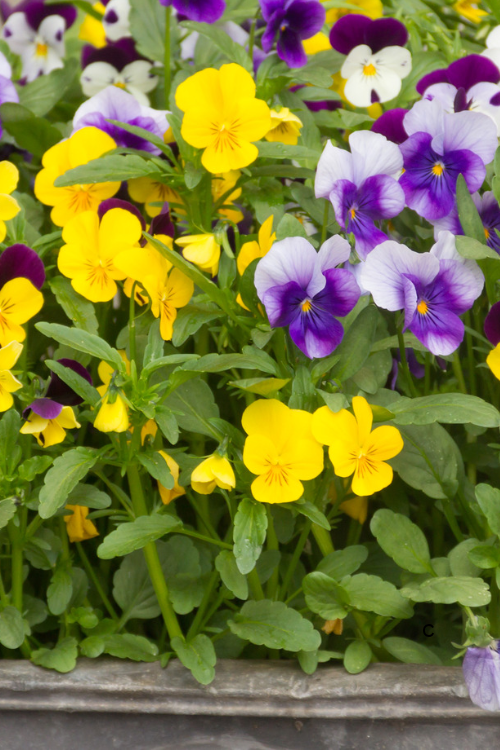
Pansies and violas are popular choices for decorating cakes and cold desserts because their flowers are relatively flat and colorful. Their flavor is usually mild, sometimes with a slightly wintergreen note.
Use whole flowers on cupcakes, fruit tarts, cheesecakes, and plated desserts. Small violas can be frozen into ice cubes for lemonade, sparkling water, or nonalcoholic punch.
Choose blooms grown without systemic pesticides. Rinse them gently and dry them carefully before use. If placing flowers directly on frosting, add them shortly before serving because moisture can cause delicate petals to wilt.
Pansies prefer cooler weather and may perform well in spring and fall gardens.
Borage

Borage produces star-shaped blue flowers with a mild cucumber-like flavor. The flowers are often used in drinks, salads, and frozen ice cubes.
Float borage flowers in a pitcher of water or lemonade. They can also be placed in individual ice cubes for a simple party detail. The blue color may soften as the flowers age, so use fresh blooms.
Borage can grow large and may self-seed. Give it room and harvest flowers regularly. The leaves are rough and are generally less useful fresh than the flowers.
Lavender
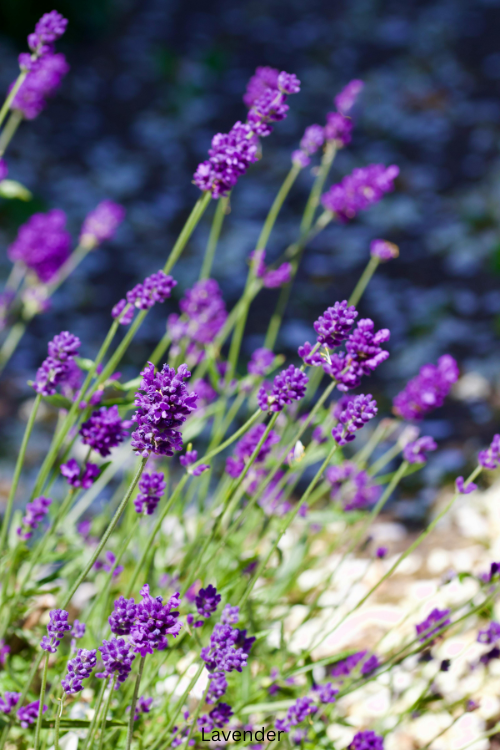
Culinary lavender can add fragrance to sugar, shortbread, lemonade, syrups, and baked goods. Use it sparingly. Too much lavender can make food taste soapy or overly perfumed.
Choose English lavender or another variety sold for culinary use. Do not harvest from a decorative plant that has been sprayed or mixed with unknown varieties.
Strip the small flowers from the stems and measure carefully. Lavender pairs well with lemon, berries, honey, vanilla, and dark chocolate.
Dry flowers in a cool, dark, well-ventilated place if you want to store them. Keep dried lavender in an airtight container away from strong odors.
Roses

Rose petals can be used in syrups, desserts, teas, salads, and decorative garnishes. The flavor depends on the variety and fragrance, but strongly scented roses often have more noticeable flavor than unscented types.
Remove the white or pale portion at the base of each petal because it can taste bitter. Use only roses grown without ornamental pesticides.
Rose petals pair well with strawberries, raspberries, pistachios, cream, citrus, and cardamom. A few petals can make a simple bowl of fruit look elegant without overwhelming the dish.
Avoid using roses from bouquets. Florist flowers may have been treated for display rather than food safety.
Chive Blossoms
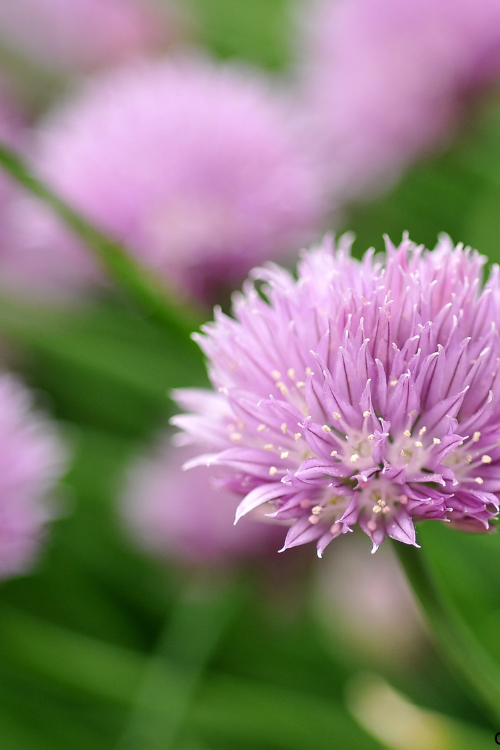
Chive flowers are not usually associated with desserts, but they are excellent in salads, savory cakes, spreads, and drinks such as herb-infused vinegar.
The small purple flowers can be separated into individual florets. Sprinkle them over potatoes, eggs, cream cheese, or cucumber salads.
Chive blossoms have a mild onion flavor. Harvest them shortly after they open for the best texture. Removing flowers can encourage fresh growth, although allowing some blossoms to remain supports natural reseeding.
Squash Blossoms
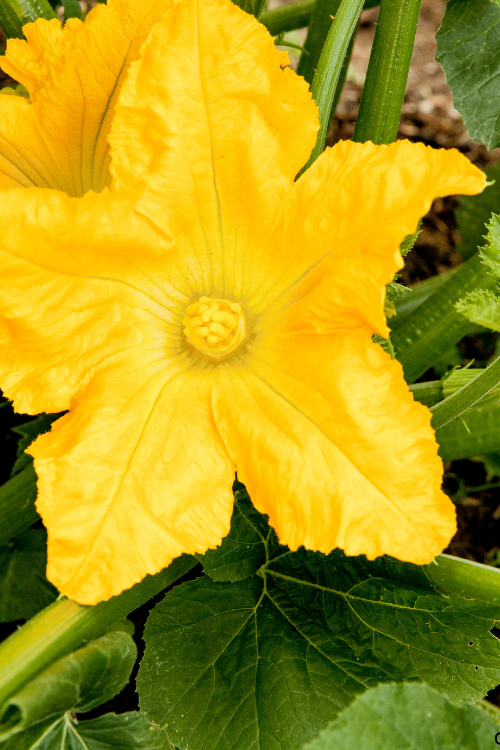
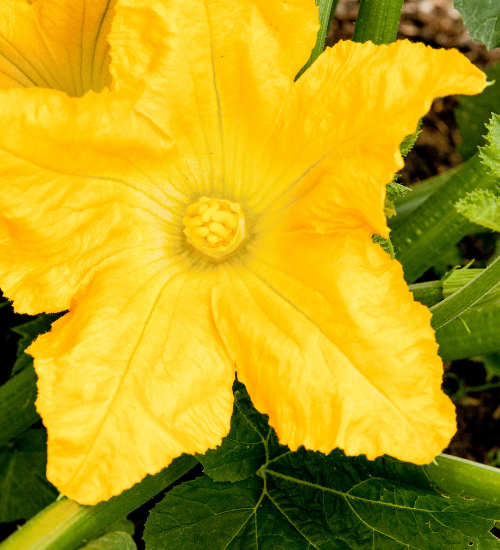
Squash blossoms are large, delicate flowers with a mild flavor. They can be stuffed, folded into pasta, added to quesadillas, or used as a colorful garnish.
Harvest male flowers when they are open, leaving enough female flowers for fruit production. Male flowers usually grow on thinner stems and do not have a developing squash behind them.
Use squash blossoms soon after harvesting. They wilt quickly, so place them in the refrigerator with their stems in a small amount of water or wrap them gently in a damp towel.
Bee Balm
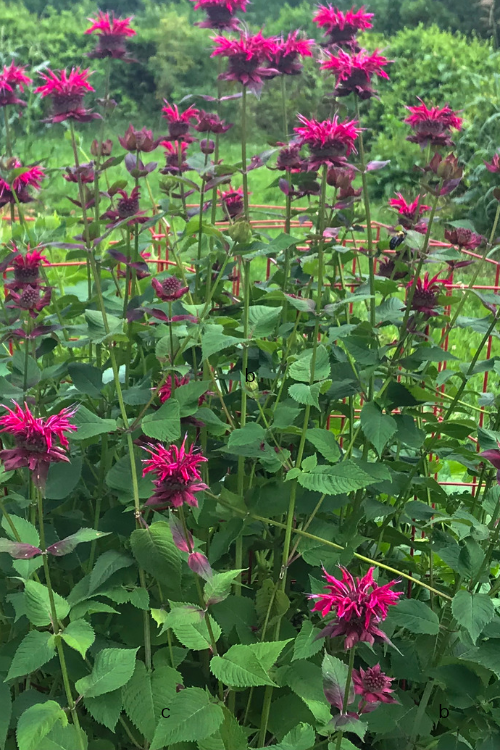
Bee balm flowers have a minty, herbal flavor and can be used in teas, fruit salads, and simple garnishes. Separate the petals from the flower head before using them.
The flavor can vary by variety, so taste a small amount first. Bee balm pairs well with berries, peaches, citrus, and iced herbal drinks.
Harvest flowers when they are fresh and free from insects. Avoid using flowers with visible mildew or damaged petals.
Ways to Use Edible Flowers
Decorate a Cake
Press fresh pansies, violas, rose petals, or calendula onto frosting. Add them shortly before serving. If you want a more secure decoration, place flowers on small pieces of parchment or use a food-safe barrier.
Upgrade a Salad
Nasturtiums, calendula, violas, and chive blossoms add color and flavor to green salads. Use flowers as a finishing ingredient rather than mixing them aggressively, which can bruise the petals.
Make Floral Ice Cubes
Place small flowers in an ice tray, fill it halfway with water, freeze, then top off the tray and freeze again. This helps keep flowers centered.
Use floral ice cubes in water, lemonade, iced tea, or fruit punch.
Infuse Sugar
Layer clean, dry lavender or rose petals with sugar in a sealed jar. Let the aroma move into the sugar for several days, then sift out the plant material.
Add Petals to Butter
Mix finely chopped calendula, rose, or chive flowers into softened butter. Shape the butter into a log, chill it, and slice it for bread, vegetables, or grilled foods.
Quick Reference Table
| Flower | Flavor | Useful with |
|---|---|---|
| Nasturtium | Peppery | Salads, sandwiches, savory plates |
| Calendula | Mild and slightly peppery | Salads, rice, soups, butter |
| Pansy | Mild | Cakes, desserts, ice cubes |
| Viola | Mild, sometimes wintergreen | Cupcakes, drinks, fruit |
| Borage | Cucumber-like | Lemonade, salads, ice cubes |
| Lavender | Floral and strong | Cookies, syrups, sugar |
| Rose | Fragrant and sweet | Desserts, fruit, tea |
| Chive blossom | Mild onion | Eggs, potatoes, salads |
| Squash blossom | Mild and delicate | Stuffed dishes, pasta |
| Bee balm | Minty and herbal | Tea, fruit, cold drinks |
How to Harvest and Store Flowers
Pick flowers in the morning after the dew dries but before the day becomes hot. Choose fully open flowers that look fresh.
Shake them gently to remove insects. Rinse only when necessary because excess water can shorten their storage life. Pat them dry with a clean towel.
Store flowers in a container lined with a slightly damp paper towel. Use them as soon as possible. Delicate blooms may last only a day or two, while sturdier flowers can remain presentable a little longer.
Final Thoughts
Edible flowers for cakes, salads, and drinks can make everyday food feel celebratory, but safe identification should always come first. Grow flowers without unapproved chemicals, use only the edible parts, and start with small amounts.
A few nasturtium petals, lavender flowers, violas, or calendula petals can provide enough color and flavor to transform a simple dish without making the recipe complicated.
Last modified: October 26, 2026
