

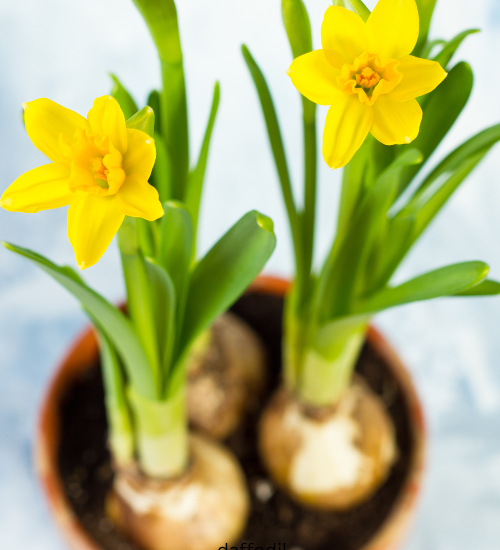
A container of tulips, daffodils, hyacinths, or other spring bulbs can look finished once the flowers fade. The petals fall, the stems lean, and the remaining leaves may appear untidy. It is tempting to remove everything and discard the pot.
However, the bulb may still be active underground. After flowering, it uses its leaves to rebuild energy for the next growing cycle. Knowing what to do with flower bulbs in pots after blooming can help you decide whether to keep them, plant them outdoors, or treat the display as seasonal.
Results vary by bulb type and how it was grown. Forced bulbs, especially tulips, may not bloom as strongly the following year, but careful aftercare gives them a better chance.
The First Step: Remove Faded Flowers
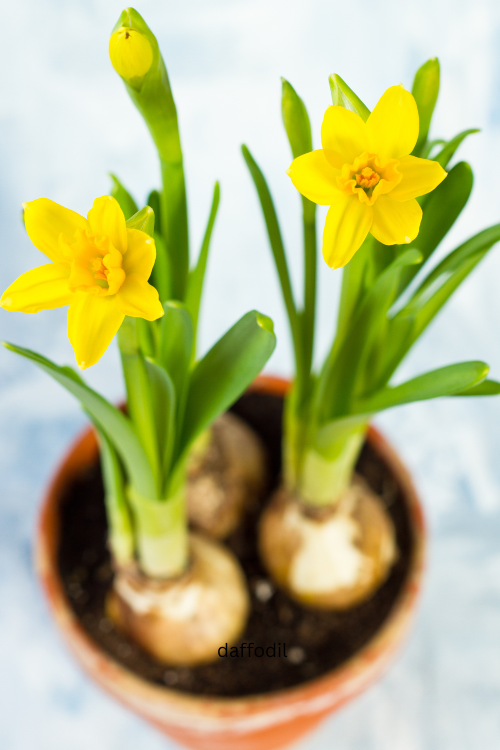
Once the flowers fade, remove the spent blooms. Cut or pinch off the flower head before seed production begins.
Do not remove healthy leaves at this stage. The flower is finished, but the foliage is still working.
Removing the old flower helps prevent the plant from spending additional energy on seed development. Leave the stem if it remains green and healthy, unless it becomes damaged or diseased.
Keep the Leaves Until They Fade Naturally
The most important part of post-bloom care is patience. Green leaves absorb sunlight and help the bulb store energy.
Do not braid, tie, bend, or cut the leaves prematurely. These practices reduce the leaf surface available for photosynthesis.
Allow the foliage to turn yellow and dry naturally. This may take several weeks. Once the leaves are fully yellow or brown and detach easily, they can be removed.
Continue Watering, but Avoid Saturation
After flowering, the bulb still needs moisture while its leaves remain green. Water when the potting mix begins to dry, but do not keep the container constantly wet.
Drainage is especially important because bulbs can rot in waterlogged soil. Make sure the pot has drainage holes and that excess water can escape freely.
As the leaves yellow, gradually reduce watering. Once the foliage has completely died back, the bulb usually needs a much drier rest period.
Should You Fertilize Bulbs After Blooming?
A light feeding may help some bulbs recover, but heavy fertilizer is unnecessary and can damage roots or encourage weak growth.
If you fertilize, use a balanced product according to the label directions. Apply it to moist soil rather than dry roots. Avoid placing concentrated fertilizer directly against the bulb.
Healthy soil, adequate light, and proper drainage are usually more important than extra feeding.
What to Do With Different Bulbs
Tulips
Tulips grown in pots for indoor display may struggle to rebloom because forcing uses significant energy and some varieties are less reliable in subsequent years.
After removing the flower, keep the leaves in bright light and continue modest watering. Once the foliage dies back, you can lift and store the bulbs or plant them outdoors if your climate and soil are suitable.
Daffodils
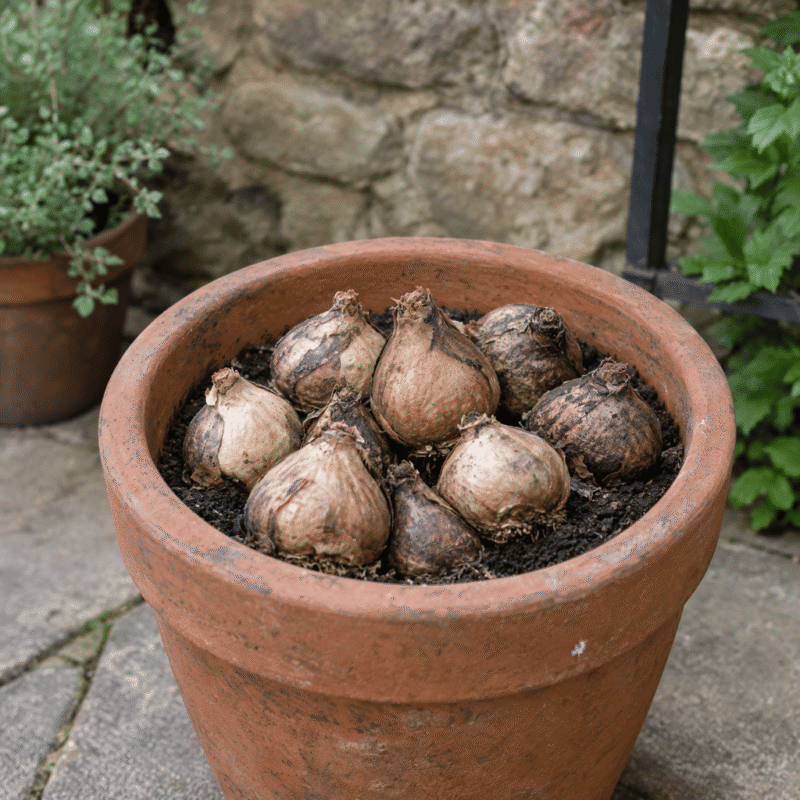
Daffodils often have a better chance of returning than forced tulips. Keep the foliage until it fades, then plant the bulbs in the garden or allow them to rest in a dry container.
Do not cut the leaves while they are green.
Hyacinths
Hyacinths can sometimes return, although future flowers may be smaller. After blooming, maintain the foliage until it dies back. Plant the bulb outdoors in a well-drained location or store it appropriately.
Crocuses
Crocuses may naturalize well in suitable climates. Once the foliage has faded, plant the corms in the garden or keep them dry until the appropriate planting season.
Amaryllis
Amaryllis has a different growth cycle from many spring bulbs. It may continue growing leaves after flowering and can require a longer period of active care before dormancy. Follow guidance specific to the type of amaryllis you have.
Leave the Bulbs in the Pot or Lift Them?
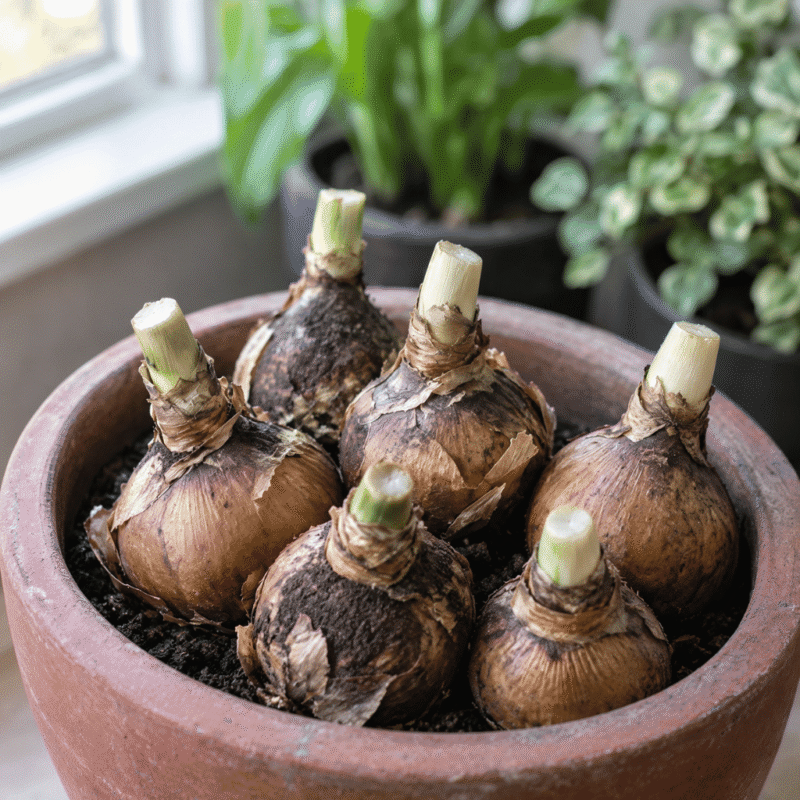
What to Do With Flower Bulbs in Pots After Blooming
Both options can work.
Leave them in the pot
Leaving bulbs in their container is practical when:
- The pot has good drainage
- The bulbs are healthy
- You can keep the container in a suitable location
- The soil will not remain wet during dormancy
- You know when to resume watering
Move the pot to a sheltered location after the foliage dies back. Avoid placing it somewhere that receives constant rain if the soil drains poorly.
Lift the bulbs
Lifting gives you more control over storage and lets you inspect the bulbs. It is useful when:
- The container is needed for another plant
- The soil stays wet
- Bulbs are crowded
- You want to plant them outdoors later
- You suspect rot or pest damage
How to Lift Flower Bulbs Safely
Wait until the foliage has completely faded. Then:
- Tip the container gently onto a protected surface.
- Separate the soil around the bulbs with your hands.
- Lift the bulbs without pulling hard on dried leaves.
- Brush away loose soil.
- Inspect for soft spots, mold, deep wounds, or an unpleasant smell.
- Discard badly rotted bulbs.
- Allow healthy bulbs to dry in a shaded, ventilated place.
- Store them in a breathable paper bag, mesh bag, or shallow tray.
Do not seal bulbs in airtight plastic. Trapped moisture can encourage mold and decay.
How to Store Bulbs
Storage conditions depend on the bulb and local climate, but healthy bulbs generally need:
- A cool location
- Dry conditions
- Good air circulation
- Protection from rodents
- Darkness or low light
- Separation from ripening fruit
Label the container with the bulb type and storage date. Check the bulbs occasionally and remove any that become soft or moldy.
Some spring bulbs require a period of cool temperatures before they can flower again. In warm climates, gardeners may need to use pre-chilling or select varieties adapted to local conditions. Do not chill bulbs in the same refrigerator as produce unless you understand the risks, because ripening fruit can release gases that affect some bulbs.
When to Replant
Replanting time depends on the bulb and climate. Many spring-flowering bulbs are planted in fall so they can develop roots before winter.
Plant healthy bulbs in well-drained soil at the depth recommended for that bulb. A common mistake is planting too shallowly, but depth varies by species and bulb size.
If planting in a container, use a pot with drainage holes and fresh, well-draining potting mix. Avoid placing bulbs directly against the container wall, where temperature changes are more extreme.
Why Some Potted Bulbs Do Not Bloom Again
Even with careful care, reblooming is not guaranteed. Common reasons include:
- The bulb was forced for an indoor display
- Leaves were removed too early
- The bulb did not receive enough light
- Soil stayed wet
- The bulb was too small or depleted
- The variety is not reliable for reblooming
- The storage temperature was unsuitable
- The bulb was damaged by disease or pests
A bulb that produces leaves but no flowers may still be rebuilding. Give it another season under suitable conditions before deciding it has failed.
Signs of Healthy and Unhealthy Bulbs
| Condition | What it usually means |
|---|---|
| Firm and heavy bulb | Generally healthy |
| Dry outer skin | Often normal |
| Slight root loss | May recover |
| Soft or mushy area | Possible rot |
| Strong unpleasant odor | Severe decay |
| Green shoots during storage | Storage may be too warm |
| Completely hollow bulb | Likely dead |
When in doubt, gently press the bulb. It should feel firm rather than soft and collapsing.
Common Mistakes After Flowering
Cutting leaves immediately
This is one of the most damaging mistakes. The bulb needs the leaves to restore its energy reserves.
Continuing heavy watering during dormancy
Once foliage has died, constantly wet soil increases the risk of rot.
Storing bulbs in sealed bags
Bulbs need ventilation. Airtight storage traps moisture.
Expecting forced tulips to behave like garden tulips
A potted gift plant may have been grown under specialized conditions. It can survive without producing another large display.
Planting damaged bulbs
Soft, moldy bulbs are unlikely to recover and can spread decay to healthy bulbs.
Final After-Bloom Checklist
- Remove faded flower heads.
- Keep green leaves intact.
- Place the pot in bright light.
- Water when the soil begins to dry.
- Let foliage yellow naturally.
- Reduce watering as dormancy begins.
- Inspect bulbs before storage.
- Use breathable storage materials.
- Replant at the correct seasonal time.
- Keep expectations realistic for forced bulbs.
If you have been wondering what to do with flower bulbs in pots after blooming, the short answer is: remove the old flowers, preserve the leaves, reduce watering as the foliage fades, and then decide whether to plant or store the bulbs.
With the right care, a finished pot does not always have to be the end of the display.
Last modified: October 25, 2026
