


A flower garden can look tired even when the plants are healthy. Blooms fade, petals fall, and brown seed heads begin appearing everywhere. Many gardeners assume the flowering season is ending, but the plant may simply need its old flowers removed.
Deadheading means cutting off spent flowers before they produce mature seeds. For many annuals, this encourages the plant to direct more energy toward new buds instead of seed production. It also keeps containers, borders, and beds looking neater.
Learning how to deadhead annual flowers for more blooms is simple. The main challenge is knowing where to cut, how often to do it, and which plants benefit most.
Why Deadheading Encourages More Flowers
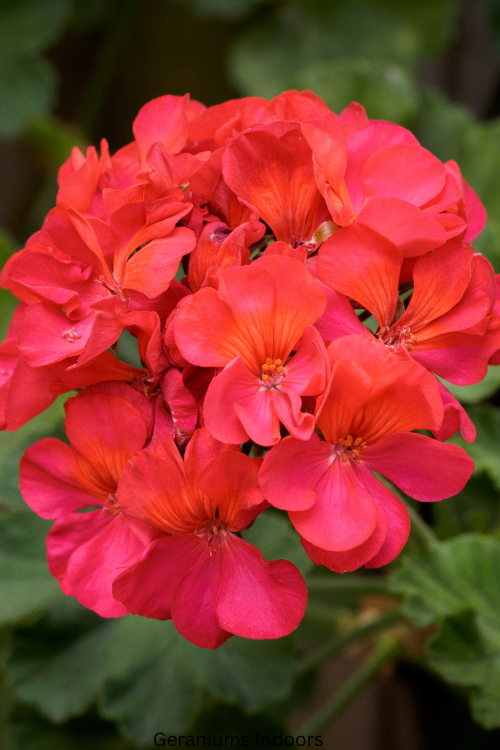
Annual flowers usually have one main purpose: grow, flower, produce seeds, and complete their life cycle. Once a flower is pollinated, the plant begins investing energy in seed development.
Removing the faded flower interrupts that process. The plant may respond by producing additional buds, especially when the growing conditions are good.
Deadheading does not replace sunlight, water, healthy soil, or feeding. A stressed plant may not produce more flowers simply because old blooms are removed. Think of deadheading as a maintenance practice that helps a healthy plant use its resources efficiently.
It can also provide several other benefits:
- Improves the appearance of flower beds and containers
- Reduces the chance of mold developing on decaying petals
- Prevents unwanted self-seeding in some plants
- Encourages branching on certain annuals
- Helps flowers remain productive later into the season
Which Annual Flowers Benefit From Deadheading?
Many popular annuals respond well to regular deadheading.
| Annual flower | Best deadheading method | Extra note |
|---|---|---|
| Marigold | Pinch or cut below the flower | Remove developing seed heads |
| Zinnia | Cut back to a healthy leaf joint | Long stems can be used as cut flowers |
| Cosmos | Cut faded flower stems deeply | Helps prevent tall, sparse growth |
| Petunia | Pinch flowers and trim leggy stems | Some modern varieties are self-cleaning |
| Geranium | Remove the entire flower stalk | Cut near the main stem |
| Calendula | Remove old flowers frequently | Leave a few seed heads if reseeding is wanted |
| Snapdragon | Cut spent flower spikes | A light trim may encourage side shoots |
| Dahlia | Cut behind the faded flower | Remove the swollen seed pod area |
| Begonia | Pinch off faded blooms | Handle brittle stems carefully |
Not every flower needs the same treatment. Plants with small, self-cleaning flowers may drop their petals without assistance. Some annuals are grown specifically for their seed heads, so removing every spent bloom may work against your goal.
How to Deadhead Annual Flowers Step by Step
1. Choose a dry, comfortable time
Deadheading can be done whenever you see faded flowers, but a dry morning is often convenient. The foliage has time to dry during the day, and the plants are easier to inspect.
Avoid working with wet plants when possible. Handling damp foliage can spread disease between plants, particularly if you are using tools.
2. Find the spent flower
Look for blooms that are:
- Brown or faded
- Drooping
- Losing petals
- Developing a visible seed head
- No longer attractive to pollinators
Some flowers remain colorful while already beginning to produce seeds. Check behind the petals for swelling or drying structures.
3. Follow the flower stem downward
Do not automatically remove only the petals. The faded flower may remain attached to a long stem, and leaving that stem behind can make the plant look untidy.
Trace the stem down until you reach the first healthy leaf, side shoot, or branching point. This is usually the best place to cut.
4. Pinch or cut cleanly
Soft-stemmed flowers can often be pinched between your fingers. Use clean scissors or pruners for tougher stems.
Make the cut just above a healthy leaf or node. Avoid leaving a long bare stub, but do not cut into the main crown or nearby new growth.
5. Remove damaged foliage
While working, remove yellow, diseased, or badly damaged leaves. Do not strip the plant aggressively. It still needs healthy leaves to make energy through photosynthesis.
6. Dispose of diseased material
Healthy flower petals can usually go into a compost pile. Diseased flowers or foliage should be discarded according to local guidance rather than added to home compost, where some pathogens may survive.
Deadheading Different Types of Annuals
Marigolds
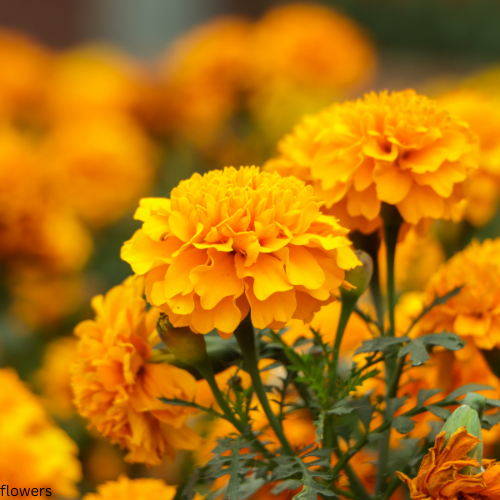
Marigolds are easy to deadhead. Pinch off the faded flower just above the next set of leaves. If the flower has already formed a long, pointed seed head, remove the entire structure.
Regular removal can keep marigolds producing flowers instead of filling with dry seeds.
Zinnias
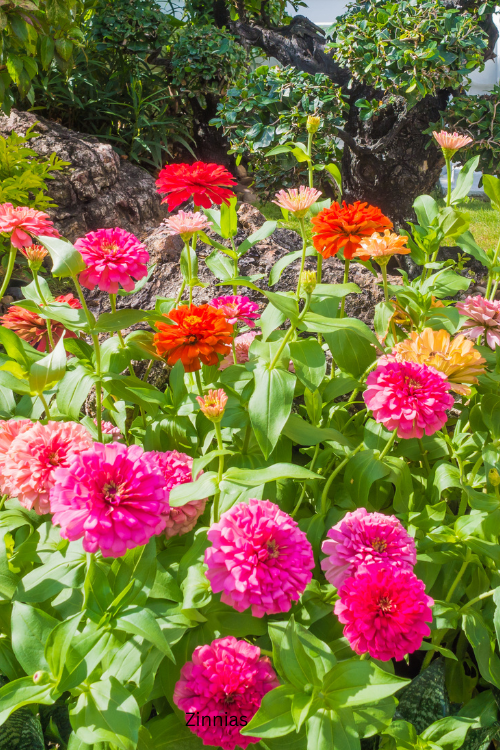
Zinnias make excellent cut flowers, so deadheading can double as harvesting. Cut the stem back to a pair of leaves or a branching point. Longer cuts encourage the plant to branch lower down.
If a zinnia stem feels weak, avoid cutting only the flower head. Remove enough stem to improve the plant’s shape.
Petunias

Petunias vary widely. Some newer varieties drop faded flowers on their own, while older types may leave sticky, unattractive blooms.
Pinch off the old flower and the small developing seed pod beneath it. If the plant has become long and sparse, trim several stems by about one-third rather than removing individual flowers only.
Cosmos

Cosmos can become tall and floppy if they are allowed to finish every flower. Cut faded flowers back to a side branch or a strong leaf set.
Do not remove every flower if you want the plant to reseed naturally. Leave a few mature seed heads late in the season.
Geraniums
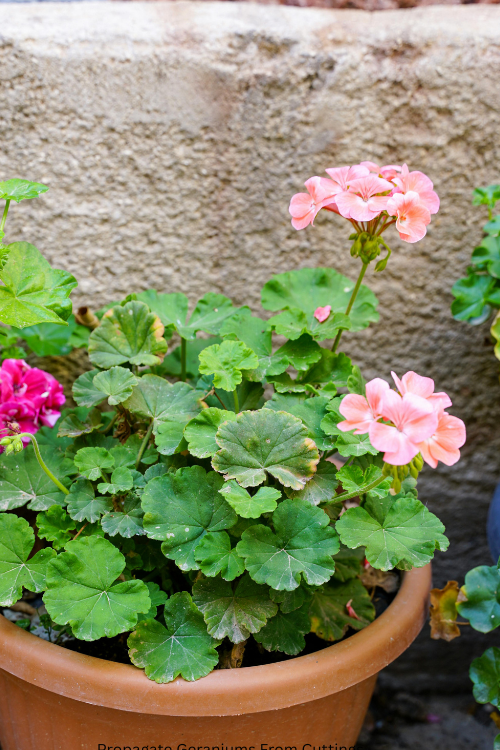
Geraniums usually produce clusters of flowers on one stalk. Wait until most of the cluster has faded, then remove the entire stalk at its base.
Pulling gently upward can sometimes remove the stalk, but use scissors if the stem resists. Tearing the plant may create a larger wound.
How Often Should You Deadhead?
There is no universal schedule. Inspect flowering plants every few days during peak bloom. Fast-growing annuals may need attention twice a week, while others may only need maintenance weekly.
A practical routine is:
- Walk through the garden while watering.
- Remove flowers that are clearly finished.
- Harvest flowers that are ready for a vase.
- Trim a few leggy stems if the plant is losing its shape.
- Stop and reassess if the plant appears stressed.
Do not turn deadheading into heavy pruning. The objective is to remove finished flowers, not repeatedly cut away large amounts of healthy growth.
When You Should Stop Deadheading
Stop deadheading when you want seeds for next year, when the plant is naturally completing its life cycle, or when frost is approaching.
You may also reduce deadheading late in the season if birds benefit from the seeds. Marigolds, cosmos, calendula, sunflowers, and zinnias can all produce useful seed heads, although saved seed may not grow true to the parent plant if it came from a hybrid variety.
Some annuals also become less productive as temperatures fall. Removing flowers will not force a plant to bloom indefinitely after cold weather, disease, or exhaustion has taken its toll.
Common Deadheading Mistakes
Cutting too high
Removing only the petals leaves an unattractive stem and may leave developing seeds attached. Follow the stem to a leaf or branch.
Using dirty tools
Dirty pruners can move pathogens between plants. Wipe blades regularly, especially when moving from a sick plant to a healthy one.
Removing pollinators
Do not cut flowers while bees or other pollinators are actively using them. Wait until the bloom is empty.
Over-pruning
Removing too much foliage weakens the plant. Focus on faded flowers and occasional shaping.
Expecting deadheading to fix poor conditions
Plants in deep shade, waterlogged soil, severe drought, or nutrient-poor containers may need a broader care adjustment.
A Simple Weekly Deadheading Checklist
- Check flowers for fading petals and seed heads.
- Use fingers on soft stems and clean pruners on woody stems.
- Cut just above healthy leaves or side shoots.
- Remove diseased material from the garden.
- Water deeply when the soil is dry rather than following a rigid calendar.
- Leave a few seed heads if you want birds or self-sown plants.
- Watch for new buds after trimming.
Once you understand how to deadhead annual flowers for more blooms, the task becomes a quick part of normal garden care. A few minutes every several days can help annuals stay attractive, branch more freely, and continue flowering for much longer than neglected plants.
Last modified: October 25, 2026
