

Most people think you need a garden to grow flowers. You don’t.
Some of the most rewarding blooms happen indoors on a windowsill, a shelf, a corner that doesn’t get direct sun. Fresh flowers in your home beat a bouquet from the grocery store every time. And unlike cut flowers, these keep blooming for months.
The problem? Most indoor plants don’t flower. They sit there, green and leafy, year after year. People assume they’re not “flowering plants” or that indoor conditions don’t support blooms. That’s only half true.
The real issue is most people buy the wrong flowers for their light conditions, then give up when they don’t bloom. Or they overwater (the #1 killer of indoor flowers). Or they move the plant around constantly, stressing it.
Here’s the truth: indoor flowers are totally doable. You just need to pick the right ones for your light situation and give them what they actually need – not what you think they need.
In this guide, I’m sharing 15 of the best flowers to grow indoors. I’ve sorted them by light requirements (low, medium, bright) so you can find ones that’ll actually thrive in your space. African violets for dim corners. Orchids for bright windows. Anthuriums for medium light. All of them will reward you with consistent blooms if you follow a few simple rules.
By the end, you’ll know exactly which flowers to buy, where to put them, and how to keep them blooming year-round. No garden required.
Let’s grow some flowers indoors.
Indoor Flowering Plant Basics
Here are the five things indoor flowers need:
Light: The #1 Factor
This is where most indoor flower attempts fail.
Indoor flowers don’t need outdoor sun levels – but they do need consistent, quality light. Here’s what the terms mean:
Low Light: 50-150 foot-candles. Think a room with a window 5+ feet away, or indirect light from a north-facing window. Plants like African violets and peace lilies tolerate this, but they’ll bloom less than they would in brighter light.
Medium Light: 150-300 foot-candles. A few feet from a window, or bright indirect light. Most indoor flowers prefer this – it’s the sweet spot.
Bright Light: 300+ foot-candles. Direct sun through a south or west-facing window, or very close to any window. Geraniums, hibiscus, and bougainvillea need this to bloom reliably.
Reality check: If your plant isn’t blooming and you think you’re giving it “bright” light, you probably aren’t. Indoors is almost always darker than you think. If blooms stop happening, move the plant closer to the window.
Humidity: The Secret Weapon
Indoor air is dry. Heating in winter, air conditioning in summer – both steal moisture from the air. Most indoor flowers come from tropical climates where humidity sits at 60-80%. Your house is probably 30-40%.
Why it matters: Low humidity causes bud drop, brown leaf edges, and weak blooms.
How to fix it:
- Mist the plant 2-3 times per week (spray leaves lightly, not drenching)
- Pebble tray method – set the pot on a tray with pebbles and water. The water evaporates around the plant, raising humidity (doesn’t work if the pot sits in the water)
- Humidifier – if you’re serious, a small humidifier ($30-50) transforms your indoor garden
- Group plants together – they create a microclimate of shared humidity
Orchids, begonias, and anthuriums are humidity lovers. Peace lilies and geraniums are more forgiving.
Watering: The Balance
This is where people mess up most.
The rule: Let the soil dry slightly between waterings. Not bone-dry. Not soaking wet. Slightly dry.
How to check: Stick your finger 1 inch into the soil. If it feels moist, don’t water. If it feels dry, water until it drains from the bottom.
The mistake: People water on a schedule (Monday, Wednesday, Friday). Stop doing that. Different plants, different pots, different rooms, different seasons all affect how fast soil dries. Check the soil, not the calendar.
Overwatering kills more houseplants than anything else. Wet roots = root rot = dead plant. Underwater, and the plant just gets thirsty. It’s easier to recover from underwatering.
Pro tip: Use room-temperature water. Cold water shocks roots. Let tap water sit overnight so chlorine evaporates (or use filtered water).
Temperature: Consistency Matters
Indoor flowers like stability. Most prefer 65-75°F during the day, slightly cooler at night (60-70°F).
What kills them: Temperature swings. Moving a plant from a warm living room to a cold windowsill. Blasts of AC. Heat from a radiator. Drafts from doors.
The fix: Find a stable spot and leave it there. Don’t move plants around constantly while you’re “figuring out where they like it.” This stresses them and delays blooming.
Special case: Some flowers (cyclamen, azalea, camellia) actually bloom better in cooler temps (55-65°F). Others (anthuriums, begonias) prefer warmth (70-75°F). We’ll call this out for each plant.
Fertilizer: Feed the Blooms
Potting soil has nutrients, but they deplete over time. Blooming requires energy, so you need to feed.
The rule: During growing season (spring/summer), fertilize monthly with a diluted flowering plant fertilizer. In fall/winter, skip it – plants are resting.
How much: Follow the package directions, then dilute it to half strength. Weak fertilizer given regularly beats strong fertilizer occasionally. Overfertilizing burns roots and stops blooms.
Type matters: Use a flowering plant formula (higher phosphorus), not a general houseplant formula. The “middle number” in NPK (nitrogen-phosphorus-potassium) should be higher.
The Golden Rule
If your indoor flower isn’t blooming, it’s one of these five things:
- Not enough light (move it closer to a window)
- Too much water (let it dry out between waterings)
- Low humidity (mist more, add a pebble tray)
- Temperature stress (find a stable, warm spot)
- No fertilizer (feed monthly during growing season)
Fix one of those, and your plant will likely start blooming within 4-8 weeks.
Best Flowers for Low Light
Low light doesn’t mean no blooms. These five flowers were literally bred or naturally adapted for indoor conditions. They’ll bloom reliably even in a room where you can’t read without a lamp.
1. African Violet
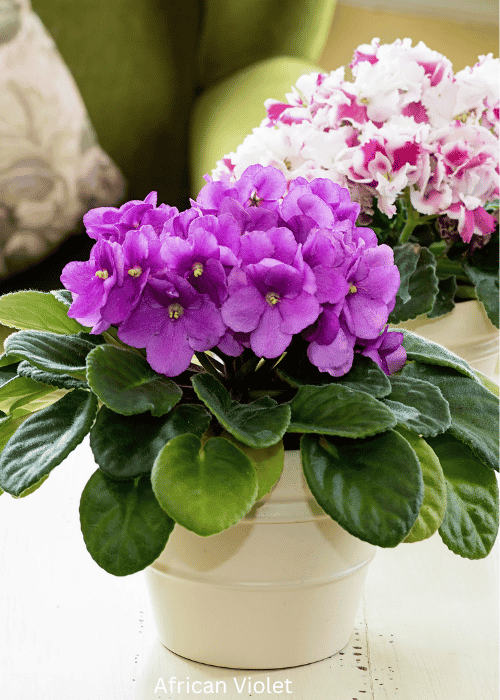
Why it thrives: African violets are the indoor flower. Breeders have spent decades making them bloom indoors. They’re practically designed for this.
Blooms: Purple, pink, white, and bi-color flowers. Some varieties have ruffled or double blooms. They flower year-round with consistent care.
Light needed: Medium to low – actually prefers not getting direct sun. Bright indirect light is perfect.
Care:
- Water from below (use a self-watering pot or set the pot in a saucer of water for 10 minutes, then remove). Wet leaves = leaf spots and rot.
- Keep humidity moderate to high (60%+ is ideal)
- Fertilize every 2-3 weeks with diluted flowering plant fertilizer during growing season
- Remove dead flowers and leaves to encourage more blooms
- Temperature: 65-75°F is perfect
The magic: One African violet plant can become 10 through propagation. Pick a healthy leaf, stick it in moist soil, and in 4-6 weeks you’ll have baby plants. Seriously, this works.
Pro tip: African violets like to stay slightly moist but never soggy. The sweet spot is “moist like a wrung-out sponge.”
Blooms year-round? Yes, if given consistent light (12-14 hours ideally) and monthly fertilizer.
2. Spathiphyllum (Peace Lily)
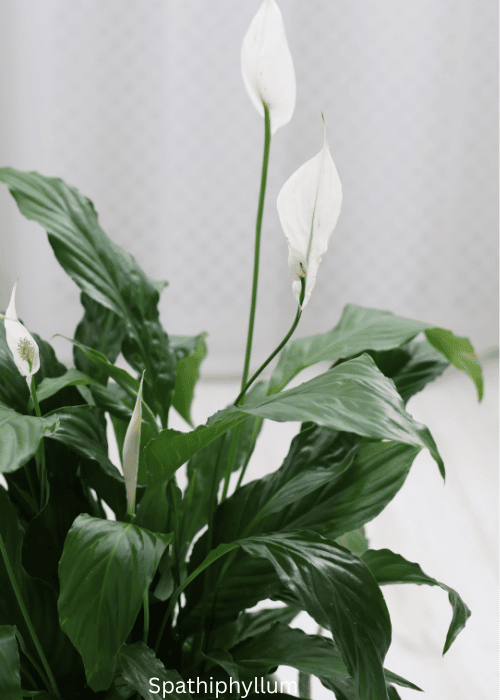
Why it thrives: Peace lilies are nearly impossible to kill. They tolerate low light, irregular watering, and dry air better than almost any flowering plant.
Blooms: White spathes (a modified leaf, technically, but it looks like a flower) and a central spike. Elegant and architectural.
Light needed: Low to medium – accepts shade that would kill other plants. A room with no direct sun but decent ambient light? Peace lily thrives.
Care:
- Water when soil dries slightly (it’ll actually droop when thirsty – your signal to water)
- Tolerates dry air but prefers humidity (mist occasionally, or ignore it – it’s forgiving)
- Fertilize monthly during growing season
- Wipe leaves occasionally (they collect dust, which blocks light)
- Temperature: 65-75°F, avoid cold drafts
The bonus: Peace lilies are air-purifying plants. They filter toxins like formaldehyde and xylene from indoor air. Not the main reason to grow it, but nice.
The catch: Peace lilies in low light bloom less frequently than in brighter conditions. Move it to medium light and blooming increases significantly.
Easy angle: This is the plant for someone who travels, forgets to water, or has zero patience. It survives and even blooms.
3. Begonia (Wax Begonia)
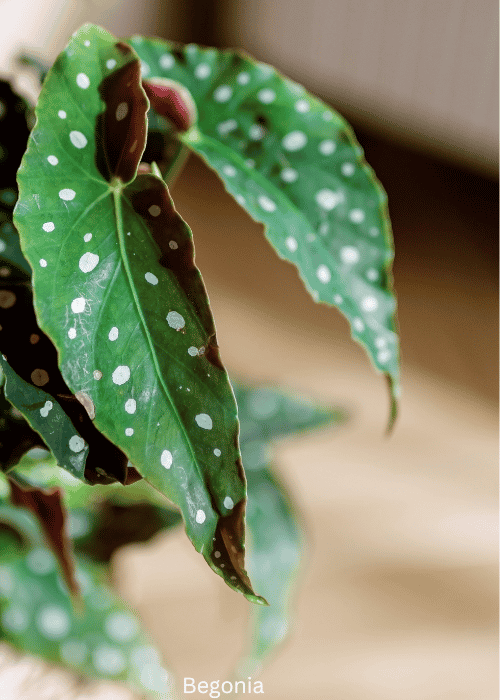
Why it thrives: Begonias are prolific bloomers. They produce flowers constantly, even in less-than-ideal light.
Blooms: Red, pink, or white flowers. Plus attractive foliage that ranges from green to deep red. You get flowers and pretty leaves.
Light needed: Medium to low – prefers bright indirect light but tolerates lower light (blooms less, but still blooms).
Care:
- Water when top inch of soil dries
- Prefers humidity but more forgiving than African violets
- Mist occasionally or use a pebble tray
- Fertilize every 2-3 weeks during growing season
- Pinch off spent flowers to encourage more blooms
- Temperature: 65-75°F
The trick: Begonias get leggy (tall and sparse) in low light. Combat this by pinching back the growing tips regularly. This forces the plant to branch and become bushier.
Why grow it: Begonias offer continuous blooms + interesting foliage. You’re not just growing flowers; you’re growing an attractive plant.
Long-term care: Begonias can live for years if pinched back occasionally. They actually get fuller and more floriferous as they mature.
4. Kalanchoe
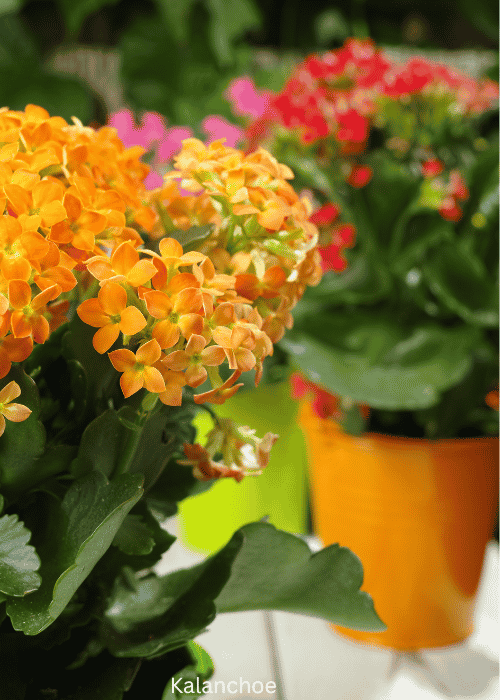
Why it thrives: It’s a succulent, so it tolerates neglect. But it also blooms prolifically indoors. Best of both worlds.
Blooms: Dense clusters of tiny flowers in bright pink, red, yellow, or orange. The whole plant becomes a bouquet.
Light needed: Prefers bright light but tolerates medium light. Low light? It’ll struggle and won’t bloom. So this is the “low-light” plant that actually needs a bit more light than the others – but still less than a geranium.
Care:
- Water sparingly (let it dry out between waterings – it’s a succulent)
- Minimal humidity needed (actually prefers dry air)
- Fertilize monthly during blooming season
- Deadhead spent flowers to extend blooming
- Temperature: 65-75°F, but can tolerate cooler temps
- It’s naturally compact, so no pinching needed
The magic: Kalanchoe blooms for weeks. A single plant in bloom becomes a major focal point.
Reality: Once flowers fade, the plant goes dormant and stops blooming. That’s normal. It’ll rebloom with seasonal day-length changes (shorter days trigger flowering).
Why it’s “low-light”: Compared to geraniums and hibiscus, kalanchoe is forgiving. But compared to African violets, it needs more light to bloom reliably.
5. Anthurium (Flamingo Flower)
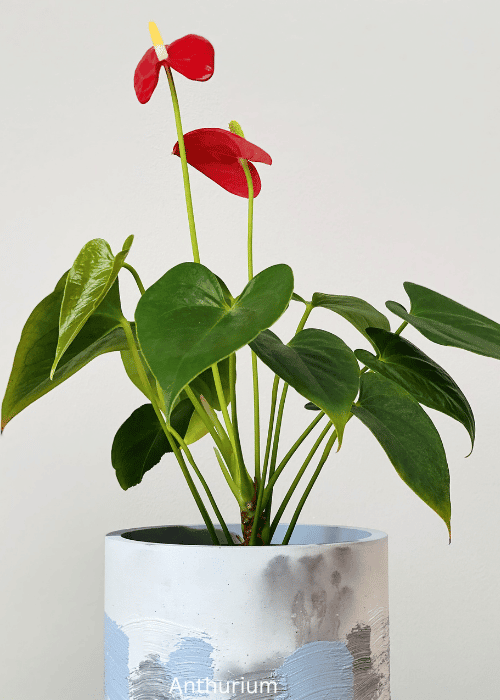
Why it thrives: Anthuriums produce flowers year-round if given consistent care. They’re tropical plants, so they love humidity.
Blooms: Red, pink, or white waxy “flowers” (technically spathes like peace lilies, but much showier). Long-lasting – each “flower” lasts weeks.
Light needed: Medium to bright indirect light. Low light = slow growth and fewer blooms. But it tolerates a room without direct sun if the ambient light is decent.
Care:
- Water when top inch of soil dries
- Humidity is KEY – mist 2-3 times per week, or use a pebble tray, or both
- Fertilize every 6-8 weeks with diluted fertilizer
- Wipe leaves monthly (dust blocks light and photosynthesis)
- Temperature: Keep it warm, 70-75°F is ideal. Below 65°F and it slows down.
- Repot only every 2-3 years (anthuriums like being slightly rootbound)
The statement: Anthuriums are architectural plants. The flowers are bold, waxy, and dramatic. They look expensive.
Long-term: Anthuriums live for years and get bigger over time. A mature plant is a showstopper.
Pro tip: If your anthurium stops blooming, check the humidity first. Low humidity kills the blooming cycle.
Low-Light Flowering Plant Quick Care Comparison
| Plant | Bloom Frequency | Humidity Needed | Watering | Temperature | Easiest? |
|---|---|---|---|---|---|
| African Violet | Year-round | High | Moderate | 65-75°F | ⭐⭐⭐⭐ |
| Peace Lily | Occasional-Regular | Low-Moderate | Moderate | 65-75°F | ⭐⭐⭐⭐⭐ |
| Begonia | Continuous | Moderate | Moderate | 65-75°F | ⭐⭐⭐⭐ |
| Kalanchoe | Seasonal | Low | Sparse | 65-75°F | ⭐⭐⭐⭐⭐ |
| Anthurium | Year-round | High | Moderate | 70-75°F | ⭐⭐⭐ |
Which Low-Light Flower Should You Start With?
If you’re a beginner: Start with peace lily or kalanchoe. They’re nearly impossible to kill and still bloom.
If you want year-round blooms: Choose African violet or anthurium. Both flower consistently indoors.
If you have dry air: Go with kalanchoe. It actually prefers low humidity.
If you want dramatic flowers: Pick anthurium or begonia. The blooms are showy and colorful.
If you want the most blooms: Choose begonia. It flowers almost constantly.
Best Flowers for Medium Light
Medium light is the goldilocks zone. Not too bright, not too dim. A room a few feet from a window, or bright indirect light. This is where indoor flowers really start to shine – and bloom prolifically.
6. Orchid (Phalaenopsis)
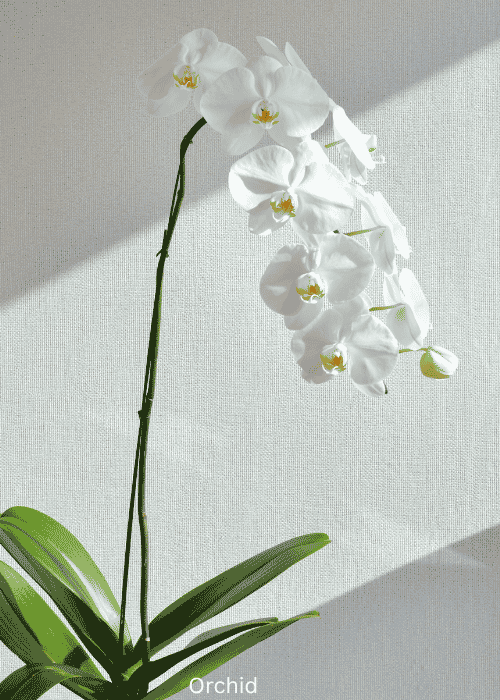
Why it thrives: Phalaenopsis orchids (moth orchids) are the most beginner-friendly orchids. They bloom for months and rebloom reliably indoors.
Blooms: Delicate, butterfly-like flowers in white, pink, purple, red, or bi-colors. A single spike can hold 15-20 flowers and bloom for 2-3 months straight.
Light needed: Bright indirect light. A few feet from a south or east-facing window. Direct sun burns the leaves, but inadequate light stops blooming.
Care:
- Water once a week by submerging the pot in water for 10 minutes, then letting it drain completely. Orchids hate sitting in water.
- Humidity is crucial (60%+ ideal) – mist 2-3 times per week or use a pebble tray
- Fertilize every 2-3 weeks with diluted orchid fertilizer (lower nitrogen than other plants)
- Temperature: 65-75°F during day, 55-65°F at night. The temperature drop triggers blooming.
- Don’t repot unless absolutely necessary – orchids bloom better in tight pots
The myth: “Orchids are difficult.” They’re not. They’re just different from other plants. Once you understand their needs (humidity, proper watering, temperature), they’re reliable bloomers.
The reality: An orchid will bloom for 2-3 months, then rest for 1-2 months, then rebloom. This is normal. Don’t panic when flowers drop – that’s part of the cycle.
Pro tip: To rebloom, give the orchid a cool period (drop temps to 55-60°F at night for 2-3 weeks). This mimics winter in their native habitat and triggers flowering.
Why grow it: Orchid blooms are architectural and long-lasting. One blooming orchid makes your whole room feel fancy.
7. Geranium (Pelargonium)
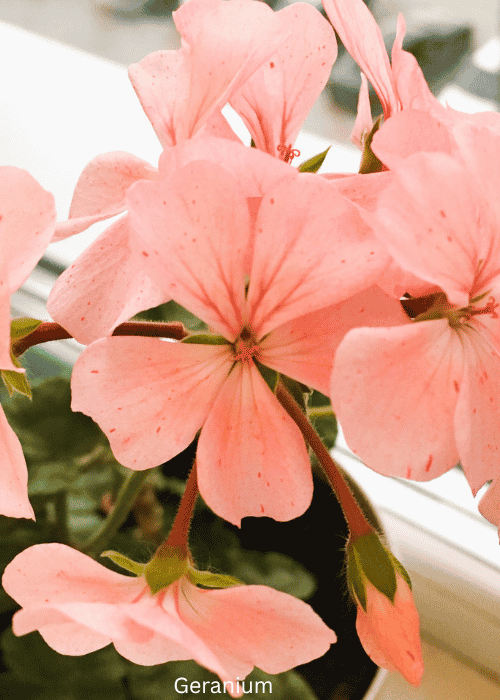
Why it thrives: Geraniums are prolific bloomers. Give them light and moderate care, and they’ll flower almost continuously.
Blooms: Clusters of red, pink, white, or purple flowers. Plus fragrant foliage that smells amazing when you brush against it.
Light needed: Bright indirect light. This is where geraniums want to live. Less light = fewer blooms.
Care:
- Water when top inch of soil dries (don’t overwater – geraniums like it slightly dry)
- Low humidity needed – actually prefers dry air (good for dry homes)
- Fertilize every 2-3 weeks during growing season
- Pinch off spent flowers to encourage more blooms (deadheading is essential)
- Pinch back the growing tips occasionally to keep the plant bushy
- Temperature: 65-75°F, but tolerates cooler temps than most plants (down to 60°F)
The bonus: Scented geraniums exist. Some smell like rose, lemon, apple, mint. The flowers are smaller but the foliage fragrance is intoxicating.
Long-term: Geraniums can live for years and get woody/leggy over time. Periodic heavy pruning keeps them compact.
Window gardener special: Geraniums are the classic windowsill plant. They’ve been grown on sunny kitchen windows for centuries for a reason.
8. Hibiscus (Indoor)
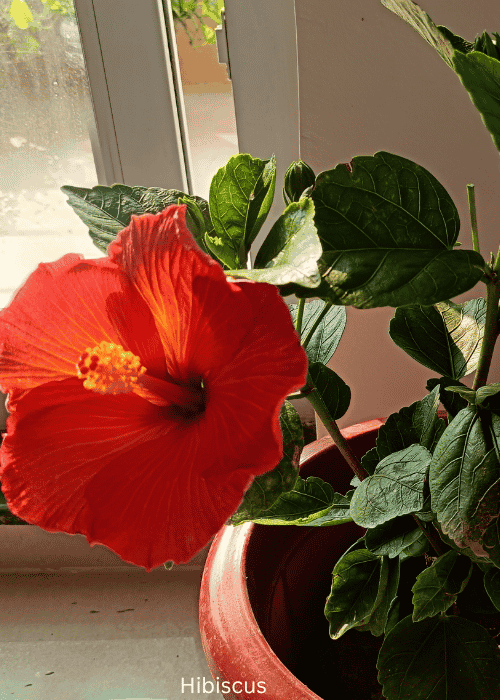
Why it thrives: Tropical hibiscus brought indoors is bold, dramatic, and actually doable with the right care.
Blooms: Large, showy flowers (3-5 inches across) in red, pink, orange, yellow, or coral. Each flower lasts one day, but the plant produces new buds continuously.
Light needed: Very bright indirect light. This plant wants light. A south or west-facing window is ideal.
Care:
- Water when soil surface dries slightly – keep it consistently moist but not waterlogged
- Humidity helps but isn’t essential (mist occasionally)
- Fertilize every 2 weeks during growing season with diluted flowering fertilizer
- Deadhead spent flowers (they fall off naturally, but removing them encourages new buds)
- Temperature: Keep it warm, 70-75°F ideal. Below 65°F and it struggles.
- Repot in spring when it outgrows its pot
- Prune in early spring to control size and shape
The challenge: Hibiscus is pickier than geraniums. Move it, change its care, and it drops buds. But once established in a consistent spot, it blooms reliably.
The reward: Hibiscus blooms are stunning. They’re conversation starters.
Pro tip: If buds drop without opening, check humidity (too dry) and temperature (too cold). Those are the main culprits.
9. Jasmine (Indoor)
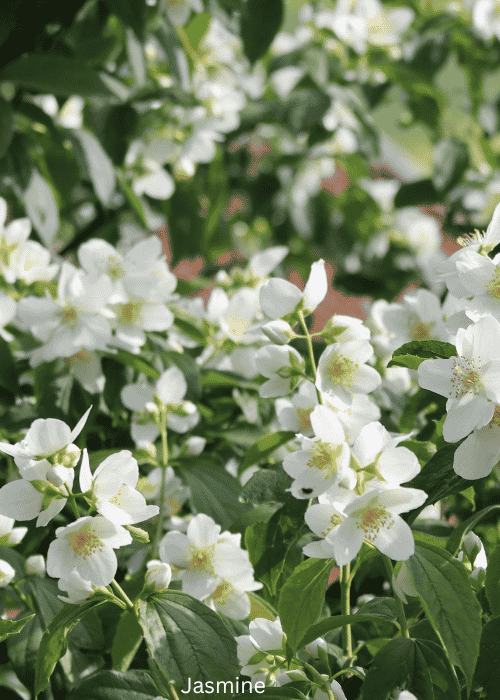
Why it thrives: Jasmine is a vining plant that blooms indoors with consistent light and moderate care. The fragrance is the real reward.
Blooms: Small, delicate white (or pink) flowers. Intensely fragrant – one blooming jasmine plant can fragrance a whole room.
Light needed: Bright indirect light. Some varieties tolerate medium light, but bright indirect is ideal for consistent blooming.
Care:
- Water when top inch of soil dries
- Moderate humidity (mist occasionally, but not critical)
- Fertilize every 2-3 weeks during growing season
- Can be trained on a trellis or left to vine naturally
- Prune after flowering to control shape and encourage bushiness
- Temperature: 65-75°F, can tolerate cooler temps at night (which actually triggers more blooming)
The unique angle: Jasmine blooms indoors, but the real draw is fragrance. If you’re a fragrance lover, this is your plant.
Growing style: Jasmine is naturally vining. You can train it on a small trellis, let it cascade from a shelf, or coil it around a moss pole for a more sculptural look.
Seasonal note: Jasmine often blooms more heavily in spring and fall when temps cool slightly. Summer blooming can slow down.
10. Bougainvillea (Dwarf Indoor)
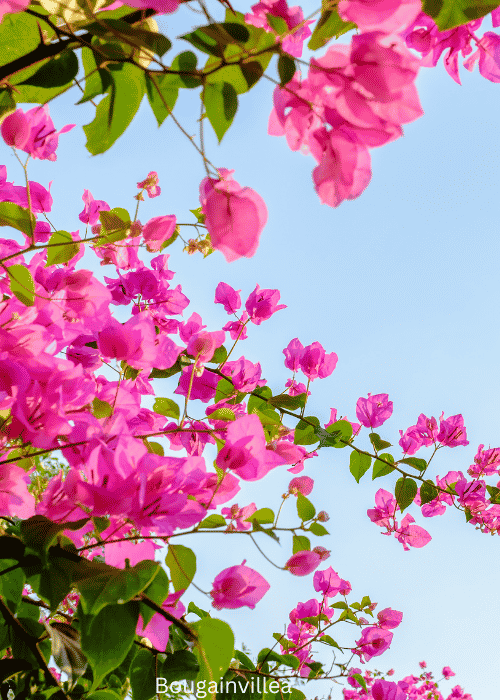
Why it thrives: Bougainvillea is traditionally a landscape plant, but dwarf varieties can thrive indoors with bright light.
Blooms: The colorful “flowers” are actually bracts (modified leaves). Real flowers are small and white, surrounded by showy red, pink, purple, orange, or magenta bracts. The color display is spectacular.
Light needed: Very bright indirect light, or even some direct sun. This is a sun-lover. Less light = fewer/smaller blooms.
Care:
- Water when top inch of soil dries, then let it dry out again (drought-tolerant)
- Very low humidity (actually prefers dry air)
- Fertilize every 2-3 weeks during blooming season with flowering fertilizer high in phosphorus
- Deadhead spent flower clusters to trigger new blooms
- Prune in spring to control size
- Temperature: Prefers warm (70-75°F), but can tolerate cooler temps (down to 60°F)
The challenge: Bougainvillea is the diva of this list. Move it, change its light, overwater it, and it drops its colorful bracts. But in the right spot with consistent care, it blooms prolifically.
The reward: Few indoor plants are as colorful and dramatic as a blooming bougainvillea.
Pro tip: Slightly underpot bougainvillea (use a pot just barely larger than the root ball). This stresses the plant slightly, which triggers more blooms.
Medium-Light Flowering Plant Quick Care Comparison
| Plant | Bloom Duration | Humidity Needed | Watering | Light Critical? | Temperature |
|---|---|---|---|---|---|
| Orchid | 2-3 months | High | Moderate (weekly soak) | Very | 65-75°F (cool nights help) |
| Geranium | Continuous | Low | Moderate-Sparse | Yes | 65-75°F |
| Hibiscus | Continuous | Moderate | Moderate | Very | 70-75°F |
| Jasmine | Seasonal (spring/fall) | Moderate | Moderate | Somewhat | 65-75°F |
| Bougainvillea | Continuous | Low | Sparse | Very | 70-75°F |
Which Medium-Light Flower Should You Start With?
If you have a sunny window: Start with geranium or bougainvillea. Both are sun-lovers and reward you with prolific blooms.
If you want long-lasting flowers: Choose orchid. Blooms last 2-3 months, and they’re stunning.
If you want fragrance: Pick jasmine. The scent is intoxicating.
If you want drama: Go with hibiscus or bougainvillea. Both have large, colorful, showy blooms.
If you want low-maintenance within this group: Choose geranium. It’s forgiving, prolific, and doesn’t demand much.
The Medium-Light Advantage
Medium-light plants bloom more reliably and frequently than low-light plants. If you have a room with decent ambient light or a window a few feet away, you’re in the sweet spot for growing a variety of blooming houseplants.
The trade-off? Some are pickier than others (orchids, hibiscus, bougainvillea). But all of them reward consistent care with consistent blooms.
Best Flowers for Bright Light
Bright light is where indoor flowers truly flourish. South and west-facing windows, or close proximity to any window with consistent direct sun. If you have this, you can grow some of the most stunning, prolific bloomers.
11. Geranium (Pelargonium – True Geranium)
Why it thrives: Geraniums are sun-worshippers. Give them bright light and they’ll flower almost year-round.
Blooms: Dense clusters of red, pink, white, or bi-color flowers. Plus fragrant foliage that’s part of the appeal.
Light needed: Very bright light, ideally some direct sun. A south or west-facing window is perfect.
Care:
- Water when top inch of soil dries (geraniums hate wet feet)
- Low humidity preferred – dry air is fine
- Fertilize every 2-3 weeks during growing season
- Deadhead spent flowers aggressively – this is key to continuous blooming
- Pinch back growing tips occasionally to maintain a compact, bushy shape
- Temperature: 65-75°F, tolerates cooler temps better than most (can handle 55-60°F)
The difference from medium-light geraniums: In bright light, geraniums become powerhouse bloomers. The flowers are larger, more numerous, and the plant is more vibrant.
Long-term growth: Geraniums get woody over time. After 2-3 years, do a hard pruning in spring to rejuvenate the plant.
Pro tip: Geraniums tolerate neglect better than almost any flowering plant. Forget to water for a week? They’ll survive. Miss a fertilizer application? No problem. They’re forgiving.
12. Camellia (Indoor/Conservatory)

Why it thrives: Camellia is an elegant, sophisticated bloomer. Indoors, it produces rose-like flowers that feel luxurious.
Blooms: Large, intricate flowers (2-4 inches) in white, pink, or red. Some varieties have ruffled petals or semi-double blooms. Elegant and refined.
Light needed: Bright indirect light. Some direct morning sun is fine, but afternoon sun can scorch leaves.
Care:
- Water when soil surface dries slightly – keep it consistently moist but not waterlogged
- High humidity helps (60%+) – mist regularly or use a pebble tray
- Fertilize every 4-6 weeks during growing/blooming season with diluted acidic plant fertilizer
- Deadhead spent flowers to extend blooming
- Temperature: Prefers cooler temps (60-70°F is ideal). This actually triggers more blooming. Warmer temps can reduce flower production.
- Repot only when absolutely necessary (camellias like being rootbound)
The reality: Camellia blooms in winter or early spring (depending on variety). This makes it special – fresh flowers when outdoor gardens are dormant.
The challenge: Camellias need consistent moisture and humidity. Neglect them and bud drop happens. But with steady care, they’re reliable bloomers.
Why grow it: Camellia flowers are architectural and beautiful. They’re the fancy houseplant – the one that makes you feel like you have taste.
13. Azalea (Indoor)
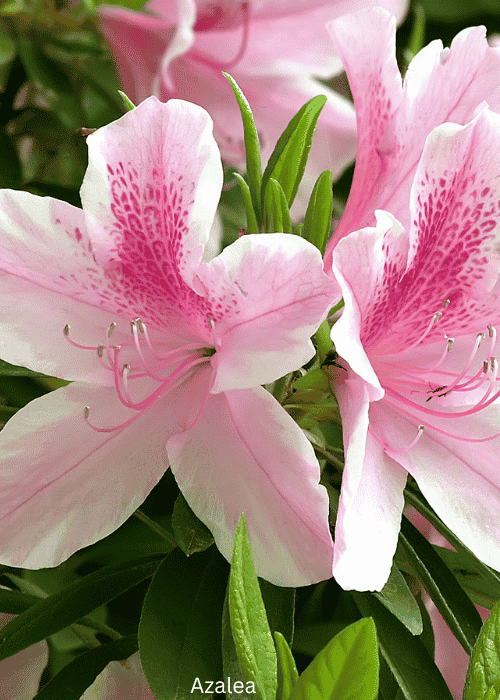
Why it thrives: Indoor azaleas (often sold around winter holidays) can rebloom year after year if given the right care.
Blooms: Dense clusters of flowers in white, pink, red, purple, or bi-colors. Some varieties have ruffled edges. Spectacular in bloom.
Light needed: Bright indirect light. Avoid direct afternoon sun, which can fade the flowers.
Care:
- Water consistently to keep soil moist (not soggy, not dry)
- High humidity crucial (65%+) – mist daily or use a pebble tray. This is non-negotiable.
- Fertilize every 2 weeks during growing season with diluted acidic plant fertilizer
- Deadhead spent flowers after blooming to redirect energy
- Temperature: Prefers cool temps (60-70°F). Warm rooms reduce blooming.
- After flowering, move to a cooler location (50-60°F) for 6-8 weeks to trigger next year’s blooming
- Repot only every 2-3 years, in spring after blooming
The seasonal angle: Azaleas are often given as gifts around winter holidays. Most people treat them as disposable. But they’ll rebloom for years with proper care.
The commitment: Azaleas need consistent humidity and cool temps. They’re pickier than geraniums. But if you give them what they want, you get spectacular blooms year after year.
14. Cyclamen (Indoor)
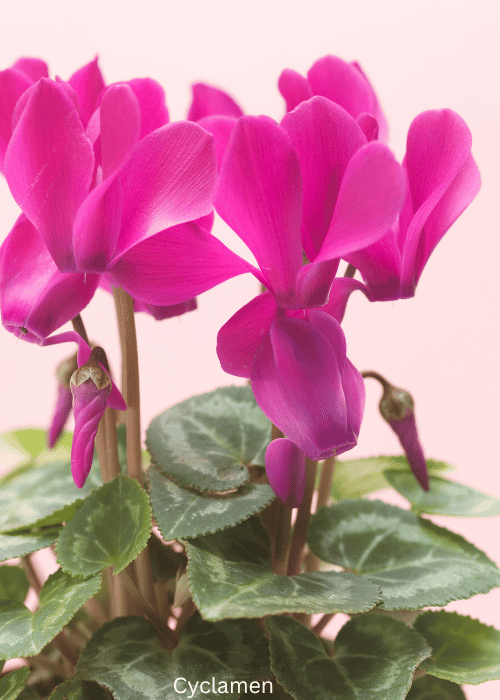
Why it thrives: Cyclamen is a winter bloomer. When most houseplants are dormant, cyclamen is flowering.
Blooms: Delicate, butterfly-like flowers in white, pink, red, or bi-colors. Upward-facing petals with swept-back wings. Unusual and charming.
Light needed: Bright indirect light. Avoid direct afternoon sun, which shortens the blooming period.
Care:
- Water consistently but let soil dry slightly between waterings
- High humidity helps (mist, pebble tray, or grouping with other plants)
- Fertilize every 2-3 weeks during blooming season with diluted flowering plant fertilizer
- Temperature: Cool is critical – 60-70°F is ideal, even cooler at night (55-65°F). Warm rooms kill cyclamen. This is THE condition for success.
- Deadhead spent flowers by gently twisting them off at the base
- After flowering (spring), allow the plant to dry out and go dormant. Store in a cool, dry place until fall, then resume watering.
The unique appeal: Cyclamen blooms in winter when few other plants flower. Plus, the flowers are genuinely beautiful and unique-looking.
The challenge: Cyclamen absolutely demands cool temps. If your home is warm (above 72°F), cyclamen will struggle. It’s not forgiving.
Reblooming: With proper dormancy care, cyclamen returns to bloom the following winter.
15. Caladium (Foliage + Subtle Blooms)
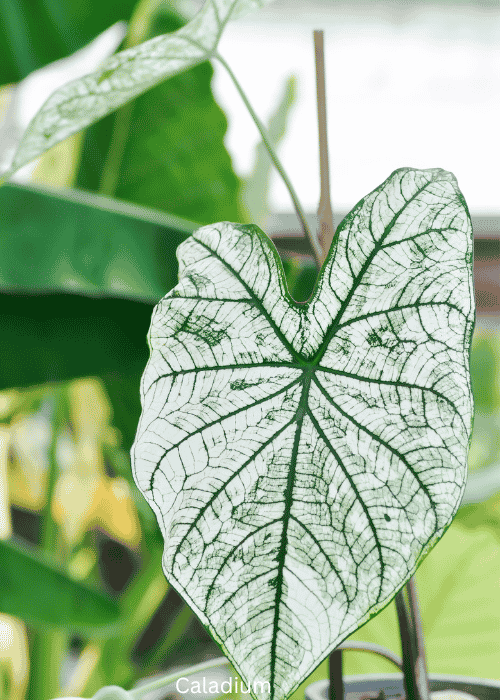
Why it thrives: Caladium is technically a foliage plant, but it does produce delicate white spathes (like peace lily flowers). The real star is the stunning foliage.
Blooms: Small, cream-colored spathes emerge from the foliage. Subtle but present. The foliage (red, pink, white, green, and combinations) is the main show.
Light needed: Bright indirect light. Some varieties tolerate medium light, but bright indirect brings out the best colors.
Care:
- Water when top inch of soil dries – keep it consistently moist during growing season
- High humidity crucial (65%+) – caladiums love humid air. Mist regularly, use a pebble tray, or group with other plants.
- Fertilize every 2-3 weeks during growing season with diluted all-purpose fertilizer
- Temperature: Warm (70-75°F) – caladiums are tropical and hate cold. Below 60°F and they go dormant.
- In fall, allow the plant to die back naturally. Reduce watering, allow it to dry out, then store the tuber in a cool (55-60°F), dry place over winter.
- In spring, repot the tuber and resume watering to start the cycle again.
The design angle: Caladiums add color and tropical feel to indoor spaces. The foliage patterns are almost artistic – some look like stained glass.
The seasonal note: Caladiums grow and bloom in warm months (spring/summer), then go dormant in cooler months (fall/winter). This is natural.
Long-term: Caladium tubers can live for decades. Each year they return, often producing more foliage and growth.
Bright-Light Flowering Plant Quick Care Comparison
| Plant | Bloom Season | Humidity Needed | Temperature Critical? | Difficulty |
|---|---|---|---|---|
| Geranium | Continuous | Low | Moderate | ⭐⭐ (easy) |
| Camellia | Winter/Spring | Moderate-High | Moderate (prefers cool) | ⭐⭐⭐ (medium) |
| Azalea | Winter/Spring | High | Moderate (prefers cool) | ⭐⭐⭐ (medium) |
| Cyclamen | Winter | Moderate | High (must be cool) | ⭐⭐⭐⭐ (challenging) |
| Caladium | Spring/Summer | High | Moderate (prefers warm) | ⭐⭐⭐ (medium) |
Which Bright-Light Flower Should You Start With?
If you want the easiest option: Choose geranium. It’s nearly foolproof with bright light and minimal care.
If you want winter/holiday blooms: Pick camellia, azalea, or cyclamen. All flower when few other plants do.
If you want tropical elegance: Go with caladium. The foliage is stunning and it adds drama to any room.
If you have cool temps: Azalea or cyclamen are perfect. They actually prefer cooler conditions.
If you want year-round blooms: Stick with geranium. The others are seasonal.
Bright Light = More Blooms
The pattern is clear: bright light supports more frequent, more prolific blooming. If you have access to bright indirect light or even some direct sun indoors, you can grow the most dramatic flowering houseplants.
The trade-off? Some bright-light plants (cyclamen, azalea, camellia) are pickier about temperature and humidity. But all of them reward consistent, thoughtful care with stunning flowers.
Conclusion
You don’t need a garden to grow flowers. You just need to understand what each flower actually needs and give it that consistently.
Here’s what you’ve learned:
Light matters most. It’s the #1 factor in whether your indoor flowers bloom. African violets thrive in low light. Geraniums demand bright light. Know your light situation and pick flowers accordingly.
Humidity, temperature, and watering are the supporting cast. Get those three right, and your flowers will thrive. Get them wrong, and even the easiest plants fail.
You have options at every light level. No matter what your home offers – dim corners, medium-lit rooms, or bright sunny windows – there’s a blooming flower for you. No excuses.
Consistency beats perfection. Your orchid doesn’t care if you water it on Tuesday or Wednesday. It cares that you water it about the same day every week. Your geranium doesn’t mind if you forget to fertilize one month. It minds if you never fertilize. Steady, predictable care is the secret.
Your Next Move
Pick one flower from this list that matches your light situation. Just one. Don’t buy five plants and overwhelm yourself.
Buy it, bring it home, give it the care outlined above, and watch it bloom. That’s the rush – when your plant produces its first flower indoors. You’ll feel like a magician.
Once that one is thriving, add another. Build your indoor flower collection gradually. By next year, you could have African violets in your dim bedroom, geraniums on your sunny kitchen windowsill, and an orchid blooming on your living room shelf.
Fresh flowers year-round. No garden required.
Related Reading
- Succulent Care 101: Everything You Need to Know – For succulent lovers who want to branch into succulents as indoor plants
- Succulent Propagation 101: Grow Free Plants from Leaves – Many indoor plants (like African violets) propagate easily
- Container Gardening Ideas for Small Spaces – Containers are the foundation of indoor flower growing
- How to Plan a Garden Layout (From Scratch) – For readers thinking about expanding beyond indoor to outdoor gardening
- 12 Outdoor Succulents for Dry Climates – For readers ready to move plants outdoors
Which of these indoor flowers are you growing right now? Or which one are you planning to add to your home? Drop it in the comments – I’d love to know what’s blooming on your windowsill.
Last modified: July 11, 2026
