

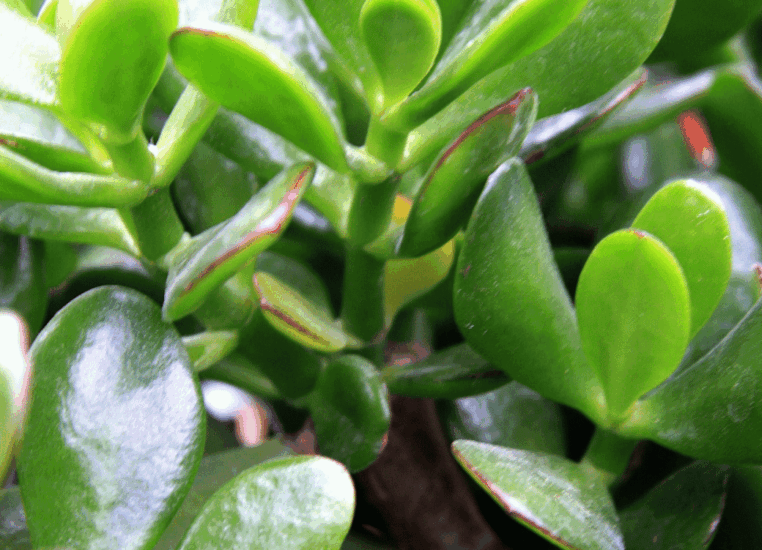
Dry yards can still look rich, sculpted, and full of life. The right succulents give you strong shapes, silver-blue leaves, spiky rosettes, and bright blooms without the constant watering that many gardens demand.
If you want an easy yard that stays attractive through heat and long dry spells, these 12 picks can help. They cut back on upkeep, handle tough sun, and bring that clean desert-garden look people save on Pinterest again and again.
In the sections ahead, you will see smart plant choices, simple comparison tips, and a clear table for all 12 outdoor succulents. Think bold agave, glowing aloe, trailing ice plant, and soft hens-and-chicks tucked into stone borders and gravel beds.
The Reason Why Succulents Suit Dry Yards
I like outdoor succulents because they make a yard look designed, even when the weather stays hot and dry for weeks. Their leaves hold water, so I do not have to fuss over them every few days. That saves time, and it also saves money on water.
- Low water use: Succulents such as agave, aloe, sedum, echeveria, and ice plant keep going with far less water than thirsty shrubs or lawn.
- Easy style: Plants like hens-and-chicks, red yucca, prickly pear, aeonium, jade plant, kalanchoe, and dasylirion add shape, color, and texture fast.
My yard feels calmer with gravel, stone, and strong plant forms. In a dry climate, that simple look works beautifully because the plants fit the place.
Excellent image match · 8/10 Image shows multiple potted succulents with red flowers, suitable for dry climates.
What Makes a Plant Drought Tough
Some plants fade fast in heat. Drought tough succulents do the opposite because they are built for hard conditions.
Water stored in leaves
Thick leaves and fleshy stems act like small tanks. That is why aloe, jade plant, and echeveria can stay firm and healthy after the soil dries out. Waxy skin also slows water loss, which helps during hot wind and full sun.
Roots and growth habits
Many succulents grow close to the ground or spread slowly, which helps protect moisture in the soil. Sedum and hens-and-chicks are great examples. Agave and dasylirion send out strong roots and hold their shape well in poor soil.
I also look for plants that do not mind reflected heat from stone paths or walls. That one trait matters a lot in easy landscapes.
Quick Table for Plant Comparison
If I am choosing plants for a dry yard, I want to compare them fast. This table helps me see size, sun needs, cold tolerance, and water habits in one place.
| Plant | Size | Sun | Cold Tolerance | Water |
|---|---|---|---|---|
| Agave | 2-6 ft wide | Full sun | Varies by type | Low |
| Aloe | 1-3 ft | Sun to part sun | Low | Low |
| Sedum | 6 in-2 ft | Full sun | High | Low |
| Hens-and-chicks | 3-6 in | Full sun | High | Low |
| Ice plant | 3-6 in | Full sun | Medium | Low |
| Prickly pear | 1-6 ft | Full sun | Medium to high | Very low |
| Red yucca | 2-4 ft | Full sun | Medium | Low |
| Echeveria | 4-12 in | Sun to part sun | Low | Low |
| Aeonium | 1-3 ft | Part sun | Low | Low |
| Jade plant | 2-6 ft | Sun to part sun | Low | Low |
| Kalanchoe | 1-2 ft | Sun to part sun | Low | Low |
| Dasylirion | 3-6 ft | Full sun | Medium | Very low |
My recommendation is simple. Pick sedum or hens-and-chicks for colder spots, and choose aloe, agave, or aeonium for warmer yards.
1. Agave for Bold Structure
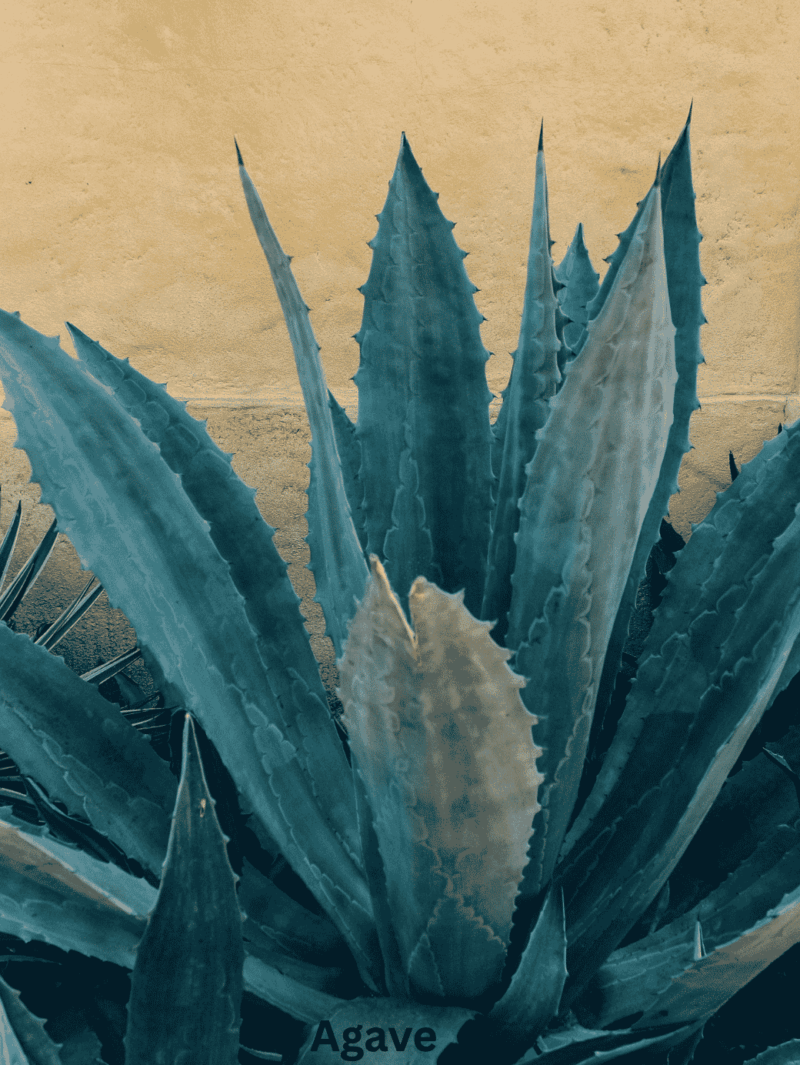
Agave brings instant shape to a dry landscape. I use it when a bed feels flat or weak because one large rosette can anchor the whole space. Its thick leaves look striking against gravel, boulders, and pale concrete.
Best place to use it
- Bold structure: Plant agave where its form can stand out, like near an entry, beside a path with space, or in a gravel island bed.
- Give it room. Mature plants can spread wide, and crowded agave never looks as strong.
What to watch for
Those sharp leaf edges matter. I keep agave away from tight walkways, play zones, and spots where people brush past the plant. In the right place, however, it gives a yard that clean, sculptural look that dry gardens do so well.
2. Aloe for Warm Garden Borders
Aloe is one of my favorite outdoor succulents for sunny borders. It stays neat, handles heat well, and softens hard edges from stone or gravel. Many types also send up orange, yellow, or coral blooms that light up the garden.
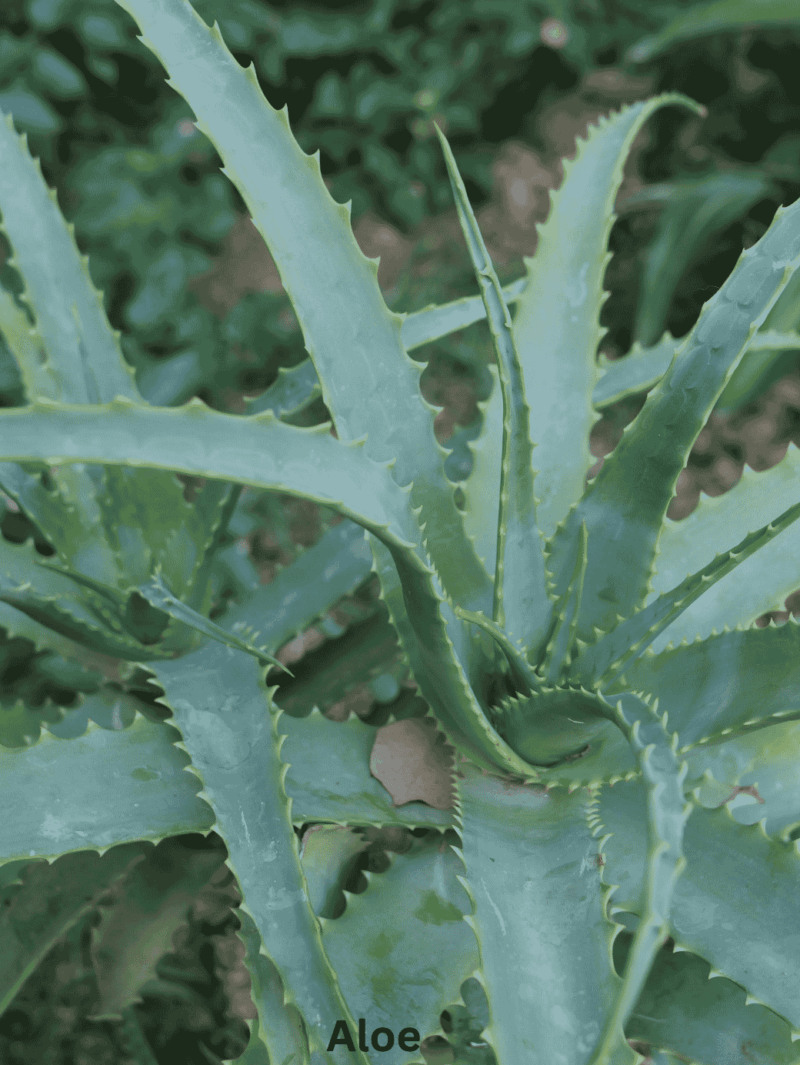
I like aloe along warm walls, driveway edges, and front beds where the leaves can catch the light. The foliage looks smooth and calm beside rough rock, spiky grasses, or red mulch. It gives a border color even when flowers are not open.
My recommendation: choose aloe if you want a dry-climate plant that looks polished with little effort. If your winters get cold, grow it in a protected spot or use a pot you can move.
3. Sedum for Ground Level Color
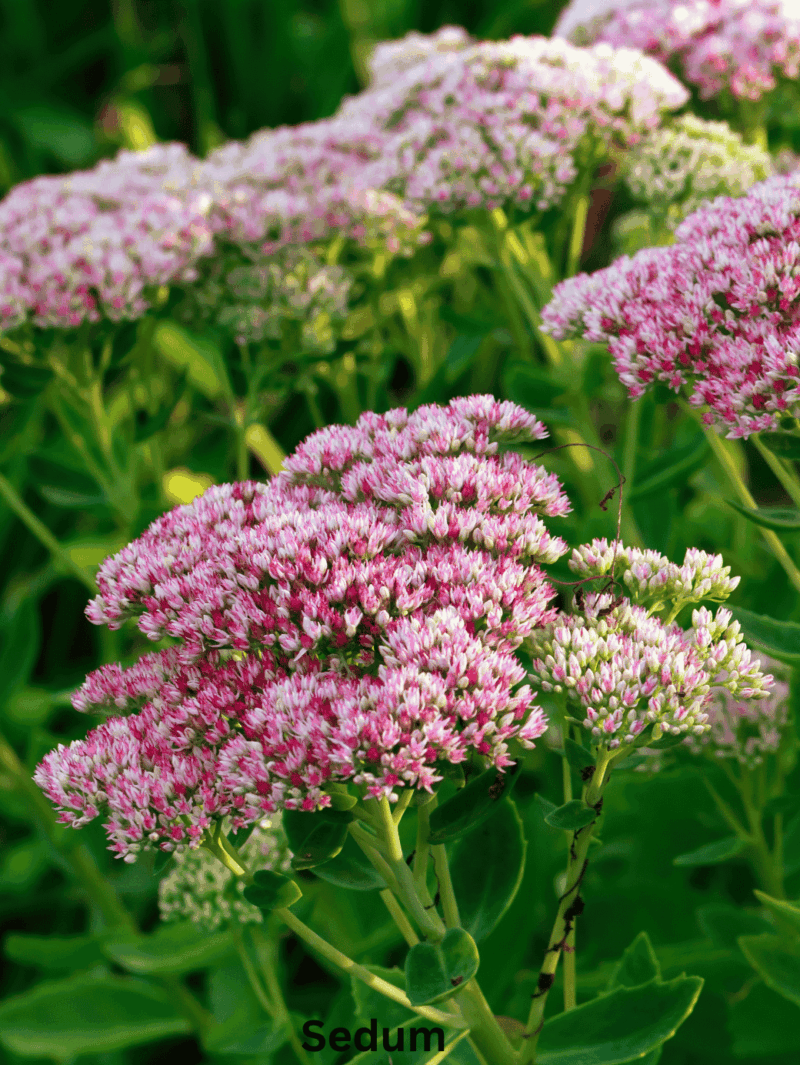
Sedum is one of my favorite choices for bare spots in hot, dry gardens. It stays low, spreads well, and adds ground cover without asking for much water.
Why it works
Many sedum types handle full sun, rocky soil, and reflected heat from paths or walls. That makes them useful in places where other plants struggle. I also like the way the leaves shift in color through the season, from green to blue, gold, or red.
Best use in the yard
Plant sedum along borders, between stones, or across the front of a sunny bed. It softens hard edges and helps the soil stay covered. Give it sharp drainage, and do not crowd it with thirsty plants.
If you want color at ground level with very little fuss, I would recommend sedum first.
4. Sempervivum for Cold Dry Spaces
Some succulents fade fast in cold weather. Sempervivum, often called hens and chicks, does the opposite. It stays neat, compact, and tough through dry summers and cold winters.
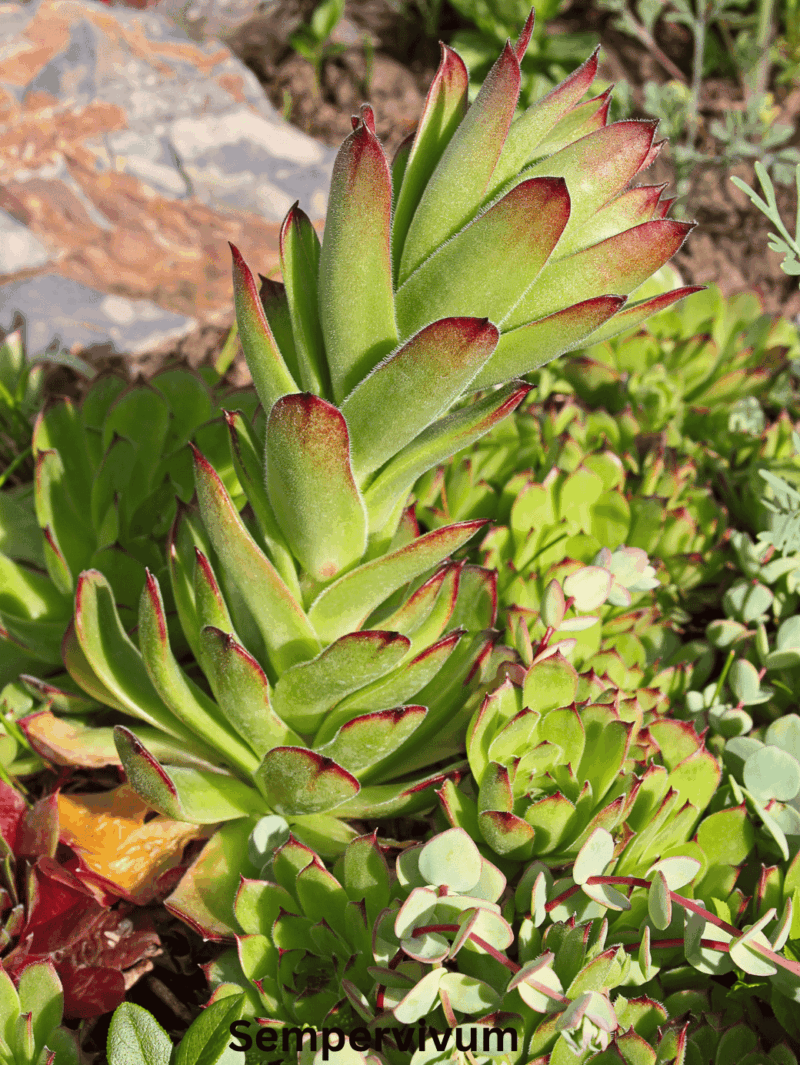
- Cold tolerance: This plant handles frost better than many outdoor succulents, so it suits higher elevations and colder zones.
- Small-space fit: The rosettes sit low and tidy, which makes them great for wall pockets, gravel beds, and rock gardens.
- Easy spread: Offsets form around the main plant, therefore you get more coverage over time without much work.
I would use sempervivum where winters bite and water stays limited. It is small, but very dependable.
5. Yucca for Height and Texture
Flat planting can make a dry yard feel dull. Yucca fixes that fast. Its sharp leaves rise above lower plants and bring vertical interest to the whole space.
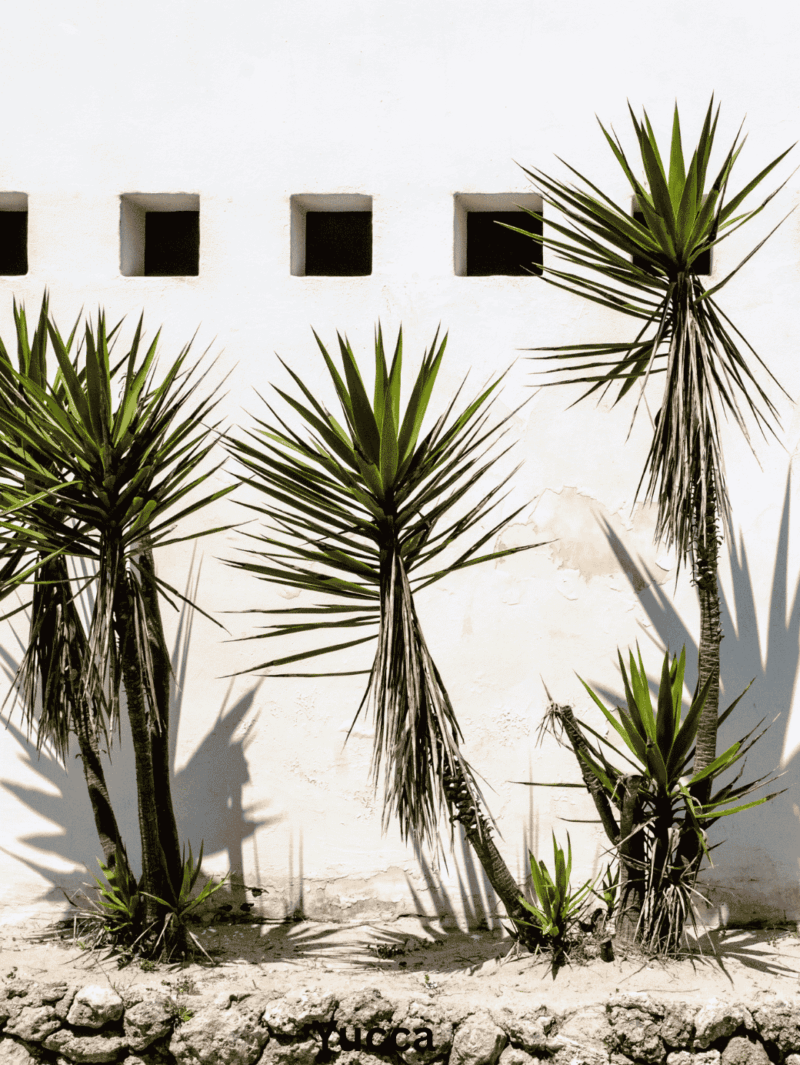
I often recommend yucca for simple yards that need shape without extra care. It thrives in full sun, poor soil, and long dry spells. Some types stay compact, however others grow into bold focal points that anchor a bed or frame a walkway.
Give yucca room and keep it out of tight paths, because the pointed leaves can be stiff. In the right spot, it adds structure all year and makes softer succulents look even better.
6. Echeveria for Rosette Style
Echeveria looks refined, almost sculpted, and that is why many gardeners love it. The rosettes come in soft blue, silver, pink, and purple tones that stand out in containers and tidy borders.
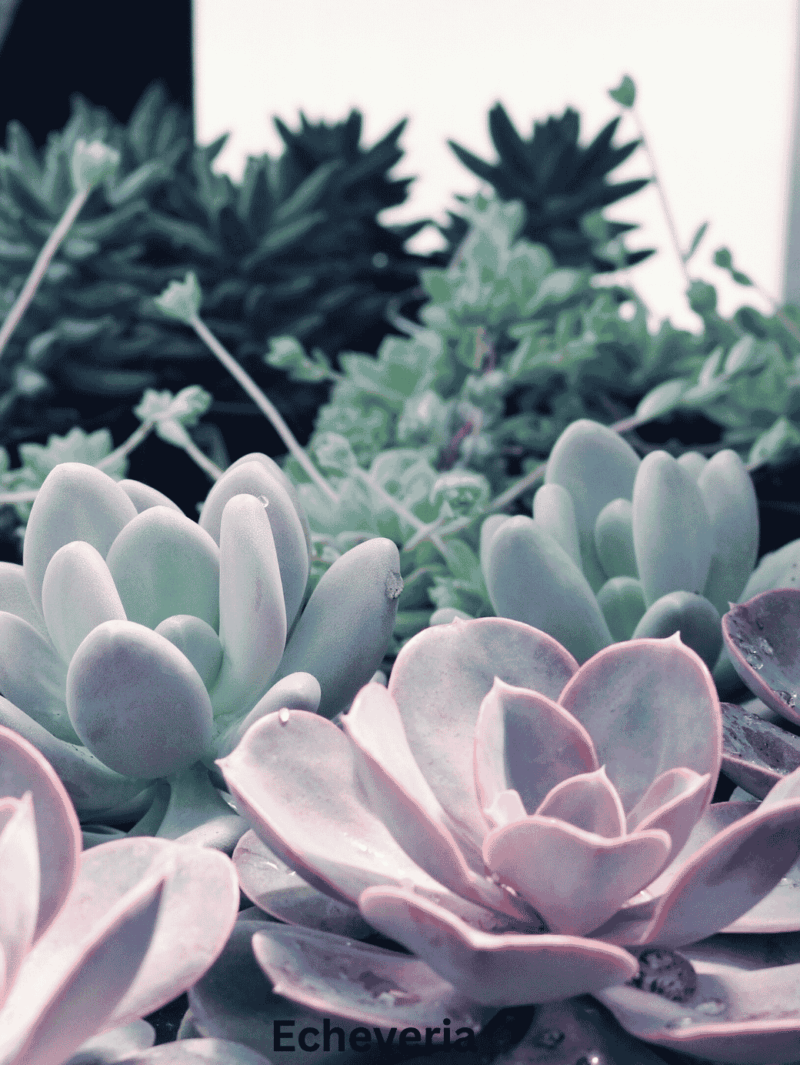
Where it shines
- Mild climates: Echeveria does best outdoors where frost is rare or very light.
- Visible spots: Place it near patios, entry paths, or grouped pots where the leaf shape can really show.
I like echeveria for a polished look, especially in small yards. Keep water light, protect it from long wet periods, and move container plants if a hard freeze is coming.
7. Opuntia for Desert Character
Opuntia, or prickly pear cactus, gives a yard that true dry-country look. The pads, spines, and wide form create instant desert appeal, even in a simple planting bed.
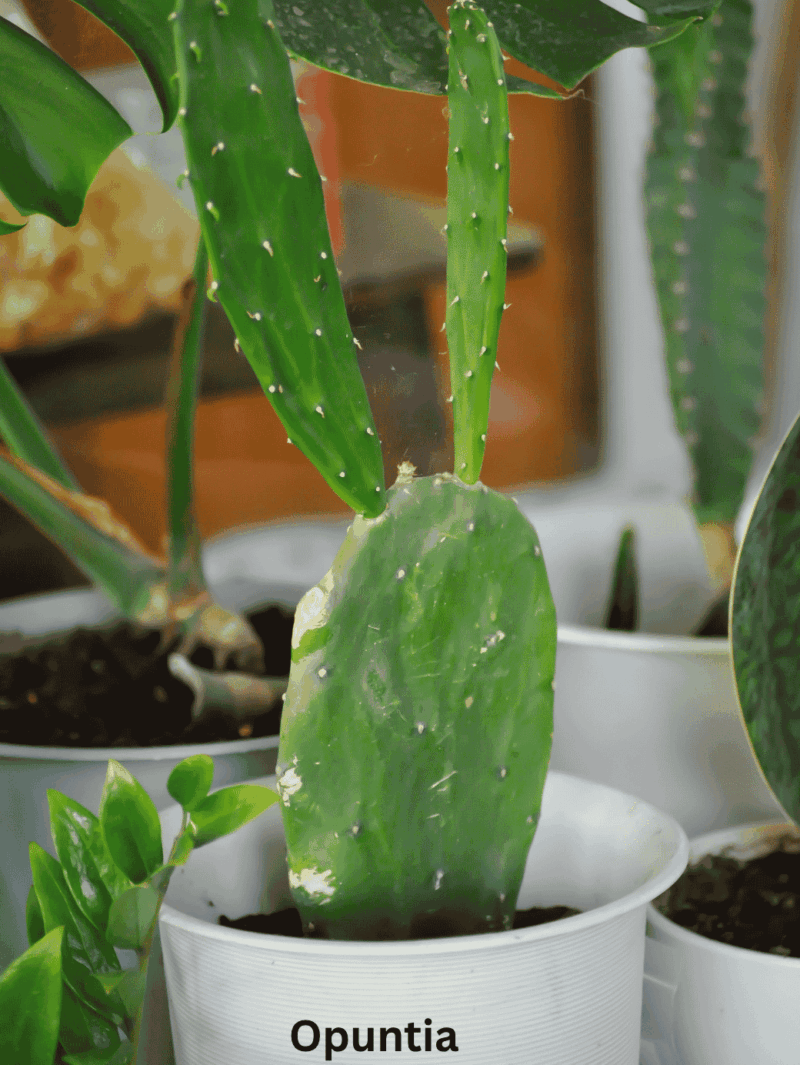
Heat hero
This cactus handles blazing sun and intense heat with ease. I recommend it for the hottest part of the yard, especially where soil drains fast and rain is rare.
More than tough
Opuntia also brings seasonal color. Many kinds bloom with bright flowers, and some grow edible fruit. That extra show makes it more than a survival plant.
Set it away from busy paths and play areas. If you want a bold, low-water plant with strong character, opuntia is a smart pick.
8. Portulaca for Sunny Edges
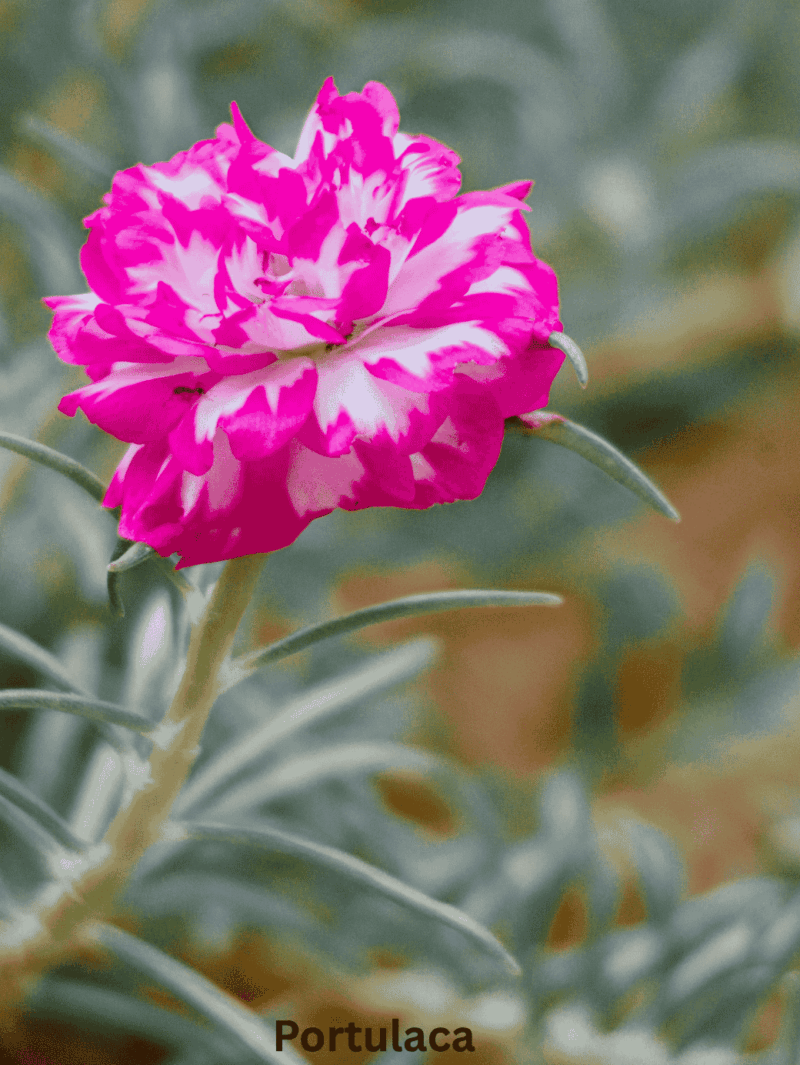
Portulaca works hard in the hottest part of the yard. I use it near paths, along borders, and in spots where other plants burn out by July. Its low habit keeps the edge neat, and the flowers keep coming when the sun feels harsh.
Why it earns space
The big win is heavy bloom. Portulaca gives bright pink, orange, yellow, and red flowers over a long season. The leaves stay small and tidy, so the plant does not look messy.
Where I plant it
It does best in fast-draining soil and full sun. I avoid rich soil because that can push soft growth and fewer flowers.
If you want a cheerful border with very little fuss, this one is easy to recommend.
9. Ice Plant for Bright Coverage
Ice plant is one of my favorite choices for hot, open ground. It spreads low and fast, which helps cover bare soil before weeds move in.
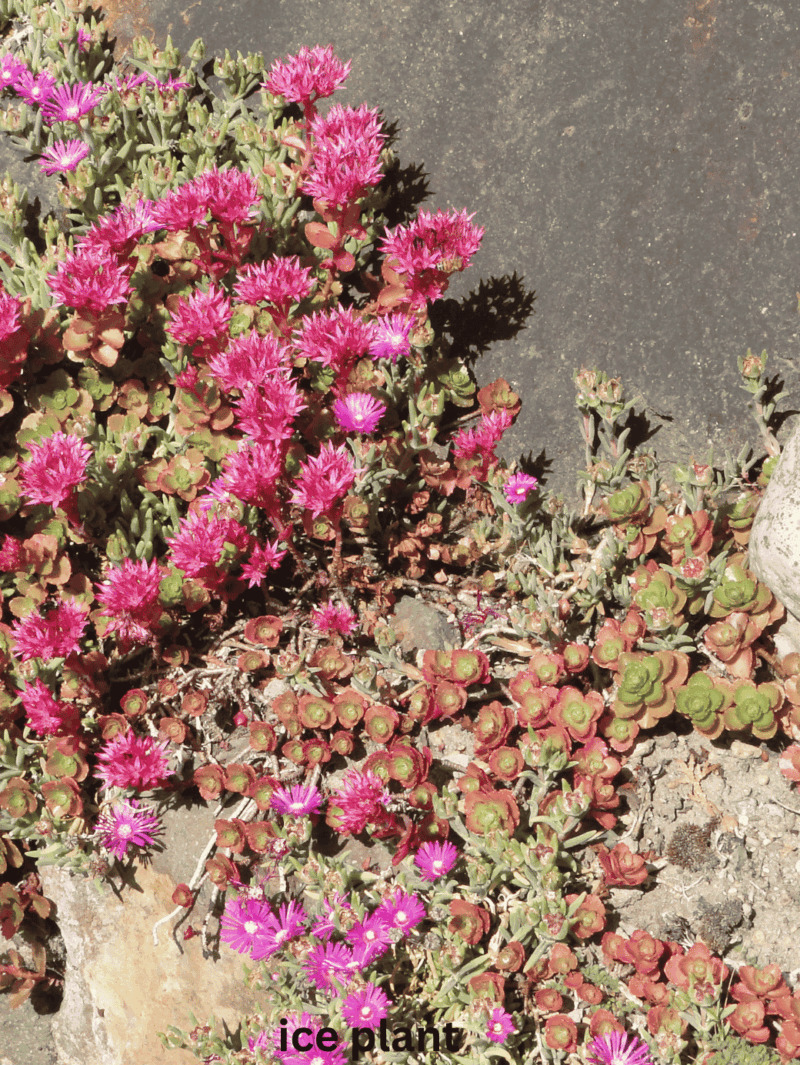
- Fast spread: It forms a dense mat, so it works well on slopes, wide beds, and sunny strips by driveways.
- Bright flowers: The blooms look almost neon in strong sun, which gives dry areas a more lively feel.
- Low watering: After it settles in, I water only now and then.
Give it sharp drainage. Wet winter soil can cause trouble, however hot and dry summer weather suits it very well.
10. Aeonium for Mild Coastal Climates
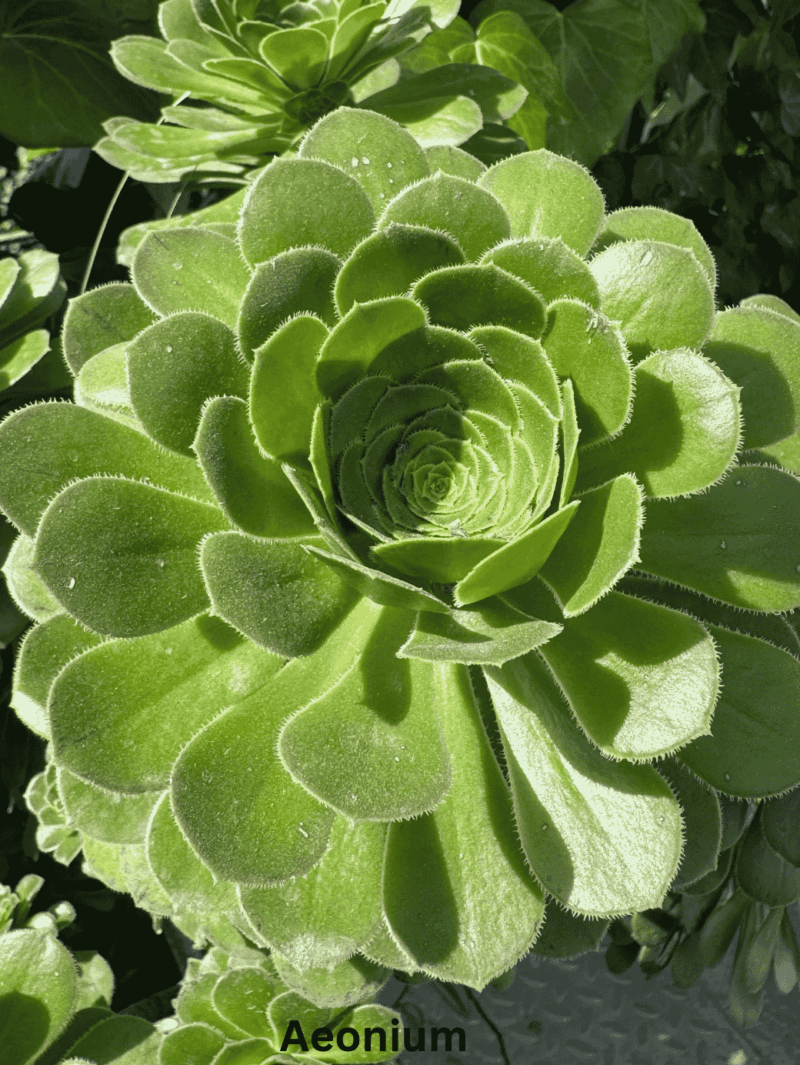
Aeonium looks different from many outdoor succulents for dry climates. Its stems hold rosettes above the ground, which gives beds a layered, almost sculpted look. I like that upright shape because it breaks up low plantings without feeling heavy.
Best climate match
- Mild weather: Aeonium prefers cooler summers and gentle winters.
- Coastal gardens often suit it well because heat stays less intense there.
What to watch
Very harsh sun can scorch the leaves, and hard frost can damage the plant. I place mine where it gets bright light but some afternoon relief.
For a dry yard near the coast, aeonium brings color and form in a fresh way.
11. Kalanchoe for Flowering Interest
Some kalanchoe varieties do more than hold water in their leaves. They also bring clusters of blooms, and that matters when a dry garden starts to feel too gray or too spiky. I like using them near patios, entry paths, or small raised beds where the flowers can be seen up close.
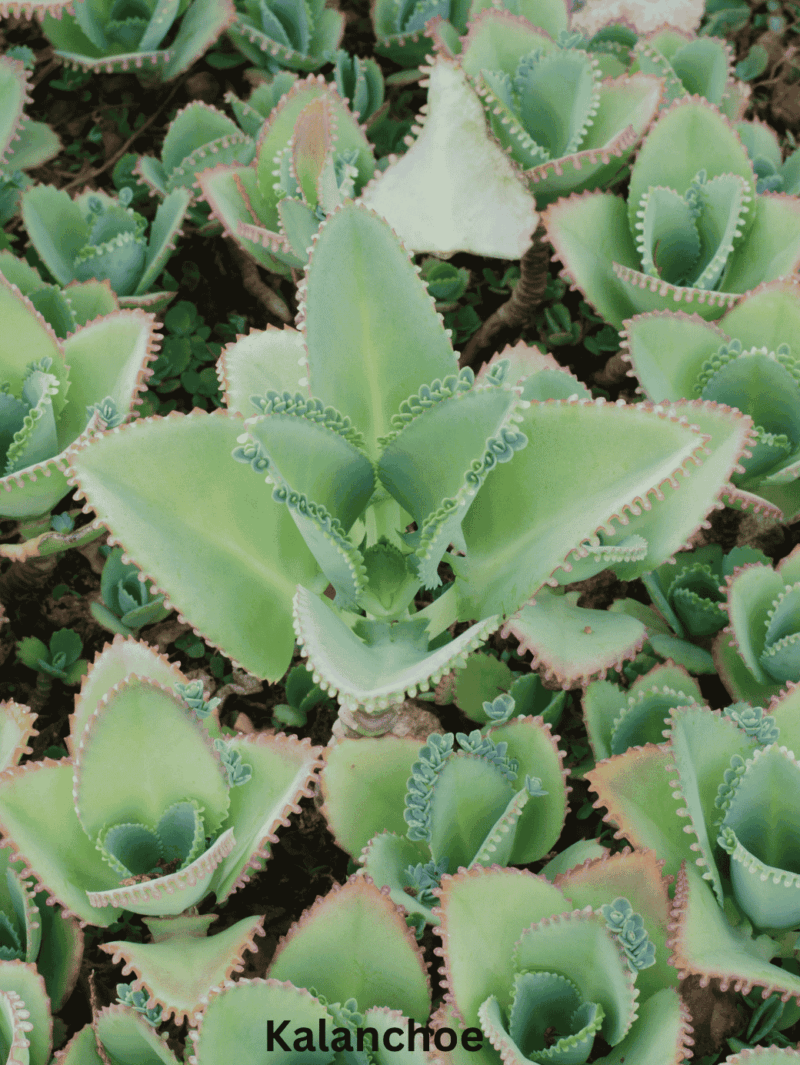
The best part is flower color. Depending on the type, you may get red, orange, pink, or yellow. The thick leaves still give that succulent look, so you get both form and color in one plant.
Kalanchoe needs warmth and good drainage. I protect it from frost because cold damage can show up fast. In warm zones, it is a simple way to add a softer mood to a dry yard.
12. Dasylirion for Architectural Drama
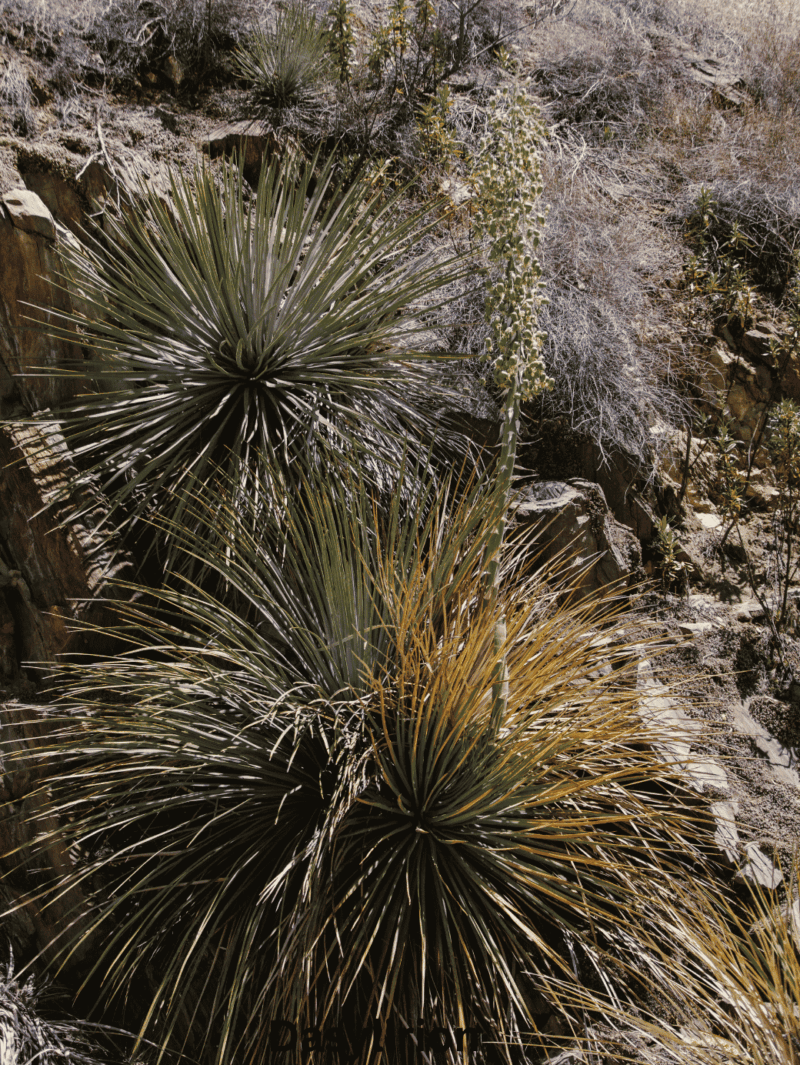
Dasylirion gives a yard a clean, strong outline. The narrow leaves arch into a round shape that looks sharp from every angle. I use it when I want one plant to carry a whole corner.
Why it stands out
Its best feature is architectural form. The leaf sphere feels neat, modern, and bold, especially with gravel, stone, or a simple mulch bed.
How I use it
This plant needs room. I do not crowd it with soft, floppy neighbors because the shape deserves space. Full sun and well-drained soil help it stay firm and attractive.
If your yard needs structure more than flowers, dasylirion is a smart final pick. It makes dry gardens look planned, calm, and expensive.
13. Crassula for Versatile Planting Spots
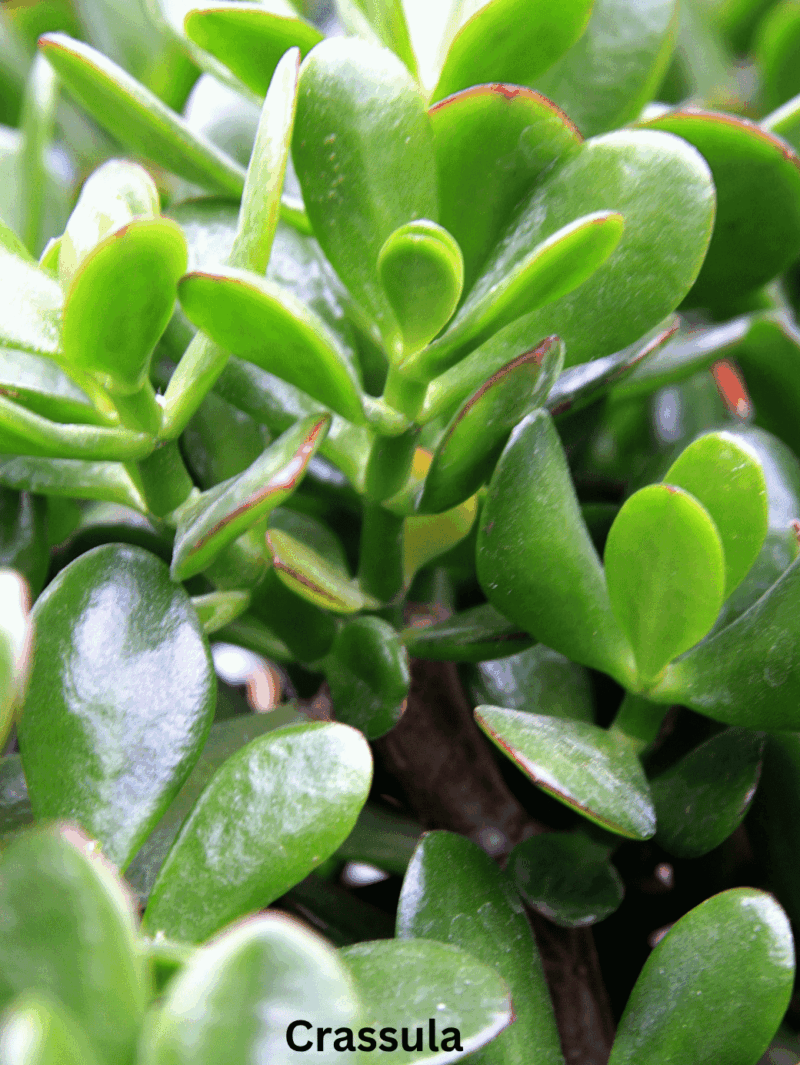
Crassula works in more places than many people expect. I use it in pots, tucked into rock beds, and along dry borders because it handles heat well and keeps a neat shape. Some types stay small, and others branch out more, so I can match the plant to the space instead of forcing one look everywhere.
Where It Fits Best
Crassula shines in spots that need flexible planting. It looks clean beside gravel, stepping stones, and short retaining walls. I also like it on slopes because the roots can settle into small pockets of soil.
Why I Keep Using It
The leaves hold color and form even in lean soil. That matters in easy yards, because a plant that still looks tidy between waterings saves time and effort.
Give it sun, sharp drainage, and room to spread a little. It rewards simple care.
How to Arrange Them Well
A good succulent yard feels calm, not crowded. I group plants by height, shape, and color because that makes even a small bed look planned.
- Height layers: Put taller plants like yucca or agave toward the back or center. Set medium plants around them, then finish with low spreaders such as sedum or ice plant.
- Shape contrast: Pair spiky forms with round rosettes. That contrast keeps the bed from looking flat.
- Color balance: Repeat blue-green, silver, and bright bloom colors in more than one spot. The yard then feels tied together.
I also leave open space between groups. Gravel or stone mulch helps each plant stand out and keeps the whole layout easy to manage.
Care Tips for Long Success
Succulents ask for less, but they still need the right start. My best results come from simple care done at the right time.
Start with the soil
- Drainage: If water sits after rain, roots can rot fast. I mix in grit or plant on a mound so water moves away.
- Planting depth: I keep crowns a bit above the soil line. That small step helps prevent stem rot.
Watch water and cold
Deep, occasional watering works better than frequent light sprays. In winter, I protect tender types with a pot move, frost cloth, or a dry covered spot. Hardy kinds can stay out, but soggy cold soil still causes trouble. That is why site choice matters so much.
My Best Picks and Recommendation
If I had to narrow this list, I would pick sedum, sempervivum, aloe, and yucca first. Best picks depend on your yard, of course, but these give the easiest start for most people.
Sedum spreads well and fills gaps fast. Sempervivum handles colder dry areas better than many other succulents. Aloe suits warm borders and adds softer form.
Yucca brings height and strong curb appeal with very little fuss. For bold drama, I still love agave and dasylirion.
For bright color near the ground, portulaca and ice plant are hard to beat because they light up hot, sunny edges.
Conclusion
Outdoor succulents make dry-climate yards simpler, but they also make them more interesting.
That is why I keep coming back to them for borders, front yards, slopes, and containers. Start with two or three types that match your sun, winter lows, and the look you want.
If you want the safest beginner mix, I recommend sedum, sempervivum, aloe, and yucca.
Add one bold plant, one low spreader, and one bloomer. Save this list, compare your space to the table, and build from there.
A low-water yard does not have to feel sparse. It can feel finished, calm, and full of character.
Last modified: May 28, 2026
