

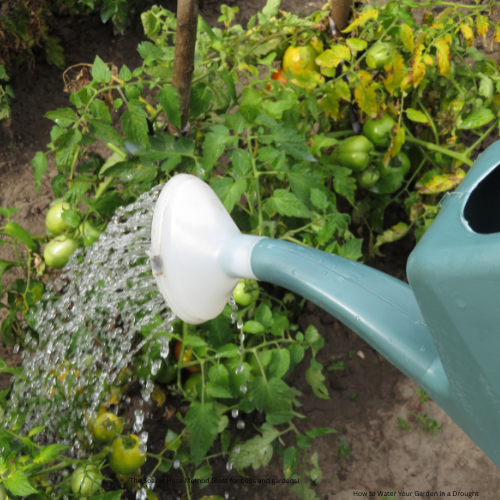
Most people panic during a drought. The watering restrictions kick in, the heat spikes, and suddenly gardeners are stressed about whether their plants will survive.
Here’s the truth: your garden can survive a drought. You just have to water smarter, not more.
The mistake most people make is watering shallow and frequently. A quick sprinkle every day keeps the soil surface moist but roots stay shallow and stressed. When heat hits, shallow-rooted plants fail immediately.
Deep watering fewer times? That teaches roots to go deeper, where soil stays cooler and moister even during drought. One deep soak per week beats three shallow sprinkles every time.
Add in mulch, the right timing, and smart plant selection, and your garden doesn’t just survive drought-it actually thrives while using less water.
In this guide, I’m sharing the exact techniques for how to water your garden in a drought. You’ll learn when to water (hint: not midday), how deep to go (deeper than you think), what tools work best, and how to prioritize your watering effort so nothing dies.
By the end, you’ll have a drought-watering strategy that keeps your plants alive and actually reduces water waste.
Let’s save your garden.
Drought Gardening Principles
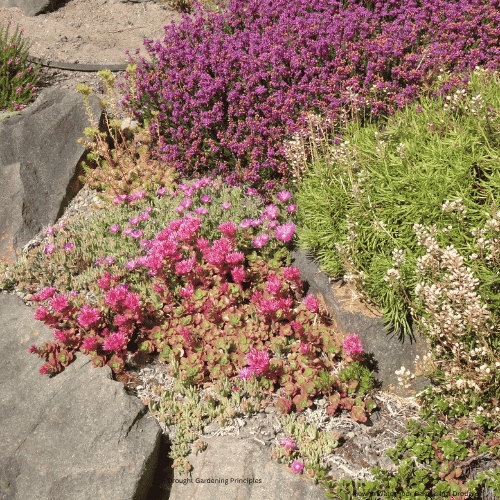
Before you grab a hose, understand the fundamentals. These principles apply to every garden, every plant, every drought.
Deep watering beats shallow watering. Shallow watering (quick sprinkles) wets only the top inch of soil. Roots stay shallow, searching for that moisture. When heat intensifies and evaporation increases, shallow roots can’t reach cooler, deeper water. Result: plant stress and death.
Deep watering (30-60 minute soaks) penetrates 8-12 inches into soil. Roots follow the water downward. Deep roots access cooler, more stable soil. Even when the surface dries out, deep roots keep the plant hydrated. This is why deep watering works.
Timing matters-a lot. Water loses 30-50% to evaporation depending on when you water. Midday heat? You’re wasting half your water before it reaches roots. Early morning (5-8 AM) or late evening (after 6 PM) means less evaporation and more water reaching plants.
Early morning is actually better than evening (water soaks in all day, plants have hydration during hot afternoon), but evening works if that’s all you have.
Mulch is your secret weapon. A 2-3 inch layer of mulch around plants reduces evaporation by 50-75%. It sounds almost too simple, but mulch is the single most impactful drought-fighting tool you have. Mulch also keeps soil cooler (reducing water demand) and improves soil structure over time.
Soil prep prevents drought stress. Soil rich in compost and organic matter holds water better than compacted, nutrient-poor soil. If you prepped your beds before drought hit, you’re golden. If not, add compost now and work it in-it’ll help immediately.
Accept some plants will suffer. During severe drought, you can’t save everything. Prioritize. Your favorite flowers? Water them deeply. Thirsty plants like hydrangeas? Let them wilt or remove them temporarily. It’s a numbers game-focus water on what matters most.
Deep Watering Techniques
There are four main ways to water deeply during drought. Pick the one that fits your garden and budget.
1. The Soaker Hose Method (Best for beds and gardens)
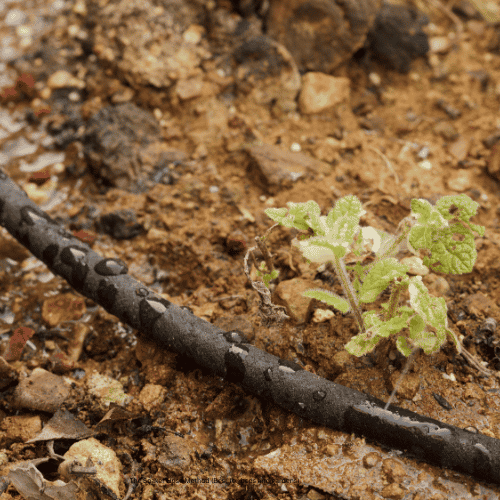
A soaker hose is a hose with tiny perforations that deliver water slowly, directly to soil. It’s the most accessible deep-watering tool for most gardeners.
Why it works: Water exits slowly through the entire length of the hose, soaking into soil right at plant roots. Minimal evaporation (water goes into ground, not air). Even moisture distribution. Zero water waste on foliage or hardscape.
How to use it:
- Lay the soaker hose at the base of plants (1-2 inches away from stems-don’t let it touch the plant)
- Attach to your regular garden hose
- Turn water to low-medium flow
- Let it run for 30-60 minutes depending on soil and plant size
- Walk away-this is the beauty of soaker hoses. Set it, forget it, come back when time’s up
Cost: $15-30 for a basic 50-foot soaker hose. One-time investment that lasts 3-5 years.
Pro tips:
- Cover the soaker hose with mulch. This reduces evaporation even more (water doesn’t sit on top of soil, exposed to sun).
- Don’t kink the hose or bunch it-water needs to flow smoothly.
- For large gardens, use multiple soaker hoses on different zones.
Efficiency: Uses roughly 50% less water than overhead sprinkler watering. For every 100 gallons sprinkled overhead, a soaker hose delivers the same coverage with 50 gallons.
Reality: Soaker hoses aren’t perfect. They can clog with sediment, and kinks interrupt water flow. But for the price and simplicity, they’re hard to beat.
2. Drip Irrigation (Best for serious drought gardeners)
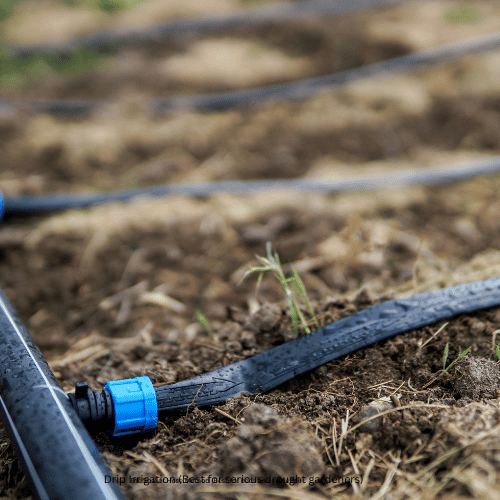
If you’re getting serious about drought-resistant watering, drip irrigation is the gold standard. It’s more complex than soaker hoses but also more precise and efficient.
What it is: A system of small-diameter tubing with emitters (tiny drip valves) that deliver water directly to plant roots. You can customize each plant’s water amount, run it on an automated timer, and eliminate almost all waste.
Why it works: Water goes directly where you want it-one emitter per plant. No evaporation, no waste, no water on foliage (which prevents fungal disease). You can program watering to happen automatically, even while you’re away.
How to set it up:
- Run main drip line from faucet through beds
- Attach smaller lateral lines to main line
- Place emitters at plant bases (stakes in soil, stakes in containers)
- Attach to timer at faucet
- Program timer: early morning, 30-60 minute duration, 1-2 times per week
Cost: $50-150 for a basic system covering 100-200 square feet. More complex systems cost more, but a simple kit is affordable.
Pro tips:
- Group plants by water needs on separate drip lines (succulents on one line, vegetables on another)
- Use timers-you’ll water more consistently and use less water
- Flush the system periodically to remove sediment
Efficiency: Uses 30-40% less water than soaker hoses, which means 60-70% less than overhead sprinklers. This is serious water savings.
Reality: Drip systems have a learning curve. But once installed and running on a timer, they’re set-it-and-forget-it. Worth the initial effort.
3. Hand Watering (Best for containers and small gardens)
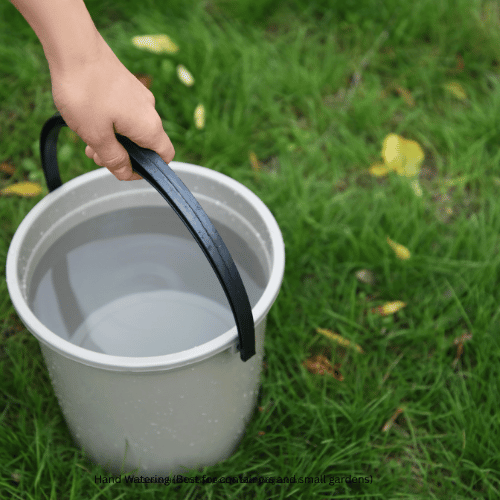
Sometimes the old way is the best way. Hand watering with a can or hose nozzle gives you total control and intimate knowledge of your plants’ needs.
Why it works: You control exactly where water goes. You can water individual plants based on their conditions. You notice problems (wilting, pests, disease) as you water.
How to do it:
- Use a watering can or a hose nozzle on low flow (not a hard spray)
- Water slowly at the base of plants, not the foliage
- Let water soak in before moving to the next plant
- Don’t spray the whole plant-focus on the root zone
Best timing: Early morning (5-8 AM) when soil is coolest. Water penetrates deeper in cool soil.
Pro tips:
- Water slowly-fast watering runs off instead of soaking in
- Feel the soil as you water. Stop when it feels moist 2-3 inches deep.
- Use room-temperature water (not cold from the hose), which absorbs better into warm soil
Cost: Free if you already have a watering can or hose.
Reality: Hand watering is time-consuming. For large gardens, it’s not sustainable. But for containers, small beds, or your favorite plants, it’s perfect and gives you the most control.
4. Self-Watering Systems (Best for vacations and busy people)
If you don’t have time to water consistently, self-watering systems deliver water slowly over days or weeks. Three types exist:
Ollas (buried clay pots):
- What it is: A terracotta pot buried at plant roots with a fill opening at the top
- How it works: You fill the pot with water. It slowly seeps through the clay pores into surrounding soil over days. One fill lasts 7-10 days.
- Why it works: Water goes directly to roots, minimal evaporation
- Cost: $10-30 per olla
- Ancient technology, incredibly effective, low-tech
- Best for: In-ground plants, vegetables, perennials
Moisture wicks:
- What it is: Fabric strips connecting a water bucket to soil
- How it works: Capillary action draws water from bucket up the wick into soil
- Cost: $5-10 (DIY with old cloth strips and a bucket)
- Best for: Containers, small areas
Self-watering pots:
- What it is: Containers with a built-in water reservoir below the soil
- How it works: Soil wicks water from reservoir as needed
- Cost: $15-50 per pot
- Best for: Containers, patios, balconies
Pro tip: Ollas are your best bet if you’re serious about drought-resistant watering without electricity or constant maintenance.
Watering Schedule During Drought
You now know how to water. Here’s when and how often.
The general rule: Water deeply 1-2 times per week instead of shallow daily watering.
One deep soak penetrates soil and reaches roots. Three shallow sprinkles wet only the surface, teaching roots to stay shallow where they’re vulnerable to heat and drought.
But don’t water on a schedule. Every garden is different. Sun exposure, soil type, pot size, plant type-all affect drying speed. Check your soil instead of watching a calendar.
The soil check method:
- Stick your finger 2 inches into the soil
- Does it feel moist? Don’t water yet.
- Does it feel dry? Water deeply.
- Repeat this check 2-3 times per week
This takes 10 seconds and tells you exactly when plants need water.
Early morning (5-8 AM) is best. Cool temperatures mean less evaporation. Water soaks deeper into cool soil. Plants have hydration all day during heat. By evening, less fungal disease pressure (dry foliage resists fungal growth).
Evening (after 6 PM) is second best. Still cooler than midday, less evaporation. Downside: foliage stays wet overnight, which can encourage fungal disease in humid climates. But it’s far better than midday watering.
Avoid midday (10 AM – 4 PM). Up to 50% of water evaporates before reaching soil. You’re literally throwing water away.
Special cases during drought:
New plants (first season): Water 2-3 times per week. Roots haven’t gone deep yet-they’re still shallow and vulnerable. Once established (after first season), switch to 1-2 times per week.
Clay pots: Dry out faster than plastic (clay is porous). Water more frequently-check soil every 3-4 days instead of weekly.
Containers: Need more frequent watering than in-ground gardens. Soil volume is smaller, so it dries faster. Check 2-3 times per week.
Succulents and drought-tolerant plants: Water deeply once every 2-3 weeks, then let them dry out completely. Overwatering kills them faster than underwatering.
Trees: Water deeply once per week. Roots go deep, accessing underground moisture. Less frequent watering than shallow-rooted plants, but deeper each time.
Mulch: Your Water-Saving Superpower
Mulch is not optional during drought. It’s your single most important tool.
What mulch does:
- Reduces evaporation by 50-75% (soil stays moist longer)
- Keeps soil 5-10°F cooler (less heat stress on plants, less water demand)
- Improves soil structure over time (organic matter breaks down, enriches soil)
- Suppresses weeds (less competition for water)
How much to apply: 2-3 inches around plants. Not touching plant stems (causes rot). Not piled against tree trunks (encourages rodents and disease).
Best mulches:
- Wood chips (most common, $2-4 per bag)
- Shredded bark (similar to wood chips, slightly finer)
- Compost (best for soil, decomposes quickly so needs refreshing annually)
- Straw (good for vegetable gardens, breaks down in a season)
Avoid:
- Landscape fabric underneath mulch (blocks water penetration, creates a barrier)
- Rocks (absorb and radiate heat instead of cooling soil-counterproductive)
- Colored mulch (dyes can leach, aesthetic only)
Maintenance:
- Add fresh mulch in spring and fall (2-3 inches each time)
- Pull mulch back from plant stems (prevents rot, disease)
- Let mulch decompose naturally (integrates into soil, adds organic matter)
Reality: Thick mulch is like crop insurance during drought. It dramatically reduces how much you need to water while improving your soil. Worth every penny and every hour of labor.
Plant Selection Matters
During drought, some plants need significantly less water. Focus your watering effort on plants that reward you for it. Let the water hogs struggle.
Low-water champions (water every 2-3 weeks deeply):
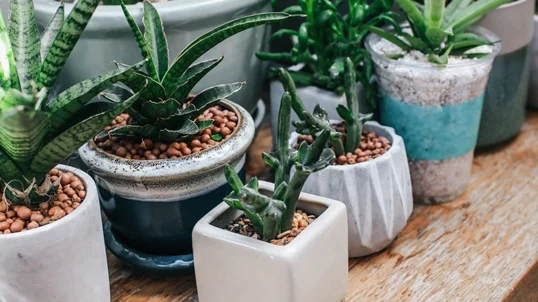
succulents survive without water 1-tile
- Succulents: Aloe, echeveria, sedum, kalanchoe. These store water in leaves and actively resist drought.
- Ornamental grasses: Muhly grass, blue oat grass, feather reed grass. Native to dry climates, deep roots, minimal water needs.
- Lavender: Mediterranean native, loves dry conditions, blooms better when slightly stressed.
- Zinnias: Heat-loving annuals, bloom more in heat, water once weekly when established.
- Sedums and groundcovers: Extremely drought-tolerant, spread without much care.
High-water plants (avoid during severe drought or water heavily):
- Hydrangeas: Thirsty shrubs, wilt quickly without consistent moisture. Water 2-3 times per week or accept wilting.
- Hostas: Prefer shade and consistent moisture. Struggle in heat and drought.
- Ferns: Jungle plants, need humidity and consistent moisture. Likely to die in drought.
- Impatiens: Shade annuals, wilt in heat. Remove during drought or water daily.
Strategy: During a drought, you can’t water everything equally. Decide what matters most.
Your favorite flowers? Water them deeply 1-2 times per week. Ornamental shrubs? Same. Thirsty plants like hydrangeas? Let them wilt or remove them for the season. It’s brutal, but realistic.
Focus your water on plants that reward you with beauty or food. Let the rest fend for themselves.
Soil Prep Prevents Drought Stress
The best time to prep for drought is before it hits. But it’s never too late.
Add compost: Work 2-3 inches of compost into the top 6-8 inches of soil. Organic matter acts like a sponge, holding water instead of letting it drain away. Soil with 5% organic matter holds 2-3 times more water than compacted, poor soil. Compost improves water retention by 30%+ immediately.
Avoid compacted soil: Compacted, hard soil sheds water instead of absorbing it. Before planting, use a garden fork to loosen soil 8-10 inches deep. This allows water and roots to penetrate.
Aerate in spring: Use a garden fork or aeration tool to break up compacted areas. Multiple small poke holes allow water to penetrate deeper without running off.
Reality check: Good soil + mulch = 50% reduction in watering needs. Spending a weekend prepping soil before drought season saves you hours of watering later. Worth the effort.
Water-Saving Tricks During Peak Heat
When temps hit 100°F and drought is severe, pull out these emergency tactics.
Shade cloth for containers: Temporary shade cloth (30-50% shade) reduces heat stress on potted plants. Hang it from stakes or a frame over containers during worst heat waves. Cost: $10-20. Remove once cooler weather arrives.
Group plants together: Plants clustered together create a microclimate with shared humidity. Evaporation from one plant helps hydrate its neighbors. Move containers closer during extreme heat, spread them out in cooler months.
Reduce or pause fertilizer: Fertilizer stresses plants during drought. Pause feeding during heat waves (nutrients tell plants to grow, which demands more water). Resume fertilizing once temps cool and rain returns.
Prune selectively: Remove obviously dead or diseased branches (they drain resources without contributing). But don’t do heavy pruning-foliage protects roots from heat. Light pruning of diseased growth = healthy, not weakened.
Thin dense foliage slightly: Remove some lower leaves from thick, crowded plants. Improves air circulation, reduces water demand slightly. Don’t overdo it.
Water Restrictions and Creative Solutions
If your area has watering restrictions (many do), use these legal alternatives.
Greywater: Water from washing vegetables, rinsing dishes, washing hands (avoid greywater from toilets, excessive soap, or pet shampoo). Divert this water to garden instead of drain. Legal in most areas but check local rules first.
Cost: Free or minimal (DIY bucket system). Impact: Significant if you’re watering containers.
Rainwater harvesting: Collect roof runoff in rain barrels. Legal in most areas (check first). A 55-gallon barrel from roof runoff gives you weeks of watering supply.
Cost: $50-150 for rain barrel setup. Impact: Free water during rainy seasons.
Smart timing: Water during allowed hours only. Water early morning (allowed and most efficient). Stick to restrictions while maximizing efficiency.
What NOT to Do
Don’t water in midday heat. 30-50% evaporates before reaching soil. Waste.
Don’t underwater and let plants fully dry out. Cyclical stress is harder to recover from than consistent moisture. Water deeply, let it dry slightly, water again.
Don’t use overhead sprinklers during drought. Water loss to evaporation = 50%. Use soaker hoses or drip irrigation instead.
Don’t water every day shallowly. Encourages shallow roots, which are vulnerable. Deep roots from less frequent watering are drought-resistant roots.
Don’t panic and overwater. More plants die from overwatering than drought. Wet soil = root rot. Check soil, water when dry 2 inches down.
Don’t ignore your garden. Check soil regularly. Adjust watering as plants establish, season changes, or weather shifts.
Warp-up
Watering smart beats watering more. Deep watering + mulch + early morning timing + right plant selection = drought survival.
Your garden doesn’t need daily water. It needs deep water less frequently. It needs mulch holding that water in soil. It needs early morning watering before heat steals it to evaporation. And it needs plants chosen for drought tolerance, not fighting their nature.
Droughts are stressful, but they’re also temporary. Use these techniques, prioritize your favorite plants, accept some loss, and your garden will survive and even thrive on less water.
What’s your biggest drought challenge right now? Drop it in the comments and I’ll help you solve it.
Related Reading
- Best Plants to Grow in Summer Heat – Heat-tolerant plants that handle drought
- 12 Outdoor Succulents for Dry Climates – Drought champions
- Succulent Care 101: Everything You Need to Know – Low-water plant care details
- Front Yard Landscaping Ideas on a Budget – Includes hardscape + mulch strategy
Last modified: July 13, 2026
