

I’ve kept flowers alive for three weeks. People assume I have a green thumb. I don’t. I just know which flowers to buy and how to treat them. Cut flowers that last aren’t a mystery, they’re a choice. You pick the right varieties, change the water, trim the stems, and they stick around.
Most people throw flowers away after five days because they’re buying the wrong varieties. The grocery store sells roses that look pretty but wilt in a week. Meanwhile, dahlias and celosia last nearly three weeks with basic care. Cut flowers that last come down to knowledge, not luck.
This guide shows you exactly which flowers stay fresh longest and how to make them last even longer.
Table of Contents
- Why Cut Flowers Matter
- The Best Cut Flowers That Last
- Vase Care Secrets
- Flower Combinations That Work
- Storage and Transportation
- Final Tips
Why Cut Flowers Matter
Fresh flowers brighten a room. They’re a small luxury most people can afford but rarely invest in because they think flowers die quickly. That’s the mistake. Cut flowers that last become a regular part of your home instead of a special occasion purchase.
They cost $15-30 per bouquet. A single bouquet lasts 2-3 weeks. That’s pennies per day for fresh beauty. Once you start buying long-lasting varieties, you’ll have fresh flowers on your table year-round.
The 10 Best Cut Flowers That Last (Ranked by Longevity)
1. Celosia (3-4 weeks)
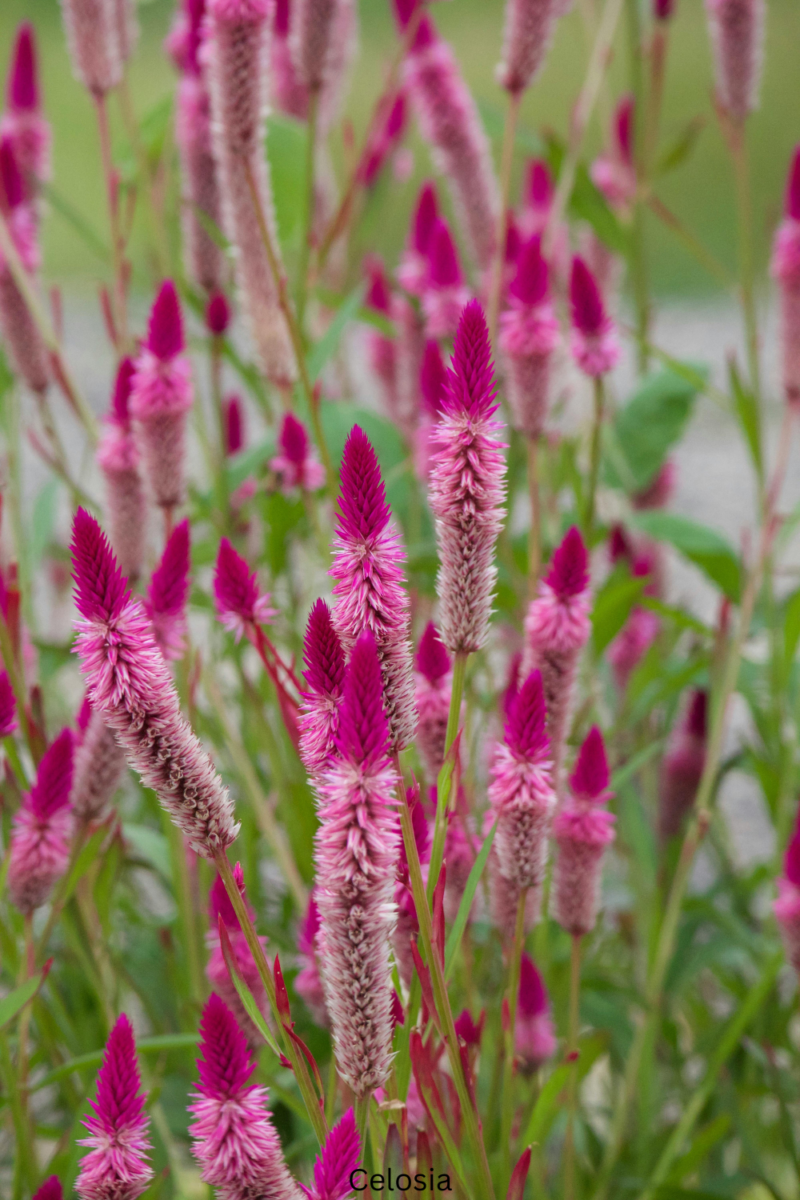
Celosia is the unsung hero of long-lasting flowers. The velvety, brain-like blooms come in red, purple, pink, and cream. They don’t require special care. They don’t wilt dramatically. They just sit in water and slowly fade. Incredibly underrated. Buy these in bulk. Nobody talks about celosia but florists know it’s the secret to long-lasting arrangements.
Care: Cut stems at an angle. Change water every 3 days. Remove lower leaves.
2. Dahlias (2-3 weeks)
Cut Flowers That Last
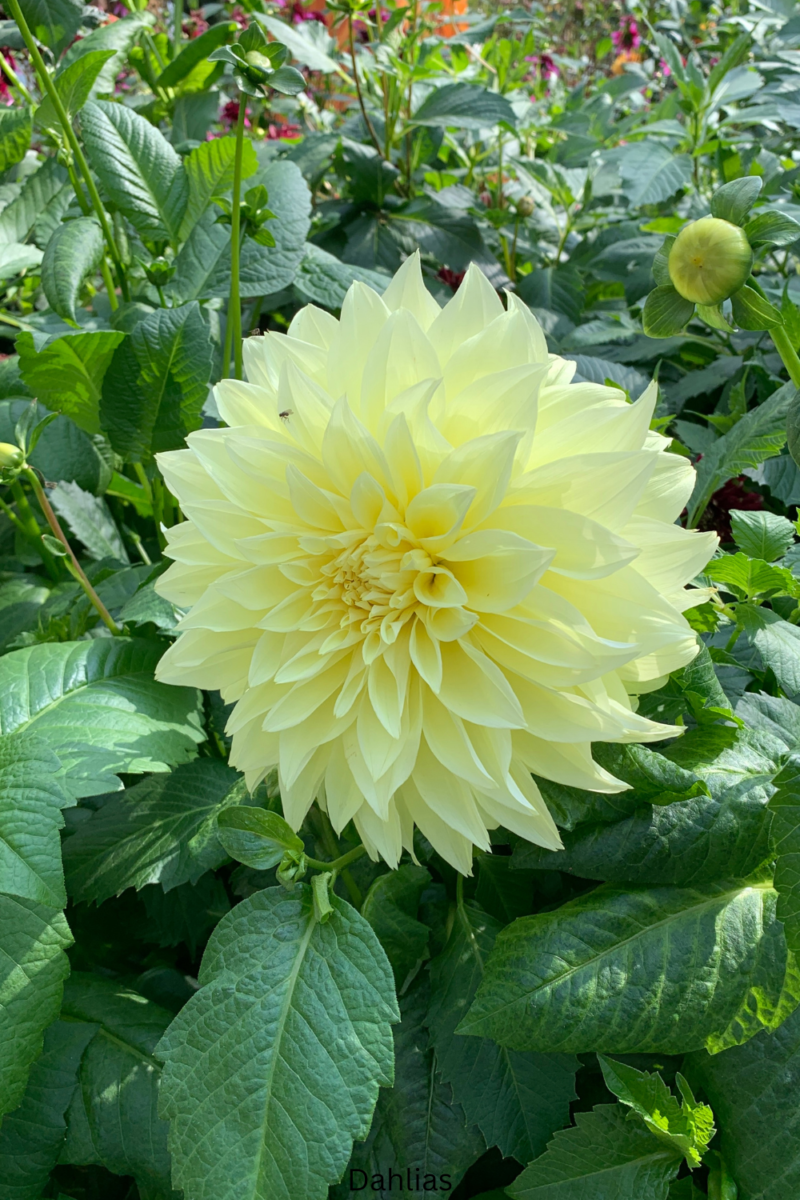
Dahlias are full, architectural flowers. Pink, red, orange, white, yellow, every color works. They last longer than roses. They open gradually, so you get new flowers daily as they bloom. They cost more at the florist but last long enough to justify the price.
Care: Use flower food in the water. Cut an inch off the stem every 3 days. Keep water cool (not room temperature).
3. Hypericum Berries (3-4 weeks)
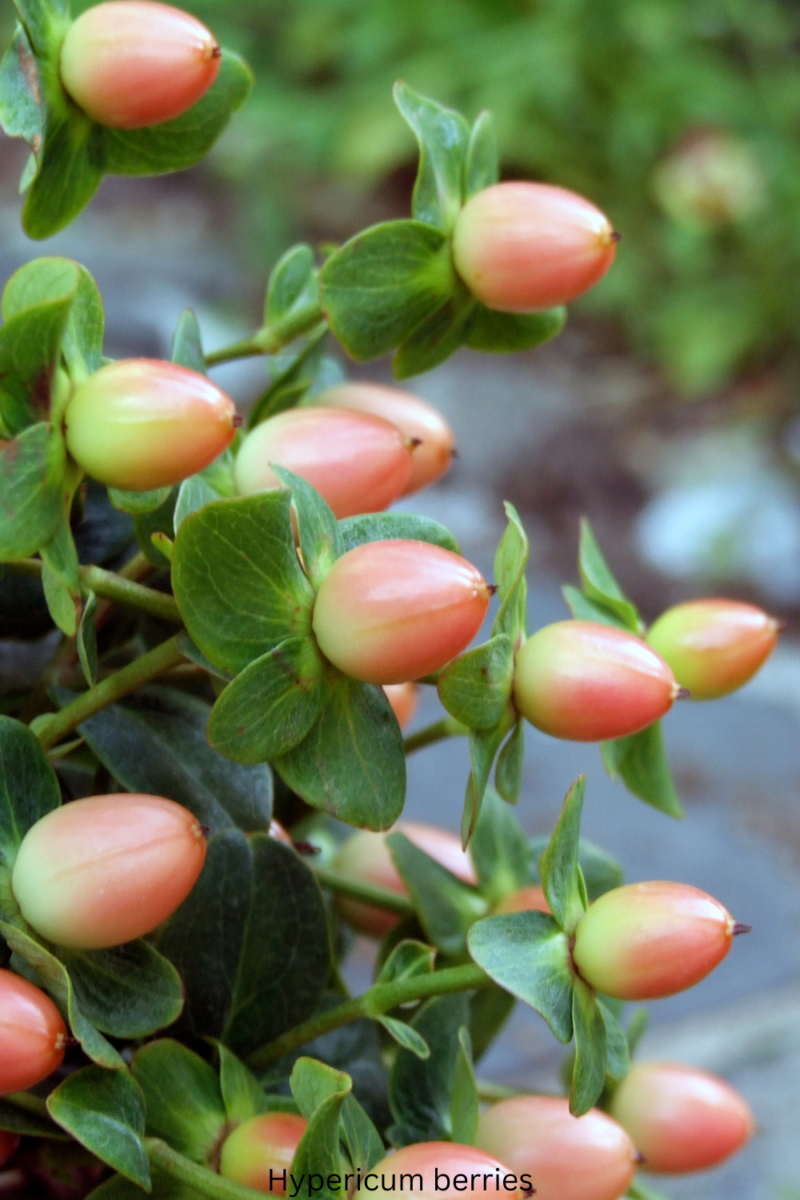
Hypericum berries are technically berries, not flowers. Red, orange, pink, or burgundy spheres on thin stems. They fill space in arrangements and last nearly as long as celosia. Most people don’t know they exist. Order them from a florist if your grocery store doesn’t stock them.
Care: Cut stems at an angle. Change water every 3-4 days. They’re nearly indestructible.
4. Statice (Limonium) (3-4 weeks)
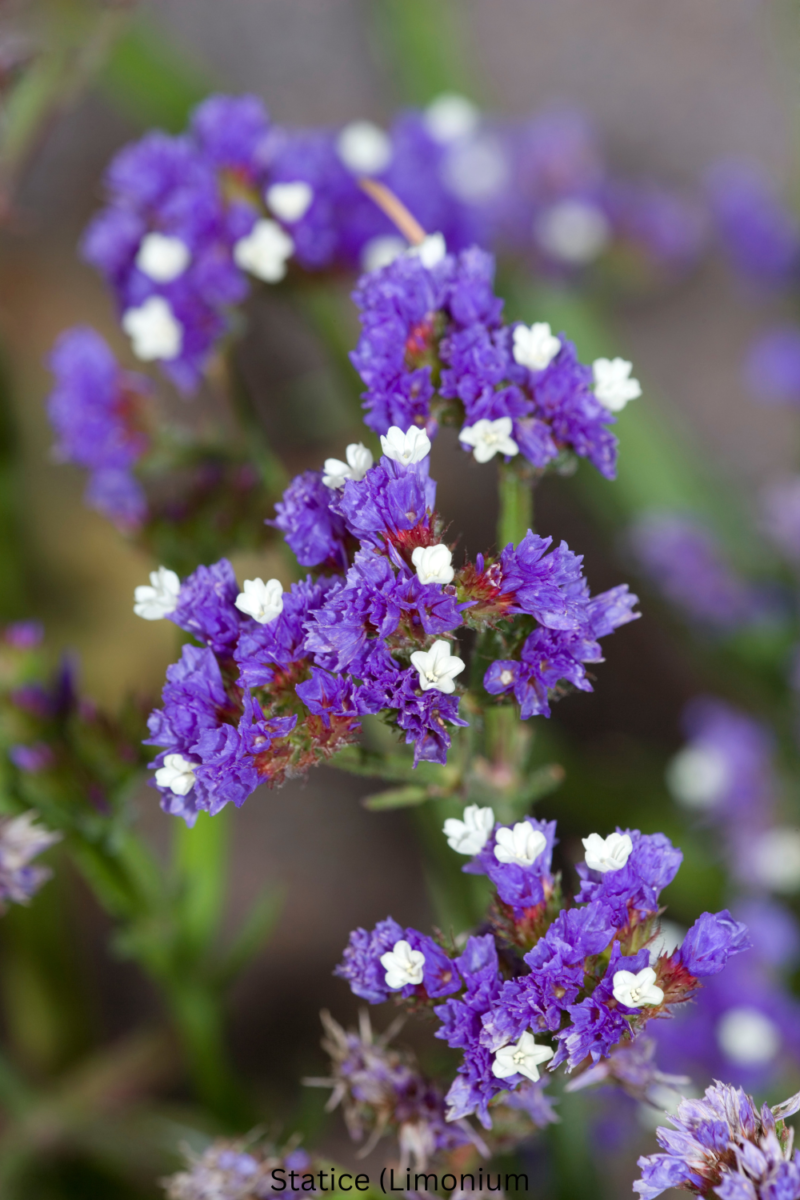
Statice looks delicate but lasts forever. Tiny clustered flowers in purple, pink, white, or yellow. They dry beautifully if you want to extend their life even further. They’re cheap, they’re cheerful, and they don’t require any special treatment.
Care: Cut stems diagonally. Remove lower leaves. Change water every 3-4 days.
5. Roses (2-3 weeks)
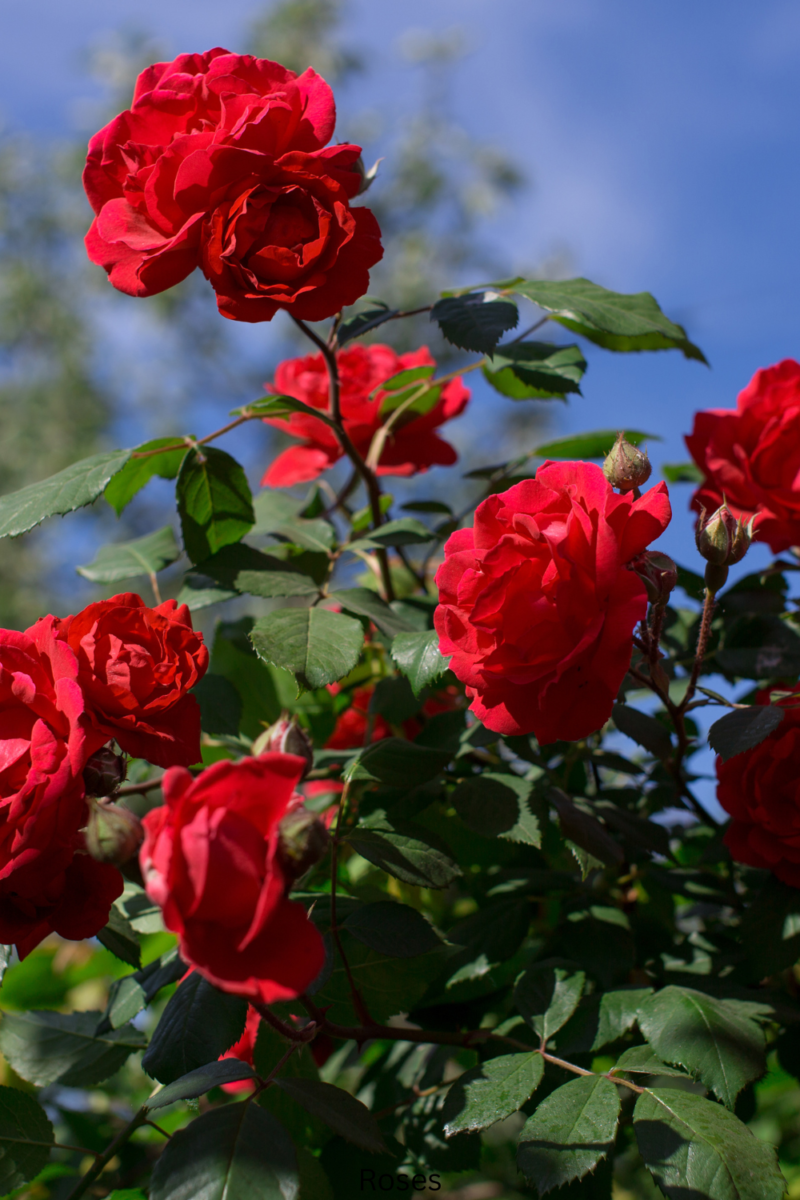
Roses are overrated for longevity but still solid. Premium roses (garden roses, spray roses) last longer than grocery store roses. The difference is price and care. Quality matters. Cheap roses wilt in days. Expensive roses can last three weeks with proper care.
Care: Cut stems at an angle daily. Remove thorns and lower leaves. Use flower food. Keep water cool.
6. Sunflowers (2-3 weeks)
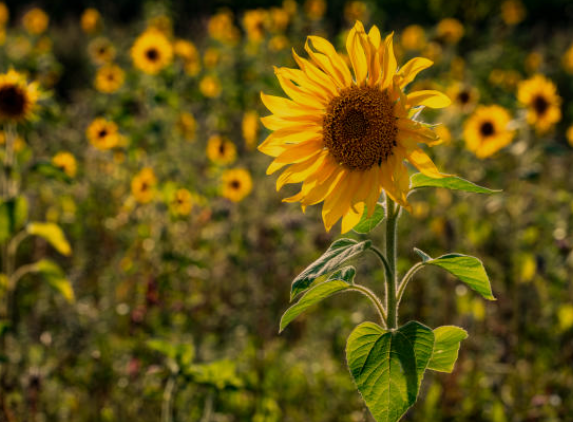
Sunflowers are bold, cheerful, and reliable. They come in traditional yellow but also burgundy, orange, and cream. They add architectural interest to arrangements. They last longer than people expect because of their sturdy stems.
Care: Cut stems at an angle. Remove lower leaves completely. Change water every 2-3 days.
7. Carnations (2-3 weeks)
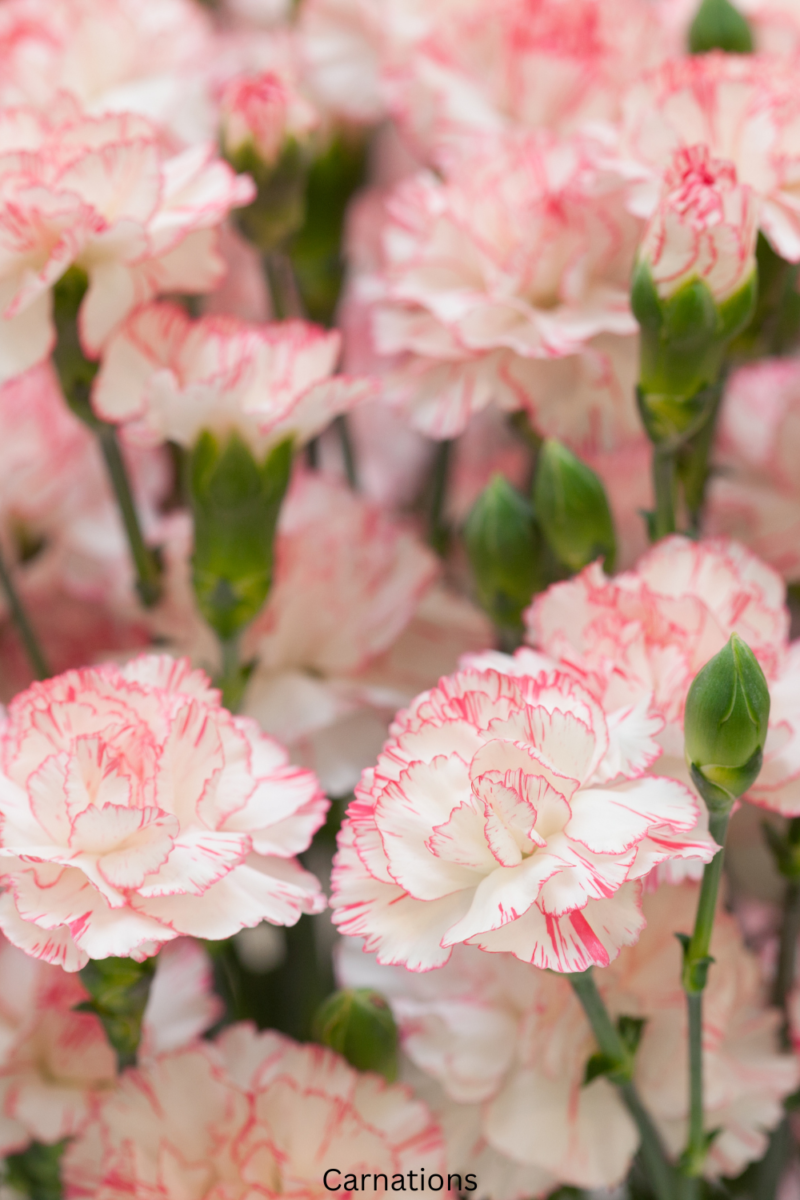
Carnations get a bad rap. People think they’re cheap and boring. They’re cheap, but they’re reliable. They come in hundreds of colors. They last longer than most flowers. They’re underrated and deserve respect.
Care: Cut at an angle. Remove lower leaves. Change water every 2-3 days. They’re forgiving flowers.
8. Gladiolus (2-3 weeks)
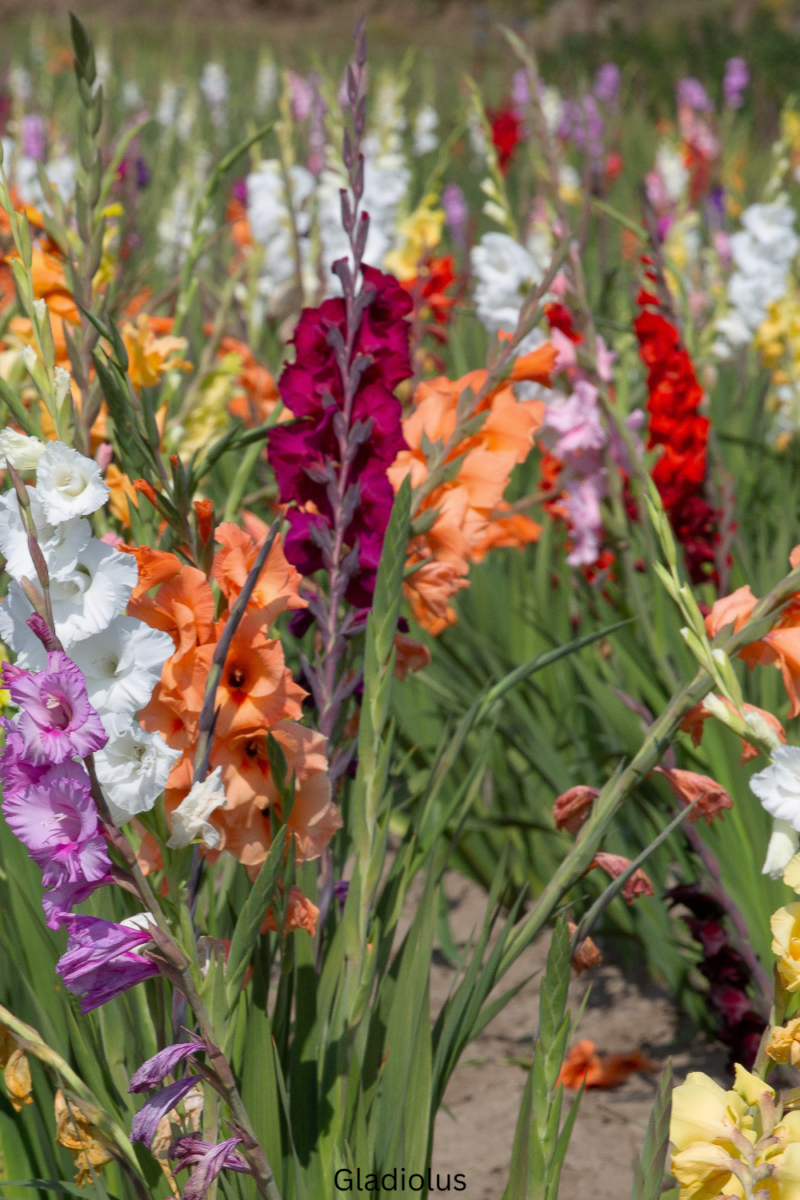
Gladiolus are tall, dramatic flowers with blooms stacked vertically. They come in pink, red, purple, white, and bicolor. They last a long time because they open gradually, you get 2-3 weeks of continuous blooms as they open from bottom to top.
Care: Cut stems at an angle. Remove lower flowers as they fade. Change water every 2-3 days.
9. Lisianthus (2-3 weeks)
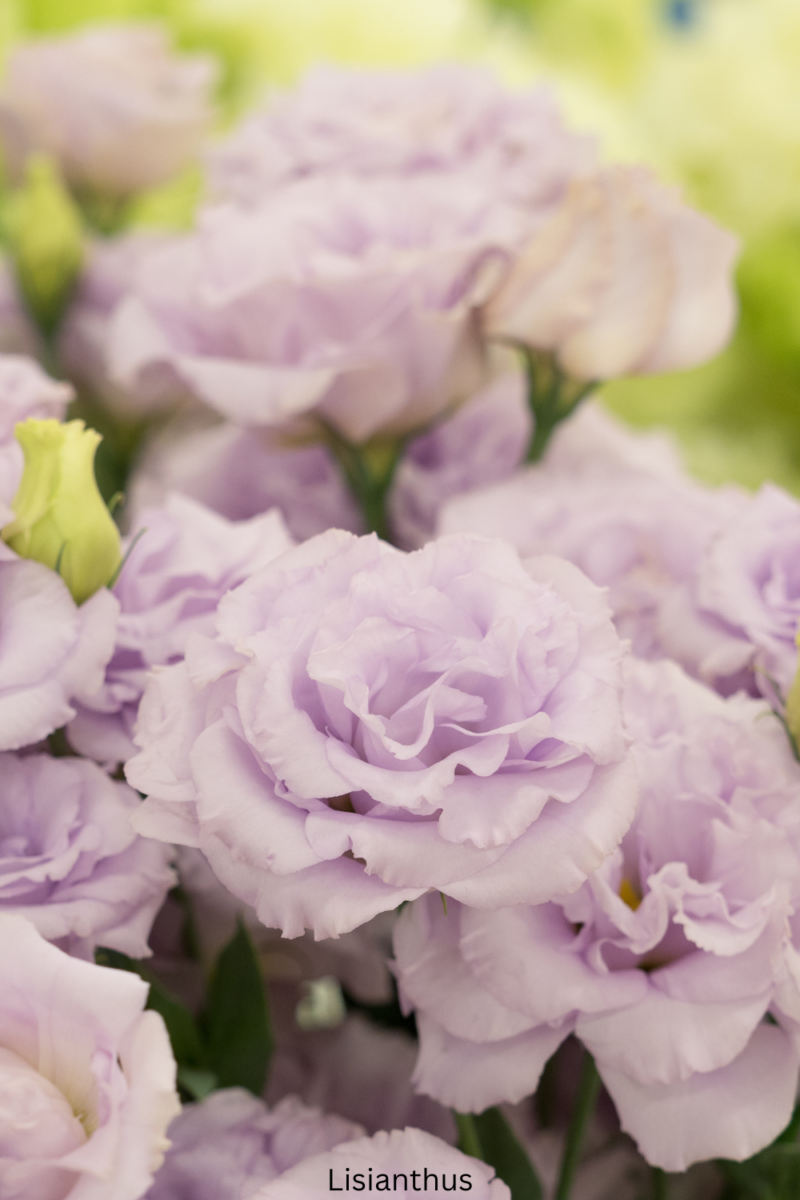
Lisianthus looks like a rose but lasts longer. Delicate, ruffled petals in white, pink, purple, or bicolor. They’re pricier than most flowers but worth it. They work in formal arrangements or simple vases.
Care: Cut stems at an angle. Keep water cool. Remove lower leaves. Change water every 2-3 days.
10. Waxflower (2-3 weeks)
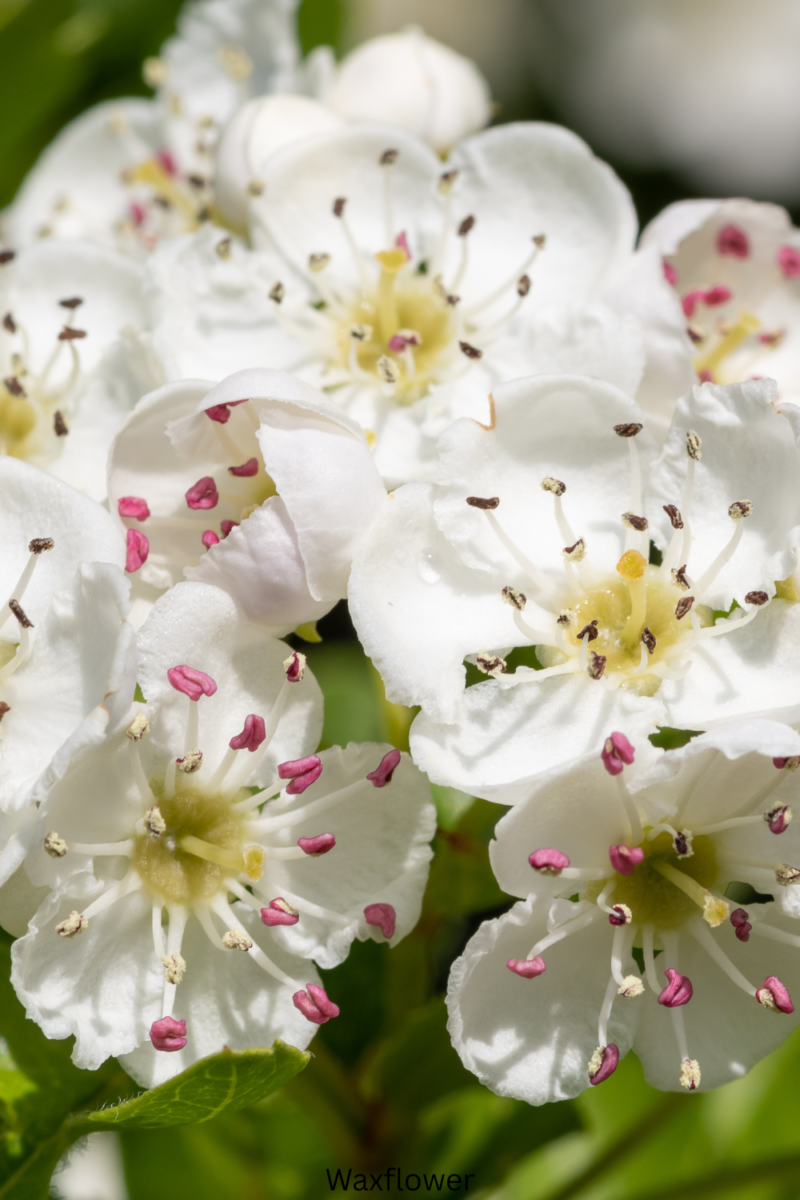
Waxflower is tiny but mighty. Delicate clusters of small blooms in pink, red, white, or purple. They fill space beautifully in arrangements. They dry well if you want to keep them longer. They’re inexpensive and underrated.
Care: Cut at an angle. Remove lower leaves. Change water every 3 days.
Flowers to Avoid (Shorter Lifespan)
| Flower | Lifespan | Why | Alternative |
|---|---|---|---|
| Tulips | 5-7 days | Droop and wilt quickly | Sunflowers, dahlias |
| Peonies (out of season) | 5-7 days | Require specific timing | Dahlias, garden roses |
| Orchids | 1-2 weeks (as cut flowers) | Better as potted plants | Lisianthus, roses |
| Daffodils | 7-10 days | Toxic to other flowers, wilt fast | Sunflowers, hypericum |
| Lilies | 7-10 days | Pollen stains, short vase life | Roses, dahlias |
The Science Behind Cut Flowers That Last
Water Matters
Temperature: Cold water slows bacterial growth. Room-temperature water kills flowers in days. Fill your vase with cold water. Add ice if needed. Change it every 2-3 days.
Cleanliness: Bacteria clog the stem’s vascular system. Use a clean vase every time. Wash thoroughly. Don’t use the same water twice.
Flower Food: The packet in the bouquet has three components: sugar (food), biocide (kills bacteria), and citric acid (lowers pH). It works. Use it.
Stem Cuts Matter
The angle: Cut stems at a 45-degree angle. This increases surface area for water absorption. Cut straight across and water can’t move up efficiently.
Frequency: Cut 1/2 inch off the stem every 2-3 days. This removes scar tissue that blocks water absorption.
Leaves matter: Remove all leaves below the waterline. Submerged leaves rot and contaminate the water. Only leaves above the water stay.
Environmental Factors
Ethylene gas: Fruit, especially bananas, releases ethylene gas. This ages flowers rapidly. Keep fruit and flowers separate.
Sunlight: Indirect light is best. Direct sun creates heat that wilts flowers. Place arrangements away from windows or in indirect light.
Air circulation: Stagnant air breeds bacteria. Fresh air circulation keeps water fresher longer.
Flower Combinations: Cut Flowers That Last Together
These combinations work because all flowers have similar care needs and longevity:
The Long-Lasting All-Star
- 5 celosia (focal flowers)
- 7 hypericum berries (filler)
- 3 statice stems (texture)
- Lasts: 3-4 weeks
The Summer Garden
- 5 sunflowers (focal)
- 5 dahlias (secondary focal)
- 7 celosia stems (filler)
- Lasts: 2-3 weeks
The Elegant Mix
- 5 garden roses (focal)
- 5 lisianthus (secondary)
- 7 statice stems (filler)
- 5 hypericum berries (accent)
- Lasts: 2-3 weeks
The Budget Bouquet
- 7 carnations (focal)
- 10 waxflower stems (filler)
- 5 hypericum berries (accent)
- Lasts: 2-3 weeks
The Dramatic Statement
- 5 gladiolus (focal)
- 5 sunflowers (secondary)
- 7 statice stems (texture)
- Lasts: 2-3 weeks
Storing and Transporting Cut Flowers That Last
At the Florist
Ask for flower food. Ask how old the flowers are (fresh arrivals last longer). Ask which varieties are freshest. Florists know the answer.
Transportation Home
Wrap loosely: Plastic wrap traps ethylene gas. Wrap loosely or use paper instead.
Keep upright: Don’t lay flowers flat. This damages stems. Keep them upright in a bucket or vase.
Get home quickly: The longer flowers are out of water, the more stressed they become. Go straight home.
At Home
Recut stems immediately: Cut 1/2 inch off each stem at a 45-degree angle before placing in water.
Remove lower leaves: All foliage below the waterline must be removed.
Use flower food: Mix the packet into your water. Follow the ratio on the packet.
Place in indirect light: Avoid direct sun and heat sources.
Final Tips for Maximum Longevity
Buy from florists, not grocery stores: Grocery store flowers are old. Florist flowers are fresh. The price difference is worth it.
Avoid all-in-one arrangements: Arrangements with mixed flowers often pair long-lasting and short-lasting varieties. The short-lasting ones die first and bring down the whole arrangement. Build your own arrangements using long-lasting flowers only.
Change water every 2-3 days: This is the single most important factor. Never skip this step.
Keep them cool: Cool rooms preserve flowers longer. Warm rooms age them faster.
Trim stems every 3 days: It takes 30 seconds. It doubles the lifespan.
Throw out dying flowers immediately: One wilting flower releases ethylene gas that ages the others. Remove it before it affects the whole bouquet.
Wrap-up
Cut flowers that last aren’t a luxury reserved for people with green thumbs. They’re a choice. You pick the right varieties (celosia, dahlias, statice, hypericum), you provide basic care (cold water, daily stem cuts, flower food), and they reward you with three weeks of color.
Stop buying roses from the grocery store and expecting them to last. Start buying celosia and dahlias from a florist. You’ll have fresh flowers on your table longer, and you’ll spend the same amount of money.
Make your next flower purchase count. Buy cut flowers that last and see the difference for yourself. Three weeks of fresh blooms will change how you think about flowers forever.
Last modified: August 13, 2026
