

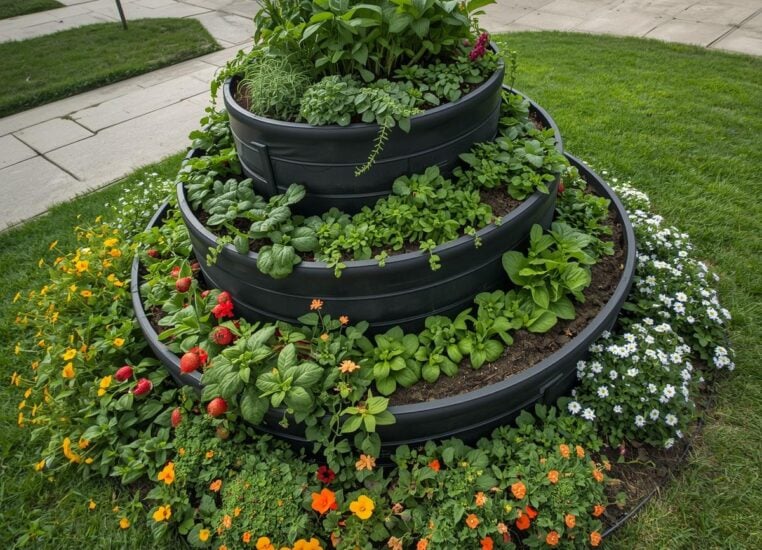
Your front yard can do more than look nice. It can feed your family, save space, and turn an empty patch of grass into something fresh, green, and useful.
Picture neat wood beds, deep dark soil, curly kale, bright red peppers, and rainbow stems of chard catching the sun near your front walk. You step outside with scissors, pick dinner, and enjoy a yard that feels alive.
These 7 smart ideas help you grow food in small, medium, or large spaces without making the front of your home look messy. Some are tidy and formal. Some fit the narrowest strip by a porch. All of them make fresh food easier to reach every day.
Why Grow Food Out Front
A front yard vegetable garden solves a common problem. The backyard may be too shady, too small, or already full of pets, play space, or a patio. The front often gets better light, and that means stronger plants and better harvests.
It also makes daily care easier. You see the garden every time you leave or come home, so watering, weeding, and picking feel simple. That steady attention helps plants stay healthy.
A well-planned front yard vegetable garden can also boost curb appeal because rows, borders, and raised beds look neat and intentional.
7 ideas that work
- Raised beds: Great for a clean, framed look and easy soil control.
- Walkway border beds: Perfect for slim spaces beside paths.
- Container groupings: Ideal for porches, steps, and tiny yards.
- Mixed herb and vegetable beds: Useful and pretty near the entry.
- Vertical trellises: Help you grow more in less ground space.
- Edible front hedge: A tidy line of compact crops that reads like landscaping.
- Gravel-and-bed layout: Gives a polished look with lower mud and mess.
If you want food close to your door, this setup makes sense. It is practical, attractive, and easy to keep in sight.
 Credit to
Check Rules and Sunlight
Before you plant a single seed, check the rules. Some neighborhoods have HOA rules about bed height, fencing, or what can face the street. Some cities also have rules about corners, sidewalks, and sight lines for drivers.
Know the legal side
Read your HOA guide if you have one. Then check your city website or call the planning office. Ask about front yard gardens, water use, fence limits, and how far beds must stay from the sidewalk or road.
Count the sun
Most vegetables need six to eight hours of direct light. Watch the front yard in the morning, at noon, and late afternoon. Write down where the sun lands and where trees or the house cast shade. That simple step can save you months of weak growth.
A safe spot matters too. Avoid planting right where car doors swing open, snow piles up, or people cut across the lawn. Good sunlight and smart placement make every garden idea work better.
| Check | What to Look For | Best Choice |
|---|---|---|
| Sun | 6 to 8 hours of direct light | Open south or west-facing area |
| Rules | HOA, city setbacks, fence limits | Approved layout before building |
| Safety | Clear view near driveways and corners | Low crops in sight-line areas |
| Access | Easy path for hose and harvest | Near walkway or porch |
Simple Garden Words Explained
Garden words can sound harder than they are. Most of them describe simple things you can see and touch. Once you know a few basic terms, planning gets much easier.
- Raised bed: A box of soil that sits above the ground. It helps you control the dirt your vegetables grow in.
- Drainage: How water moves out of the soil. Good drainage means roots do not sit in a puddle.
- Mulch: A cover on top of the soil, like bark or straw. It helps hold water and blocks weeds.
- Annual: A plant that grows, makes food, and finishes in one season, like bush beans.
- Perennial: A plant that comes back year after year, like some herbs.
- Companion planting: Growing certain plants near each other because they help in some way, such as shade, scent, or space use.
Think of drainage like a sponge. If the sponge stays soaked all the time, things inside it rot. Plant roots need water, but they also need air.
Here is a quick guide you can save.
| Word | Easy Meaning | Example |
|---|---|---|
| Raised bed | Soil in a box | Wood frame near the walkway |
| Drainage | Water can leave | Soil does not stay soggy |
| Mulch | Blanket on soil | Straw around tomatoes |
| Annual | Grows for one season | Lettuce |
| Perennial | Comes back again | Chives |
| Companion planting | Plants grow well together | Basil near peppers |
Idea 1: Neat Raised Beds
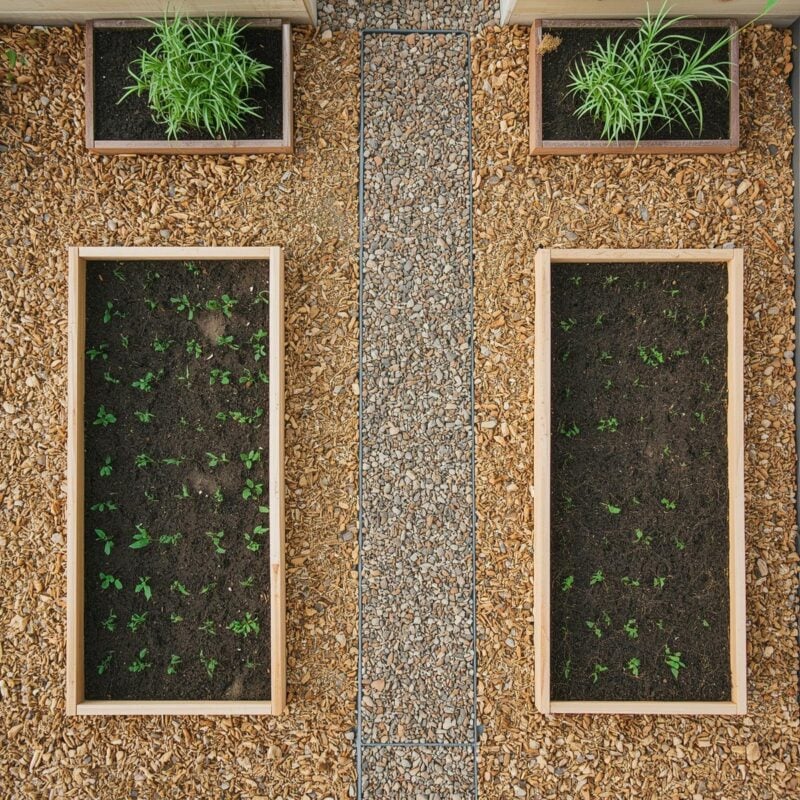
Raised beds are one of the best front yard vegetable garden ideas for a polished look. Clean lines make the space look planned, not random. Wood, metal, or painted beds can match your house style and frame the garden like outdoor furniture.
Why they look so good
Raised beds bring order fast. They create straight edges, defined paths, and easy zones for each crop. That matters in the front yard, where people see the garden first from the street.
Why they grow well
You control the soil, which is a big advantage if your front yard has clay, rocks, or poor drainage. Beds also warm up faster in spring. Crops like lettuce, peppers, and bush beans do very well in a raised bed because spacing is easy and the roots stay in loose soil.
For medium to large yards, try two or three matching beds with mulch or gravel paths between them. Keep the layout simple. A neat grid almost always looks better than a crowded mix.
| Raised Bed Tip | Recommendation |
|---|---|
| Best yard size | Medium to large |
| Good crops | Lettuce, peppers, bush beans, carrots |
| Best look | Matching bed sizes with tidy paths |
| Material choice | Natural wood for warmth, metal for a sharper look |
Idea 2: Border Beds Along Walkways
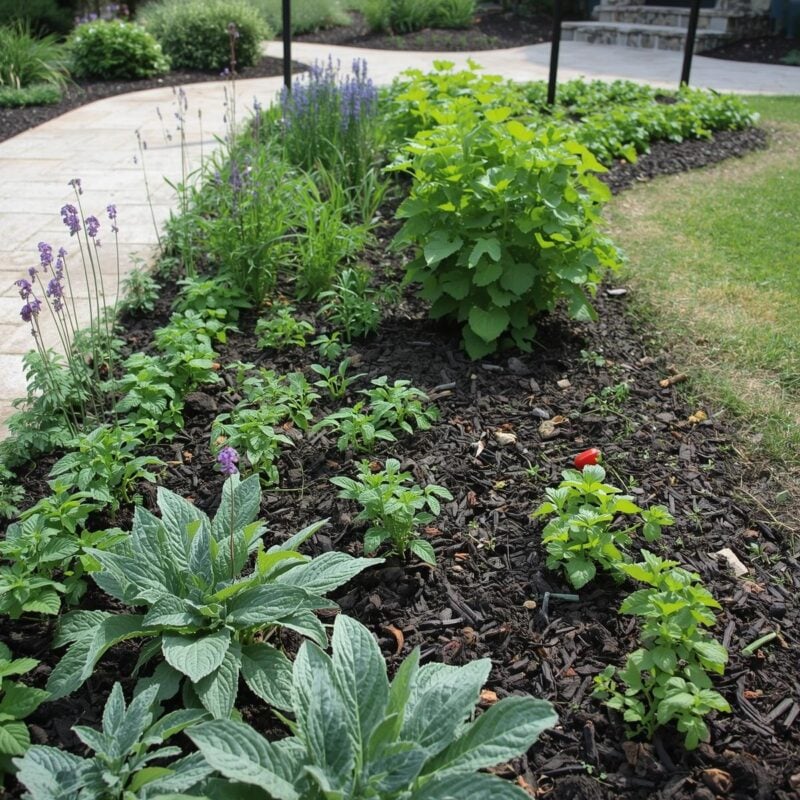
If your yard is small, use the edges. Narrow beds beside a front path or porch make smart use of space that often gets ignored. They also guide the eye, so the whole yard feels more finished.
This idea works best with compact crops that stay tidy. Kale, chives, rainbow chard, leaf lettuce, dwarf peppers, and parsley all fit well in slim strips. Their shapes and colors look almost ornamental, especially when repeated in a line.
Keep taller plants at the back and shorter ones near the path. Add mulch to hold in moisture and give the bed a clean surface. A border bed is one of the easiest ways to grow food out front without changing the whole yard.
For a strong result, pick two or three crops and repeat them instead of planting one of everything. That simple pattern looks calm, and it is easier to care for.
| Idea | Best For | Examples |
|---|---|---|
| Border beds along walkways | Small yards | Kale, chives, rainbow chard |
| Container groupings | Porches and steps | Tomatoes, basil, lettuce |
| Mixed herb and veg beds | Front entry areas | Sage, parsley, peppers |
| Vertical trellises | Narrow spaces | Cucumbers, peas, beans |
| Edible front hedge | Property edges | Kale, dwarf peppers, rosemary |
| Gravel-and-bed layout | Clean, modern yards | Raised beds plus gravel paths |
Idea 3: Container Garden Clusters
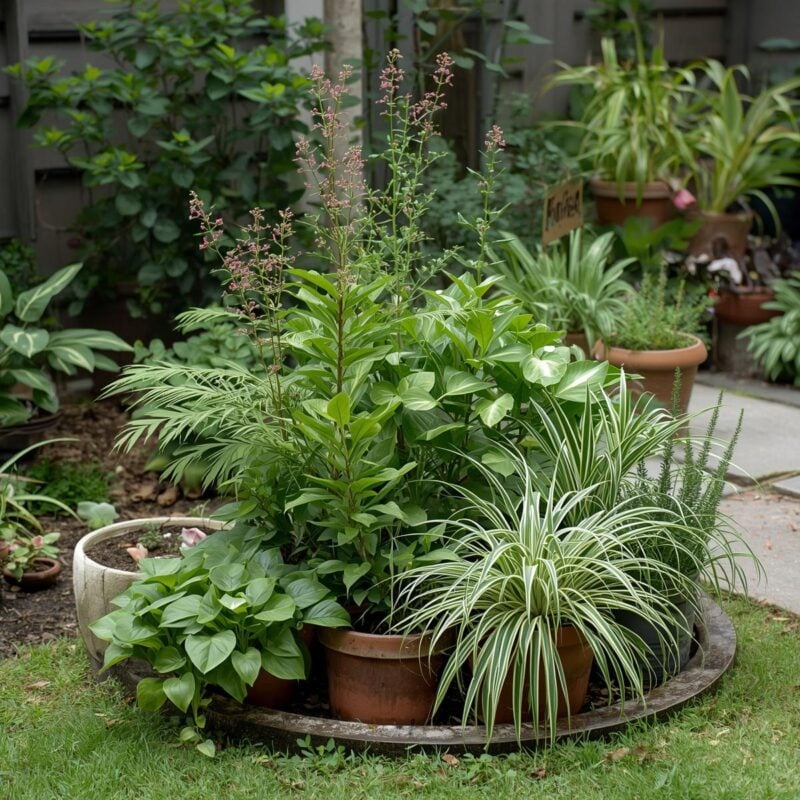
Container clusters are perfect for tiny front yards, rentals, or spots with bad soil. You group pots together so they look planned, not random. This gives you a mini garden that you can move if the sun shifts.
- Tomatoes and basil: A classic pair. Put them in matching large pots near your front steps for a clean, stylish look.
- Spinach and lettuce: These grow well in wide, shallow planters. They fill space fast and look fresh.
- Dwarf eggplant: “Dwarf” just means small, like a kid-size version of a full plant. It fits better in pots.
Use the same pot color or shape to make the group feel calm and polished. That small detail matters a lot in a front yard.
Idea 4: Vertical Growing Walls
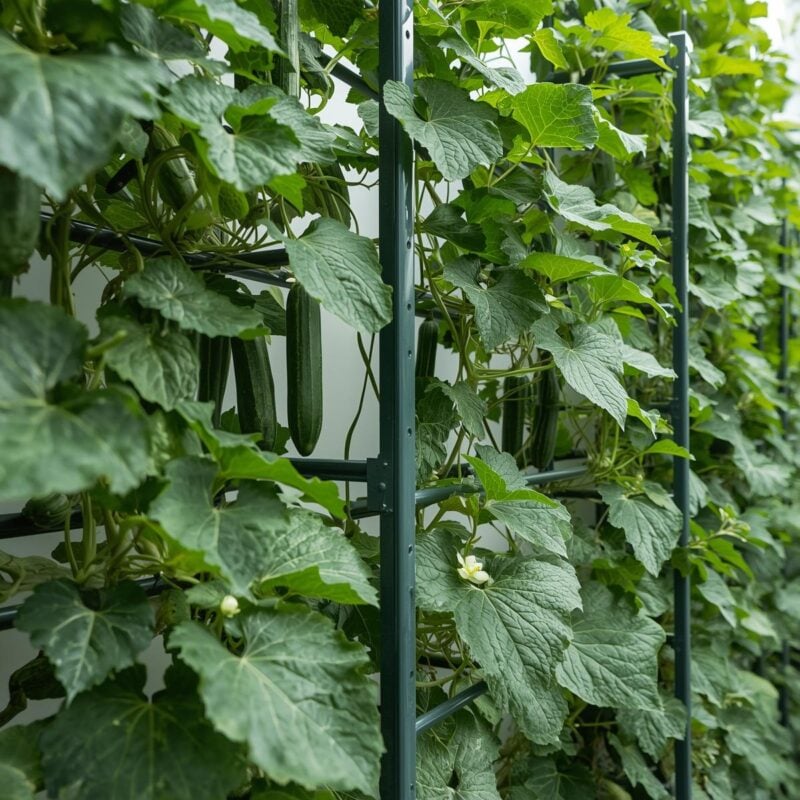
If your yard is short on space, grow up. A trellis is just a plant ladder. Vines climb it instead of spreading across the ground.
Best crops for height
Cucumbers, peas, and pole beans love vertical supports. Pole beans are beans that grow tall, not bushy. Small squash can work too, as long as the support is strong.
Easy ways to build the look
Try a wooden trellis by the porch, a metal arch over a path, or wall planters on a fence. An arch adds drama fast. It also frames the entry in a way flat beds cannot.
Keep tall growers at the back or side so they do not block the view from the street. Your garden stays open, neat, and welcoming.
Idea 5: Edible Landscaping Mix
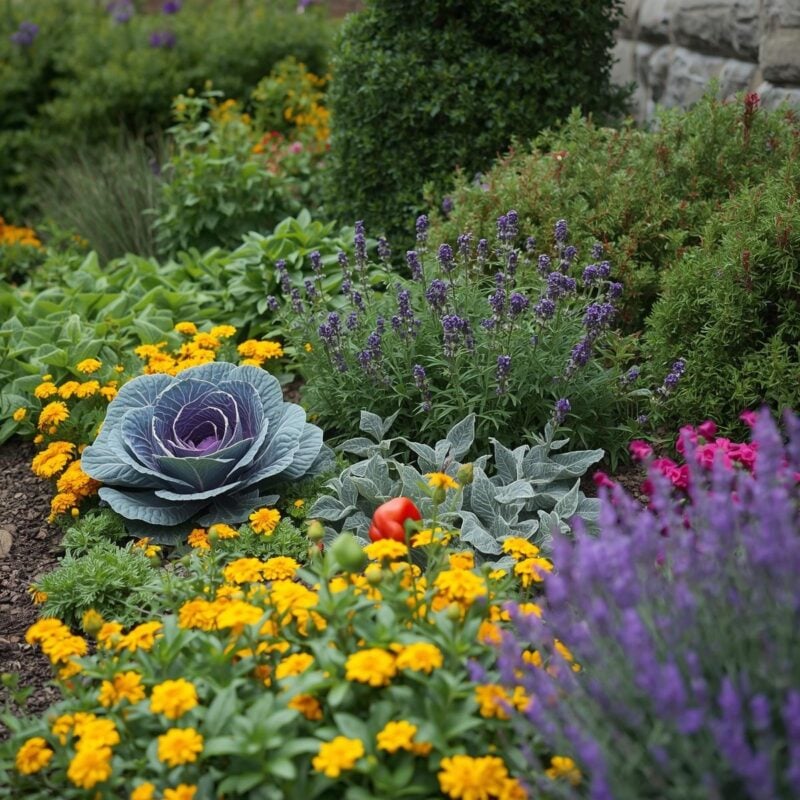
This idea blends food plants with flowers and shrubs, so your front yard looks like a garden first and a vegetable patch second. It works well if you want less of the old backyard-farm look. The mix feels softer and more decorative.
Try purple cabbage near yellow marigolds. Marigolds are bright flowers that can help pull attention away from bare soil. Peppers also look great near lavender because the shapes and colors balance each other.
A good edible landscape hides the work. People notice the beauty first, then the food.
| Mix | Why it works |
|---|---|
| Cabbage + marigolds | Bold leaves with bright color |
| Peppers + lavender | Neat shape and strong contrast |
| Kale + low shrubs | Full look for front borders |
Idea 6: Mini Square Plots
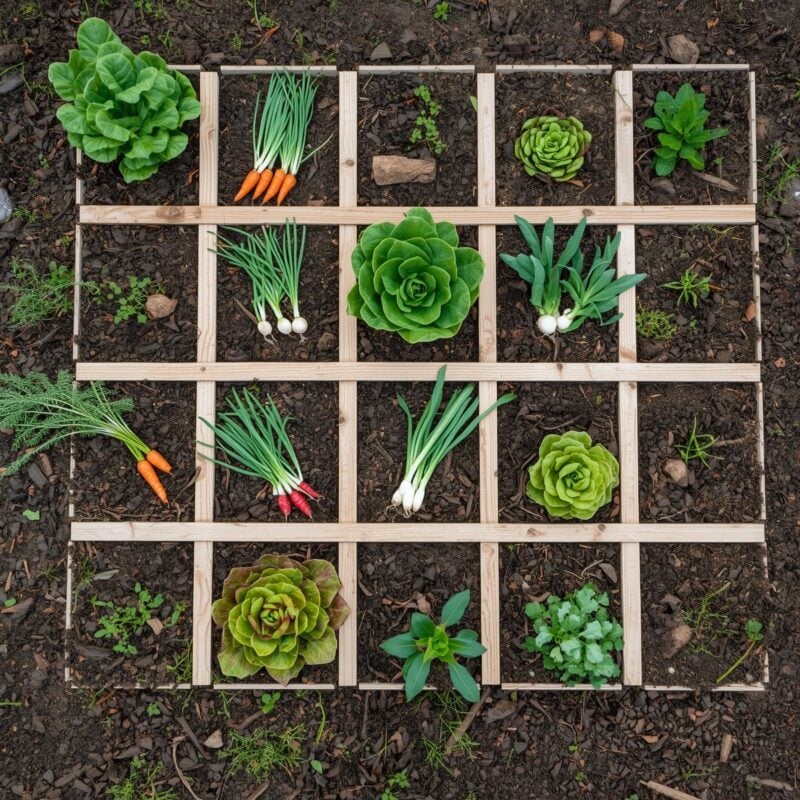
Square-foot gardening keeps a front yard vegetable garden tidy. You divide a small bed into little squares, then plant one crop in each square. Think of it like a checkerboard for vegetables.
How the grid helps
- Clear spacing: Carrots, radishes, onions, and lettuce each get their own spot, so plants do not crowd each other.
- Easy care: You can water, weed, and harvest one square at a time.
This style looks organized from the street, which is a big win in a front yard. Use thin wood strips to mark the grid so each section stays easy to read.
Idea 7: Front Yard Food Spiral
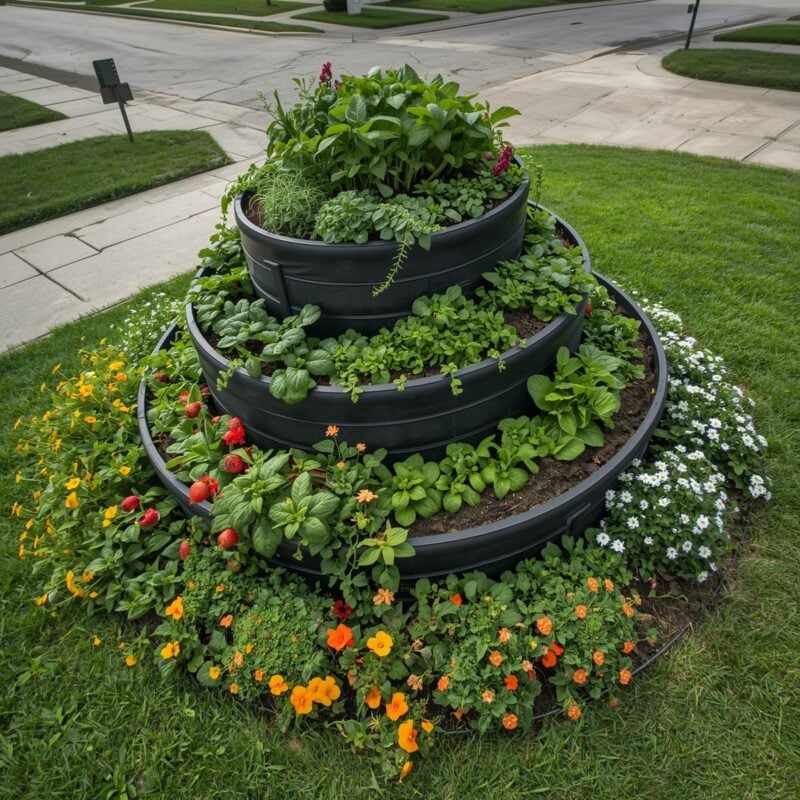
A food spiral is a curved planting bed that winds upward or around in a swirl shape. It saves room because it packs more growing space into a small footprint. It also looks creative, which helps a front yard stand out.
What to plant where
Herbs do well near the top where the soil drains faster. Leafy greens like a cooler, lower spot. Strawberries can spill over the edges, and trailing nasturtiums add color as they tumble down.
Why the shape works
Curves soften hard lines from sidewalks and driveways. The spiral also helps you group plants by water needs without making the design look stiff.
| Area of spiral | Good plant choice |
|---|---|
| Top | Rosemary, thyme, oregano |
| Middle | Lettuce, parsley, spinach |
| Edge | Strawberries, nasturtiums |
If you want a front yard garden that feels playful but still smart, this shape is a strong pick.
Best Plants by Yard Size
Some vegetables fit small spaces. Others need room to spread. Think of your yard like a bedroom floor. A tiny toy fits anywhere. A big toy needs more space. That is how plants work too.
Tiny and Small Yards
For a tiny front yard, grow compact crops. Try lettuce, radishes, green onions, and bush beans. In a small yard, add peppers, kale, and dwarf tomatoes. These plants stay fairly neat and give quick results.
Medium and Large Yards
A medium yard gives you space for more choice. You can grow zucchini, cabbage, carrots, and trellised cucumbers. A large yard can handle corn, pumpkins, potatoes, and bigger rows of tomatoes. The best goal is plant match, which means picking crops that fit your space instead of fighting it.
| Yard Size | Best Vegetable Picks | Example Use |
|---|---|---|
| Tiny | Lettuce, radishes, green onions | Along steps or near a porch |
| Small | Peppers, kale, bush beans | One tidy bed near the walkway |
| Medium | Tomatoes, carrots, cucumbers | Two to three beds with paths |
| Large | Corn, squash, potatoes | Wide planting blocks |
A simple table like this saves time. It helps you see, fast, what belongs in your front yard vegetable garden.
Helpful Tables for Planning
Planning gets easier when you can compare things side by side. A table is just a chart. It is like lining up crayons by color so you can pick the right one fast. For front yard vegetable garden ideas, tables help you choose crops that match your sun, space, and time.
- Sun needs: Full sun means about 6 to 8 hours of direct light. Leafy greens can handle less, but tomatoes and peppers want more.
- Spacing: This means how much elbow room a plant needs. Carrots can sit close together. Zucchini wants a lot more space.
| Crop | Sun | Spacing | Water | Best For |
|---|---|---|---|---|
| Lettuce | 4 to 6 hours | 6 to 8 inches | Keep soil lightly moist | Beginners, tiny yards |
| Tomatoes | 6 to 8 hours | 18 to 24 inches | Deep water a few times a week | Sunny small to large yards |
| Carrots | 6 hours | 2 to 3 inches | Steady moisture | Neat rows and border beds |
| Bush Beans | 6 to 8 hours | 4 to 6 inches | Moderate water | Fast harvests |
One more table can help with easy starter crops.
| Easy Crop | Why It Helps |
|---|---|
| Radishes | Grow fast and show quick progress |
| Kale | Looks pretty and keeps producing |
| Peppers | Compact plants with a clean shape |
Use these charts as a shortcut. They help you build a front yard garden that fits your real life, not just a pretty photo.
Keep It Tidy and Productive
A front yard vegetable garden should feed you and still look cared for. Start with mulch, which is a blanket for the soil. It helps hold water, blocks weeds, and makes beds look finished. Add clean edging so each bed has a clear line.
Keep planting in waves. That is called succession planting, which simply means you plant again after one crop is done. Swap spring lettuce for summer peppers, then add fall kale. Pull tired plants fast. Trim messy leaves. A neat garden always looks more inviting, even when it is full of food.
Wrap up
The best front yard vegetable garden ideas do more than grow food. They make your home look warm, useful, and full of life. Start with the size of your yard. Then use simple tables to choose crops with the right sun, spacing, and water needs.
Keep your plan easy. Pick a few vegetables you will actually cook. Add mulch, replant through the season, and keep bed edges sharp. Small steps work well here. Save the ideas that fit your space, then try one this season. A tidy front yard can become your prettiest vegetable garden yet.
Last modified: June 6, 2026
