

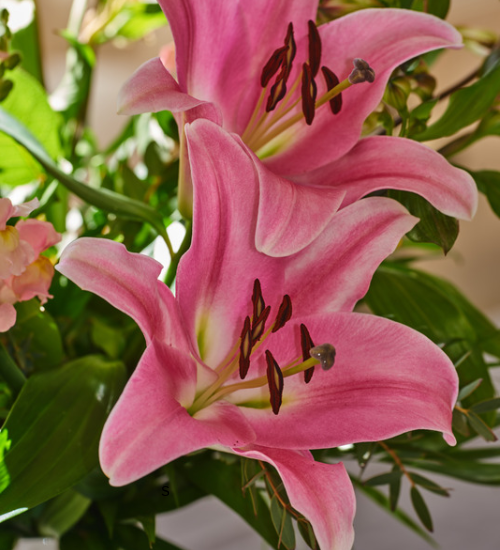
Saving seeds from your own flowers is one of the easiest ways to grow more plants without buying another packet. It also lets you preserve a flower color, shape, fragrance, or growth habit that performed especially well in your garden.
The process is simple, but timing matters. Seeds collected too early may not be mature enough to sprout. Seeds stored while damp can develop mold or lose viability. When you understand what mature seed looks like and how to keep it dry, how to save flower seeds from garden blooms becomes a practical skill rather than a guessing game.
Choose the best flowers for seed saving
How to Save Flower Seeds From Garden Blooms
Start with healthy plants that grew well without serious pest or disease problems. If one plant produced strong stems, attractive flowers, and reliable blooms, it is a better seed parent than a weak plant that struggled all season.
Good flowers for beginners include:
- Zinnias
- Marigolds
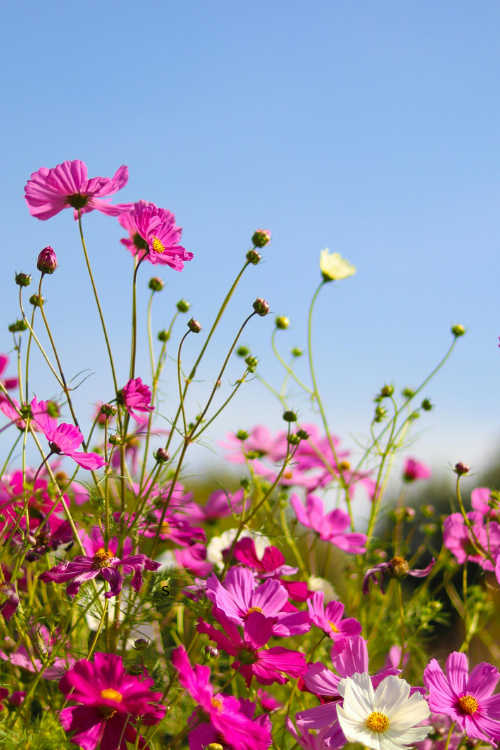
- Cosmos
- Sunflowers
- Calendula
- Nasturtiums
- Snapdragons
- Sweet peas
- Coneflowers
- Black-eyed Susans
- Strawflowers
- Poppies
Many flowers produce dry seeds that can be collected directly from dried flower heads or pods. OSU Extension notes that flowers such as zinnias, strawflowers, poppies, and stock are common examples of plants from which gardeners can collect mature seed. Collecting and storing seeds from your garden – OSU Extension Service
Keep in mind that saved seeds may not produce plants identical to the parent. Open-pollinated varieties are generally more predictable. Hybrid varieties may produce seedlings with different colors, heights, flower forms, or bloom times because they were created from selected parent lines.
Let the flower mature completely
The most common seed-saving mistake is harvesting too soon.
A flower that has just finished blooming may look dry on the outside, but the seeds may still be soft and immature. Leave selected flowers on the plant longer than you normally would. The petals will fade, the flower head will become brown or papery, and the stem may begin to dry.
Look for these signs:
- The flower head feels dry rather than soft.
- Seed pods change from green to tan or brown.
- Seeds become firm instead of pale and squishy.
- Some pods begin to split open naturally.
- The plant’s seed head starts releasing fluff or loose seeds.
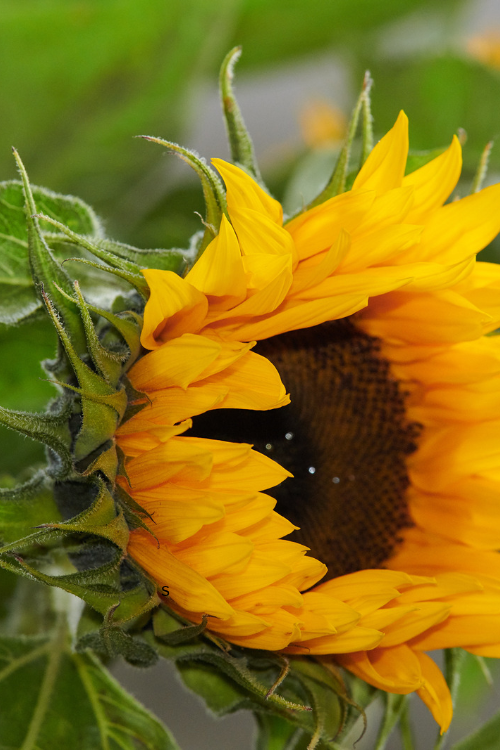
For sunflowers, you can leave the head on the plant until the back turns yellow-brown and the seeds look full. Harvest sooner if birds are removing most of the seeds.
Choose a dry day for collecting. Wet weather adds moisture to the seed heads and makes post-harvest drying more difficult.
Collect seeds without losing them
Bring a paper bag, envelope, scissors, and a marker into the garden. Avoid plastic bags during collection because they can trap moisture around freshly harvested material.
Cut the flower head or seed pod with a few inches of stem attached. Place each flower type in a separate paper bag or envelope. Do not mix varieties unless you are comfortable sorting them later.
For small seeds, cut the entire dried head and place it upside down inside a paper bag. Shake the bag gently after the head has dried further. For larger pods, open them by hand over a tray so the seeds do not bounce into the soil or disappear into cracks.
A simple collection label should include:
| Information | Example |
|---|---|
| Flower | Zinnia |
| Variety or color | California Giant, pink |
| Collection date | October 19, 2026 |
| Location | Front garden |
| Notes | Tall plants, heavy bloom |
Labeling immediately is important. Several flower seeds can look nearly identical once removed from their pods.
Dry the seeds before storing them

After collection, spread the seeds in a single layer on a plate, tray, or sheet of paper. Keep them indoors in a dry, shaded place with good air circulation. Do not place them on a radiator or in a hot oven. Excess heat can damage the embryo inside the seed.
Small seeds may need several days to dry. Larger or thicker seeds may need longer. Gently stir or turn them once a day so air reaches all sides.
The seeds are ready for storage when they feel dry and firm. They should not feel cool, soft, rubbery, or sticky. If a seed can be easily dented with a fingernail, it may need more drying time.
For how to save flower seeds from garden blooms successfully, drying is just as important as collection. A perfectly mature seed can still fail if it is sealed away while damp.
Remove extra plant material
Once the seeds are dry, separate them from petals, stems, husks, and other debris. This process is called cleaning.
For larger seeds, pick out the debris by hand. For seeds mixed with dry chaff, gently pour everything from one container to another outdoors on a calm day. The lighter chaff may blow away while the heavier seeds fall into the container.
Do not worry about making every seed perfectly clean. The goal is to remove bulky plant material and anything that could hold moisture. Avoid blowing aggressively on tiny seeds because they can easily disappear.
If you collect seeds from a flower head that contains insects, inspect them carefully. Discard seeds that are soft, discolored, damaged, or showing mold.
Store seeds in a cool, dry place
Place clean, dry seeds in labeled paper envelopes. Then put the envelopes inside an airtight jar or sealed container. A small packet of silica gel can help control moisture.
OSU Extension recommends keeping saved seed in tightly sealed containers in a cool, dark, dry location and labeling it with the plant and collection date. Save seeds now for next year’s garden | OSU Extension Service
Good storage locations include:
- A cool closet
- An indoor cabinet away from appliances
- A basement that is not damp
- A refrigerator, if seeds are sealed against moisture
Avoid storing seeds in a hot shed, humid greenhouse, or garage that experiences large temperature swings.
If using a refrigerator, allow the sealed container to return to room temperature before opening it. Opening a cold container in warm, humid air can allow condensation to form on the seeds.
Test saved seeds before planting
A simple germination test can tell you whether old flower seeds are still worth planting.
Place several seeds between two damp paper towels. Put the towels in a loosely closed plastic bag or container. Keep them warm and check them every few days. If roots appear, the seeds are viable.
Do not allow the paper towel to become soaked. Excess water can encourage rot and does not improve germination.
The test also helps you estimate planting density. If only half the seeds sprout, you may need to sow more heavily than you would with fresh commercial seed.
Seed life varies by plant and storage conditions. Properly stored seeds may remain useful for several seasons, but germination usually declines over time. Will Your Seeds Grow Plants? – OSU Extension Service
Which flowers may not come true?
Some saved seeds produce plants that differ from the parent because of cross-pollination. Bees, butterflies, and other pollinators may carry pollen between varieties.
This is especially common when several types of the same flower grow close together. Your saved zinnias might produce different colors next year, or a mixed bed of marigolds may create unexpected forms.
That is not necessarily a failure. Many gardeners enjoy the surprises. However, if you need a specific color or flower form, purchase fresh seed from a reliable source or isolate selected plants during flowering.
Hybrid flowers may also produce unpredictable offspring. The seedlings can still be attractive, but they may not match the original plant.
Plant saved flower seeds next season
Before planting, read the seed packet instructions for the flower you saved. Some seeds can be sown directly outdoors after frost danger passes. Others benefit from indoor starting or a period of cold, moist conditions.
Do not bury every seed at the same depth. Tiny seeds often need light or only a thin covering of soil, while larger seeds can be planted more deeply. If you are unsure, compare the seed size with the packet instructions or research the specific flower.
Use fresh seed-starting mix, provide steady moisture, and give seedlings adequate light after they emerge.
Common seed-saving mistakes
Avoid these problems:
- Harvesting green seed pods before they mature.
- Storing damp seeds in sealed containers.
- Using plastic bags during collection when plant material is still wet.
- Forgetting to label varieties.
- Assuming saved hybrid seed will match the parent.
- Keeping seed in a hot or humid location.
- Planting every flower seed at the same depth.
- Saving seeds from diseased plants.
The most reliable method for how to save flower seeds from garden blooms is straightforward: choose healthy plants, wait for mature dry seed, dry everything thoroughly, label each batch, and store it away from heat and moisture.
Saving seeds turns the end of the flowering season into the beginning of next year’s garden. Once you have tried it with easy flowers such as zinnias, marigolds, or cosmos, you can gradually experiment with more varieties and create a personal collection adapted to your own growing conditions.
Last modified: October 26, 2026
