


Lisianthus is one of the most beautiful flowers for a cutting garden. Its layered petals resemble small roses, while the sturdy stems make it useful for bouquets, table arrangements, and special occasions. The flowers may appear delicate, but the plants can produce strong stems and several blooms when they are started and cared for correctly.
Many gardeners struggle with lisianthus because it grows slowly at first. The seedlings are tiny, the seeds need light to germinate, and the plants dislike being rushed. However, once you understand the timing, growing lisianthus becomes much more manageable.
If you want to know how to grow lisianthus from seed for cut flowers, the most important lesson is to start early, provide bright light, and avoid disturbing the young roots.
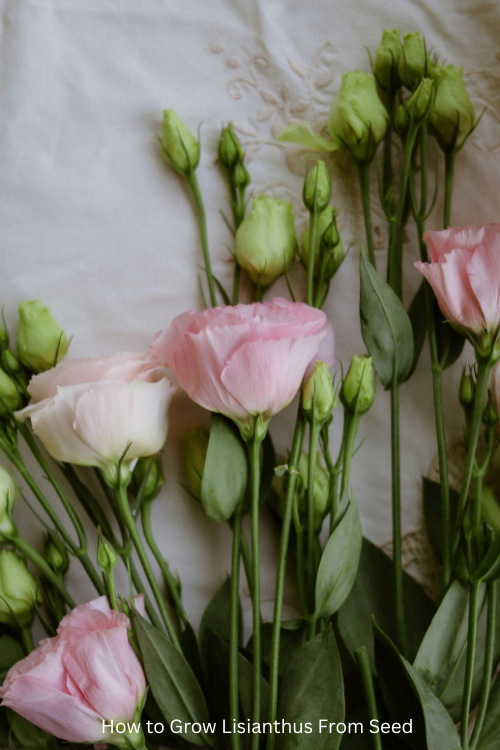
Why Grow Lisianthus in a Cutting Garden?
Lisianthus offers several qualities that make it valuable for home flower arrangements.
- It has a long, elegant stem.
- The blooms come in white, pink, purple, lavender, and bicolored forms.
- Flowers open gradually, which helps extend the display.
- The petals have a soft, rose-like appearance.
- Several buds can form on one stem.
- Cut stems can last well when harvested and conditioned properly.
Lisianthus also works well with flowers that have different shapes. Pair it with airy fillers such as Queen Anne’s lace, rounded blooms such as zinnias, or tall spikes such as snapdragons.
Choose the Right Variety
How to Grow Lisianthus From Seed
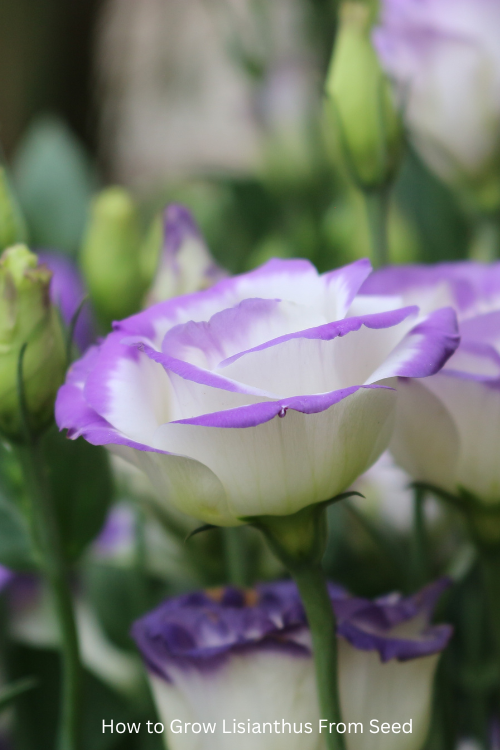
Lisianthus varieties differ in height, bloom size, and growing time. For cutting, look for varieties described as tall, double-flowered, or suitable for cut flowers.
Common color choices include:
| Color | Best use |
|---|---|
| White | Wedding-style bouquets and clean arrangements |
| Soft pink | Romantic bouquets and spring displays |
| Purple | Contrast with white, blush, or green flowers |
| Lavender | Soft cottage-style arrangements |
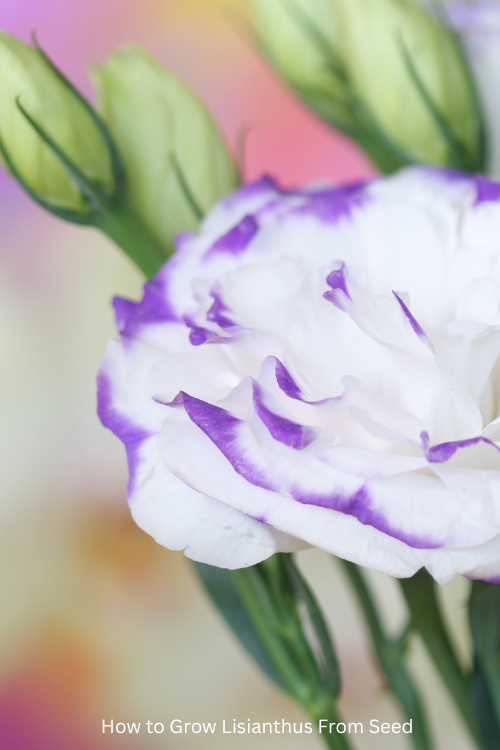
| Bicolor | Focal flowers with extra visual interest |
Some varieties are better suited to containers, while others produce longer stems in garden beds. Read the seed packet carefully and check the expected height before choosing a location.
Start Seeds Earlier Than You Think
The slow early growth is the main reason gardeners should not wait until spring to sow lisianthus. In many climates, seeds are started indoors several months before the last expected frost.
Lisianthus seeds may take time to germinate, and the seedlings need weeks of growth before they are large enough to transplant. Starting early gives the plants time to develop a strong root system before outdoor conditions become warm.
A general schedule looks like this:
- Sow seeds indoors during late winter.
- Keep seedlings under bright light.
- Grow them in cool but protected conditions.
- Harden plants gradually before transplanting.
- Move them outdoors after the danger of severe frost has passed.
Exact timing depends on your region. Gardeners in mild climates may sow earlier outdoors, while those in cold areas usually benefit from indoor propagation.
Use a Fine Seed-Starting Mix
Lisianthus seeds are small, so they should be planted in a fine, loose seed-starting mix. Avoid heavy garden soil, which may contain clumps that make it difficult for seedlings to emerge.
Use clean trays or small cells with drainage holes. Moisten the growing mix before sowing so the seeds are not displaced by a strong stream of water.
Place the seeds on the surface and press them gently into the mix. Do not bury them deeply. Lisianthus seeds generally benefit from light during germination, so they should remain close to the surface.
Cover the tray with a clear humidity dome or loose plastic covering. This helps prevent the surface from drying while the seeds are beginning to sprout.
Provide Bright Light
Once seedlings appear, remove the humidity cover and place the tray under a grow light or in a very bright window. Weak light causes stretched seedlings with thin stems.
Keep the light close enough to provide strong illumination without overheating the plants. If using artificial lights, maintain a regular schedule each day. A timer makes this easier and keeps the seedlings from receiving inconsistent light.
Turn trays occasionally if the plants are growing toward a window. Even growth produces stronger plants that are easier to transplant.
Keep Seedlings Cool and Evenly Moist
Lisianthus seedlings prefer steady conditions. Extremely warm rooms can cause weak growth, while dry soil can damage small roots.
Water when the surface begins to dry, but do not keep the mix saturated. Bottom watering can help protect fragile seedlings. Place the tray in a shallow container of water and allow moisture to move upward through the drainage holes. Remove the tray once the mix is evenly damp.
Avoid frequent light sprinkling once the plants are established. Shallow moisture encourages weak surface roots. The goal is evenly moist, not constantly wet, soil.
Transplant Carefully
When seedlings have several true leaves, move them into individual cells or small pots. Handle them by the leaves rather than the stem. The roots are easily damaged when young.
Use a well-drained potting mix and plant each seedling at the same depth it was growing before. Press the mix gently around the roots and water thoroughly.
Do not move lisianthus into a much larger container too early. Excess soil stays wet longer, which can increase the risk of root problems. Pot up gradually as the plants grow.
Harden Plants Before Planting Outdoors
Indoor-grown lisianthus needs time to adjust to outdoor sun, wind, and temperature changes. Begin hardening about one to two weeks before planting in the garden.
Start by placing the plants outdoors in a sheltered, shaded location for a short period. Increase the time outside gradually. Add more morning sun before exposing them to stronger afternoon light.
Bring them indoors if temperatures drop sharply or strong wind is expected. Rushing this process can scorch leaves, break stems, or stop growth.
Choose the Best Planting Location
Lisianthus grows best in a location with plenty of sun and well-drained soil. In very hot climates, a spot with morning sun and light afternoon protection may help prevent stress.
Prepare the bed by removing weeds and loosening the soil. Mix in finished compost if the soil is poor, compacted, or low in organic matter. Avoid planting where water collects after rain.
Space plants according to the seed packet. Crowded plants may have weaker airflow and thinner stems, while excessive spacing wastes garden space. A moderate spacing arrangement usually provides enough room for growth while keeping the bed productive.
Support Tall Plants
Lisianthus stems can become top-heavy when several buds open at once. Support is especially helpful in windy gardens or when plants are grown for long-stem bouquets.
Install support before plants become tall. Options include:
- Flower-support netting
- Short garden stakes
- Small grids placed over the bed
- Flexible rings around groups of plants
Early support is less noticeable and prevents the plants from leaning into one another.
Water and Feed Consistently
Water deeply when the upper layer of soil begins to dry. The exact frequency depends on temperature, rainfall, soil type, and container size.
Mulch can help keep soil moisture more consistent, but keep it away from the plant crowns. Wet mulch pressed against the stems may encourage rot.
A balanced flower fertilizer can be used according to the product label. Avoid excessive nitrogen, which may produce lots of leaves but fewer sturdy flower stems. Compost and moderate feeding are usually enough for healthy garden soil.
Harvest Lisianthus at the Right Stage
For the longest vase life, harvest lisianthus when at least one flower is open and several buds show color. Stems cut too early may not open properly, while fully open flowers are more easily damaged.
Harvest in the cool morning after the plants are hydrated. Use clean, sharp scissors or pruners. Cut the stem above a healthy set of leaves so the plant can continue producing growth.
Remove leaves that would sit below the waterline. Place the stems in clean water immediately, then condition them in a cool area away from direct sun.
Common Problems
Seeds do not germinate
The seeds may have been buried too deeply, allowed to dry out, or kept too warm. Press them lightly onto the surface and maintain consistent moisture.
Seedlings become tall and thin
This usually indicates insufficient light. Move the plants closer to a grow light or brighter window.
Plants stop growing after transplanting
Lisianthus may pause briefly after being disturbed. Keep the soil evenly moist and avoid overfertilizing. New growth should resume once the roots recover.
Stems flop over
Provide support earlier and check whether the plants are receiving enough light. Crowding and excessive nitrogen can also contribute to weak stems.
Final Tips for Success
The secret to how to grow lisianthus from seed for cut flowers is patience. These plants take longer than many common annuals, but their elegant blooms make the wait worthwhile.
Start seeds early, give seedlings strong light, transplant carefully, and provide well-drained soil. With steady watering and timely harvesting, even a small group of lisianthus plants can provide graceful stems for bouquets throughout the flowering season.
Last modified: October 11, 2026
