

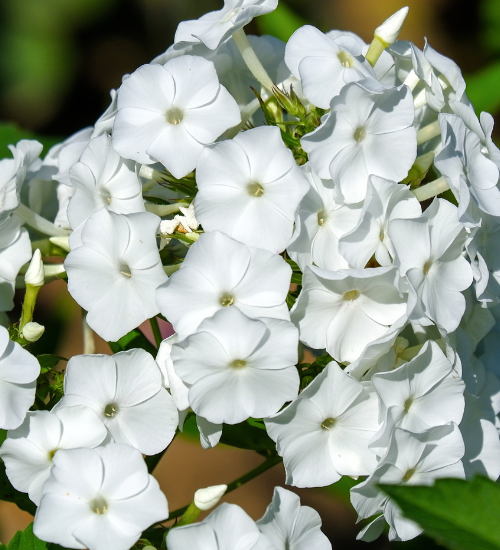
A garden does not have to be designed only for daytime. With pale flowers, silvery leaves, evening fragrance, and a comfortable place to sit, you can create an outdoor space that becomes more interesting after sunset.
A moon garden is designed to catch available light at night. White and pale-colored flowers appear brighter than dark blooms, while silver foliage can reflect moonlight or nearby outdoor lighting. Fragrant flowers add another layer of interest, especially when the evening air is calm.
The best moon garden flowers that bloom at night are not limited to one plant type. Some open after sunset, some release their strongest fragrance in the evening, and others simply remain visible because of their pale petals.
What Makes a Moon Garden Different?
A traditional flower border is usually planned around daytime color. A moon garden focuses more on contrast, texture, scent, and visibility after dark.
Important features include:
- White or cream-colored flowers
- Pale pink or lavender flowers
- Silver, gray, or variegated foliage
- Plants with evening fragrance
- Flowers that open late in the day
- A bench, chair, or small sitting area
- A safe path through or beside the planting
You do not need a large yard. A patio container, narrow side garden, or small bed near a doorway can work well.
Choose the Best Location
The most enjoyable moon garden is located where you will actually see or use it at night. Consider planting near:
- A back patio
- A bedroom window
- A porch
- A garden bench
- A walkway from the house
- An outdoor dining area
If possible, choose a location that receives enough sunlight during the day for the plants you want to grow. A moon garden still needs to function as a healthy garden before sunset.
Avoid placing highly fragrant plants directly beside an open bedroom window if strong scents bother anyone in the household. Instead, use fragrance near a seating area or along a path where it can be appreciated briefly.
Flowers That Open or Shine After Dark
The following flowers can contribute to a moon garden. Availability and hardiness vary by region, so check local growing requirements before planting.
Moonflower
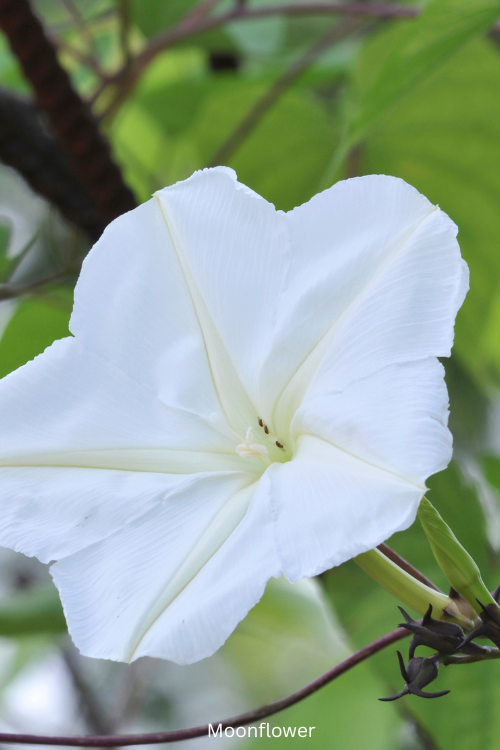
Moonflower is a vigorous vine known for large white blooms that open in the evening. It needs support such as a trellis, fence, or sturdy obelisk.
The flowers are especially effective when viewed near a sitting area. Give the vine plenty of vertical room, because it can quickly cover a structure during warm weather.
Evening Primrose
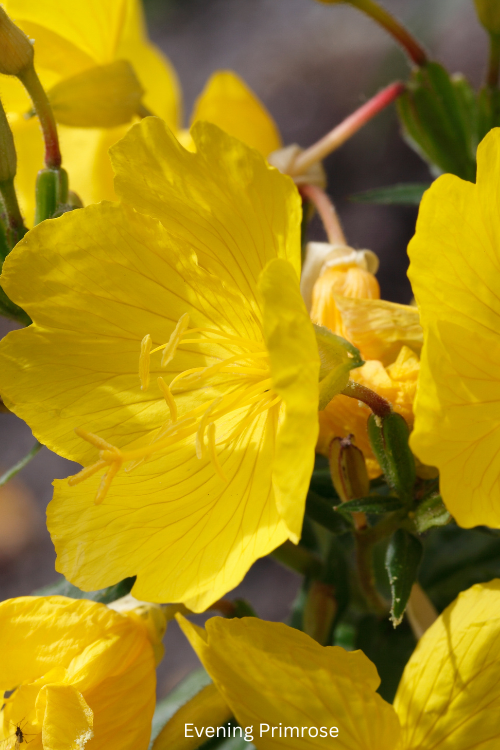
Evening primrose produces yellow flowers that may open later in the day. The blooms add a soft golden tone rather than pure white, making them useful for blending a moon garden with warm outdoor lighting.
Some types spread readily, so place them where their growth can be managed.
Four O’Clocks
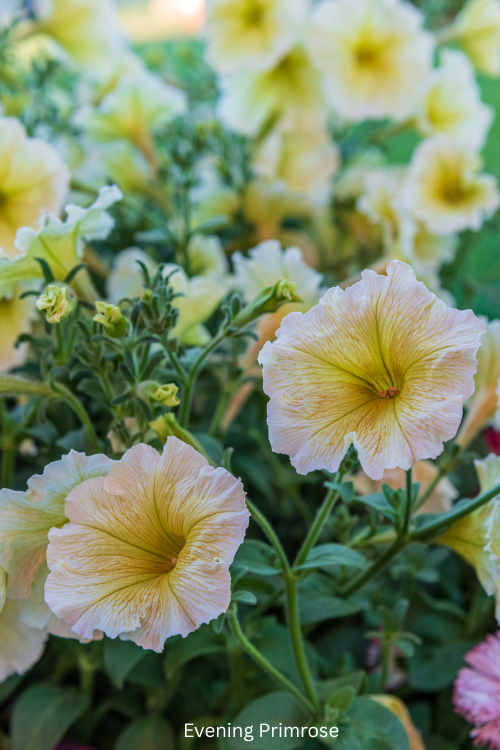
Four o’clocks often open in the late afternoon or evening and may provide fragrance. Their trumpet-shaped flowers come in several colors, including pink, yellow, red, and white.
Because the plants can become bushy, use them toward the middle or back of a flower bed.
Nicotiana
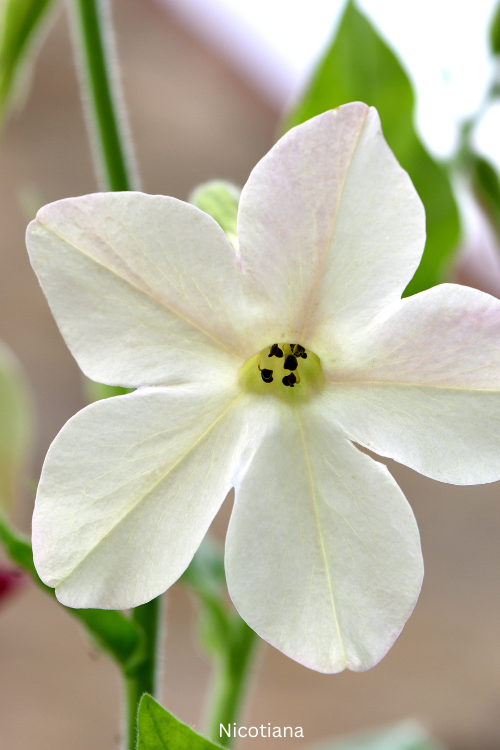
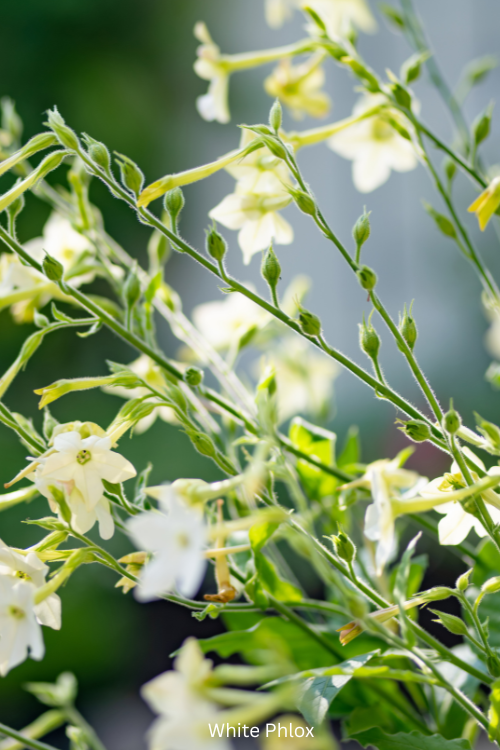
Flowering tobacco produces tubular flowers and is especially useful for evening fragrance. White varieties stand out in low light, while the tall stems add vertical interest.
Nicotiana works well behind shorter flowers or near a pathway where its scent can be noticed.
Night-Blooming Jasmine
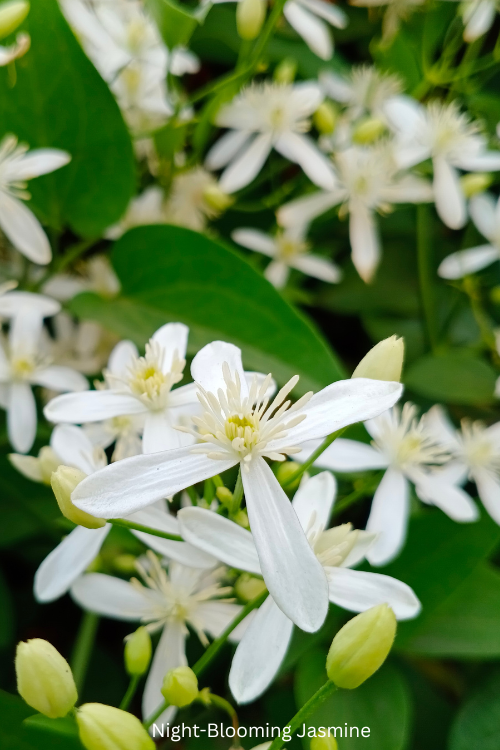
Night-blooming jasmine is valued mainly for its strong evening fragrance. In warm climates it may grow as a shrub, while gardeners in colder regions may need to grow it in a container and move it indoors during winter.
Use it carefully near sitting areas because the scent can be powerful.
White Petunias
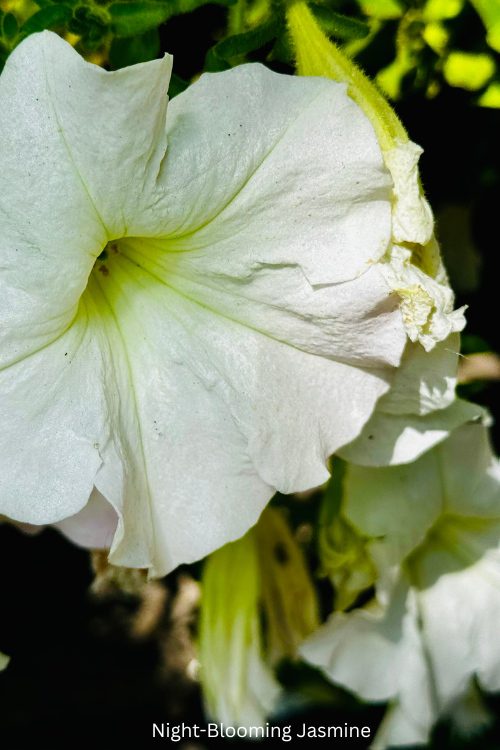
White petunias may not open only at night, but their flowers remain highly visible after sunset. They are useful in containers, hanging baskets, and border edges.
Pair them with silver foliage or dark green leaves to make the white flowers appear even brighter.
White Phlox
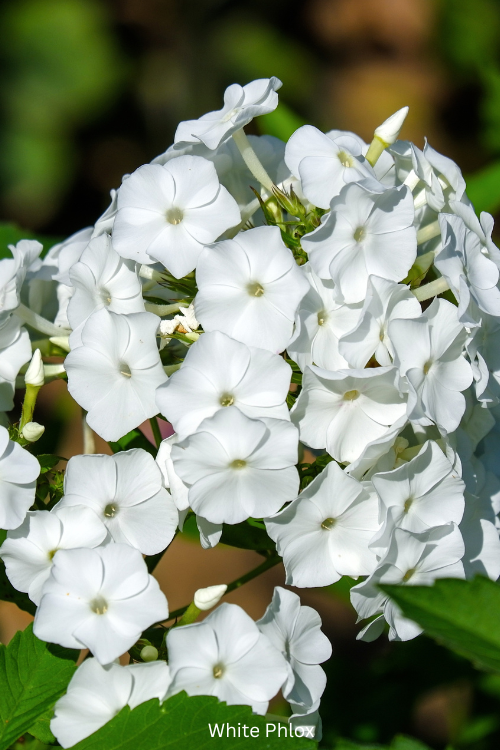
White phlox creates a soft mass of flowers and can add fragrance depending on the variety. It works well in cottage-style moon gardens and mixed perennial beds.
Plant it where air circulation is good and avoid consistently wet foliage.
White Nicotiana and Annual Vines
Moon Garden Flowers That Bloom at Night
Combining white nicotiana with a pale-flowered vine can create a layered display. Use the vine for height, nicotiana for fragrance, and low-growing annuals to cover bare soil.
This three-level approach makes a small garden feel fuller without requiring dozens of different plants.
Add Silver and Gray Foliage
Flowers are only part of the design. Foliage often provides the most reliable nighttime interest because it remains visible between blooming periods.
Useful choices may include:
- Lamb’s ear
- Dusty miller
- Artemisia
- Silver sage
- Variegated hosta
- Silver thyme
- Santolina
- Variegated grasses
Silver foliage looks especially effective beside dark green shrubs or deep purple flowers. Avoid filling the entire bed with gray plants, however. Repetition is helpful, but too much of one texture can make the garden appear flat during the day.
Use Repetition Instead of Too Many Plant Types
A common mistake is choosing one of everything. This can make a moon garden look scattered rather than intentional.
Instead, repeat a small group of plants. For example:
| Garden layer | Suggested plants |
|---|---|
| Tall structure | Moonflower vine or white nicotiana |
| Middle height | White phlox or four o’clocks |
| Front edge | White alyssum or white petunias |
| Foliage contrast | Lamb’s ear or dusty miller |
| Fragrance point | Night-blooming jasmine in a container |
Repeating the same plant two or three times creates rhythm. It also makes maintenance easier because you are caring for fewer growing requirements.
Plan a Simple Moon Garden Layout
A small bed can be organized in layers.
Place the tallest plant at the back or along a fence. Add medium-height flowers in the middle. Use low-growing plants along the edge so they soften the border without blocking the taller flowers.
For a patio container, use the thriller-filler-spiller method:
- Thriller: A tall white-flowered plant or upright grass
- Filler: Nicotiana, white petunias, or pale begonias
- Spiller: Trailing white flowers or silver foliage
The container should have drainage holes and be large enough to prevent rapid drying. Pale containers can reinforce the moonlit theme, but dark pots can also create a strong contrast.
Include Fragrance at Different Heights
Fragrance is often strongest when planted close to a path or sitting area. Place low fragrance plants near the edge, medium plants beside the seating zone, and taller fragrant shrubs farther back.
Do not group every fragrant plant together. Scattering scent through the garden creates small discoveries as you walk around.
Also consider wind direction. A sheltered corner may hold fragrance better than an exposed, windy location.
Add Reflective Garden Features
You can increase nighttime visibility with simple surfaces that catch available light.
Consider using:
- Pale gravel
- Light-colored stepping stones
- A glazed ceramic pot
- A shallow water bowl
- A white-painted trellis
- A small metal sculpture
- A pale bench cushion
Avoid placing slippery materials on paths. Safety matters more than appearance, especially in areas that become damp at night.
Solar lights can help define paths, but use them gently. Bright lights may overpower the flowers and disturb the relaxed atmosphere. Low, warm lights placed at ground level are usually more suitable than harsh overhead lighting.
Design for Evening Pollinators
Some evening-blooming flowers attract moths and other nighttime visitors. Avoid spraying broad-spectrum insecticides around a moon garden, especially when plants are flowering.
Provide a mix of flowers, shelter, and shallow water if appropriate for your location. Letting some flowers remain overnight can also support visiting pollinators.
Choose plants responsibly and avoid introducing invasive species. A local native-plant nursery can help identify night-fragrant or pale-flowered plants that belong in your region.
Maintain the Garden
Moon gardens still need ordinary care.
- Water deeply when the soil begins to dry.
- Remove spent flowers to encourage continued blooming.
- Trim vines before they cover windows or gutters.
- Check plants for mildew and poor airflow.
- Refresh containers with fresh potting mix as needed.
- Keep paths free of fallen leaves and slippery debris.
- Prune shrubs according to their correct flowering schedule.
White flowers can show dirt and fading more easily than bright colors. Regular deadheading keeps the display looking fresh.
Final Design Idea
For a simple starter moon garden, plant one white-flowered vine, three white or pale annuals, and two silver-foliage plants. Add a chair and a small solar path light. This creates a complete experience without requiring a major landscape project.
The best moon garden flowers that bloom at night are plants you can enjoy from your own home. Focus on fragrance, pale color, texture, and comfortable access. A small, thoughtfully planned space can feel more magical than a large bed filled with random plants.
Last modified: October 11, 2026
