

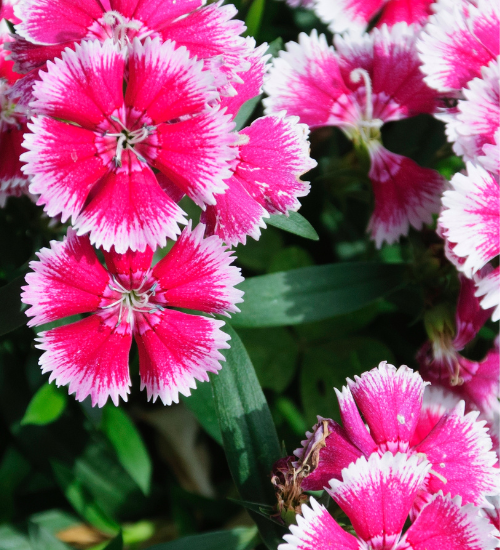
A sunny slope can be one of the most difficult places to grow flowers. Water runs downhill instead of soaking evenly into the soil, the upper section may dry quickly, and mowing or weeding can be awkward. During hot weather, sloped ground may become even more stressful for plants because exposed soil heats up and loses moisture.
The answer is not simply to water more. A better approach is to choose plants that tolerate dry conditions, improve the soil gradually, and arrange flowers in a way that slows runoff.
The best flowers for a dry sunny slope are adapted to full sun, well-drained soil, and periods of limited moisture once established. They should also have strong root systems or spreading habits that help hold the soil in place.
Prepare the Slope Before Planting
Do not begin by digging every inch of the slope. Start by identifying areas where water flows during heavy rain.
Watch the slope during a storm if it is safe to do so. Look for small channels, exposed roots, washed-out mulch, and places where soil collects at the bottom. These areas may need physical erosion control before planting.
Useful improvements include:
- Creating shallow planting pockets across the slope
- Adding compost to poor soil
- Installing contour lines or low berms
- Using biodegradable erosion-control fabric
- Building small terraces where the slope is steep
- Applying mulch after planting
Avoid creating a smooth downhill channel that encourages water to accelerate. Small interruptions in the slope help water soak in rather than rush away.
Choose Plants for the Actual Conditions
A plant labeled “drought tolerant” still needs regular watering while it establishes. Most plants require consistent moisture during their first growing season, even if they can handle dry conditions later.
Check mature size, light requirements, soil preferences, and hardiness before purchasing. Some plants tolerate drought only in well-drained soil, while others need a deeper root run.
The following flowers are useful starting points for a dry sunny slope.
1. Lavender
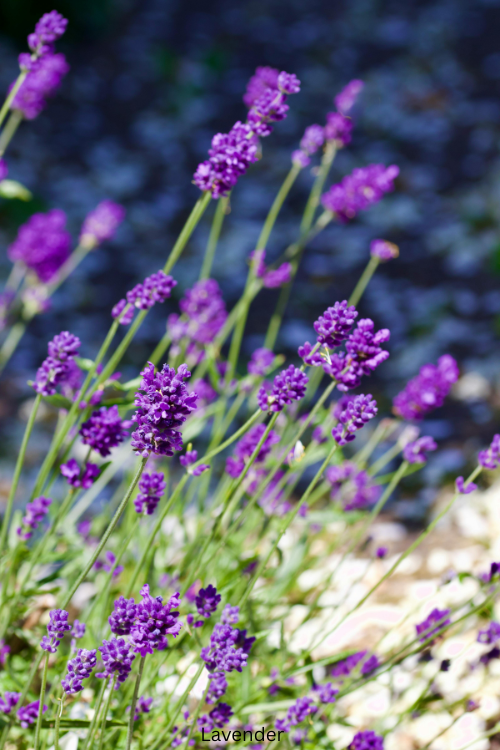
Lavender is a natural choice for a hot, sunny bank. Its gray foliage reflects light, and its fragrant flowers attract attention from a distance.
Plant lavender in sharply draining soil and avoid heavy clay that stays wet around the roots. Space plants according to mature width so air can circulate.
Lavender looks strongest when planted in repeated groups rather than scattered one plant at a time. A row following the contour of the slope can create a clean edge, while larger groups can anchor the middle section.
2. Yarrow
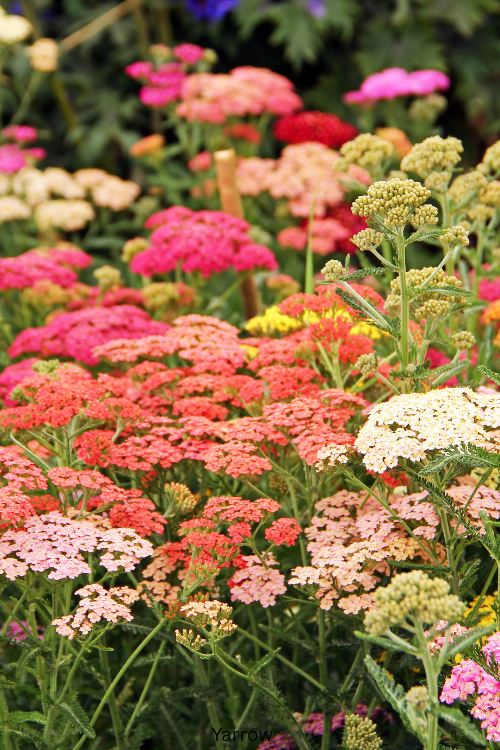
Yarrow produces flat flower heads above fern-like foliage. It is useful for dry gardens because it tolerates sun and can handle lean soil once established.
Available colors include white, yellow, pink, and red. Use one color for a calm design or combine two colors with ornamental grasses.
Cut spent flower stems to encourage a tidier appearance. Leave some seed heads standing if you enjoy winter texture and wildlife interest.
3. Coneflower
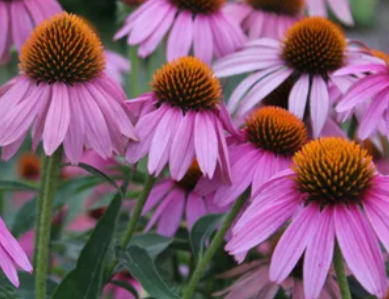
Coneflowers provide upright stems and daisy-shaped blooms in sunny conditions. Their sturdy form works well in the middle or upper part of a slope.
Purple coneflower is a familiar choice, but other colors and hybrids are available. Select plants according to your local growing conditions rather than flower color alone.
Coneflowers combine well with yarrow, salvia, sedum, and grasses. Their seed heads can also add structure after the petals fade.
4. Russian Sage
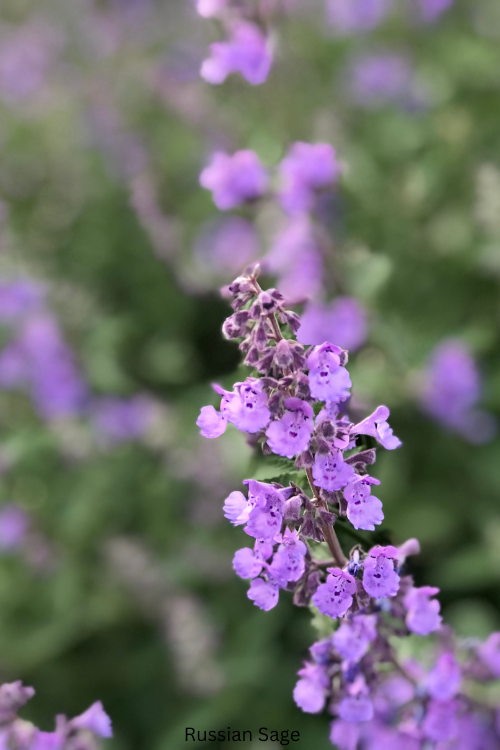
Russian sage creates an airy cloud of lavender-blue flowers and silvery stems. It is particularly effective on slopes because its upright, open form does not create a heavy visual mass.
Provide plenty of space because mature plants can spread outward. Avoid planting it where narrow paths need to remain clear.
Cut the plant back in late winter or early spring, depending on your climate. New growth develops from the base as the season begins.
5. Sedum
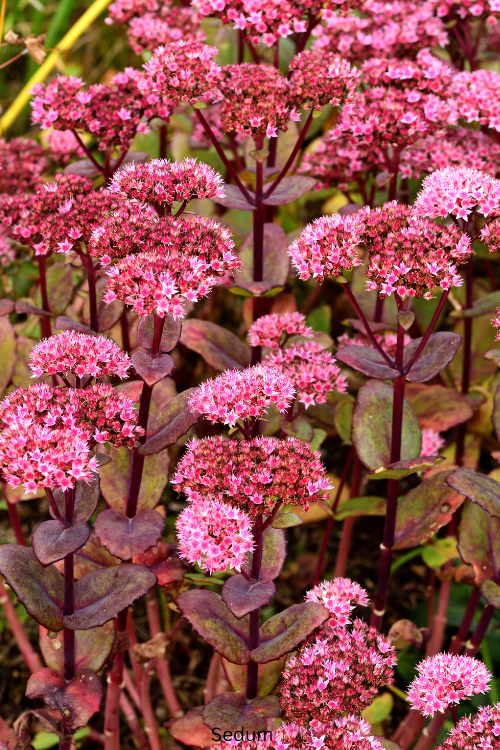
Tall sedums are valuable for late-season color, while low-growing sedums can help cover bare soil between larger plants.
They store water in their leaves and generally prefer excellent drainage. Use low sedums along the front edge of a slope and taller forms in the middle.
Sedums have fleshy leaves that provide interest even before flowering. Their flat flower heads can attract pollinators and remain attractive after blooming.
6. Catmint
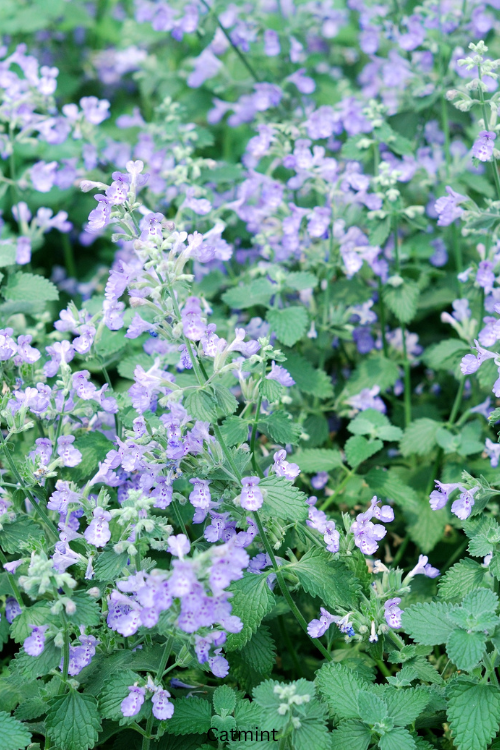
Catmint forms a soft mound of gray-green foliage with lavender-blue flower spikes. It is useful for sunny slopes because it spreads enough to soften soil while remaining manageable.
Cut catmint back after its first flush of flowers to encourage new growth. Plant it beside roses, coneflowers, or ornamental grasses for a relaxed combination.
7. Coreopsis
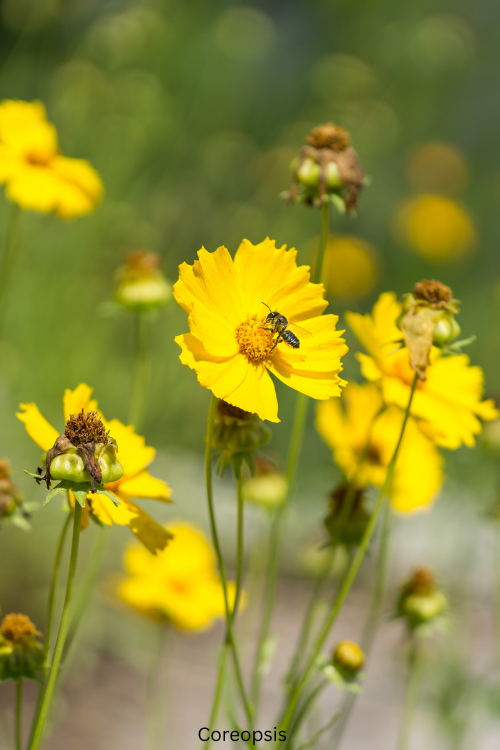
Coreopsis offers bright yellow or pink flowers and a long flowering period in many gardens. It works well in the middle or lower section of a slope.
Deadhead regularly if you want a tidier appearance and more flowers. Coreopsis prefers sun and well-drained soil, though it still needs watering during establishment.
8. Black-Eyed Susan

Planting Black-Eyed Susans
Black-eyed Susans provide strong yellow flowers with dark centers. Their upright stems are easy to see from a distance, making them useful for larger slopes.
Combine them with blue flowers such as catmint or Russian sage for contrast. Avoid planting them in a place where standing water remains after storms.
9. Blanket Flower
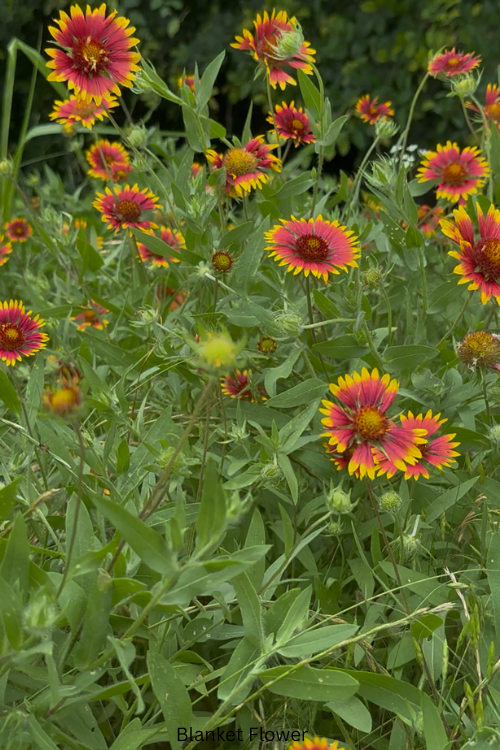
Blanket flower produces warm red, orange, and yellow blooms that suit hot, sunny spaces. It is a good option when you want a slope to look bright during summer.
Use it in groups and remove faded blooms to extend flowering. Blanket flower can be short-lived in some gardens, but it often returns through reseeding when conditions are suitable.
10. Salvia
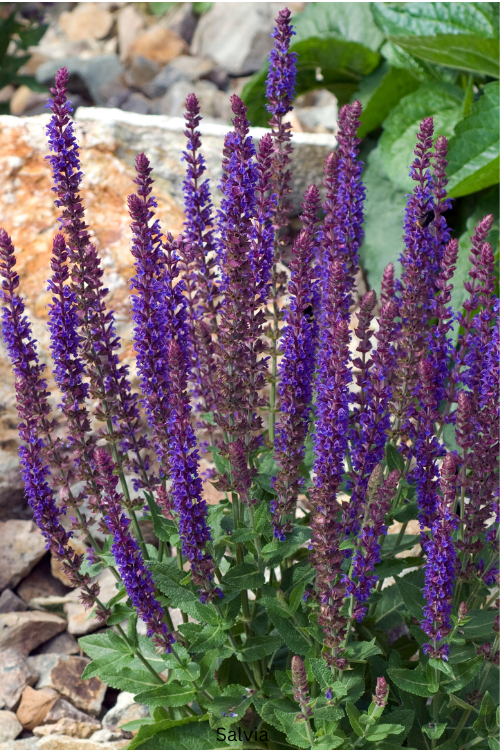
Perennial salvias bring vertical flower spikes and are useful for repeating color across a slope. Purple, blue, pink, and white forms can be combined with lower mounding plants.
Cut back the first flush of spent flowers to promote reblooming. Salvia performs best where the soil drains well and the plant receives strong light.
11. Thyme
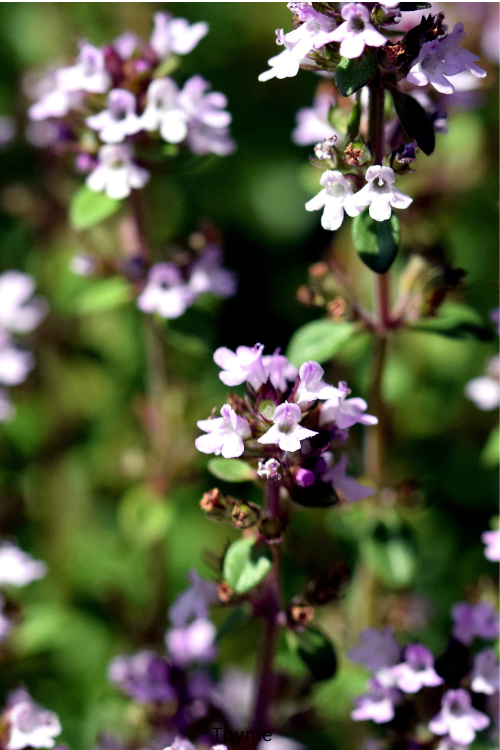
Creeping thyme is a low-growing option for the front of a sunny slope or between stepping stones. It produces tiny flowers and spreads gradually across exposed soil.
It does not replace structural erosion control on a steep bank, but it can help cover small spaces between larger plants. Avoid planting it in heavily compacted soil.
12. Dianthus
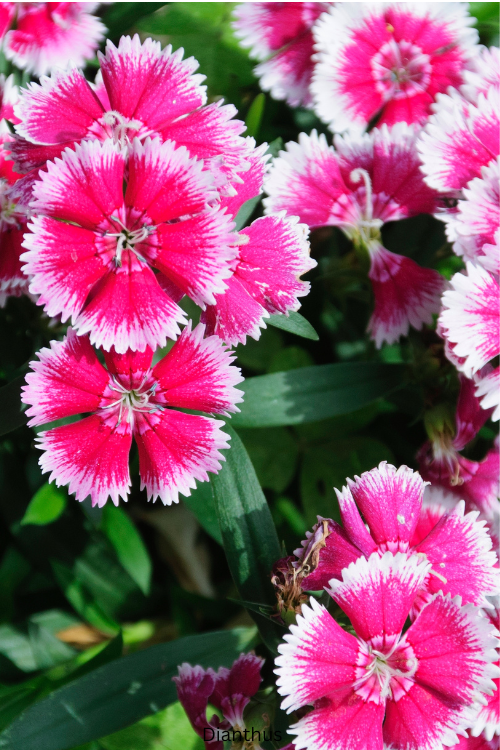
Dianthus offers compact cushions of blue-green foliage and flowers in pink, red, or white. It works well along the lower edge of a slope.
Good drainage is essential. Remove faded flowers and avoid overwatering, especially in heavy soil.
13. Gaura
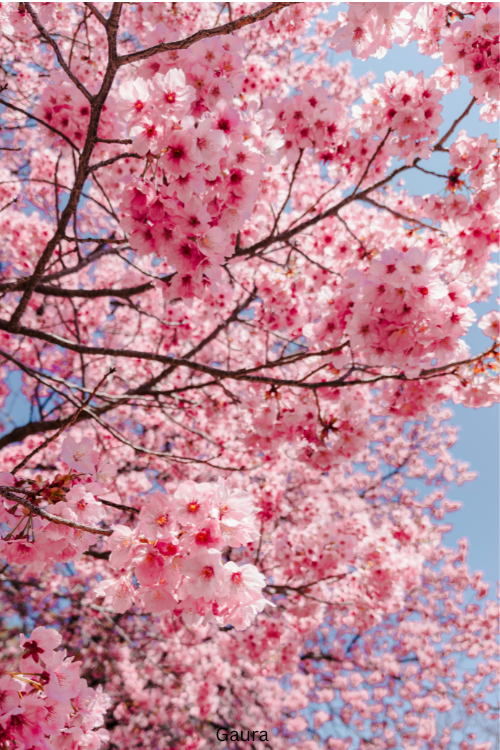
Gaura produces delicate flowers on tall, moving stems. It adds lightness to a slope and contrasts with compact plants such as lavender or sedum.
Although the plant looks fragile, established gaura can tolerate dry conditions in suitable soil. Give it room to move in the wind.
14. Ornamental Oregano

Ornamental oregano produces rounded clusters of pink or purple bracts above low foliage. It is useful for adding unusual texture to a dry planting.
Use it near paths or seating areas where the flower heads can be appreciated closely. It combines well with lavender, thyme, and grasses.
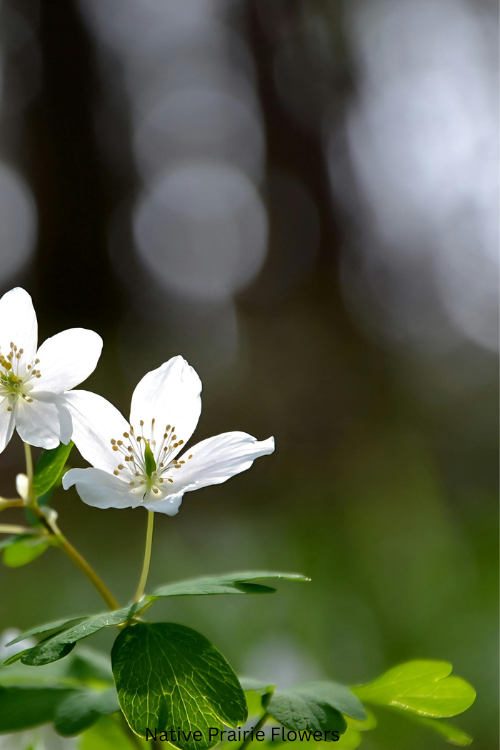
15. Native Prairie Flowers
Flowers for a Dry Sunny Slope
Native flowers are often valuable choices because they are adapted to regional weather and soil conditions. Depending on location, options may include native coneflowers, bee balm, goldenrod, asters, blazing star, or native milkweed.
Do not assume every native plant is suited to every slope. Check whether the species prefers dry upland soil, moist lowland soil, or partial shade. Native plants can support local pollinators and wildlife when matched correctly to the site. Native plants support wildlife and sustainability in Minnesota gardens
Create a Layered Slope Layout
A practical design places plants according to height and water movement.
Upper slope
- Lavender
- Yarrow
- Russian sage
- Low sedums
Middle slope
- Coneflowers
- Black-eyed Susans
- Salvia
- Blanket flowers
Lower slope
- Creeping thyme
- Dianthus
- Catmint
- Ground-cover sedums
The lower section may receive more water from runoff, so it can support plants that need slightly more moisture than the upper slope.
Plant across the slope rather than in straight rows running downhill. This creates visual bands and helps slow water.
Watering New Plants
Water deeply and slowly during the establishment period. A soaker hose is often more effective than a sprinkler because it applies water close to the soil.
Water early in the day when possible. Check moisture at several points because the top and bottom of a slope may have very different conditions.
As plants establish, extend the time between watering while monitoring signs of stress. Deep roots are encouraged by thorough watering followed by a gradual drying period, but do not allow young plants to wilt repeatedly.
Mulch Without Creating Runoff
Mulch helps reduce evaporation and protects the soil surface. Use a thin, even layer rather than piling mulch deeply against plant stems.
On steep slopes, shredded bark, composted leaves, or erosion-control blankets may stay in place better than loose chips. Avoid applying a thick layer that can slide downhill during heavy rain.
Avoid These Mistakes
Do not plant only one species across the entire slope. A single pest, disease, or weather event could damage the entire display.
Do not amend only the planting hole with rich compost while leaving surrounding soil poor and compacted. Roots eventually need to grow beyond the original hole.
Do not overwater drought-tolerant plants. Many dry-climate flowers fail because their roots stay wet, not because they receive too little water.
Finally, do not ignore slope stability. If the bank is steep, eroding, or close to a building, seek appropriate professional guidance before making major changes.
Final Thoughts
The best flowers for a dry sunny slope combine beauty with practical performance. Lavender, yarrow, coneflowers, sedum, catmint, salvia, thyme, and native prairie flowers can create a colorful planting that uses water more thoughtfully.
Prepare the slope, plant across the contour, water new plants carefully, and allow the garden to develop over time. A dry bank does not have to remain a difficult patch of bare soil; it can become one of the most distinctive flower areas in the landscape.
Last modified: October 12, 2026
