

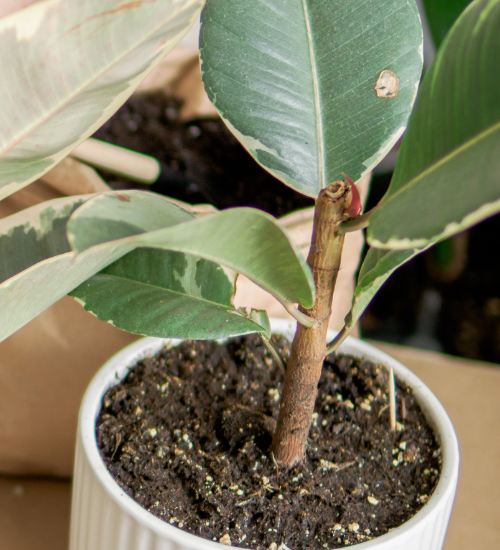
If you want more flowers without buying more plants, learning how to propagate flowers from stem cuttings is one of the best skills you can pick up. It is simple, inexpensive, and surprisingly satisfying. You take a healthy piece of a plant you already love, give it the right conditions, and let it grow into a new plant. Done well, the process feels less like a gardening trick and more like a small victory.
The key is to choose the right kind of stem and the right time. Extension guidance for herbaceous ornamentals and perennial propagation points to taking cuttings from healthy, vigorous growth, trimming them to a manageable length, removing lower leaves, and rooting them in a clean medium before transplanting. In other words: start with a strong cutting, keep it clean, and do not rush the move into a larger pot.
Why cuttings work so well
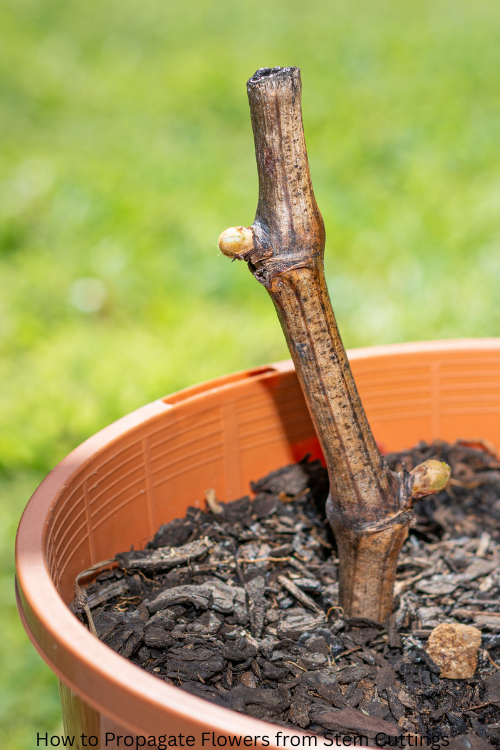
A stem cutting already has the same genetics as the parent plant, which means you are cloning the flower you already like. That is especially useful when you have a plant with a color, form, or blooming habit you want to keep. It is also handy for filling out a border, replacing an old plant, or growing backups in case the original struggles later in the season.
For many gardeners, how to propagate flowers from stem cuttings becomes a practical way to stretch a plant budget. Instead of buying three or four new plants, you can turn one healthy plant into several. The trick is not speed. The trick is giving the cutting enough moisture, light, and airflow to root without rotting.
What you need before you start
You do not need fancy gear. A sharp, clean pair of snips, a small pot, a light rooting mix, and a clear plastic cover or humidity dome are enough for most home gardeners. If you have rooting hormone, that can help, but it is not a magic wand. Clean tools matter more than expensive supplies because damaged stems and dirty blades invite problems before the cutting has a chance to settle in.
It also helps to prepare your workspace before you cut. Have your potting medium moistened, your labels ready, and your cuttings area shaded from harsh sun. The less time the cutting spends lying around, the better. Once a stem is removed, it starts losing moisture right away, so speed and calm handling matter. This is one of those garden jobs that rewards a little organization.
The best kind of cutting to take
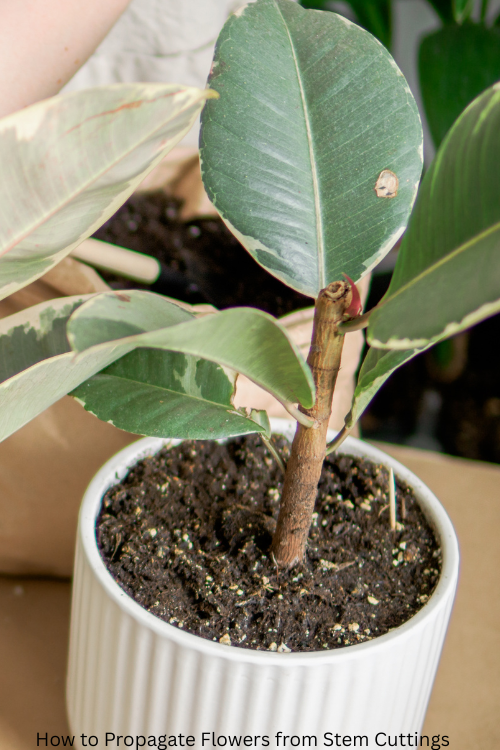
In general, look for a stem that is healthy, flexible, and not flowering yet. You want a piece with several leaf nodes and no signs of pest damage, disease, or stress. A cutting that is too soft can collapse; a cutting that is too woody can be slow to root. For many flowering plants, a 3- to 6-inch cutting is a practical size, with the lower leaves removed before planting. That leaves enough stem to root while keeping enough leaf mass to support growth.
If you are unsure, choose a stem that bends without snapping and feels like it is actively growing. Avoid stems that are blooming heavily, because the plant is already putting energy into flowers instead of roots. A cutting does not need to look perfect; it needs to look vigorous.
Step-by-step: how to propagate flowers from stem cuttings
How to Propagate Flowers from Stem Cuttings
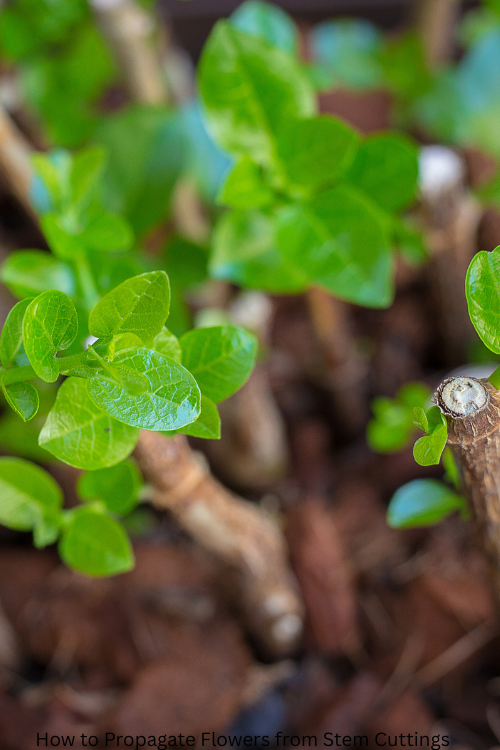
Start by cutting just below a node, which is the point where leaves attach to the stem. Remove the lower leaves so no foliage sits in the rooting medium. If the remaining leaves are large, trim them slightly so the cutting loses less water. Dip the cut end in rooting hormone if you are using it, then place the stem into your moistened rooting mix and firm it gently so it stands up.
Water lightly and cover the setup if humidity is low, but leave room for airflow. The cutting should feel stable, not buried too deeply. Place it in bright, indirect light rather than hot direct sun. From there, patience becomes the main job. Check moisture often, but do not keep the mix soggy. Rooting fails more often from overwatering than from slight dryness.
A simple rooting table
| Cutting stage | What to do | Why it helps |
|---|---|---|
| Freshly cut | Trim below a node and remove lower leaves | Encourages rooting and reduces moisture loss |
| Planting | Set in lightly moist rooting mix | Keeps the stem stable without drowning it |
| Early rooting | Give bright indirect light and light airflow | Supports growth while limiting rot |
| After roots form | Move to a small pot and grow on slowly | Helps the new plant adjust before the garden |
How to tell it is working
A cutting often roots quietly before you see dramatic top growth. New leaves are a good sign, but they are not the only sign. A gentle tug test can help: if the cutting resists a little, roots may be forming. If it slips out easily, give it more time. Keep the mix slightly moist and avoid the urge to repot too early.
Once roots are visible or the cutting feels anchored, move it to a small container with regular potting mix. Do not jump from a tiny rooting cell to a giant pot. A modest pot encourages the roots to fill space gradually, which usually leads to a sturdier plant.
Common mistakes to avoid
The biggest mistake in how to propagate flowers from stem cuttings is choosing a weak stem. A second mistake is letting the cutting dry out before it roots. A third is overwatering so the stem rots before roots can form. Another common slip is putting the cutting in strong sun too soon. That can scorch leaves and dry the plant faster than it can recover.
Another issue is impatience. Many people check roots too often, disturb the stem, and slow the whole process down. Leave it alone more than you think you should. Healthy propagation looks boring for a while, and that is usually a good sign.
How to harden off and plant your new flower
When the cutting is sturdy and growing new leaves, begin moving it gradually toward outdoor conditions. Start with short periods in brighter light and mild temperatures, then increase exposure little by little. That transition matters because newly rooted plants are more sensitive than established ones. Once the plant is ready, move it into the garden or a larger pot and water it in well.
If you want your success rate to rise, keep notes. Which plants rooted quickly? Which ones sulked? Which medium drained best? The more you practice how to propagate flowers from stem cuttings, the more natural the process becomes, and the less it feels like guesswork. The first few tries teach you more than any perfect example ever will. Herbaceous Ornamentals | MU Extension
Last modified: October 12, 2026
