

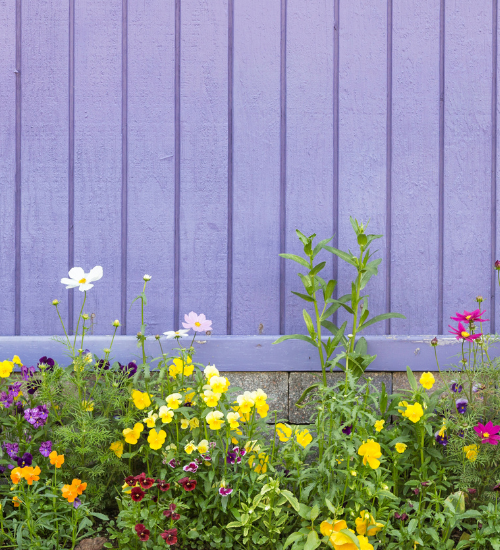
Over time, many clump-forming perennials slow down. The center gets thin, the edges get crowded, and flowers may become smaller or fewer. That is usually the plant’s way of asking for a reset. Learning how to divide perennial flowers helps you restore vigor, create new plants for free, and keep old favorites blooming better. Extension guidance says crowded perennials often produce fewer blooms and can be rejuvenated by division, especially when the clump develops a dead or tired center. Increase flower power by dividing overgrown perennials
Division is not complicated, but timing matters. Some perennials are happiest divided after flowering in late summer or fall, while others are better handled just before growth begins in late winter or early spring. The plant type and bloom season help you decide. Herbaceous Ornamentals | MU Extension
How to know a perennial needs division
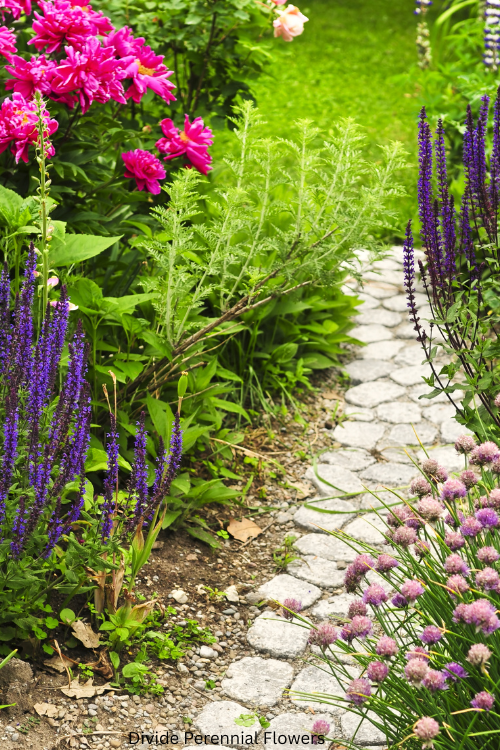
A plant usually gives clear signals. The center of the clump starts looking empty or woody. Flowers get smaller. The plant spreads outward but loses strength in the middle. Sometimes the whole clump just looks tired even though you are watering and feeding it normally. Those are classic signs that the roots need space and renewal.
You do not have to divide every perennial on a strict schedule, but many benefit from being split every few years. The point is not to punish the plant. The point is to keep it growing in a way that matches its natural habit. Once a clump gets too dense, it is often competing with itself for water, nutrients, and light. Increase flower power by dividing overgrown perennials
Best timing for division
The safest timing depends on bloom season. Spring and early-summer bloomers are generally divided after flowering, usually in late summer or fall, while fall bloomers are usually divided in spring before they begin active growth. Extension sources also note that in warmer areas, fall is often a good time, while in cooler regions early spring division can work well. Watering the bed a few days ahead of time also makes digging easier and keeps roots from drying out. Herbaceous Ornamentals
If the forecast is hot and dry, wait. Division is much easier when the weather is mild and the soil is workable. You want the plant to recover, not to battle heat stress at the same time.
Tools and setup
You only need a few tools: a sharp spade or digging fork, a clean knife for stubborn crowns, gloves, and a bucket or tarp for the divisions. It also helps to have compost and water ready before you start. The goal is to move efficiently without leaving roots exposed longer than necessary.
Before digging, cut back the stems if the plant is still holding a lot of top growth. Then loosen the soil and lift the entire root mass. Once it is out, separate the healthy outer sections into smaller clumps with strong growing points. Older center portions are often the weakest and may be discarded if they are woody or spent.
Step-by-step: how to divide perennial flowers
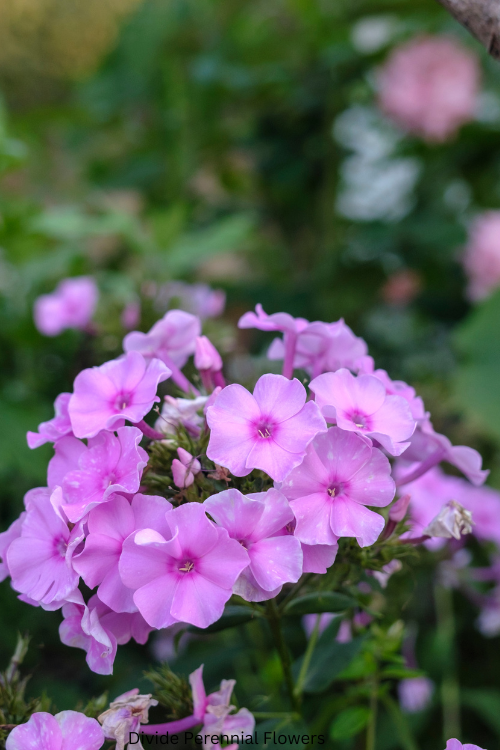
Start by watering the plant a day or two beforehand if the soil is dry. Dig around the crown and lift it carefully. Shake or brush off loose soil so you can see the natural divisions. Pull apart small clumps by hand when possible. If the root mass is tight, use a knife or spade to separate it into sections with several healthy shoots each. Replant the divisions at the same depth they were growing before, then water thoroughly.
Do not make the new divisions too tiny. A section with three to five strong growing points is usually a good target for many perennials. Smaller pieces can survive, but larger ones usually re-establish faster and bloom sooner.
Helpful division table
| Perennial type | Best division window | Notes |
|---|---|---|
| Spring bloomers | Late summer or fall | Let them finish flowering first |
| Fall bloomers | Early spring | Divide before strong new growth starts |
| Dense clump-formers | Every few years | Best when the center thins out |
| Large taproot perennials | Use caution | Some prefer not to be divided often |
Planting the divisions
Replant quickly. Roots dry out fast once they are exposed, so do not let the pieces sit around while you do other yard work. Set each division in prepared soil, firm it in gently, and water deeply. If the weather is warm, provide temporary shade for a few days so the fresh divisions do not lose moisture too quickly.
A little compost mixed into the planting area can help, but do not overdo fertility. Newly divided perennials need a stable home more than a fancy feeding program. Water consistently until they are established, then shift back to normal care.
Plants that are often divided this way
Many familiar flowers respond well to division: daylilies, hostas, iris, black-eyed Susan, and coneflower are commonly divided when the clumps get crowded. Some species with large taproots should be divided with caution or not moved unnecessarily. If a plant has a reputation for sulking after transplanting, it is worth checking its growth habit before you dig. Less is more: Time to divide and conquer perennials | MU Extension
This is one reason how to divide perennial flowers is worth learning carefully. Some plants bounce back quickly; others need a gentler touch. The more you know about the plant in front of you, the better the result.
The payoff
A divided perennial often looks better, blooms better, and fits the garden better. You get more plants, healthier roots, and a bed that feels refreshed instead of crowded. That is the real reward of how to divide perennial flowers: not just saving an old plant, but turning one tired clump into several strong ones.
When you split them at the right time and replant them well, perennials tend to repay the effort fast. A little garden surgery can turn a declining clump into a set of plants that looks and performs like new.
Last modified: October 13, 2026
