

If you have ever moved a seedling and watched it stall, you already know why how to transplant flower seedlings without shock matters. Seedlings are small, and small plants notice everything: heat, wind, rough handling, cramped roots, sudden sun, and dry soil. The good news is that transplant shock is not random. It usually happens when the move is too abrupt. Extension guidance recommends hardening off transplants, watering them before moving them, transplanting on a cool calm day, and keeping them at the same depth they were growing before. Planting the vegetable garden
That means the solution is mostly about timing and gentleness. If you treat the seedling like something fragile but not helpless, you give it a much better chance to keep growing without pausing for weeks.
How to Transplant Flower Seedlings Without Shock
Know when a seedling is ready
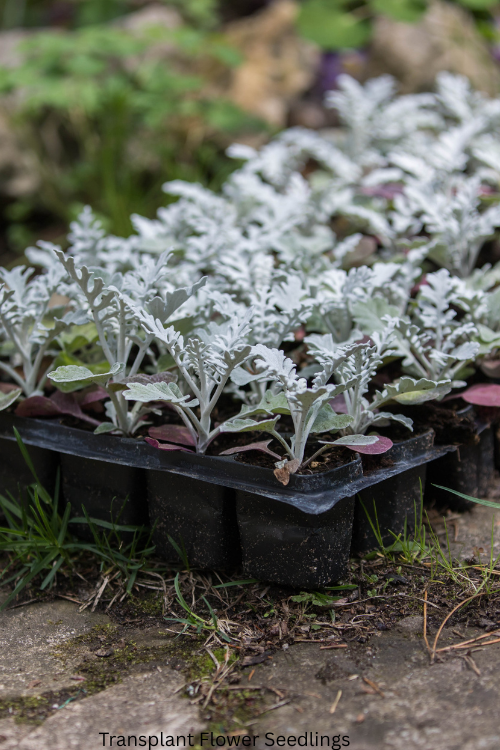
Many flower seedlings are ready once they have their first true leaves and a small but sturdy root system. If they stay too long in crowded cells or trays, they can become weak and rootbound. On the other hand, if you rush them out before they have enough roots, they struggle to settle in. The sweet spot is usually when the seedling has clearly outgrown its starting container but still looks compact and healthy. Transplanting Annuals into the Garden
Readiness is not just about size. It is about structure. A good transplant stands on its own, has a few true leaves, and has roots that hold the mix together without circling wildly. That is the kind of seedling that settles in quickly after the move.
Hardening off matters more than people think
If your seedlings were started indoors, they need a transition period before they go outside full-time. Hardening off is the process of gradually exposing them to outdoor light, temperature shifts, and airflow. Extension sources recommend starting them in a sheltered, shady place for a few hours a day and slowly increasing exposure over several days to a week or more. This step reduces transplant shock and helps plants adjust to the real garden instead of going from cozy indoors to full sun overnight. Planting the vegetable garden
Skip this step and you often pay for it later. The seedling may wilt, stop growing, or burn on the first hot day. Hardening off is not optional if you want how to transplant flower seedlings without shock to work consistently.
The best transplanting conditions
Cool, cloudy, calm weather is ideal. Late afternoon can also work because the plant has time to settle in before the next bright sun. Water the seedlings before transplanting so the root ball stays intact. Prepare the new planting hole before you remove the seedling, and keep the roots shaded while you work. Extension guidance also notes that seedlings should be handled gently and that the root ball should remain moist and compact during the move. Planting the vegetable garden |
The goal is to reduce the number of surprises. The less the seedling has to endure all at once, the faster it can resume growth. If the day is hot, windy, or brutally sunny, wait. A delay of one day is better than a stressed plant that takes a week to recover.
Step-by-step: how to transplant flower seedlings without shock
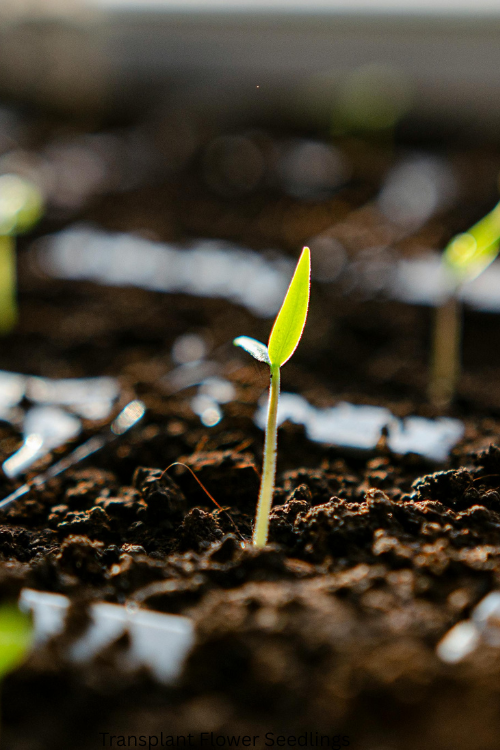
Start by watering the seedlings and the planting area. Make a hole that is large enough for the root ball without forcing it. Remove the seedling by its leaves if possible, not by tugging the stem. Set it in the hole at the same depth it was growing before, then firm the soil gently around the roots. Water it in well so the soil settles and air pockets disappear. That simple sequence does most of the heavy lifting. Planting the vegetable garden
If the seedling came from a peat pot, make sure the pot edge does not sit above the soil line, because it can wick moisture away from the root ball. That small detail can make a big difference, especially during the first week after planting.
A simple transplant checklist
| Step | What to do | Why it helps |
|---|---|---|
| 1 | Harden off seedlings outdoors gradually | Reduces shock from sudden exposure |
| 2 | Water before transplanting | Keeps the root ball intact |
| 3 | Plant on a cool, calm day | Lowers stress from heat and wind |
| 4 | Hold by leaves, not stems | Prevents stem damage |
| 5 | Plant at the same depth | Keeps the seedling stable |
| 6 | Water in well | Settles soil around the roots |
Aftercare for the first week
The first week is about stability, not growth spurts. Keep the soil evenly moist, but not waterlogged. Give seedlings a little temporary shade if the sun is unusually harsh. Avoid fertilizing immediately unless the planting method specifically calls for it. A plant that is still adjusting does not need extra pressure. It needs a chance to root into its new space.
Watch for signs of recovery: upright leaves, fresh growth, and a plant that looks a little more perky each day. If the seedling droops badly at midday but recovers by evening, it may still be adjusting. If it stays limp and dry despite watering, check the roots, the heat, and the planting depth.
Common mistakes that cause shock
The most common mistake in how to transplant flower seedlings without shock is waiting too long before moving them from crowded trays. Another is moving them straight from indoor conditions into direct sun without hardening off. A third is transplanting during a heat wave. Extension guidance also warns that newly planted seedlings and transplants are vulnerable during hot weather, and that postponing planting in extreme heat is often the safest call. Heat wave in the garden: How to identify and prevent heat stress in plants
Another problem is burying the seedling too deep or too shallow. Same depth is usually the safest rule. If you can remember that one line, you will avoid a lot of avoidable trouble.
Give them a strong start
A good transplant routine is simple: harden off, water well, move gently, plant at the right depth, and keep conditions calm afterward. That is the whole system. You do not need to fuss over seedlings every hour. You just need to avoid the classic mistakes that make young plants stall.
Once you learn how to transplant flower seedlings without shock, the process becomes routine. And routine is what turns a tray of small seedlings into a real flower bed.
Last modified: October 13, 2026
