

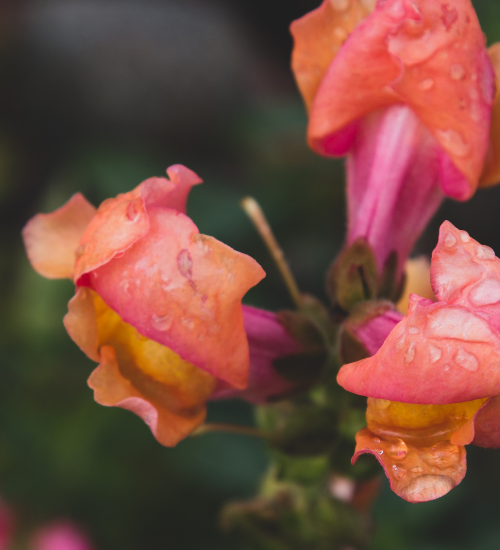
When buds drop, gardeners often assume they failed. Usually, the plant is responding to stress. Understanding why flower buds fall off before opening helps you solve the real problem instead of blaming the plant. Heat, dry soil, low humidity, wind, transplant shock, and overfertilizing can all push a plant to shed buds before they bloom. In hot weather especially, many ornamentals abort buds and flowers as a survival move so they can conserve energy. Heat wave in the garden: How to identify and prevent heat stress in plants
That matters because the fix is not always more fertilizer or more water. Sometimes the best answer is steadier moisture, a little shade, and less disturbance. Bud drop is a symptom, not the disease.
Heat stress is one of the biggest culprits
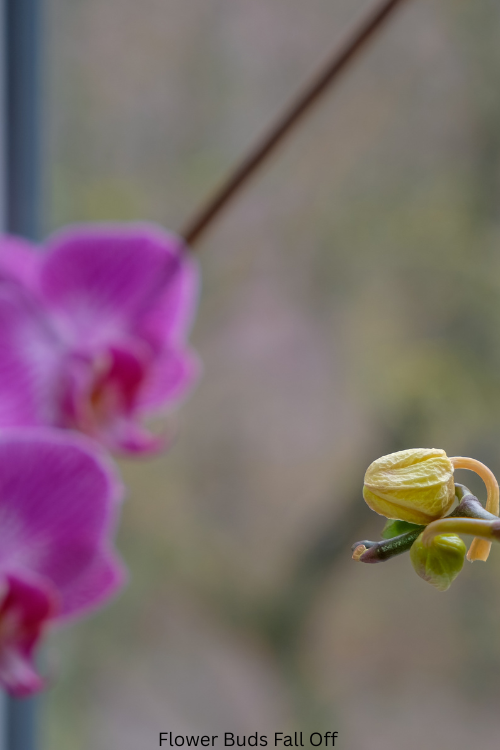
Why Flower Buds Fall Off Before Opening
A lot of flower trouble starts when temperatures stay high for too long. Extension guidance notes that most plants grow best in moderate temperatures and that prolonged heat can slow growth, wilt plants, and trigger blossom drop. When the air heats up, water moves out of the plant faster, and buds are often the first thing sacrificed. If the plant cannot support every developing bloom, it shuts the buds down.
That is why a bed that looks fine in the morning may look tired by late afternoon. If your flowers are dropping buds during a heat spell, look at the thermometer before you blame pests. Sometimes the issue is simply that the plant is overheated and trying to survive the day.
Dry soil and low humidity make the problem worse
Even if the soil feels fine on top, the root zone may be drying out too quickly. Dry soil is a common trigger for bud and blossom drop, and low humidity increases the stress by pulling moisture from the plant faster than it can replace it. Wind adds another layer of stress by speeding up transpiration. On hot, dry, windy days, flower buds are often the first thing to go.
This is where deep, steady watering helps. The goal is not to splash the surface every day. The goal is to give roots enough moisture to keep the plant balanced. A plant that goes from too dry to too wet and back again is more likely to drop buds than one that stays evenly moist.
What to do first
If buds are falling, start with the simplest corrections. Check soil moisture below the surface, not just at the top. Water deeply if the root zone is dry. Add mulch to reduce evaporation and keep the soil temperature steadier. If the plant is in a pot, move it where it gets morning sun and afternoon shade during extreme heat. And if the plant is too stressed, pause on fertilizing until the weather moderates. Extension guidance specifically recommends deep watering over shallow watering, using mulch to slow evaporation, and postponing planting or transplanting during intense heat.
The biggest mistake is trying to “fix” stress with more inputs at the wrong time. A heat-stressed plant does not need to be pushed harder. It needs breathing room.
Troubleshooting table
| Symptom | Most likely cause | Best first fix |
|---|---|---|
| Buds dry up and fall in hot weather | Heat stress | Shade, mulch, deep watering |
| Buds drop after a dry spell | Water stress | Water deeply and more consistently |
| Buds fall in windy, exposed spots | Low humidity and wind | Shelter the plant or move containers |
| Lots of leafy growth, few flowers | Too much nitrogen | Pause feeding and rebalance care |
| Sudden bud loss after moving a plant | Transplant shock | Reduce disturbance and keep roots evenly moist |
Don’t ignore containers
Potted flowers are usually the first to show stress because containers dry faster than garden beds. They also heat up faster. If a potted flower is dropping buds, move it out of harsh afternoon sun and check it more often than you would a bed plant. In very hot stretches, grouping containers can even help create a slightly more humid microclimate. That small change can matter more than people expect.
It also helps to remember that a plant in a container has a smaller buffer. It cannot pull moisture from deeper soil, so small lapses become big problems quickly. That is why container bud drop can look sudden.
When the problem is too much fertilizer
Too much nitrogen often gives you leafy, soft growth at the expense of flowers. The plant looks lush, but the buds never quite finish opening. If you have been feeding aggressively, especially during heat, ease up and let the plant settle. In many cases, cleaner watering and better weather solve the issue more effectively than another round of feed. Bud drop is often a stress response, and overfeeding can add to that stress instead of fixing it.
If you want stronger bloom performance, think balance. Plants need enough nutrients to bloom, but not so much that they race into weak growth. More is not always better.
How to prevent it next time
Prevention starts before buds form. Choose varieties suited to your climate, plant them in the right light, and keep moisture even through the growing season. If your area is known for heat spikes, place tender flowers where they get some protection from the harshest afternoon sun. Keep an eye on watering during heat waves instead of relying on a fixed schedule. Extension guidance also notes that newly planted seedlings and shallow-rooted plants are especially vulnerable during hot weather, so they need more careful attention.
Most importantly, watch the plant as a whole. A flower that is dropping buds is telling you something. The answer to why flower buds fall off before opening is usually hiding in the plant’s environment, not in some mysterious flaw in the flower itself. Once you read the signal correctly, the fix is usually straightforward.
Last modified: October 12, 2026
