

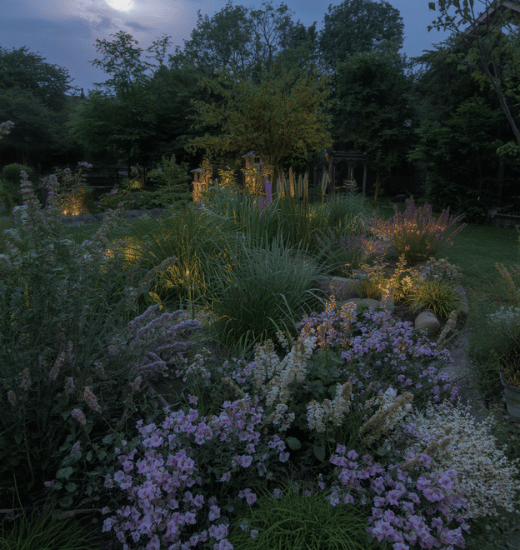
A garden does not have to end when the sun goes down. With pale flowers, silver foliage, reflective surfaces, and evening fragrance, you can create an outdoor space that feels inviting long after daylight fades.
A moon garden is designed to be enjoyed in low light. White and pastel flowers stand out against darker surroundings, while silvery leaves catch available moonlight or nearby outdoor lighting. Fragrant plants make the garden more noticeable through scent, especially when evening temperatures are comfortable.
Choosing the right fragrant flowers for a moon garden involves more than selecting white flowers. Consider bloom time, plant height, fragrance strength, maintenance, and the amount of sunlight the garden receives during the day.
Fragrant Flowers for a Moon Garden
What Is a Moon Garden?
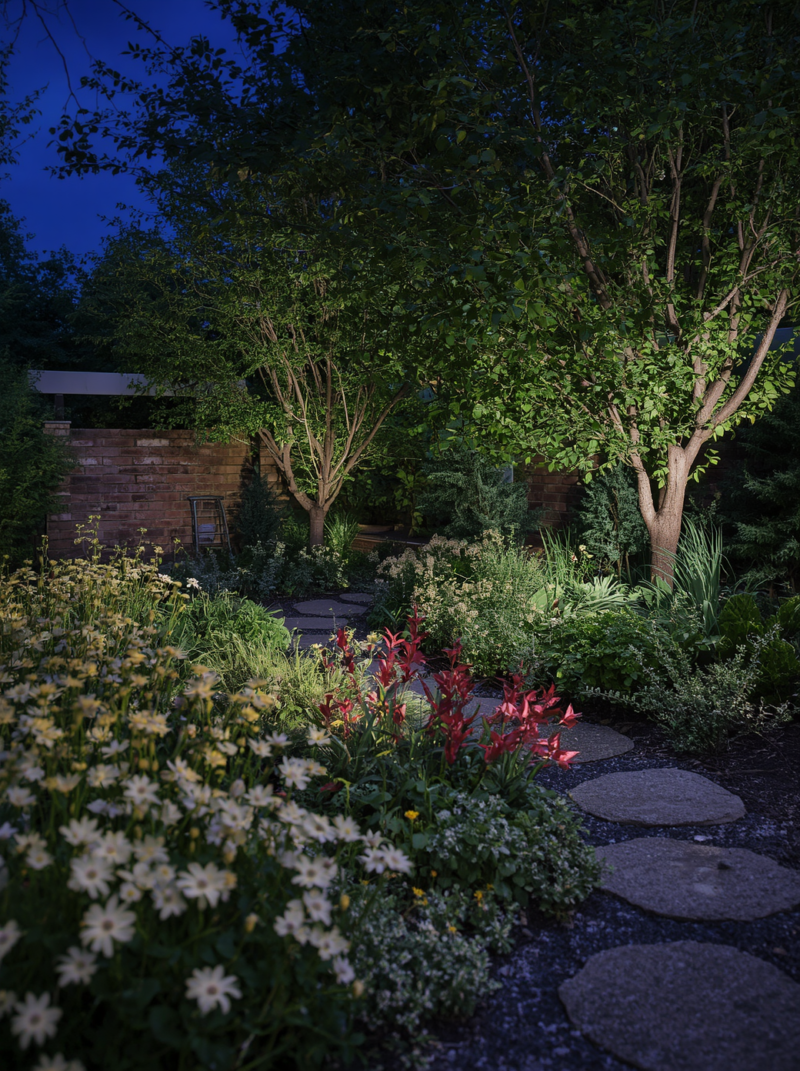
A moon garden is a planting area designed for nighttime beauty. It usually includes:
- White, cream, pale yellow, or light pink flowers.
- Silver, gray, or variegated foliage.
- Flowers that release fragrance in the evening.
- Plants with interesting shapes or textures.
- Seating or a pathway for nighttime enjoyment.
- Soft, warm lighting used sparingly.
Moon gardens can be large, but they also work in containers, narrow side yards, balconies, and small patio corners.
The key is contrast. Pale flowers are easier to see when surrounded by deep green foliage or darker garden backgrounds.
1. Evening Primrose
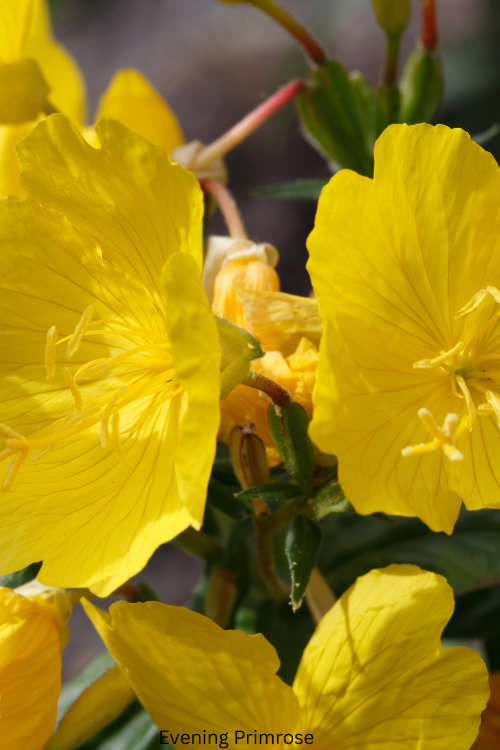
Evening primrose produces pale yellow flowers that may open later in the day. Depending on the species and local conditions, the flowers can be short-lived, but new blooms may appear over an extended period.
This plant suits informal gardens and naturalistic borders. Give it room to spread, and avoid placing it where its growth will crowd smaller plants.
Its soft color makes it useful near paths and seating areas where the flowers can be noticed at dusk.
2. Moonflower
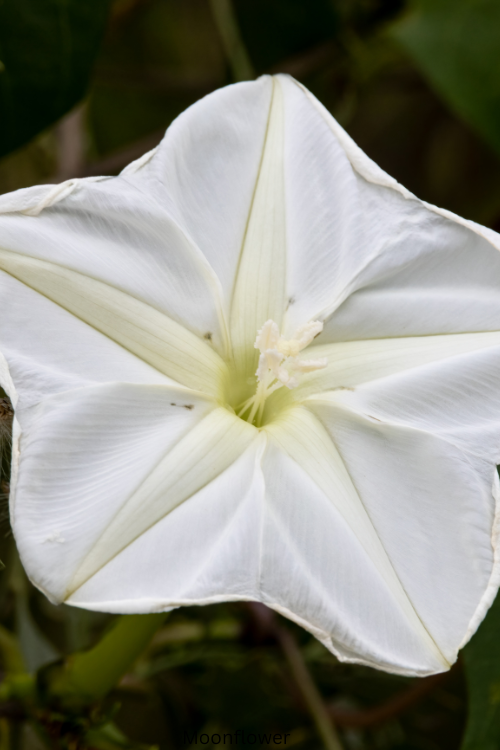
Moonflower is a vigorous vine known for large white flowers that open in the evening. It needs a sturdy support such as a trellis, fence, or strong obelisk.
Because it can grow rapidly, provide enough space and guide the stems early. Plant it where the flowers can be viewed from a patio or window.
Moonflower is especially effective when combined with a dark background, such as a painted fence or deep green shrub.
3. Nicotiana
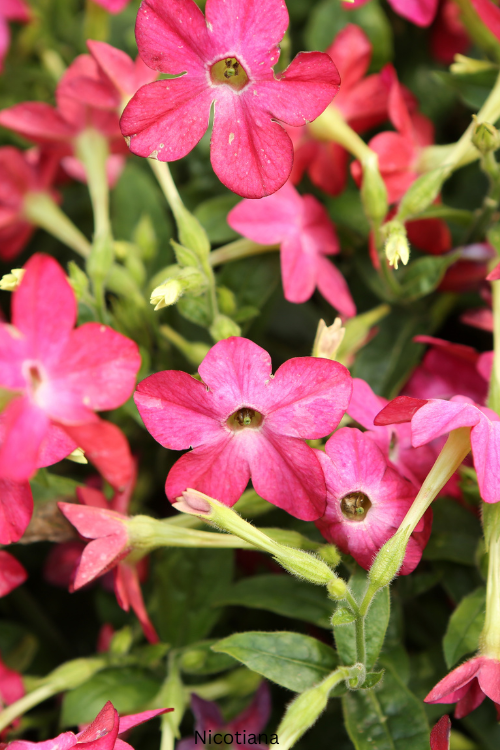
Flowering tobacco, or nicotiana, produces tubular flowers and is valued for its evening fragrance. Depending on the variety, blooms may be white, pale green, pink, or burgundy.
White-flowered forms are particularly useful in moon gardens. Plant them near seating areas so their fragrance can be appreciated without walking through the entire garden.
Nicotiana prefers fertile, well-drained soil and consistent moisture. Taller varieties may need protection from strong wind.
4. Four O’Clocks
Fragrant Flowers for a Moon Garden
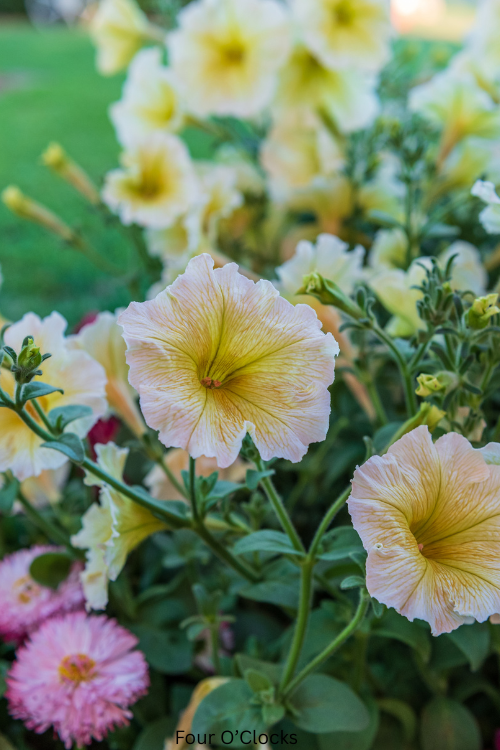
Four o’clocks are named for their tendency to open later in the day. Their trumpet-shaped flowers may appear in pink, red, yellow, white, or mixed colors.
White and pale yellow forms are best for a moon garden, but a few darker flowers can add contrast. Plant them near a walkway or patio where their late-day opening is easy to observe.
They can become sizeable, so allow enough space between plants.
5. Jasmine
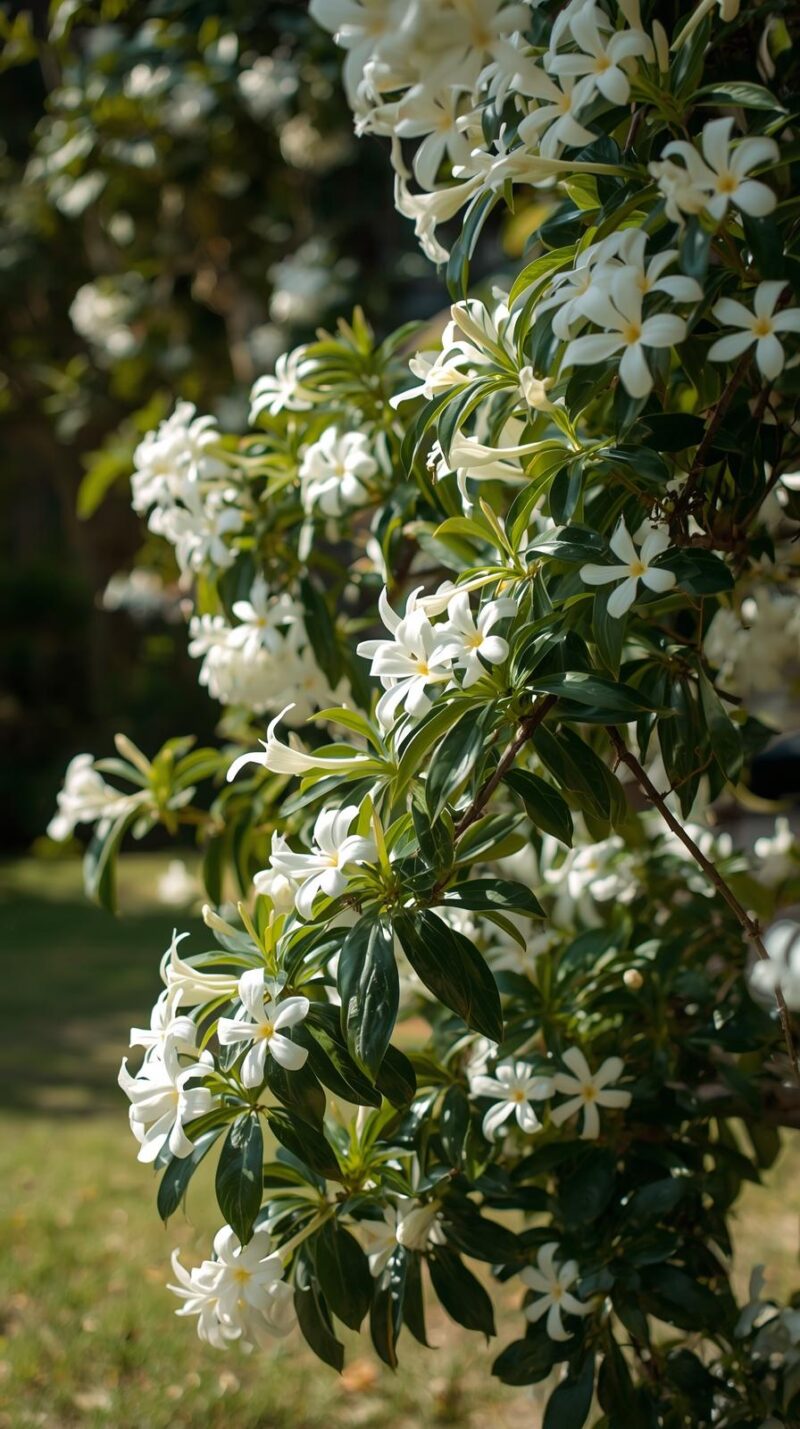
Jasmine is prized for its powerful fragrance and delicate flowers. Some types are suitable for warm climates, while others are grown as container plants that can be protected during cold weather.
Use jasmine on a trellis near a doorway, porch, or seating area. Its scent can be too strong when planted in a confined space, so consider the size of the area before planting several specimens.
Always check the mature size and cold tolerance of the specific jasmine species before buying.
6. Gardenia
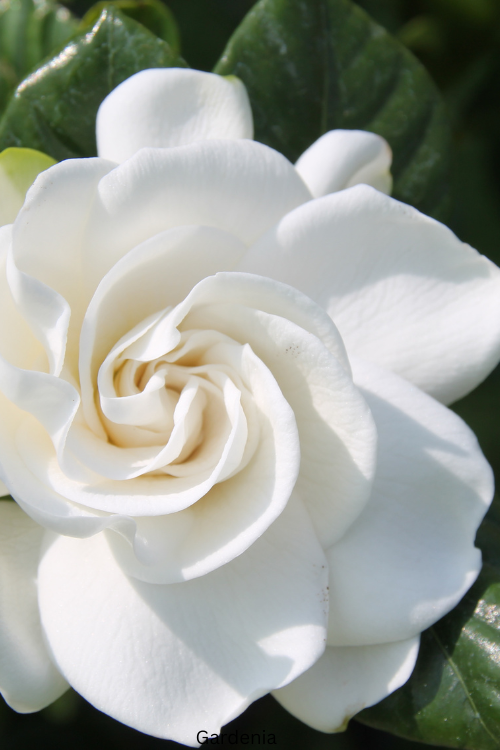
Gardenias produce glossy green leaves and creamy white flowers with a rich fragrance. They are excellent choices for warm climates or containers that can be moved to shelter.
Gardenias prefer acidic, well-drained soil and consistent moisture. They can be sensitive to environmental changes, so avoid placing them in a location with drying wind or abrupt temperature swings.
A single gardenia near a patio may provide more impact than several plants positioned far from the house.
7. Angel’s Trumpet
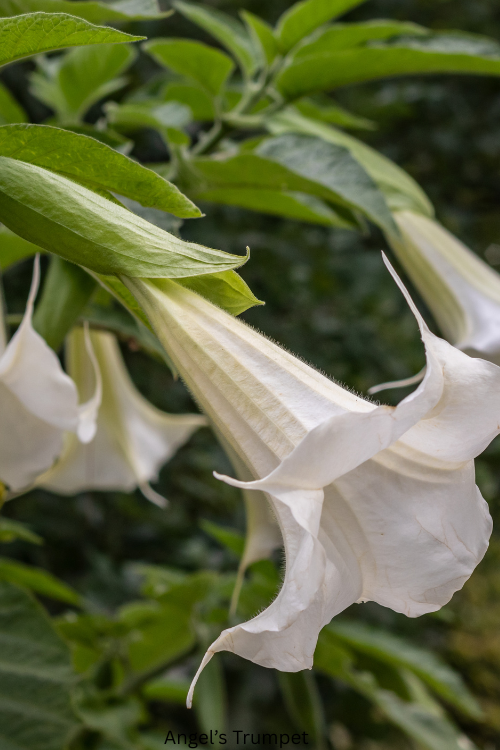
Angel’s trumpet produces large, hanging, trumpet-shaped flowers in colors such as white, peach, yellow, and pink. Some varieties release their strongest fragrance in the evening.
This plant can become large and should be grown only where its mature size is manageable. It also requires careful handling because all parts of the plant are poisonous if eaten.
Keep it away from children and pets, and use gloves when pruning if you have sensitive skin.
8. White Roses
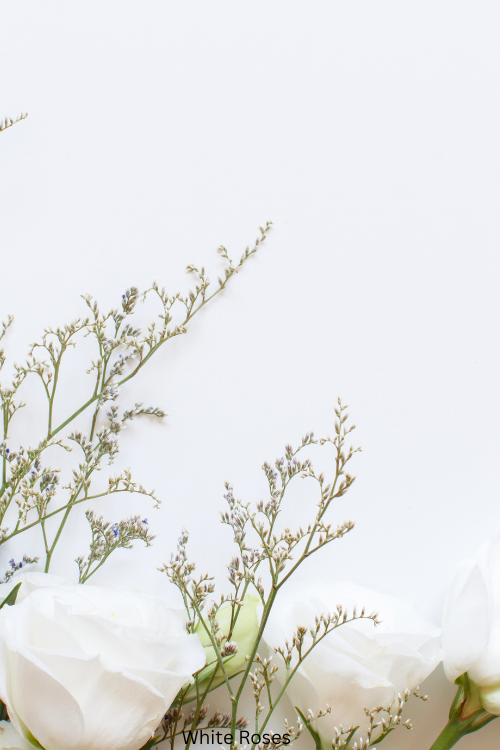
Not every moon garden plant needs an evening-opening flower. White roses reflect light beautifully and provide structure throughout the growing season.
Choose a fragrant variety suited to your climate. Place it where the bloom color contrasts with dark foliage, a fence, or a hedge.
White roses also work well beside lavender, silver-leaved plants, and low-growing ground covers.
9. Sweet Alyssum
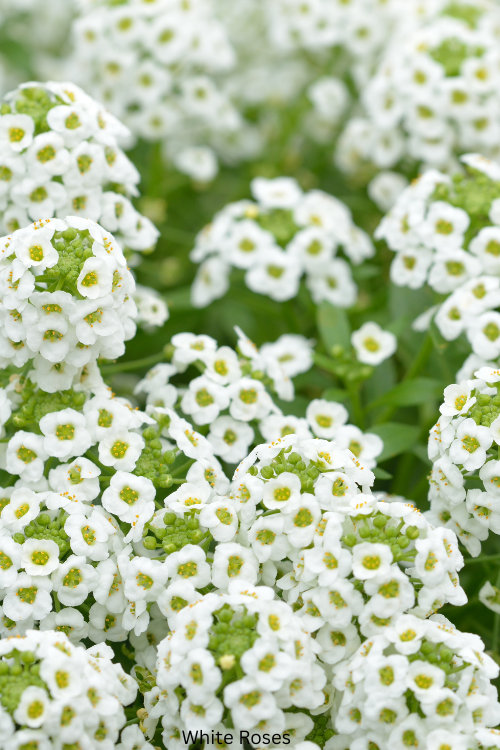
Sweet alyssum is a compact plant with small flowers and a gentle fragrance. It is useful for containers, edging, and gaps at the front of a border.
Its white flowers create a soft carpet effect. Plant it around larger shrubs or use it to spill over the edge of a raised planter.
Alyssum generally looks best when trimmed lightly after a major flush of flowering.
10. Lavender
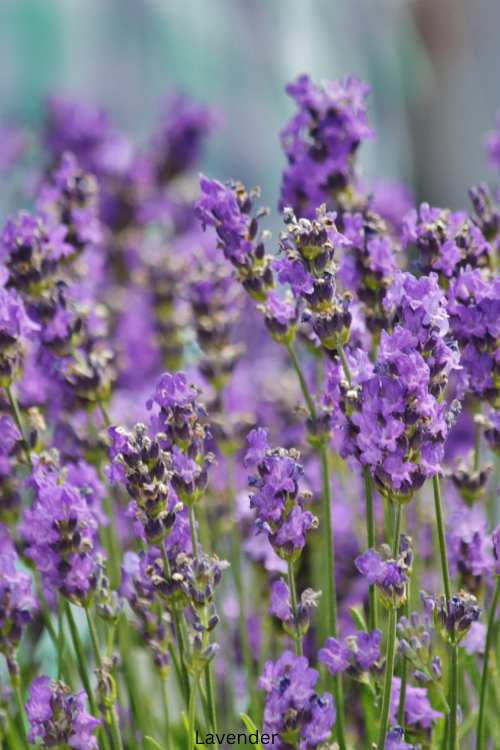
Lavender contributes fragrance, silvery foliage, and purple flowers. Although it is not white, its pale flower spikes and gray leaves fit naturally into a moon garden.
Place lavender in full sun and well-drained soil. Avoid consistently wet conditions, especially in containers.
Its upright form contrasts well with rounded plants such as white roses or gardenias.
11. Honeysuckle
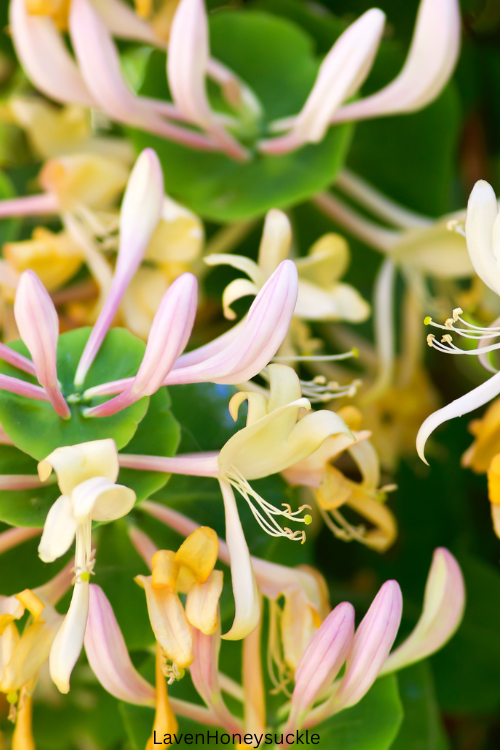
Honeysuckle vines can provide evening fragrance and vertical interest. Use a trellis or fence to support the stems, and select a species appropriate for your region.
Because some honeysuckles can grow aggressively, research the specific plant before adding it to a garden. Choose a well-behaved variety when possible, and prune it to keep it within its space.
12. Phlox
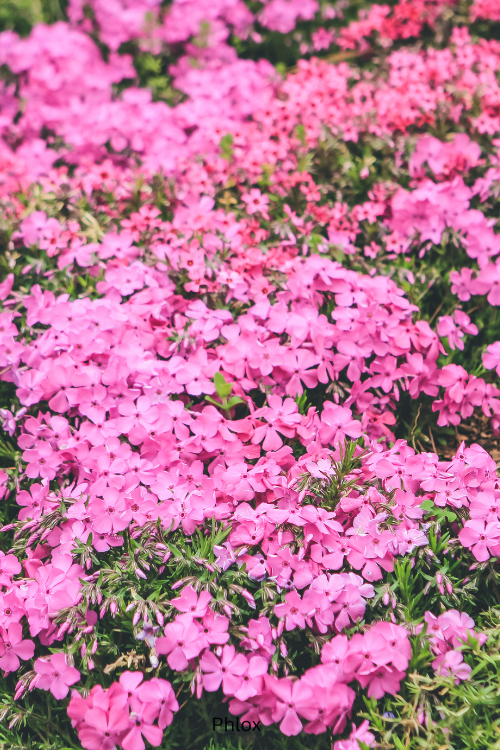
White garden phlox creates upright clusters of flowers and can bring fragrance to a summer moon garden. It works best toward the middle or back of a border.
Good air circulation is important because dense foliage can encourage disease problems. Space plants according to their mature size rather than arranging them too closely on planting day.
13. Tuberose
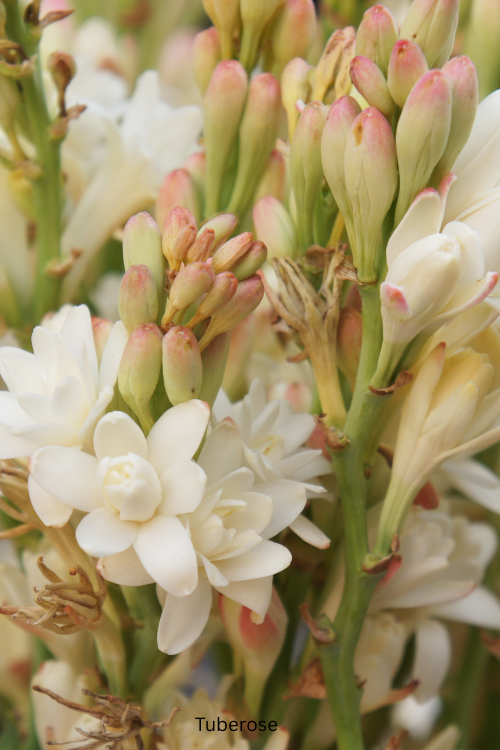
Tuberose is famous for its strong fragrance and white flowers. In colder areas, it may be grown as a tender bulb or container plant that requires seasonal protection.
Plant it near a seating area, but avoid overplanting if you prefer subtle fragrance. A small group can be enough to scent a patio.
14. White Nicotiana ‘Alba’-Type Flowers
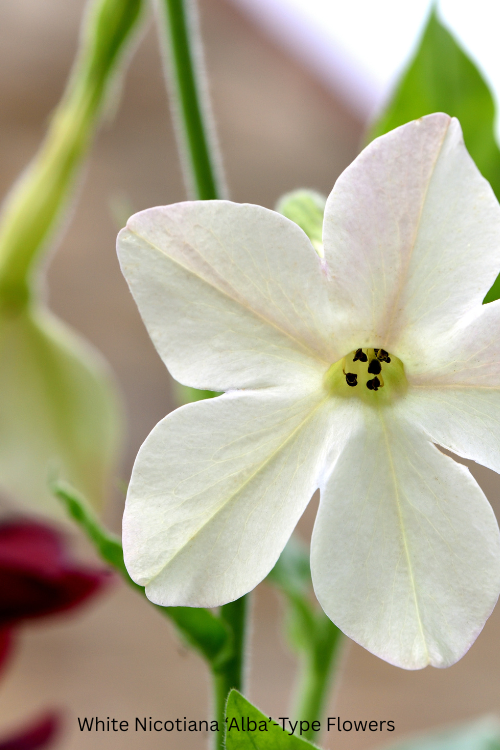
White-flowered nicotiana forms are especially useful when the goal is both fragrance and nighttime visibility. Their narrow tubes and open faces provide a different shape from large moonflowers or roses.
Place them between taller plants and low edging flowers. This creates layers without making every plant compete for attention.
15. White Flowering Herbs
Some herbs produce small, pale flowers that are useful in a moon garden. Chives, thyme, oregano, and mint may contribute flowers, texture, or fragrance, although mint should generally be grown in a container because it spreads aggressively.
Herbs make a moon garden more practical by adding edible foliage and sensory interest.
A Simple Moon Garden Planting Plan
| Garden position | Plant type | Examples |
|---|---|---|
| Back or vertical support | Vines and tall plants | Moonflower, jasmine, honeysuckle |
| Middle layer | Fragrant flowering plants | Nicotiana, phlox, gardenia |
| Front edge | Low flowers and foliage | Sweet alyssum, white thyme |
| Structural accents | Silver or dark foliage | Lavender, dusty miller, dark-leaved shrubs |
| Containers | Tender fragrant plants | Gardenia, jasmine, tuberose |
How to Design the Space
Begin with a viewing point. This may be a porch chair, kitchen window, balcony, or garden bench. Place the most fragrant plants where their scent can reach that area.
Next, create a background. A dark fence, evergreen shrub, or deep green foliage will help pale flowers stand out.
Add height using a trellis or narrow obelisk. Vertical plants draw the eye upward and make a small garden feel more dimensional.
Use repetition rather than planting one of everything. Repeating three white-flowered plants often looks more intentional than filling the bed with unrelated specimens.
Texture matters as much as color. Combine smooth, glossy leaves with fine grasses, rounded flowers, upright spikes, and trailing stems.
Evening Lighting Tips
Moon gardens do not need bright lighting. Excessive illumination can reduce the subtle effect and disturb nighttime wildlife.
Use low, warm-toned lights along paths or near seating. Avoid placing strong lights directly behind pale flowers because they can flatten the appearance of the planting.
Solar lights may be convenient, but their brightness and reliability vary. Test lighting after dark before installing many fixtures.
Maintenance for a Moon Garden
- Water deeply when the top layer of soil begins to dry.
- Remove faded flowers to improve appearance.
- Prune vines before they overwhelm supports.
- Divide crowded perennials when growth becomes weak.
- Protect tender plants before the first damaging frost.
- Keep paths clear of sprawling stems.
- Avoid overfertilizing, which can produce excessive foliage and fewer flowers.
The most successful fragrant flowers for a moon garden are plants you can enjoy from nearby. A moon garden should feel relaxing, not like another demanding landscape project.
Choose a small number of reliable plants, repeat them throughout the space, and make sure the garden includes somewhere comfortable to pause. With the right combination of pale flowers, fragrance, foliage, and gentle lighting, the garden can become one of the most inviting parts of the home after sunset.
Last modified: October 6, 2026
