


When the sun sets before dinner and cold air gathers around the windows, a home can start feeling uncomfortable even when the thermostat is working normally. The good news is that warmth is not only about heating. Small changes to airflow, lighting, texture, storage, and layout can make rooms feel noticeably more comfortable while helping you use the space better.
These cozy winter home improvements are designed for real homes and ordinary weekends. Some take less than an hour, while others are modest upgrades you can complete over a season. Start with the ideas that solve a specific annoyance, then add the decorative touches that make the result feel personal.
1. Seal the drafts you can actually feel
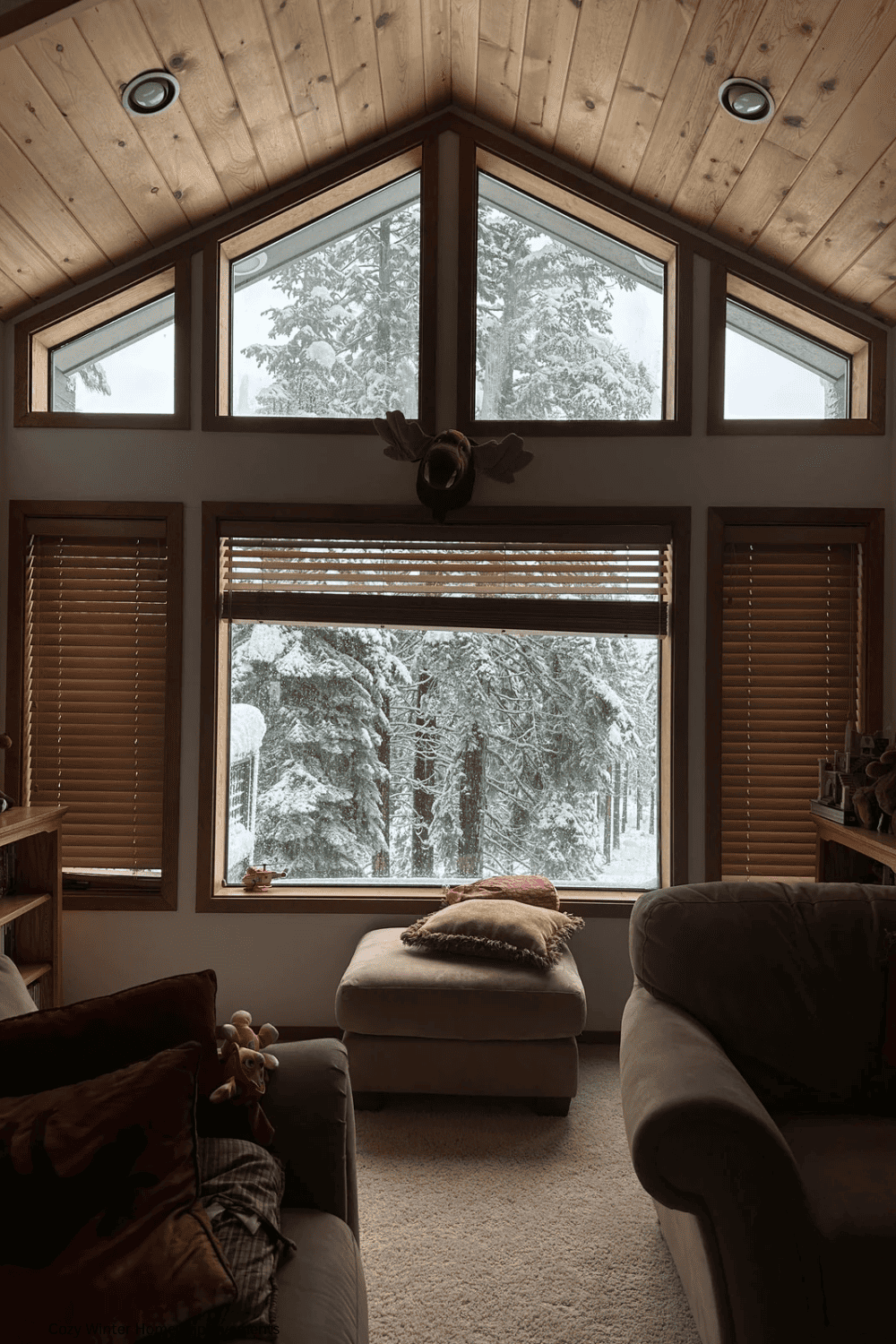
Walk slowly around exterior doors, window frames, baseboards, and outlets on outside walls with your hand. A cool stream of air usually points to a simple sealing opportunity. Replace cracked door sweeps, add adhesive weatherstripping around moving doors, and use removable caulk for small gaps around stationary window trim.
Do not block intentional ventilation openings, and avoid sealing areas designed to drain water. For a quick test, hold a strip of tissue near a suspected gap on a windy day. If it moves, you have found a place where a small repair can improve comfort.
2. Give windows a warmer, layered treatment
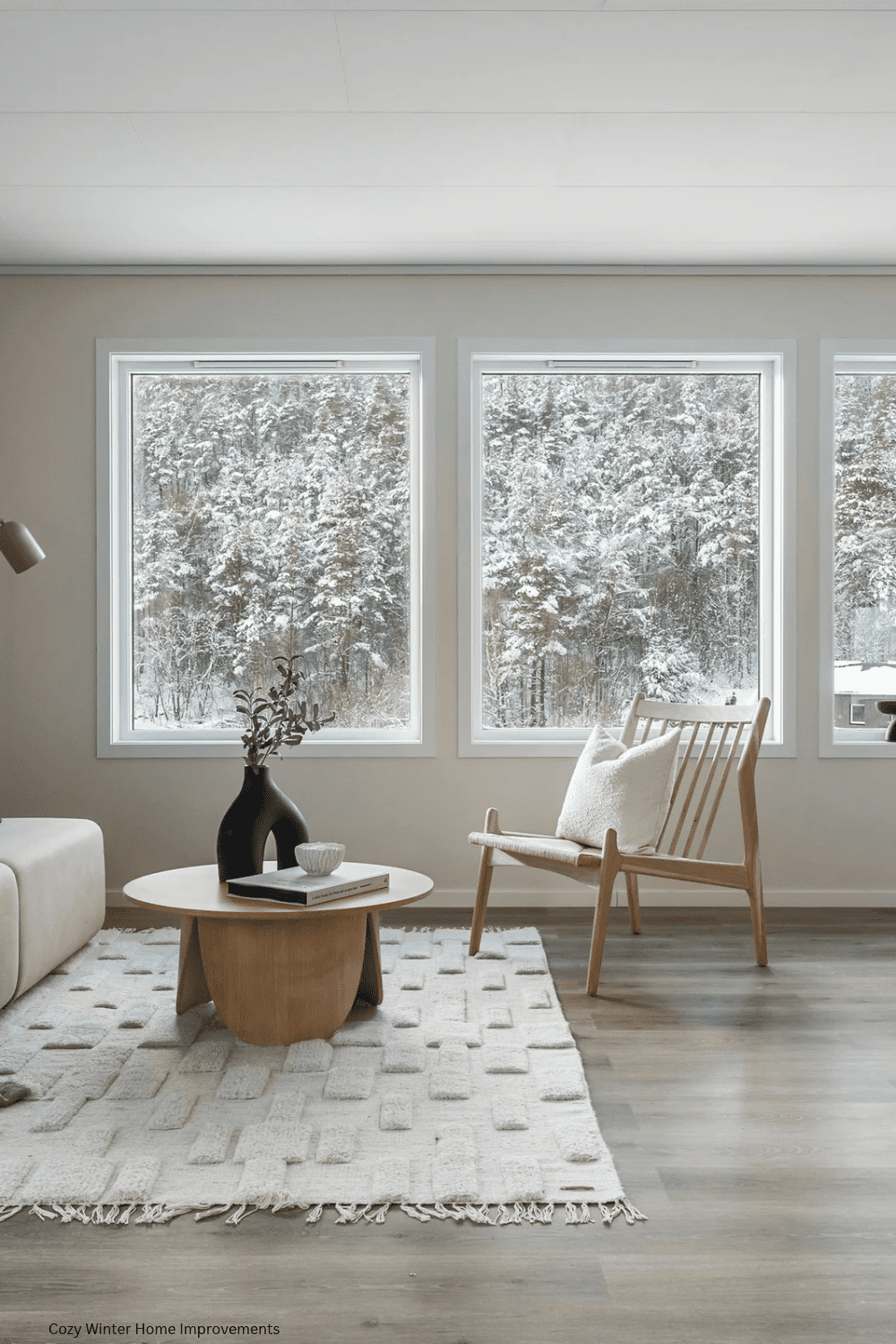
Bare glass can make a room feel chilly, especially after dark. Combine a functional layer, such as cellular shades or lined blinds, with curtains that extend beyond the window frame. Mount the curtain rod several inches wider than the window so the panels can close fully without leaving exposed edges.
Choose curtains that reach the floor in living rooms and bedrooms. In a kitchen or bathroom, use a washable fabric or a moisture-resistant shade. Open window coverings when winter sunlight is warming the room, then close them before evening temperatures drop.
3. Replace harsh overhead lighting with layers
A single bright ceiling fixture often makes a winter room feel flat rather than inviting. Add three kinds of light: general illumination, task lighting for activities, and low accent lighting for atmosphere. A table lamp beside a sofa, a reading light near a bed, and a small lamp on a console can transform how a room feels without changing the furniture.
Use warm-white bulbs, generally in the 2700K to 3000K range, for living areas and bedrooms. Keep brighter, cooler light for work surfaces where visibility matters. Put frequently used lamps on smart plugs or timers so the room is welcoming before you enter it.
4. Create a genuine winter entryway
The entryway has to handle wet shoes, bulky coats, gloves, hats, and bags, yet it is often the least organized part of the home. Add a washable runner, a sturdy mat inside the door, and a bench or narrow seat for removing footwear. Hooks placed at different heights help adults and children keep coats off the floor.
A boot tray protects flooring from salt and melted snow. Place a small basket nearby for hats and gloves, but limit the container to one per category so it does not become a catchall. If space is tight, mount hooks on the wall and use a slim shelf above them for baskets.
5. Make the living room easier to gather in
Rearrange seating so people face one another instead of pointing every chair toward the television. Pull furniture a few inches away from cold exterior walls when possible, and place a small side table within reach of each main seat. A room feels warmer when it supports conversation, reading, and shared activities as well as screen time.
If the layout is open, define the seating area with a rug large enough for at least the front legs of the furniture. This creates visual focus and makes the room feel more finished without adding clutter.
6. Add texture where your body notices it
The most effective textiles are the ones you touch. Put a washable runner beside the bed, a thicker rug under the seating area, and a soft throw over the chair you use most. Layer two or three textures rather than covering every surface: wool-look fabric with cotton, woven baskets with smooth wood, or velvet accents with linen.
Choose durable, washable materials in high-use rooms. Decorative pillows are useful, but too many can make a sofa inconvenient. Keep one attractive basket nearby for throws so the room can be reset in seconds.
7. Upgrade the bedroom for better sleep
A comfortable bedroom does not need a luxury makeover. Start by checking whether the bed is positioned under a drafty window or directly beside a cold exterior wall. If moving it is not practical, add a substantial headboard, lined curtains, or a wall hanging to soften the cold visual impression.
Use breathable layers on the bed instead of one extremely heavy blanket. A fitted sheet, light blanket, quilt, and optional duvet give you more control through changing temperatures. Add a bedside lamp with a warm bulb, and keep chargers or reading materials in a small tray so the nightstand stays calm and functional.
8. Turn an unused corner into a comfort zone
Winter exposes awkward empty spaces because people spend more time indoors. A corner can become a reading nook with a comfortable chair, a small lamp, a footstool, and a narrow table. In a bedroom, the same footprint can hold a meditation cushion or a compact writing desk.
Measure before buying anything. Leave enough clearance to walk around the furniture and keep heating registers, radiators, and electrical panels accessible. The goal is not to fill an empty corner; it is to create a useful destination that earns its space.
9. Improve kitchen comfort without remodeling
Cold floors and poor task lighting can make winter cooking feel like a chore. Add an anti-fatigue mat at the sink or food-prep area, then install an under-cabinet light or plug-in bar light where shadows collect. Keep the counter near the kettle, coffee maker, or soup pot clear enough for daily use.
A small shelf or rail can hold frequently used mugs, utensils, or spices. This makes the kitchen feel more efficient while freeing cabinet space. Avoid placing textiles near burners, and choose mats that lie flat so they do not become a tripping hazard.
10. Warm up the bathroom safely
A bathroom can feel cold even in a well-heated house. Use a washable bath mat with a nonslip backing, hang a plush robe within easy reach, and replace a weak exhaust fan if lingering moisture is a problem. Good ventilation matters in winter because closed windows and longer showers can encourage condensation and mold.
If you use a portable heater, keep it on a stable surface away from water, towels, curtains, and the bathtub, and follow the manufacturer’s clearance instructions. Never use an extension cord unless the heater’s instructions specifically allow it.
11. Give winter gear a dedicated storage home
Bulky seasonal items create visual clutter quickly. Store scarves, gloves, and hats in labeled bins or divided drawers near the entrance. Use a garment rack or a few sturdy hooks for coats that are worn daily, while keeping the rest in a closet rather than piling them on chairs.
For wet items, provide airflow before storage. A vented basket or drying rack is better than sealing damp gloves in a closed bin. At the end of the season, wash and fully dry textiles before packing them away to prevent odors and mildew.
12. Use scent carefully and intentionally
A home can feel seasonal without smelling like a candle shop. Choose one subtle scent for the main living area, such as cedar, orange, or cinnamon, and keep bedrooms fragrance-free if anyone is sensitive. Simmer pots should never be left unattended, and essential oils should be used according to label directions around children and pets.
Often, the best winter scent is simply a clean room with fresh air. Open windows briefly when outdoor conditions permit, especially after cooking, showering, or using a fireplace.
13. Make floors feel finished and protected
Winter moisture and grit can damage floors, so comfort improvements should also protect them. Use a two-stage mat system at exterior doors: one coarse mat outside for debris and one absorbent mat inside for moisture. Vacuum or shake them regularly so they keep working.
Rugs should have properly sized nonslip pads, particularly on smooth flooring and stairs. If a rug curls, fix the problem rather than placing furniture on the edge. A trip hazard is not a cozy detail.
14. Add a small seasonal wall or shelf display
A simple display can make a room feel refreshed without buying a lot of decor. Gather a few pieces with different heights – a framed print, a ceramic vase, a small plant, or a stack of books – and arrange them on one shelf or console. Leave some empty space so the display looks intentional rather than crowded.
Choose items you can use beyond winter whenever possible. Neutral pottery, woven baskets, and landscape art can transition into spring with only a change in textiles or greenery.
15. Finish with a comfort-and-safety check
Before calling your winter refresh complete, inspect the practical details. Test smoke and carbon monoxide alarms, keep heating equipment clear, check that rugs do not slide, and make sure cords are not crossing walkways. Clean or replace HVAC filters according to the equipment manufacturer’s instructions, and have fireplaces, chimneys, and fuel-burning appliances inspected as recommended locally.
Then walk through the home at night. Notice where you feel a draft, where lighting is too bright or too dim, and where you instinctively drop belongings. Those observations will reveal the next useful improvement better than a shopping list will.
How to choose the right improvements first
Start with comfort problems rather than trends. If the living room is cold, seal drafts and improve window coverings before buying decorative pillows. If the entryway is chaotic, solve storage and moisture control before adding artwork. If the bedroom does not feel restful, adjust lighting, bedding layers, and device clutter before changing the color palette.
A practical order is: stop drafts, protect floors, improve lighting, organize high-traffic areas, then add texture and seasonal personality. That sequence keeps your budget focused on changes you will notice every day.
The best cozy winter home improvements do not make a house look staged. They make ordinary routines easier: coming home with wet boots, reading after dinner, cooking on a dark afternoon, or getting comfortable before bed. Choose a few changes that solve real friction, complete them carefully, and let the warmth come from both the details and the way the room supports your life.
Last modified: November 16, 2026
