

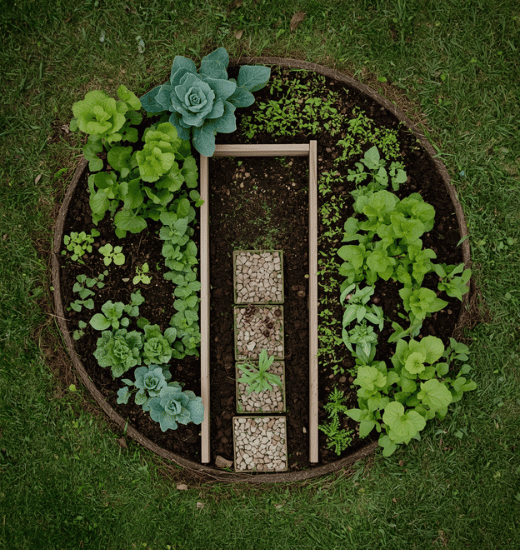
A cutting garden does not need to occupy an entire backyard. With the right layout, a narrow side yard, raised bed, patio border, or sunny corner can produce enough flowers for regular bouquets.
The most useful small backyard cutting garden layout is organized around access and repeat harvesting. Instead of planting flowers only for display, you arrange them in rows or sections that make watering, weeding, cutting, and replanting easier.
A productive cutting garden should also include flowers with different shapes, heights, colors, and bloom periods. The goal is not simply to grow attractive plants. It is to create a steady supply of stems that work well together in a vase.
Choose the Right Location
Most cutting flowers need several hours of direct sunlight. Choose the brightest practical area of the yard, ideally close to a water source.
A location near the house is convenient because you are more likely to harvest regularly. Frequent cutting encourages many annual flowers to produce additional stems.
Avoid planting directly beside large trees if their roots compete heavily for water. Also avoid areas where roof runoff floods the soil.
Before designing the bed, observe the space during different parts of the day. A garden that appears sunny in the morning may be shaded by a building during the afternoon.
Four Useful Layout Options
1. The Narrow Row Garden
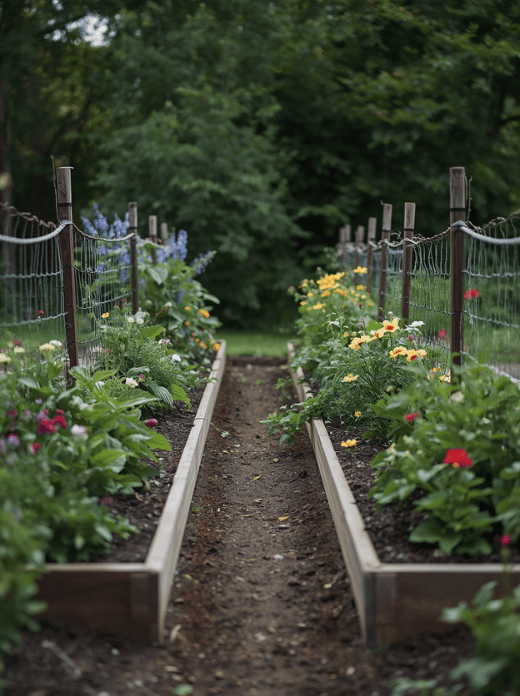
A row garden is suitable for a side yard or strip along a fence. Create two or three long beds separated by narrow paths.
Plant one flower type per row or short section. This makes it easy to monitor each crop and harvest stems quickly.
2. The Raised Bed Layout
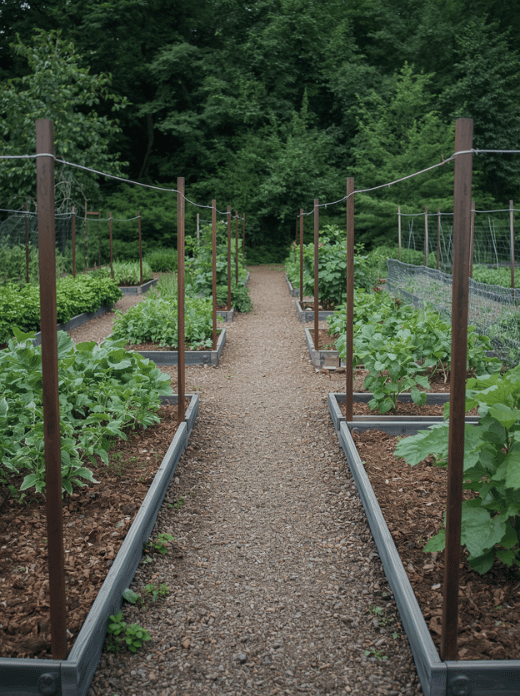
Raised beds provide clear boundaries and can improve drainage. A bed approximately 3 to 4 feet wide is easier to reach from both sides than a wider bed.
Keep paths wide enough for comfortable movement. A path that is too narrow may look efficient on paper but become frustrating once plants grow outward.
3. The Circular or Keyhole Layout
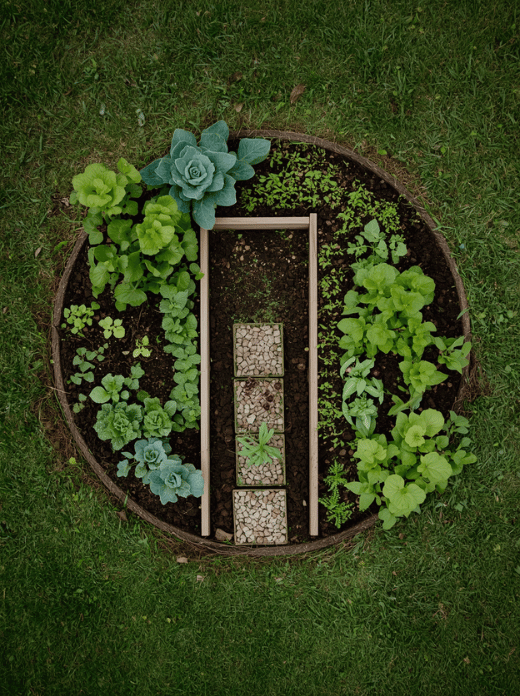
A circular bed can fit a small open area. Place taller plants toward the back or center, depending on the viewing direction.
A keyhole design provides access from several sides and can make harvesting easier, but avoid creating tight curves that are difficult to weed.
4. The Mixed Border Layout
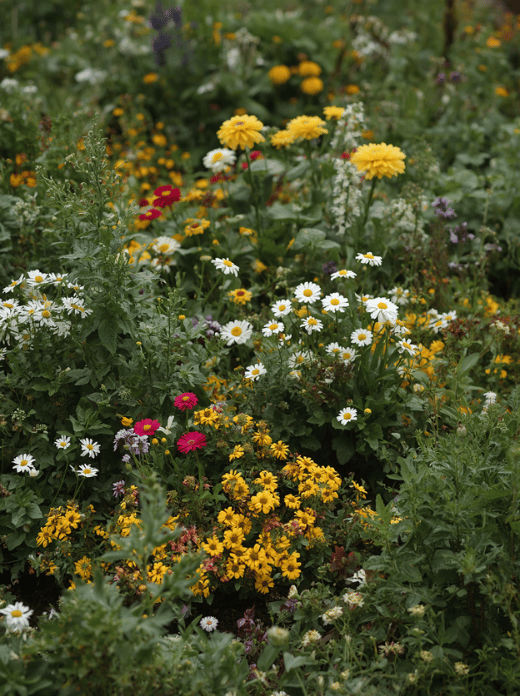
A mixed border combines cutting flowers with ornamental plants. Place productive flowers behind a front row of lower plants so the garden looks attractive from the house.
This approach works well when the garden must serve both decorative and practical purposes.
A Sample 4-by-8-Foot Cutting Bed
A 4-by-8-foot bed can produce a surprising number of stems when planted intensively.
| Bed section | Suggested flowers | Purpose |
|---|---|---|
| Back row | Cosmos or tall zinnias | Height and abundant stems |
| Middle row | Celosia or snapdragons | Upright form and texture |
| Front row | Gomphrena or calendula | Smaller focal flowers |
| Edge | Sweet alyssum or herbs | Soft border and fragrance |
The exact spacing depends on the variety. Always follow the seed packet or plant label when mature size differs significantly.
Organize Flowers by Function
A bouquet usually needs more than one type of flower. Organize your garden around five roles.
Focal Flowers
These are the blooms that attract immediate attention. Examples include zinnias, dahlias, sunflowers, roses, and large celosia.
Supporting Flowers
Supporting flowers are often smaller or less dominant. They help connect the focal blooms and create color transitions.
Spikes
Snapdragons, larkspur, salvia, and certain grasses provide vertical lines. They make a bouquet feel taller and more structured.
Fillers
Feverfew, yarrow, sweet alyssum, statice, and baby’s breath fill empty spaces without overpowering the main flowers.
Foliage and Texture
Foliage gives the bouquet a finished appearance. Herbs, grasses, dusty miller, basil flowers, and leafy stems can all contribute useful texture.
Plant in Blocks Instead of Scattered Groups
A common mistake in a small backyard cutting garden layout is scattering one plant among many unrelated flowers. This may look natural, but it can make maintenance and harvesting difficult.
Planting in blocks has several advantages:
- It makes watering more consistent.
- It simplifies pest inspection.
- It makes harvesting faster.
- It allows you to compare plant performance.
- It creates stronger visual impact.
- It makes succession planting easier.
A block does not need to be large. Even six to twelve plants of one variety can create a productive section.
Include Flowers With Different Bloom Times
Plan for a sequence of blooms rather than relying on one planting date.
Early-season flowers may include sweet peas, larkspur, calendula, and certain bulbs. Summer flowers may include zinnias, cosmos, sunflowers, celosia, and basil flowers. Late-season options may include asters, chrysanthemums, sedum, and ornamental grasses.
The best choices depend on climate and planting dates. Keep a simple garden calendar showing when each crop is expected to begin flowering.
Use Succession Planting
Succession planting means sowing or planting the same crop at intervals instead of planting everything at once.
For example, you might sow a small row of fast-growing annuals, then repeat the sowing several weeks later. The second planting can begin flowering after the first group starts to decline.
This technique helps prevent the “all at once” problem, when the entire cutting garden produces too many flowers during one short period and then becomes quiet.
Leave a small section of the bed open for replacement crops. Once an early crop finishes, remove it and replant the space.
Design Paths for Harvesting
Paths are not wasted space. They allow you to reach stems without stepping on soil or compacting the root zone.
For a small bed, a single path along the long side may be enough. For a larger area, divide beds with narrow walkways.
Use mulch, stepping stones, bark, or another surface that remains stable during wet weather. Avoid materials that become slippery or scatter into the planting area.
Keep a bucket or harvesting basket nearby. A garden that is convenient to use will produce more bouquets because harvesting becomes part of the regular routine.
Watering and Soil Preparation
Before planting, improve the soil with mature compost if needed. Avoid adding excessive fertilizer, which can encourage tall, leafy growth at the expense of strong flowering.
Container and raised-bed gardens dry faster than in-ground beds. Check soil moisture regularly, especially during periods of heat or wind.
Water at the base of plants when possible. Wet foliage that remains damp overnight can create conditions favorable to disease.
Drip irrigation or soaker hoses can make watering easier, but even a watering wand works well when used consistently.
Support Tall Flowers Early
Tall flowers may require support, especially in windy locations. Install stakes, netting, or a simple support system before plants become difficult to manage.
Adding support early prevents root disturbance and reduces the chance of stems bending during storms.
Use supports that are practical rather than visually distracting. Green netting, bamboo stakes, and low garden fencing can blend into the planting.
Harvest at the Best Stage
Cut flowers during the coolest part of the day, preferably in the morning after dew has dried.
Use clean, sharp pruners. Place cut stems in a clean bucket of water immediately.
The ideal harvest stage differs by flower:
- Zinnias are often ready when the stem is firm and the flower does not wobble when gently shaken.
- Snapdragons are commonly cut when lower flowers are open and upper buds remain closed.
- Sunflowers can be harvested when petals begin to unfold.
- Celosia can be cut once the flower head is well formed.
- Cosmos are best cut when flowers are open but stems remain firm.
Remove lower leaves before placing stems in water. Leaves submerged in water decay quickly.
A Practical Planting Checklist
Before planting your small cutting garden, confirm that you have:
- A sunny location.
- Accessible water.
- Clearly defined beds.
- Paths wide enough for harvesting.
- Flowers with staggered bloom periods.
- A mixture of focal, spike, filler, and foliage plants.
- Supports for tall varieties.
- Space for succession planting.
- Clean harvesting tools.
- Buckets or containers for freshly cut stems.
A well-designed small backyard cutting garden layout should make the garden easier to use, not simply more attractive on paper.
Start with one manageable bed rather than planting more than you can maintain. Choose reliable flowers, group them in practical blocks, and leave room for additional sowings. Over time, you can adjust the layout based on which flowers perform best and which combinations look most beautiful in your home.
The reward is a steady supply of personal bouquets, fresh flowers grown, harvested, and arranged from a garden designed specifically for that purpose.
Last modified: October 7, 2026
