


Preparing your backyard garden for spring makes planting, watering, and maintenance easier throughout the growing season. After winter, garden beds often need to be cleared, improved, and checked for damage before new plants go in.
The best approach is to work in stages. Start by cleaning the garden, then check the soil, repair structures, choose plants, and create a simple watering plan. Waiting until the soil is workable helps prevent compaction and protects the garden from unnecessary damage.
Color rating guide: 🟢 Easy | 🟡 Moderate | 🔴 More involved
1. Walk Around the Garden
Rating: ★★★★★ | Effort: 🟢 Easy
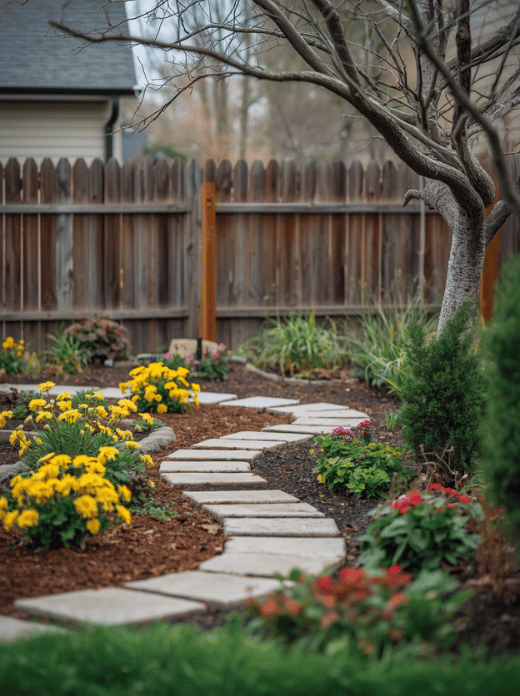
Begin with a slow inspection of the entire backyard garden. Look for broken branches, lifted edging, damaged fences, clogged drains, standing water, and plants that did not survive winter.
Take photos and make a short list before buying supplies. This prevents rushed decisions and helps you focus on the repairs that matter most.
2. Remove Winter Debris
Rating: ★★★★★ | Effort: 🟢 Easy
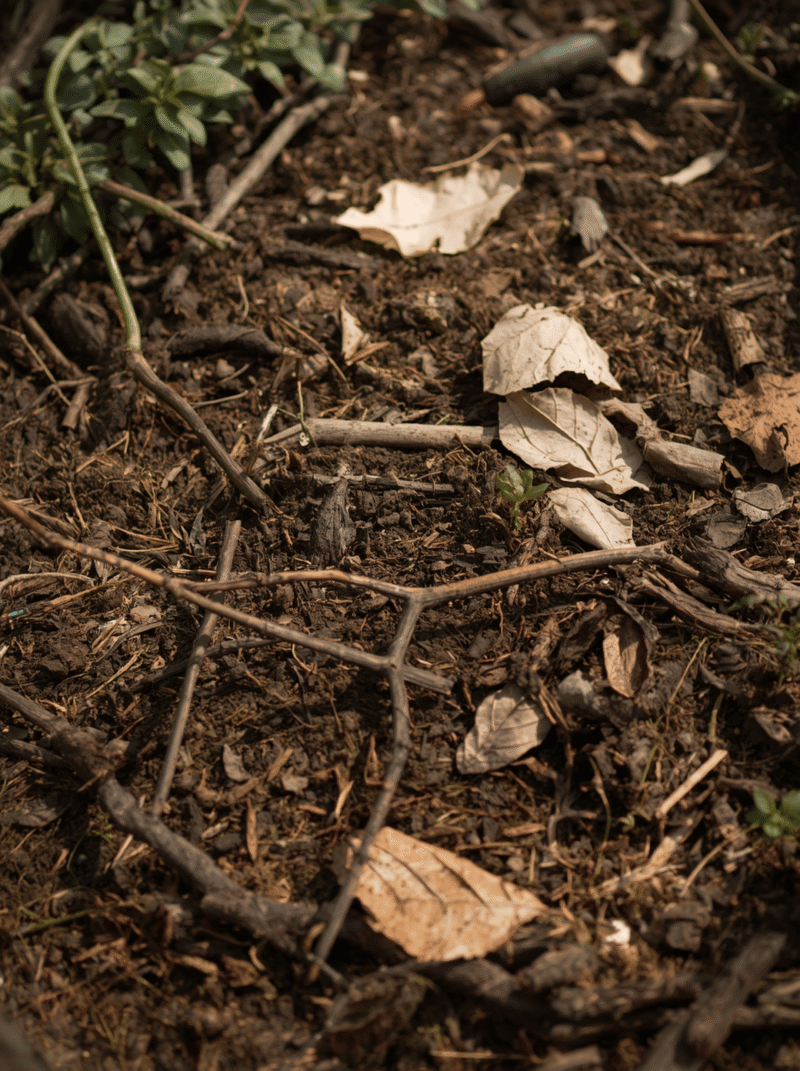
Pick up fallen branches, litter, broken plant supports, and other debris from the beds. Remove old annuals and vegetable plants that are diseased or rotting.
Healthy plant material can usually be composted, but diseased leaves and stems should be discarded rather than added to the compost pile.
3. Cut Back Dead Perennials
Rating: ★★★★☆ | Effort: 🟢 Easy
Cut back dead stems from perennials that should be trimmed in early spring. Leave plants with useful seed heads or stems until birds and beneficial insects no longer need them.
Use clean, sharp pruners and avoid cutting new green growth. If you are unsure about a plant, check its pruning needs before removing old stems.
4. Prune Damaged Trees and Shrubs
Rating: ★★★★☆ | Effort: 🟡 Moderate
Remove small dead, broken, or crossing branches from trees and shrubs when appropriate for the plant. Pruning can improve airflow and remove winter damage.
Do not cut large branches near power lines or attempt dangerous tree work from a ladder. Hire a qualified professional for tall trees, major splits, or large limbs.
5. Test the Garden Soil
Rating: ★★★★★ | Effort: 🟢 Easy
A soil test shows whether your garden needs adjustments to pH or nutrients. Testing is more reliable than adding fertilizer based only on how the soil looks.
Use the results to choose amendments and plants. Do not add lime, fertilizer, or other products unless the test or a trusted local recommendation supports it.
6. Improve the Soil With Compost
Rating: ★★★★★ | Effort: 🟡 Moderate
Add finished compost to garden beds before planting. Spread a thin layer over the surface and mix it gently into the top few inches of soil if the bed needs improvement.
Avoid working wet soil because digging or tilling while it is saturated can create hard, compacted clumps that are difficult to repair.
7. Check Soil Drainage
Rating: ★★★★☆ | Effort: 🟡 Moderate
Notice where water stands after rain. Poor drainage can damage roots and encourage fungal problems, while very dry soil may need organic matter or a better watering plan.
Do not simply add more soil against the foundation or redirect water toward a neighbor’s property. Persistent drainage problems may require a professional solution.
8. Refresh Garden Paths and Edging
Rating: ★★★★★ | Effort: 🟡 Moderate
Reset loose stones, replace damaged edging, and remove weeds from paths. Clean borders make the entire backyard garden look more organized and keep soil or mulch from spreading onto walkways.
Choose edging that is safe to mow around and secure it firmly so it does not shift during heavy rain.
9. Add Fresh Mulch
Rating: ★★★★★ | Effort: 🟢 Easy
Spread about 2 to 3 inches of mulch around trees, shrubs, flowers, and vegetables after the soil begins to warm. Mulch helps retain moisture, reduce weeds, and protect roots from temperature changes.
Keep mulch away from tree trunks and plant stems. Thick piles pressed against bark can hold moisture and attract pests.
10. Inspect Raised Beds
Rating: ★★★★☆ | Effort: 🟡 Moderate
Check raised-bed boards, corner supports, screws, and drainage openings. Replace rotting wood and tighten loose fasteners before filling the bed with soil or compost.
If you are building a new bed, place it where it receives enough sunlight and leave room to walk around it for planting and harvesting.
11. Clean and Sharpen Garden Tools
Rating: ★★★★★ | Effort: 🟢 Easy
Wash soil from shovels, hoes, trowels, pruners, and garden shears. Dry metal surfaces thoroughly, sharpen cutting tools, and apply a light coat of oil to help prevent rust.
Clean tools are easier to use and can reduce the chance of spreading plant diseases between beds.
12. Check Hoses and Irrigation
Rating: ★★★★☆ | Effort: 🟢 Easy
Reconnect hoses and inspect them for cracks, leaks, and damaged fittings. Test drip lines and sprinklers before plants need regular watering.
Water slowly and deeply rather than wetting the surface every day. Adjust the schedule for rainfall, soil type, plant needs, and local watering rules.
13. Start a Weed-Control Routine
Rating: ★★★★★ | Effort: 🟢 Easy
Pull small weeds while the soil is soft and before they produce seeds. Removing a few weeds regularly is usually easier than clearing an overgrown bed later.
Mulch after weeding, but do not bury plant crowns or cover the base of young seedlings.
14. Plan Where to Plant
Rating: ★★★★★ | Effort: 🟢 Easy
Group plants according to sunlight, water, mature size, and soil needs. Place tall plants where they will not shade smaller flowers or vegetables unless shade is part of the plan.
Leave enough space between plants for airflow and future growth. A garden can look sparse at planting time and still fill in quickly by summer.
15. Harden Off Young Plants
Rating: ★★★★☆ | Effort: 🟡 Moderate
If you started seeds indoors or bought greenhouse-grown plants, gradually expose them to outdoor conditions before planting them permanently. Begin with a short period in a sheltered location and increase the time over several days.
Protect young plants from strong wind, cold nights, and sudden direct sun. Plant tender crops only after the local frost risk has passed.
A Simple Spring Garden Schedule
Begin with cleanup and repairs when the soil is workable. Next, test the soil, add compost if needed, refresh paths and edging, and prepare irrigation. Plant cool-season crops and hardy flowers first if they suit your climate.
Wait to plant frost-sensitive vegetables and annual flowers until nighttime temperatures are safe. Keep a record of what you plant, where it goes, and how it performs. This makes next year’s garden planning easier.
Final Thoughts
Preparing your backyard garden for spring is mostly about timing and good preparation. Clear debris, protect the soil, repair damaged areas, clean your tools, and choose plants based on the conditions in your yard.
You do not need to complete every task in one weekend. Start with the jobs that improve soil, drainage, and safety, then add plants as the weather becomes more reliable.
Save this spring garden checklist for your next backyard project, and share it with someone getting their garden ready for a new growing season.
Last modified: September 30, 2026
