

Green flowers can fix a garden that feels flat or too expected. They bring a cool, fresh look that softens bright colors and makes every bed feel richer.
Picture pale lime petals, mossy shades, fluffy heads, and tall green spikes moving in warm summer light. These blooms feel calm, rare, and a little magical.
In this list of 15 ideas, you will find flowers that add texture, height, and long-lasting color. You will also get simple care notes, easy word meanings, and growing zones, so you can pick the right plants for your yard with less guesswork.
Why Green Blooms Stand Out
Green flowers catch the eye in a quiet way. They do not shout like red or orange, yet they still pull attention because they look rare and fresh. That soft green tone can make a garden feel calm, clean, and full at the same time.
They also mix well with almost every color. White flowers look brighter near green blooms. Pink roses feel softer. Purple flowers look deeper and richer. That makes green flowers useful if your garden needs balance.
Texture matters too. Some green blooms are fluffy, which means soft and thick. Some are spiky, which means tall and narrow. Some look layered, which means petals sit in little stacks. Those shapes help garden beds feel more alive.

How To Use This List
This short post gives you 15 green flowers for the garden. Each one has a style of its own, from tidy round blooms to tall stems with bold shape. You will also see growing zones, which are the places where a plant can handle the weather.
- Easy care notes: These tell you if a flower likes full sun, part shade, rich soil, or steady water.
- Simple meanings: Words like fluffy mean soft and full. Lime means light green. Border means the edge of a garden bed.
Use the table to compare plants fast. Then choose flowers that fit your light, space, and weather.
| Green Flower | Growing Zones | Best Feature |
|---|---|---|
| Bells of Ireland | 2-11 | Tall apple-green spikes |
| Green Zinnia | 2-11 | Round layered blooms |
| Green Hydrangea | 3-9 | Full long-lasting flower heads |
| Hellebore | 4-9 | Early spring color |
| Green Orchid | 10-12 | Exotic indoor or warm-climate look |
| Lady’s Mantle | 3-8 | Soft chartreuse sprays |
| Green Gladiolus | 8-11 | Strong vertical shape |
| Nicotiana Lime | 10-11 | Starry flowers with scent |
| Green Chrysanthemum | 5-9 | Neat pom-pom blooms |
| Green Rose | 5-11 | Unusual petal-like bracts |
| Green Tulip | 3-8 | Spring color with striped petals |
| Dahlia ‘Green Wizard’ | 8-11 | Bold center and airy petals |
| Green Daylily | 3-10 | Easy summer bloom |
| Amaranthus ‘Viridis’ | 2-11 | Trailing tassels |
| Snowball Viburnum | 6-9 | Big lime-to-white clusters |
15 Beautiful Green Flowers List Below
1. Bells Of Ireland Charm
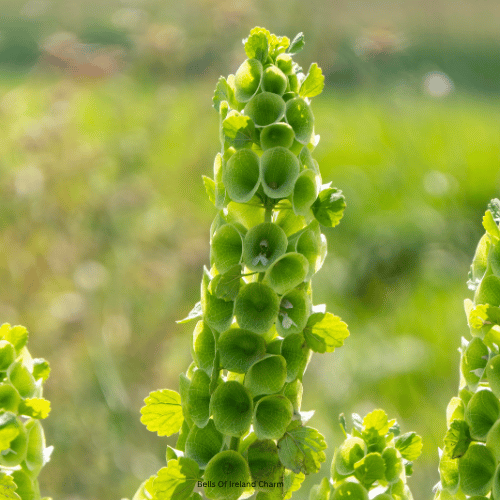
Bells of Ireland is one of the easiest green flowers to spot across a garden bed. Its stems rise high, and the bright cups along the stalk look crisp and fresh. A cup here is the bell-like green part that wraps around the tiny flower.
Tall Shape, Big Impact
This group brings height fast. Bells of Ireland works well at the back of a bed, and Green Gladiolus adds another strong upright line. Amaranthus ‘Viridis’ gives a different shape with hanging tassels, which are long flower strands that drape down like soft ropes.
More Green Flowers To Pair
Green Orchid adds a rare, polished look in warm places or pots. Hellebore brings soft green blooms in cool seasons, often when little else is flowering. Lady’s Mantle fills gaps with frothy sprays, and frothy means light and airy, like tiny clouds of bloom.
Plant tall flowers where they can rise above shorter ones. That simple move helps the whole garden look layered and full.
2. Green Zinnia Garden Spark
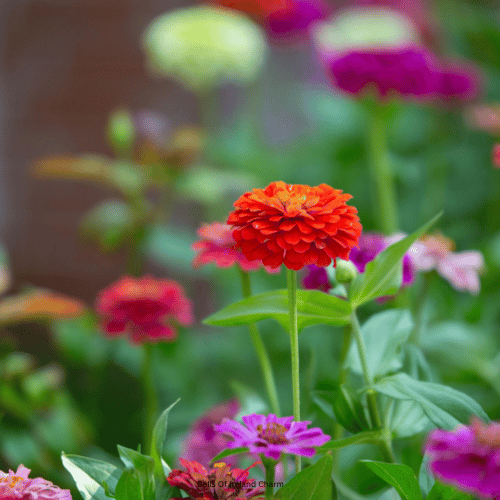
Green zinnias feel cheerful and neat. Their petals sit in rings, so the bloom looks round and full. That layered shape stands out in sunny beds and in cut flower jars on a kitchen table.
- Green Zinnia: Best in full sun. It loves heat and keeps blooming if you cut old flowers off.
- Green Chrysanthemum: A fall favorite with tidy pom-pom flowers. Pom-pom means round and packed tight.
- Green Tulip: A spring choice with petals often brushed with green. It looks clean and elegant.
- Green Daylily: Easy to grow and good for busy gardeners. Each bloom is short-lived, but new ones keep coming.
- Dahlia ‘Green Wizard’: Airy petals and a dark center give it a wild, artsy look.
These flowers work best where the sun is strong. Mix round blooms with spiky leaves or grasses for more contrast.
3. Hydrangea With Lime Hues
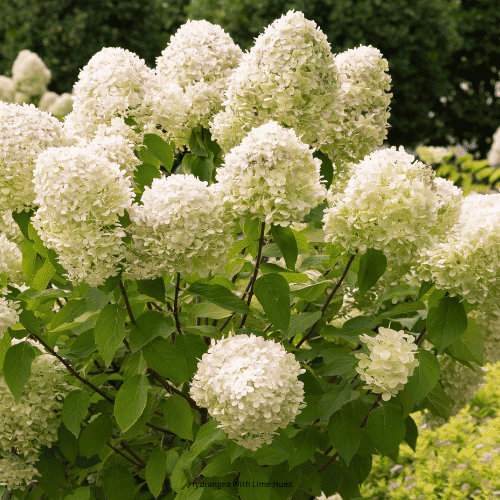
Green hydrangeas bring a soft, finished look to borders. Their flower heads are big and rounded, and full means thick with many petals packed together. They hold color for a long time, which makes them useful in both the garden and vase.
Best Green Partners
- Green Hydrangea: Great for a tidy border. It likes even moisture and rich soil.
- Snowball Viburnum: Big lime clusters in spring. It acts more like a shrub, which means a woody plant larger than a flower.
- Green Rose: Strange and beautiful, with green parts that look like petals.
- Nicotiana Lime: Soft star-shaped blooms and a sweet scent at dusk.
Use these near patios, paths, or entry beds where people can see their shape up close. For a simple wrap up, start with one tall green flower, one round green flower, and one soft filler. That mix gives your garden depth, color, and a fresh look that feels special without trying too hard.
4. Hellebore For Early Color
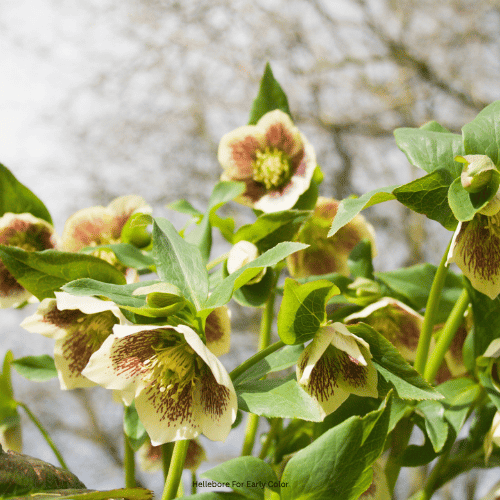
Hellebore earns attention because it flowers when most beds still look bare. Its blooms often open in late winter, and that timing makes the soft green shades feel even more special. The flowers hang down, which means they face the ground a bit, like little bells nodding in the cold.
Why gardeners love it
It handles chilly weather well and keeps a neat shape. Tuck it near a path or front step, where you can enjoy those early blooms up close.
Simple growing tip
Give hellebore rich soil and part shade. It does best where summer heat will not hit too hard.
5. Lady’s Mantle Soft Edges
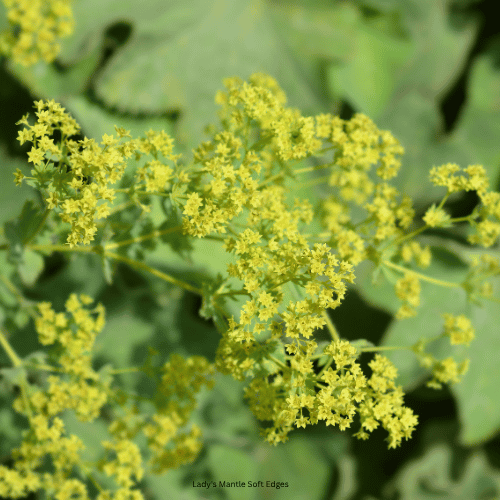
Lady’s mantle brings a gentle look. Its green flowers sit in loose, airy sprays, and the leaves do a lot of the work too. They are rounded and pretty, with scalloped leaves. Scalloped means the edges look like tiny waves or soft bumps.
- Best use: It softens the front of a border and fills gaps between brighter flowers.
- Garden style: It fits cottage gardens, shade gardens, and simple green-and-white planting plans.
After rain, drops of water often sit on the leaves and sparkle. That small detail makes this plant easy to love.
6. Green Trick Dianthus Surprise
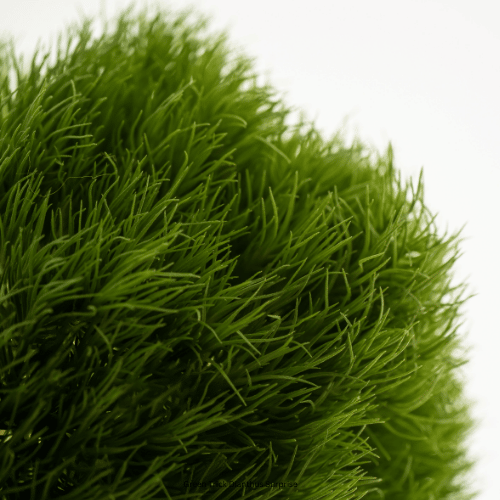
Some green flowers look elegant. This one looks fun. Green Trick dianthus grows as a fuzzy green ball, and it grabs your eye the second you see it.
The best word here is texture. Texture means how something looks or feels on the surface. In a flower bed full of flat petals, this plant adds a bouncy, moss-like shape that breaks things up in a good way.
It also works well in bouquets. Cut a few stems and mix them with roses or white blooms. Keep it in sun, and plant it where that unusual shape can stand out instead of getting lost.
7. Nicotiana Lime Fragrance
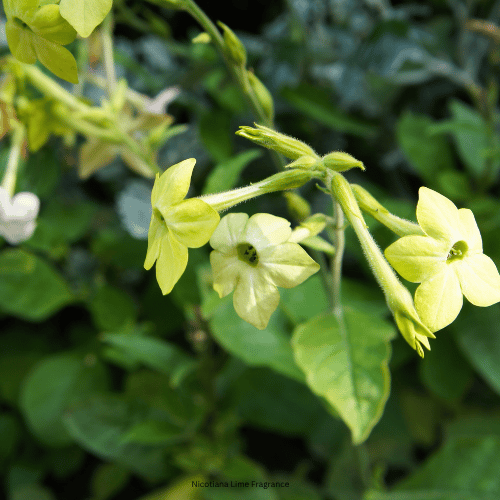
Lime nicotiana gives you more than color. It brings scent too.
What makes it special
- Starry flowers: The blooms open in pointed shapes that look light and airy.
- Sweet scent: Scent means smell. This flower often smells stronger in the evening.
That soft fragrance can change the mood of a patio or walkway. Plant it near a seat, an open window, or a back door where people pass by at dusk.
Where it fits best
Use it in moon gardens, mixed borders, or large pots. The pale green tone glows nicely as the light fades.
8. Orchid Blooms In Green
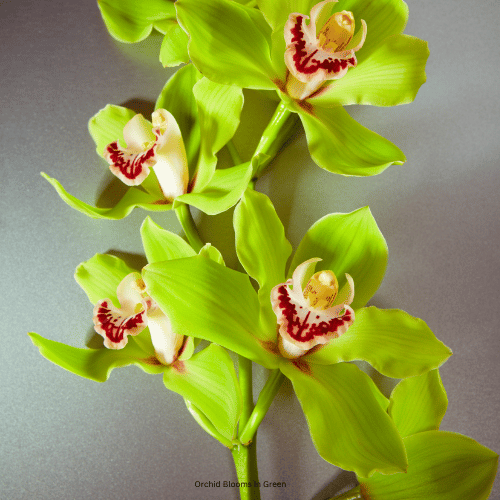
Green orchids feel polished and rare. Some open in shades of apple, lime, or soft olive, and they bring a clean look to indoor rooms and warm patios. Their shape often looks exotic, which means unusual and striking, almost like something from a tropical painting.
You can use them as a quiet focal point. One plant on a table can do more than a whole row of busy flowers. Green orchids pair well with simple pots, white walls, and shady corners.
Check the type before you buy. Growing zones change from one orchid to another, but many do best indoors unless you live in a very warm place.
9. Green Daylily Sunny Accent
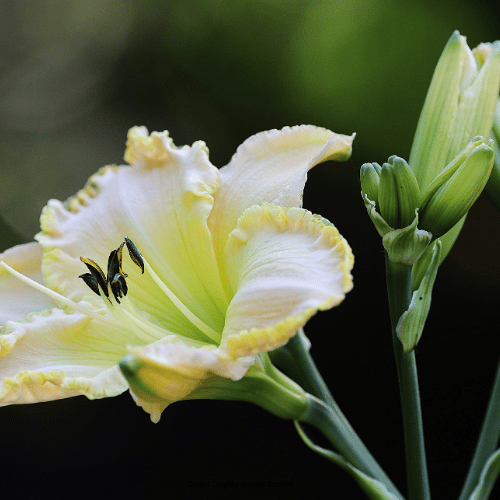
Green daylily brings a fresh twist to a flower many gardeners already know. Its bloom may show green in the throat, on the petals, or as a soft chartreuse wash. Chartreuse means a yellow-green color, bright and lively.
Why it stands out
Daylilies open wide and catch light well. A green-toned kind feels cooler and calmer than orange or red types, yet it still looks cheerful in summer beds.
Easy garden fit
These plants grow well in zones 3 to 9. Give them sun and soil that drains, which means water does not sit there too long. Plant them near purple or white flowers for a clean, sunny look.
10. Chrysanthemum In Fresh Green
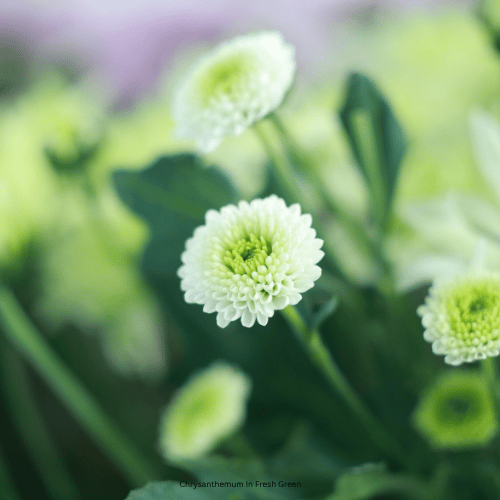
Green chrysanthemums keep a garden going when many summer blooms start to slow down. Their round flower heads look neat and full, so they bring order to mixed beds. That shape matters in fall, when gardens can start to look loose and tired.
- Late color: Mums bloom from late summer into fall, often right when other flowers fade.
- Rounded blooms: The flowers look tidy and packed with petals, which adds structure.
- Easy pairing: Green mums look striking beside burgundy asters, white daisies, or orange pumpkins.
Grow them in zones 5 to 9 with full sun. Pinching back the stems in early summer helps keep the plant bushy, which means full and thick.
11. Gladiolus With Green Spikes
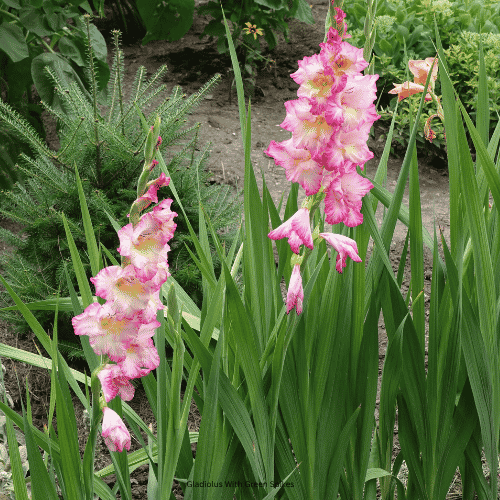
Green gladiolus looks bold from a distance. The tall flower spikes rise straight up, so they add height without making a bed feel heavy. If your garden needs strong lines, this flower does the job.
Best spot in the border
Put gladiolus in the back or middle of a flower bed, depending on the size of nearby plants. The spikes can reach several feet tall, and they help shorter flowers look even better.
Good for cutting
These stems are popular in bouquets because they last well in a vase. Cut a stem when the lowest blooms begin to open.
Grow green gladiolus in zones 7 to 10, or lift the bulbs in colder places. Lift means dig them up and store them for winter.
12. Carnation With Mint Tones
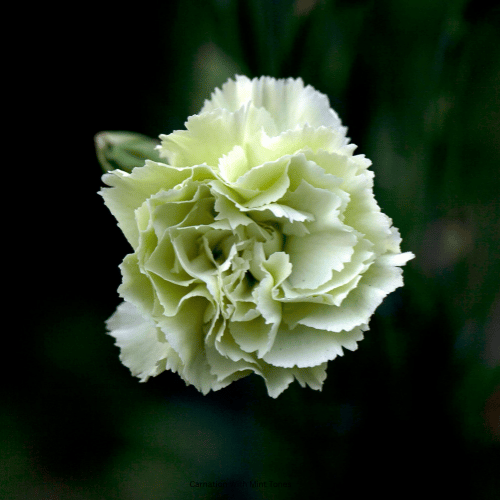
Green carnations have soft, ruffled petals that almost look like fabric. Ruffled means crinkled and wavy around the edges. That texture gives them a rich look, even when the color stays gentle.
Where they work best
- Border planting: Their compact shape fits well along front edges and path sides.
- Cut flower rows: They are a smart pick for a cutting garden because the stems are useful indoors.
Green carnations grow best in zones 6 to 9. Give them sun, good air flow, and soil that drains well. They pair nicely with blush flowers, silver leaves, and dark green shrubs.
13. Coneflower In Green Shades
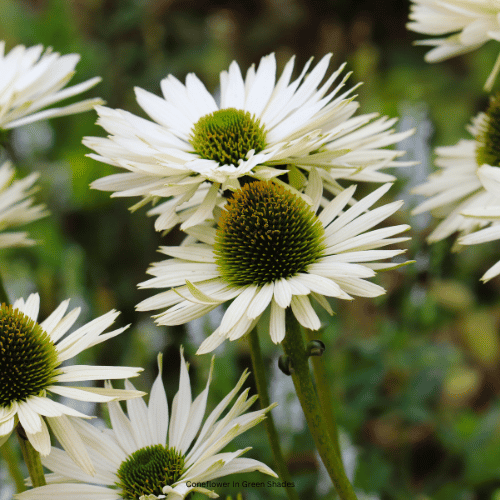
Green coneflower varieties bring an earthy, calm mood to the garden. Some have green petals. Others have a green center cone, the raised middle part that gives the plant its name. Either way, they look strong and natural.
These flowers are more than pretty. Coneflower also helps bees and butterflies, which makes it useful in a pollinator bed. The stems stay firm in wind and summer heat, so the plant keeps its shape well.
Most green forms grow in zones 4 to 9. Plant them in full sun and do not overwater. For the best effect, mix them with black-eyed Susans, ornamental grasses, or pale pink blooms. The green tones soften bright colors and tie a planting together.
Wrap up: Green flowers can do more than fill space. They cool down hot color schemes, add surprise, and make common beds look more thoughtful. Try one or two first, then build from there. A small patch of green blooms can change the whole garden mood.
14. Amaranthus Tails Of Green
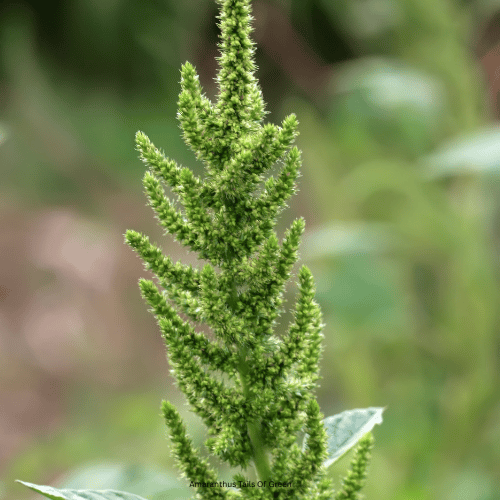
Green amaranthus looks dramatic in the best way. Its blooms hang down in long tassels, which means soft flower ropes that droop from the stem. That shape adds movement, so beds and borders feel alive even on still days.
Why It Stands Out
This flower brings a very different form than round or flat blooms. It spills over edges and softens stiff planting lines. In a mixed garden, it helps everything look looser and more natural.
Where It Works Best
Plant it in full sun and give it room to grow. It shines in cottage gardens, cutting beds, and large pots. The long green trails also look striking in bouquets.
Most types grow well in zones 2 to 11 as a warm-season annual. If you want one flower with motion and bold shape, this is a strong pick.
15. Viburnum Snowball In Green
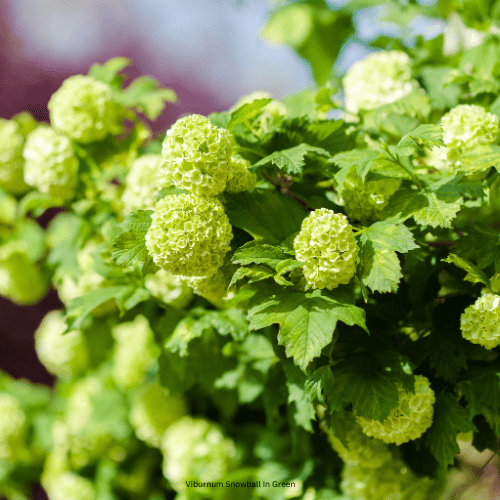
Green snowball viburnum has a classic look, but it still feels fresh. The blooms grow in round clusters, which means many tiny flowers packed into one ball. In spring, those green spheres wake up the whole yard.
- Best feature: The round bloom shape gives shrubs a neat, full look without feeling stiff.
- Garden use: It works well as a border shrub, a backdrop for perennials, or a simple focal point near an entry.
- Growing zones: Most kinds do best in zones 5 to 8 with sun or part shade.
This is a smart choice if you want a shrub that feels polished, easy, and full of spring charm.
16. Anthurium For Glossy Color
Green anthurium brings a sleek look to indoor spaces and shaded patios. Its bloom is shiny and heart-shaped, with a smooth surface that almost looks polished. That glossy finish makes it feel modern and a little bold.
What The Bloom Really Is
The colored part is called a spathe. That sounds hard, but it just means a leaf-like part that wraps around the flower spike. Once you know that, the plant feels much less mysterious.
Why People Love It
Anthurium lasts a long time in pots and cut arrangements. The green color pairs well with white walls, black planters, and wood shelves. It gives a room a clean garden feel without looking plain.
Grow it in bright, indirect light and keep it warm. Outdoors, it fits zones 10 to 12. In cooler places, treat it as a houseplant.
Growing Zone Table Guide
This quick table helps you compare all 15 green flowers fast. A growing zone is a map number that shows how cold your area gets in winter. Use it to see which flowers can live outside where you are.
Quick Compare Table
| Flower | Growing Zones | Sun Needs | Bloom Time |
|---|---|---|---|
| Bells of Ireland | 2 to 11 annual | Full sun | Summer |
| Green Zinnia | 2 to 11 annual | Full sun | Summer to fall |
| Green Hydrangea | 3 to 9 | Part sun | Summer to fall |
| Hellebore | 4 to 9 | Part shade | Late winter to spring |
| Lady’s Mantle | 3 to 8 | Sun to part shade | Late spring to summer |
| Green Trick Dianthus | 5 to 9 | Full sun | Late spring to summer |
| Green Nicotiana | 10 to 11, often annual | Full sun to part shade | Summer to fall |
| Green Orchid | 10 to 12, often indoor | Bright indirect light | Varies |
| Green Daylily | 3 to 9 | Full sun | Summer |
| Green Chrysanthemum | 5 to 9 | Full sun | Late summer to fall |
| Green Gladiolus | 7 to 10 | Full sun | Summer |
| Green Carnation | 5 to 9 | Full sun | Spring to summer |
| Green Coneflower | 3 to 9 | Full sun | Summer |
| Green Amaranthus | 2 to 11 annual | Full sun | Summer to fall |
| Green Viburnum | 5 to 8 | Sun to part shade | Spring to early summer |
| Green Anthurium | 10 to 12 | Bright indirect light | Year round indoors |
Keep this chart handy when you plan beds, pots, or cut flower rows. It saves time and helps you choose flowers that fit your light and climate.
Wrap Up And Planting Tips
These green flowers can make a garden feel cool, clean, and full of life. Mix tall shapes, round blooms, and trailing forms so the space feels balanced.
Check your growing zone before you buy, and match each plant to the right sun level. Good soil and steady water help most flowers settle in faster. Start with two or three favorites if you feel unsure.
That keeps planning simple. Green blooms also pair well with white, purple, and deep pink flowers, so your beds never look flat. Small choices matter here, and they can change the whole look of your garden.
Note
Green flowers give a garden a fresh look that feels calm but still memorable. Some are soft and airy. Others are bold and glossy. That mix is what makes them so useful.
Use the zone table before you plant. Then choose a few flowers with different shapes and bloom times, so your garden keeps its color longer. You do not need all 15 to make an impact. Even one or two can shift the whole mood of a bed, porch pot, or cutting garden.
Save this list for later, compare your favorites, and build a green flower garden that feels beautiful from the first bloom to the last.
Last modified: June 8, 2026
