

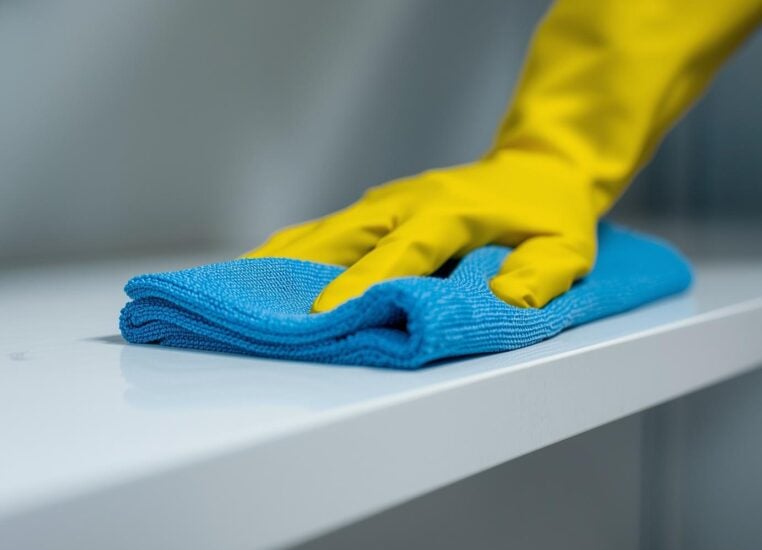
Why Dust Builds Up in the First Place?
I’ve always wondered why, no matter how often I clean, dust seems to reappear like an uninvited guest.
The truth is, dust is a mix of tiny particles that come from both inside and outside the home.
It’s made up of dead skin cells, fabric fibers, pollen, pet dander, and even microscopic soil particles.
|
Dust Source |
Description |
Percentage of Total Household Dust |
|---|---|---|
|
Skin Cells & Hair |
Naturally shed by humans and pets. |
30–40% |
|
Fabric Fibers |
From clothing, bedding, and upholstery. |
20–25% |
|
Outdoor Dirt & Pollen |
Carried in through windows, shoes, and air vents. |
15–20% |
|
Pet Dander |
Tiny flakes of skin and fur. |
10–15% |
|
Paper & Other Debris |
From books, boxes, and clutter. |
5–10% |
Therefore, even if we clean regularly, dust will always find its way back.
However, with the right habits and tools, we can significantly reduce how much accumulates.
Common Sources of Dust
Understanding where dust comes from helps us target it more effectively.
|
Source |
How It Contributes |
How to Minimize It |
|---|---|---|
|
Carpets & Rugs |
Trap dirt and fibers. |
Vacuum regularly with HEPA filter. |
|
Bedding |
Collects skin cells and lint. |
Wash weekly in hot water. |
|
Curtains & Upholstery |
Hold onto dust and pollen. |
Vacuum or wash monthly. |
|
Air Vents & Filters |
Spread dust through airflow. |
Replace filters every 2–3 months. |
|
Cluttered Surfaces |
Collect dust easily. |
Declutter and wipe often. |
I once realized my bookshelf was a major dust magnet. After reorganizing and wiping it weekly, the difference was noticeable.
Daily Habits That Help Reduce Dust
Small daily actions can make a big difference in keeping dust under control.
1. Keep Windows Closed on Windy Days
As tempting as it is to let in fresh air, open windows invite pollen and outdoor dust.
2. Wipe Surfaces with a Damp Cloth
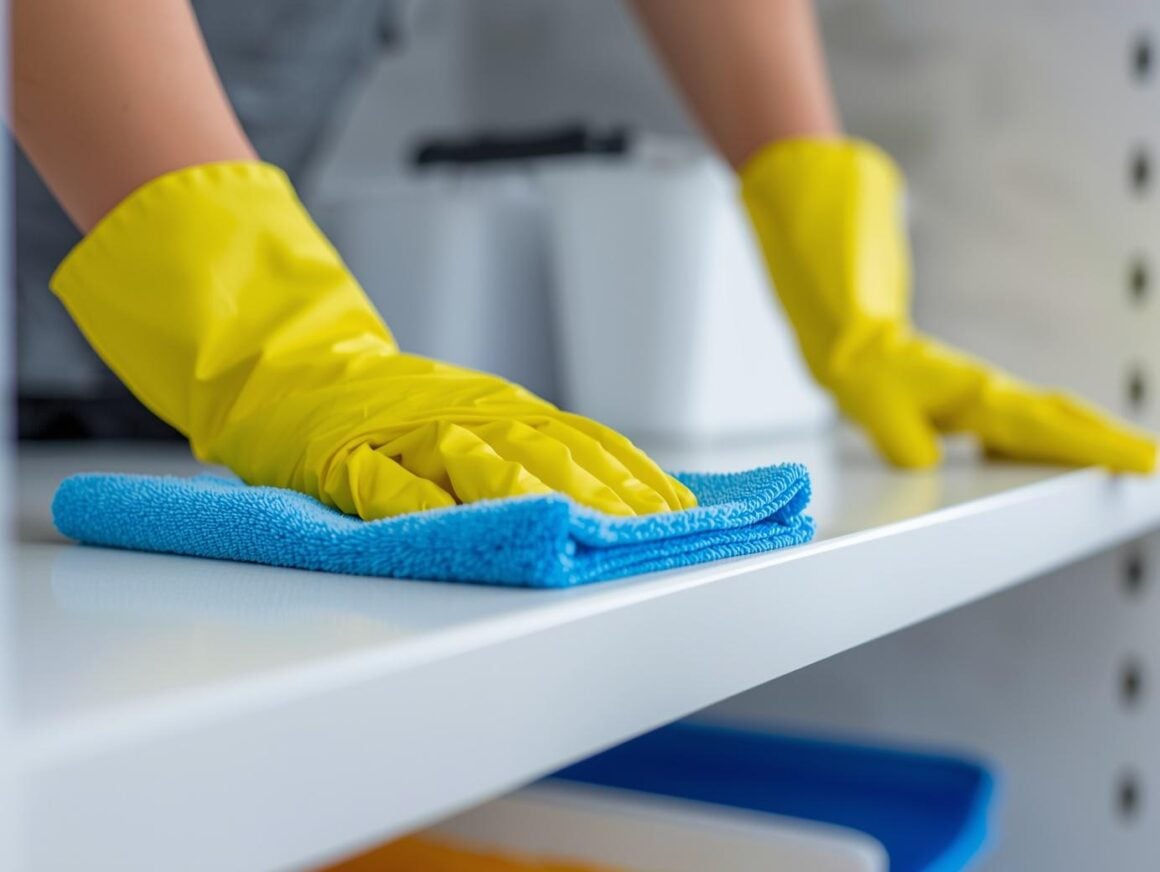
Dry dusting just moves particles around. A slightly damp microfiber cloth traps dust instead of spreading it.
3. Remove Shoes at the Door
Shoes track in dirt, pollen, and debris. I keep a small shoe rack by my entryway—it’s a simple fix that keeps floors cleaner.
4. Use Doormats Inside and Out
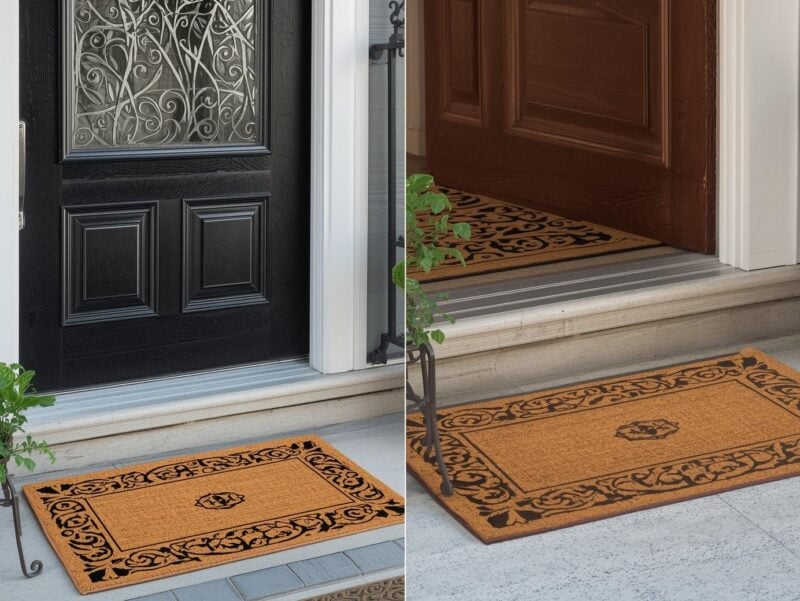
A sturdy outdoor mat catches dirt before it enters, while an indoor mat traps what’s left.
5. Groom Pets Regularly
Brushing pets outside reduces shedding and dander indoors.
|
Daily Habit |
Why It Works |
Time Required |
|---|---|---|
|
Close Windows |
Prevents outdoor dust. |
1 minute |
|
Damp Dusting |
Traps particles effectively. |
10 minutes |
|
No Shoes Indoors |
Reduces tracked-in dirt. |
Instant |
|
Use Doormats |
Stops dust at the door. |
Minimal |
|
Brush Pets |
Reduces dander. |
5 minutes |
Weekly Cleaning Strategies
Even with daily habits, dust still settles. A weekly routine keeps it from building up.
1. Vacuum with a HEPA Filter
A vacuum with a HEPA filter traps fine particles that regular vacuums miss.
|
Vacuum Type |
Effectiveness |
Best For |
|---|---|---|
|
HEPA Upright |
★★★★★ |
Carpets and rugs |
|
Canister Vacuum |
★★★★☆ |
Hard floors and stairs |
|
Robot Vacuum |
★★★☆☆ |
Maintenance between deep cleans |
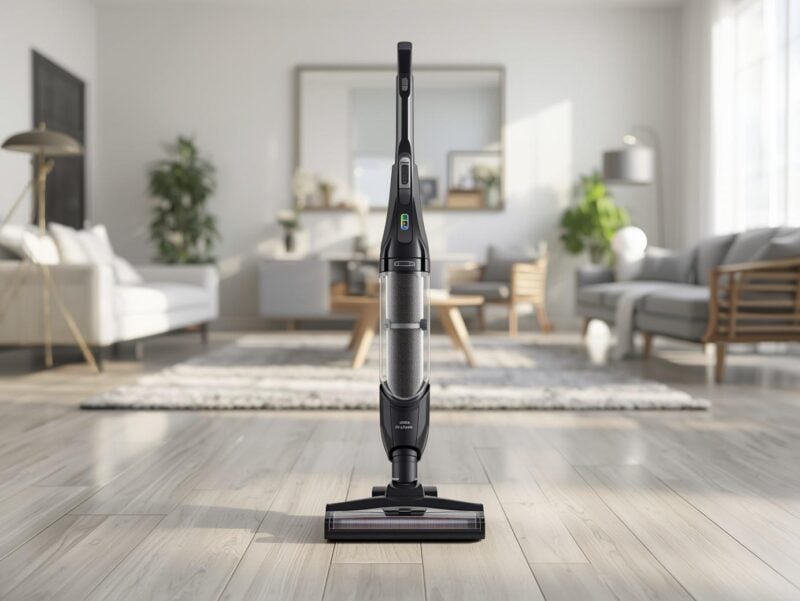
I use a HEPA vacuum twice a week, and it’s made a huge difference in my allergies.
2. Wash Bedding and Curtains
Bedding collects skin cells and fibers, while curtains trap airborne dust. Wash sheets weekly and curtains monthly.
3. Clean Air Vents and Ceiling Fans
Ceiling fans are notorious for collecting dust. Wipe blades with a pillowcase to trap debris.
4. Mop Hard Floors
Vacuum first, then mop with a microfiber mop to catch leftover dust.
5. Declutter Surfaces
The fewer items on shelves and tables, the less dust has to cling to.
|
Weekly Task |
Frequency |
Tip |
|---|---|---|
|
Vacuum Floors |
2–3 times per week |
Use HEPA filter. |
|
Wash Bedding |
Weekly |
Hot water kills dust mites. |
|
Dust Furniture |
Weekly |
Use microfiber cloth. |
|
Clean Fans & Vents |
Monthly |
Use extendable duster. |
|
Mop Floors |
Weekly |
Use damp mop. |
Long-Term Solutions for a Dust-Free Home
Some changes take more effort but pay off in the long run.
1. Upgrade Your Air Filters
Use high-efficiency filters (MERV 11 or higher) in your HVAC system. Replace them every 2–3 months.
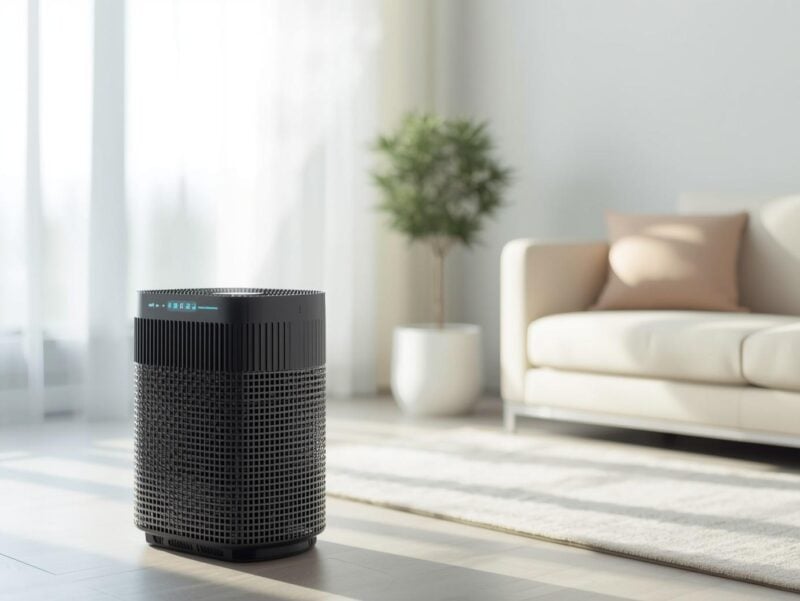
2. Invest in an Air Purifier
Air purifiers with HEPA filters capture airborne dust, pollen, and pet dander.
|
Room Size |
Recommended Air Purifier |
Coverage Area |
|---|---|---|
|
Small Bedroom |
Levoit Core 300 |
Up to 200 sq. ft. |
|
Living Room |
Dyson Purifier Cool |
Up to 400 sq. ft. |
|
Large Space |
Honeywell HPA300 |
Up to 465 sq. ft. |
I keep one in my bedroom, and I’ve noticed less dust on my nightstand.
3. Replace Carpets with Hard Flooring
Carpets trap dust deep within fibers. Hardwood, tile, or vinyl floors are easier to clean.
4. Seal Windows and Doors
Gaps around windows and doors let in outdoor dust. Weatherstripping helps keep it out.
5. Minimize Fabric Surfaces
Opt for leather or faux leather furniture instead of fabric upholstery.
|
Long-Term Solution |
Benefit |
Maintenance Level |
|---|---|---|
|
HEPA Air Purifier |
Reduces airborne dust. |
Low |
|
Hard Flooring |
Easier to clean. |
Medium |
|
Sealed Windows |
Prevents outdoor dust. |
Low |
|
Minimal Fabrics |
Less dust retention. |
Low |
Best Tools and Products for Dust Control
|
Tool/Product |
Purpose |
Why It Works |
|---|---|---|
|
Microfiber Cloths |
Dusting surfaces. |
Traps dust instead of spreading it. |
|
HEPA Vacuum |
Cleaning floors. |
Captures fine particles. |
|
Air Purifier |
Filtering air. |
Removes airborne dust. |
|
Lint Roller |
Quick cleanups. |
Great for furniture and lampshades. |
|
Electrostatic Duster |
Reaching high areas. |
Attracts dust with static charge. |
I always keep a microfiber cloth in each room it makes quick touch-ups easy.
Room-by-Room Dust Reduction Tips
Living Room
- Vacuum rugs and upholstery weekly.
- Wipe electronics with a microfiber cloth.
- Keep bookshelves organized and dust-free.
Bedroom
- Wash bedding weekly.
- Vacuum under the bed.
- Use hypoallergenic pillow covers.
Kitchen
- Wipe cabinets and appliances regularly.
- Clean refrigerator coils and vents.
- Keep pantry items sealed.
Bathroom
- Wipe surfaces daily.
- Wash bath mats weekly.
- Use an exhaust fan to reduce humidity (dust loves moisture).
Home Office
- Dust computer screens and keyboards.
- Keep cords organized to prevent buildup.
- Use an air purifier near electronics.
|
Room |
Main Dust Source |
Best Solution |
|---|---|---|
|
Living Room |
Upholstery & rugs |
Vacuum and air purifier |
|
Bedroom |
Bedding & carpets |
Wash and vacuum |
|
Kitchen |
Cabinets & vents |
Wipe and clean filters |
|
Bathroom |
Lint & moisture |
Wipe and ventilate |
|
Office |
Electronics |
Dust and organize cords |
Seasonal Dust Control
|
Season |
Dust Challenge |
Solution |
|---|---|---|
|
Spring |
Pollen and open windows. |
Use air purifiers and keep windows closed. |
|
Summer |
Humidity and pet shedding. |
Use dehumidifier and groom pets. |
|
Fall |
Heating system dust. |
Clean vents and replace filters. |
|
Winter |
Dry air and static. |
Use humidifier to reduce static dust. |
I always notice more dust in spring because of pollen, so I run my air purifier 24/7 during that season.
The Science Behind Dust
Dust particles are measured in microns (µm). The smaller the particle, the harder it is to capture.
|
Particle Type |
Size (µm) |
Source |
|---|---|---|
|
Pollen |
10–100 |
Outdoor air |
|
Dust Mite Waste |
10–40 |
Bedding and carpets |
|
Pet Dander |
2–10 |
Animals |
|
Smoke Particles |
0.01–1 |
Cooking or candles |
HEPA filters can trap particles as small as 0.3 microns, which is why they’re so effective.
My Personal Dust-Reduction Routine
Here’s what my weekly routine looks like:
|
Day |
Task |
Time Required |
|---|---|---|
|
Monday |
Vacuum living room and bedroom. |
30 minutes |
|
Tuesday |
Wipe surfaces and electronics. |
20 minutes |
|
Wednesday |
Wash bedding and curtains. |
1 hour |
|
Thursday |
Clean vents and fans. |
30 minutes |
|
Friday |
Mop floors and declutter. |
45 minutes |
|
Saturday |
Brush pets and clean air purifier. |
20 minutes |
|
Sunday |
Rest and enjoy a dust-free home. |
0 minutes |
It might sound like a lot, but once it becomes routine, it’s easy to maintain.
Dust and Allergies
Dust isn’t just annoying it can trigger allergies and asthma.
|
Allergen |
Found In |
Symptom Trigger |
|---|---|---|
|
Dust Mites |
Bedding, carpets |
Sneezing, itchy eyes |
|
Pet Dander |
Furniture, air |
Coughing, congestion |
|
Pollen |
Windows, vents |
Runny nose, fatigue |
If you or someone in your home has allergies, reducing dust can make a huge difference in comfort and health.
Eco-Friendly Dust Reduction
|
Method |
Eco Benefit |
|---|---|
|
Use Reusable Microfiber Cloths |
Reduces waste from paper towels. |
|
Choose Natural Cleaners |
Avoids harsh chemicals. |
|
Air-Dry Bedding Outdoors |
Saves energy. |
|
Use Plants as Air Purifiers |
Improves air quality naturally. |
I keep a few spider plants and peace lilies around they’re natural air purifiers and add a touch of green to my home.
FAQs
1. How often should I dust my home?
Ideally, dust surfaces once a week. High-traffic areas may need more frequent cleaning.
2. What’s the best cloth for dusting?
Microfiber cloths are the best because they trap dust instead of pushing it around.
3. Do air purifiers really help with dust?
Yes, especially those with HEPA filters. They capture airborne particles before they settle.
4. How can I reduce dust if I have pets?
Brush pets regularly, vacuum often, and use washable pet bedding.
5. Why does my home get dusty so fast?
It could be due to poor air filtration, open windows, or high humidity.
6. Should I use furniture polish?
Use it sparingly. Too much polish can attract more dust.
7. Can houseplants reduce dust?
Yes, some plants trap dust on their leaves and improve air quality.
Final Thoughts
Dust is inevitable, but it doesn’t have to take over your home. With consistent habits, the right tools, and a little effort, you can drastically reduce how much dust accumulates.
I’ve learned that it’s not about cleaning harder it’s about cleaning smarter.
Focusing on prevention, using HEPA filters, and keeping clutter to a minimum, my home feels fresher and my allergies are under control.
So, whether you’re tired of wiping the same surfaces every day or just want cleaner air, start small.
Replace your filters, grab a microfiber cloth, and make dust reduction part of your routine. Before long, you’ll notice the difference not just in how your home looks, but in how it feels.
Last modified: April 19, 2026
