

A north-facing garden can seem difficult at first. It may receive little direct sunlight, stay damp longer after rain, and feel cooler than the rest of the yard. But shade is not the same as emptiness. With the right plants, a low-light garden can become one of the most peaceful and layered areas around your home.
The best shade flowers for a north-facing garden are plants that tolerate indirect light, filtered light, or partial shade. Some offer bright blooms, while others contribute attractive leaves that keep the garden interesting between flowering periods. The goal is not to force sun-loving flowers into a dark space. Instead, build a planting scheme around plants that naturally enjoy cooler conditions.
Start by studying the shade
Before buying plants, observe the garden for a full day. Note where sunlight reaches the ground and how long it lasts. A north-facing area beside a house may have deep shade, while the outer edge of the same bed may receive morning or late-afternoon light.
Shade generally falls into three useful categories:
| Light condition | What it means | Suitable planting approach |
|---|---|---|
| Deep shade | Almost no direct sunlight | Focus on foliage, ferns, and highly shade-tolerant flowers |
| Partial shade | A few hours of direct or filtered light | Use flowering perennials and seasonal color |
| Dappled shade | Sun filtered through trees or branches | Mix flowering plants with textured foliage |
Also check the soil. Shade beside a wall may be dry because the roof blocks rainfall, while soil beneath trees may be dry because roots compete for moisture. A dark garden is not automatically a wet garden.
1. Hellebores
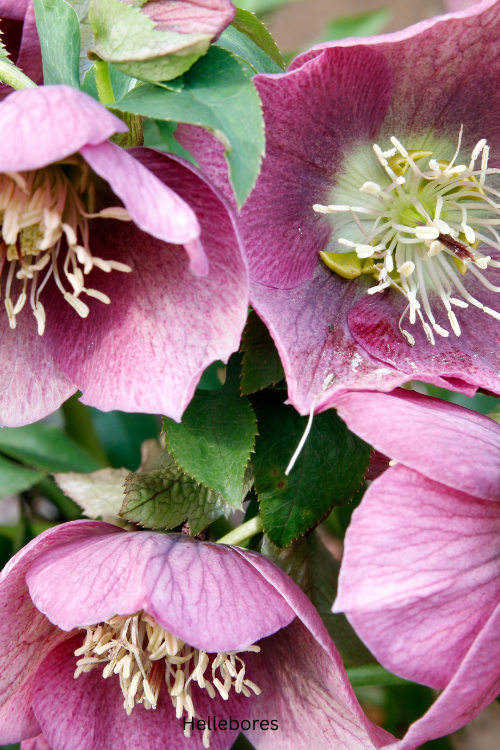
Hellebores are among the most dependable choices for a shaded garden. Their nodding flowers often appear in late winter or early spring, when many other plants are still dormant. Depending on the variety, blooms may be white, pink, purple, green, or spotted.
Plant hellebores in rich, well-drained soil. They prefer consistent moisture but dislike standing water. Their evergreen or semi-evergreen leaves provide structure after the flowers fade.
Use them near a path, where their downward-facing blooms can be viewed closely. They also work well beneath deciduous trees because they can flower before the tree canopy becomes dense.
2. Impatiens
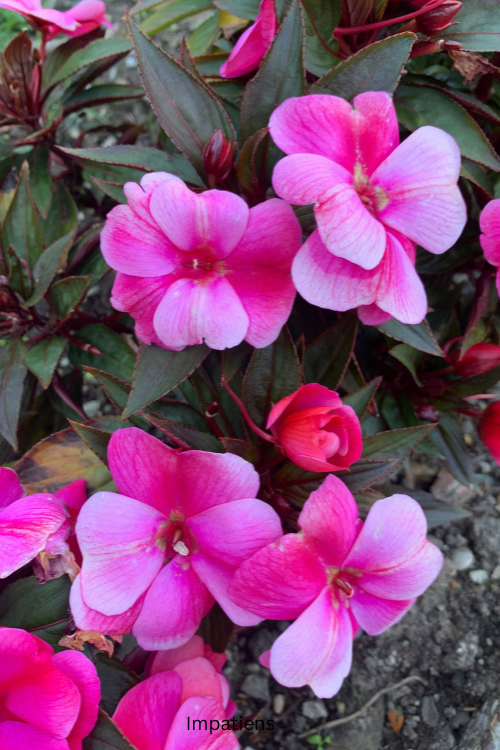
Impatiens are useful when you want immediate seasonal color. They are especially effective in containers, window boxes, and narrow beds where a mass of flowers creates more impact than a few scattered plants.
Traditional impatiens prefer shade or filtered light and come in many colors, including white, coral, pink, red, and violet. New Guinea impatiens usually tolerate brighter conditions but still appreciate protection from harsh afternoon sun.
Plant them in groups of one color for a calm, intentional look. White impatiens can also brighten a dark corner because pale flowers stand out strongly in low light.
3. Begonias
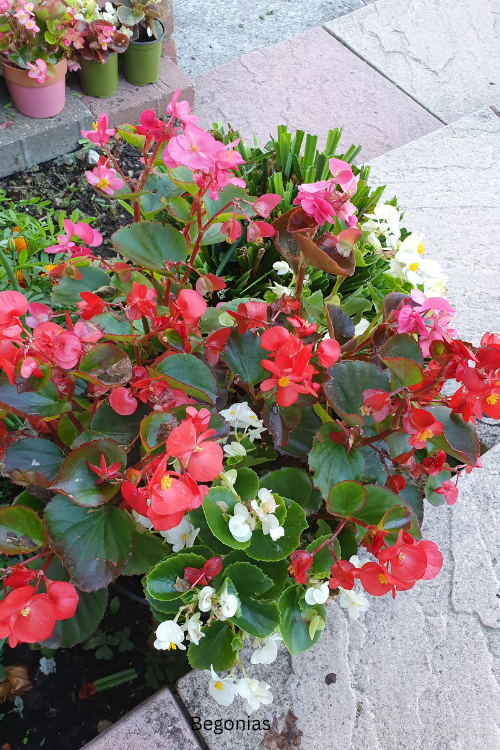
Begonias combine attractive flowers with interesting foliage. Wax begonias provide compact blooms, while tuberous begonias offer larger, more dramatic flowers in suitable conditions.
They are excellent choices for pots placed near a shaded entrance. Their roots should not sit in soggy soil, so use containers with drainage holes and avoid watering on a fixed schedule if the compost is still wet.
Begonias look especially good with fine-textured companions such as ferns or grasses. The contrast between broad leaves and delicate foliage makes a small planting feel fuller.
4. Astilbe
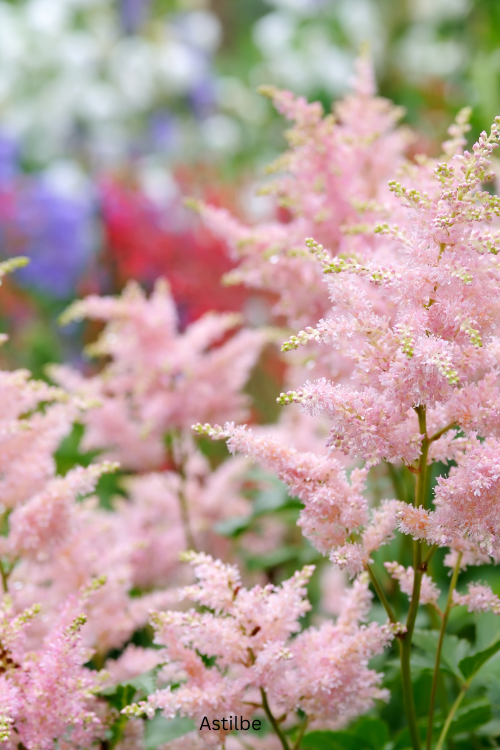
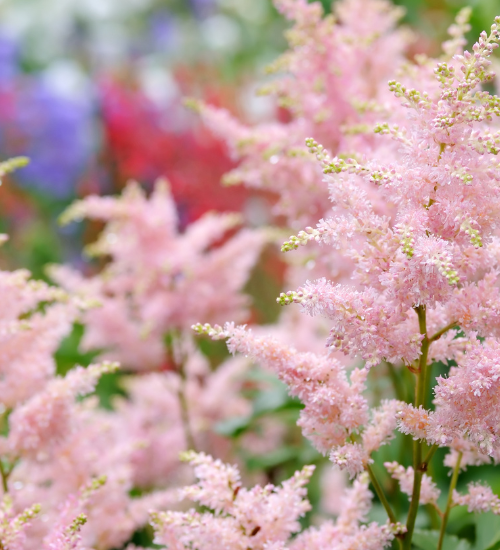
Astilbe produces feathery flower plumes in shades of white, pink, red, and lavender. It is a strong choice for moist, partially shaded borders and works beautifully beside paths, ponds, or downspouts where the soil stays evenly damp.
Its flowers rise above divided leaves, giving the garden vertical interest without requiring full sun. Cut the faded flower heads in late season or leave them in place for subtle texture.
Astilbe performs best when the soil is enriched with compost and protected from drying out. A layer of organic mulch can help maintain moisture around the roots.
5. Foxglove
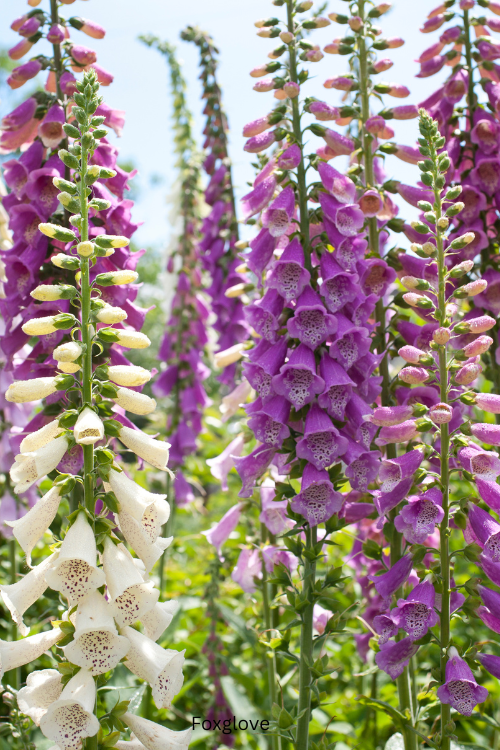
Foxgloves bring height and a natural cottage-garden feeling to shaded borders. Their tall stems are covered with bell-shaped flowers that may be pink, purple, cream, or white.
They are especially useful at the back of a bed, where their vertical shape creates depth. Shorter plants can fill the area around their base.
Foxgloves are often biennial or short-lived perennials, depending on the type. Allowing some seed heads to remain can help them return naturally. Plant them where they will not block windows or narrow walkways.
6. Lungwort
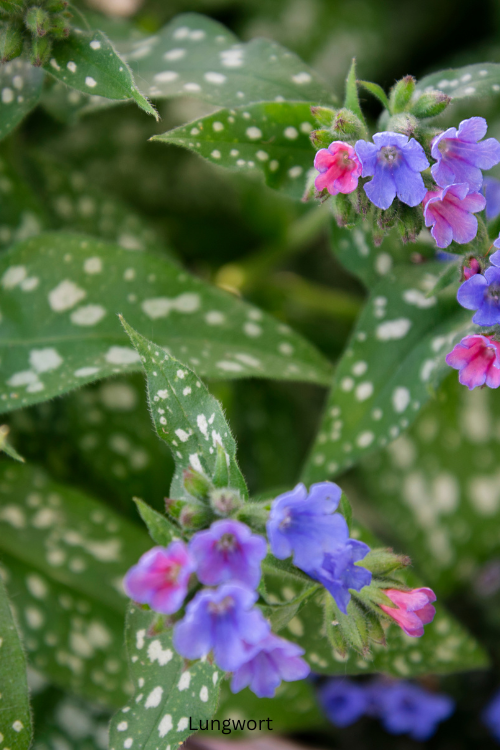
Lungwort is valued for both flowers and foliage. Its early blooms may appear in pink, blue, or purple, while the leaves often feature silver markings that brighten dark corners.
This makes lungwort one of the most useful shade flowers for a north-facing garden when you want interest beyond the flowering period. It works well along the front edge of a border or beneath shrubs.
Remove damaged leaves during the season to keep the plant tidy, particularly after hot or humid weather.
7. Primroses
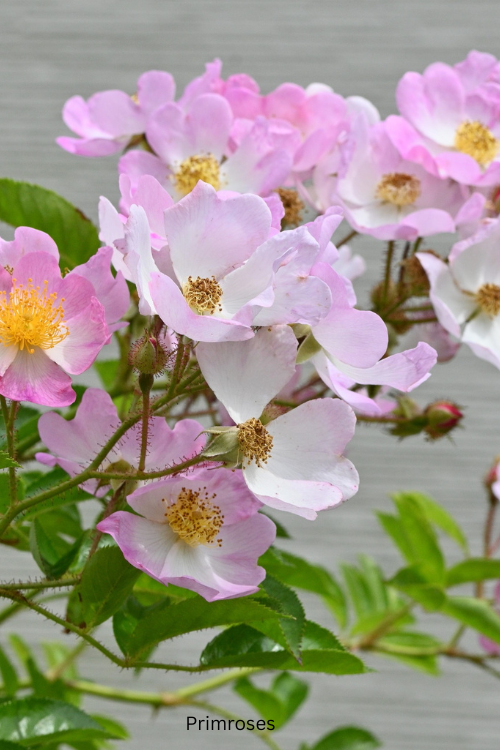
Primroses are compact, cheerful flowers for spring containers and border edges. Their bright colors are particularly effective in shaded locations where strong sunlight is absent.
Use them as temporary seasonal color beneath shrubs, around steps, or in small pots. When the display fades, transplant them into a suitable garden location or replace them with summer shade plants.
Primroses prefer moisture-retentive but well-drained soil. Mulch lightly, keeping the material away from the crown.
8. Bleeding heart
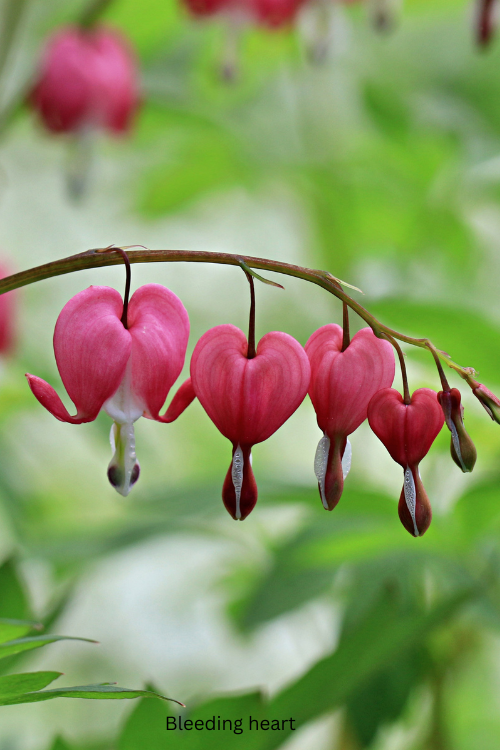
Bleeding heart has arching stems lined with heart-shaped flowers. It is a romantic choice for a woodland-style garden and pairs well with ferns, hostas, and spring bulbs.
The plant may go dormant during hot summer weather, so place it among later-emerging companions that can cover the empty space. Avoid planting it where summer irrigation is impossible.
Its graceful form is best appreciated from a nearby path or seating area rather than from a distance.
9. Columbine
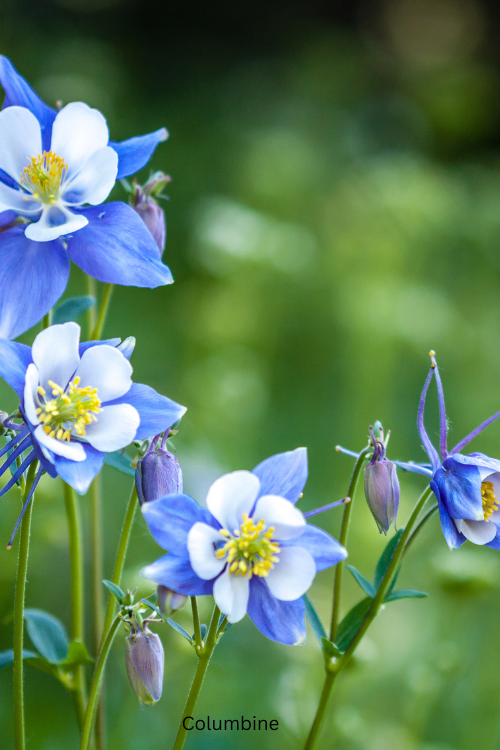
Columbine can tolerate partial shade and produces distinctive flowers on slender stems. The blooms are available in several color combinations and attract attention because of their unusual shape.
Plant columbine in groups of three or more rather than as isolated specimens. It looks natural between rocks, along woodland edges, or among low-growing foliage.
After flowering, remove some seed heads if you want to control spreading. Leave others if you enjoy a more informal garden.
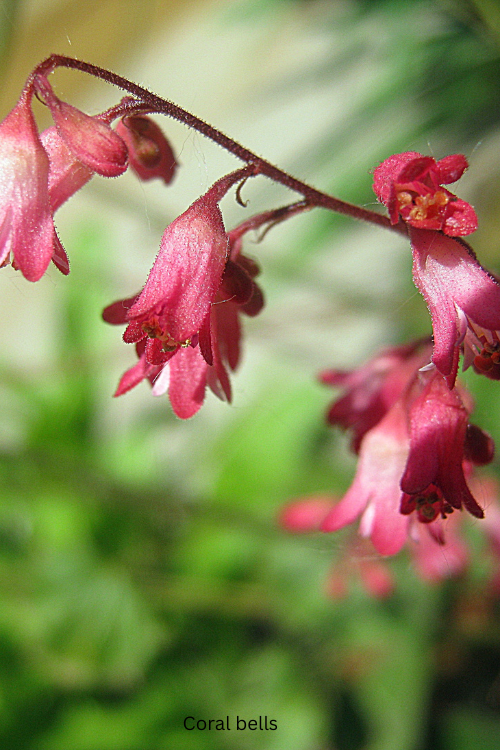
10. Coral bells
Shade Flowers for a North-Facing Garden
Coral bells are primarily foliage plants, but their delicate flower stems add seasonal interest. Leaf colors range from green and bronze to burgundy, silver, and caramel.
They are valuable in a north-facing bed because foliage can carry the design when blooms are scarce. Use them as a front-of-border plant or in containers.
Avoid burying the crown deeply. Coral bells prefer soil that drains well, even when the site receives little sun.
Design combinations that work
A shaded garden becomes more attractive when plants are layered by height and texture. Try one of these combinations:
- Woodland border: hellebore, lungwort, fern, and bleeding heart
- Moist cottage border: astilbe, foxglove, primrose, and coral bells
- Container display: begonia, impatiens, and trailing ivy
- Cool-toned bed: white hellebore, blue columbine, silver lungwort, and dark coral bells
- Small entry garden: compact begonias, ferns, coral bells, and a narrow evergreen shrub
Use pale flowers sparingly but intentionally. White, cream, soft yellow, and light pink blooms can appear brighter in shade than saturated colors.
Improve the soil before planting
Most shade plants appreciate soil rich in organic matter. Add compost before planting, but do not create a pocket of dramatically different soil inside heavy clay or sandy ground. Roots need to move gradually into the surrounding soil.
If the area is beneath trees, avoid cutting large roots. Work around them carefully and add a thin layer of compost or leaf mold on top instead.
Mulch helps retain moisture and moderates soil temperature. Keep mulch a few inches away from plant crowns and woody stems to reduce the risk of rot.
Water according to the site
New plants need regular attention while they establish roots. Water deeply enough to moisten the root zone, then allow the surface to dry slightly when appropriate for the plant.
Do not assume shade means plants require constant water. Areas beneath roof overhangs may be surprisingly dry. Conversely, compacted soil beside a foundation may stay wet and drain poorly.
Check the soil with your finger before watering containers. If the top layer still feels moist, wait and inspect again later.
Common mistakes to avoid
The biggest mistake is planting too closely. Shade plants may look small at the garden center but expand quickly in good soil. Leave room for mature width and airflow.
Another mistake is using only one kind of leaf. A garden filled entirely with broad leaves can feel flat. Combine round, narrow, divided, glossy, and finely textured foliage.
Finally, avoid expecting nonstop flowers in deep shade. The best low-light gardens rely on a rhythm of blooms, foliage, stems, seed heads, and texture.
Final thoughts
A north-facing garden can be colorful, practical, and full of character. Choose plants according to the actual light and soil, then combine flowering plants with foliage that performs for a longer season. With the right mix of hellebores, impatiens, begonias, astilbe, foxglove, coral bells, and other reliable choices, shade flowers for a north-facing garden can create a calm display that feels intentional rather than difficult.
Last modified: October 7, 2026
