

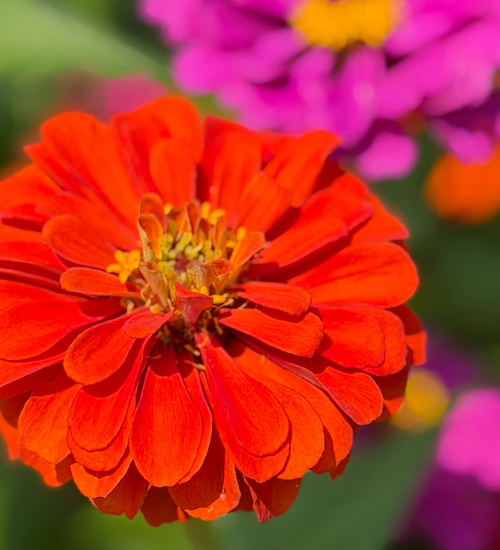
Zinnias can look vigorous through summer, then develop a white, dusty coating on their leaves as the weather changes. That coating may be powdery mildew, a fungal disease that can reduce leaf health and, in severe cases, weaken the display. Seeing it does not mean you have failed as a gardener: some zinnia varieties are more susceptible than others, and conditions around the plant make a difference.
The most useful plan is preventive. This guide explains how to prevent powdery mildew on zinnias, what the disease looks like, and what to do when you spot it. The goal is not to promise perfectly spotless leaves; it is to help plants keep growing and flowering as well as conditions allow.
How to recognize powdery mildew
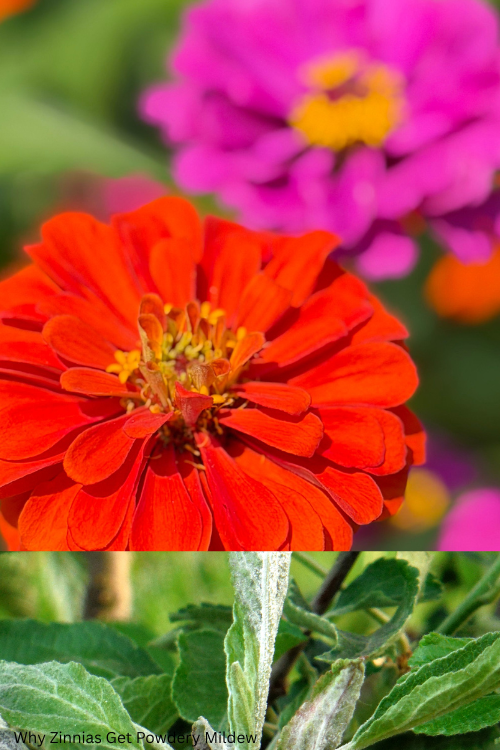
Powdery mildew often appears as white or gray powder-like patches on the upper or lower surfaces of leaves. It can also affect stems and buds. Infected leaves may yellow or fall, and young leaves can become distorted. Zinnia is among the flowering plants that can be affected. Powdery mildew in the flower garden
Check the overall pattern before treating. A white mark that wipes away like dust may be residue, while powdery mildew tends to form patches that expand or reappear. If you are uncertain, compare several leaves and inspect the plant over a few days. Avoid spraying an unidentified problem with several products at once; that can damage foliage without addressing the cause.
Why zinnias are vulnerable
Powdery mildew is caused by related fungi, and different kinds tend to infect particular hosts. Spores can travel on air currents, so a well-kept garden is not completely sealed off from infection. The disease can be more severe where plants are shaded or air movement is poor. Unlike some other leaf diseases, powdery mildew fungi do not always need water on the leaf surface to infect a plant. Powdery mildew in the flower garden
That last point is important: simply avoiding overhead watering may not prevent mildew by itself. Good spacing, suitable light, and choosing less susceptible varieties are more dependable parts of a prevention plan. Watering at the base can still help reduce soil splash and is a practical way to keep the bed tidy.
Choose varieties with resistance in mind
If powdery mildew has been a recurring problem, look at variety information before buying seed or plants. Illinois Extension identifies the Zahara and Profusion series as having resistance to leaf spot and mildew, and notes that narrowleaf zinnia can be another option for beds and containers. Resistance reduces risk; it does not mean a plant can never become infected. Prevent, protect zinnias from powdery mildew
Seed packets and plant labels may use terms such as “resistant” or “less susceptible.” Treat those as useful selection clues, not guarantees. When a variety has performed well in your own garden, record its name so you can choose it again.
Give plants room and enough light
Crowded foliage traps humid air and makes it harder for leaves to dry and receive light. Follow the spacing on the packet or label, allowing for the mature size of the variety rather than the size of a small seedling. If you sowed too thickly, thin seedlings while they are young instead of waiting until the bed is a solid mass.
Do not move or prune plants aggressively in the middle of a disease outbreak. Instead, remove only badly affected foliage when it is practical, and avoid taking so much greenery that the plant is left struggling. If a mature planting is already crowded, take note and give the next sowing more space. Placing zinnias where they receive the light suitable for their variety and where air can move around the stems helps lower the risk of a dense, damp canopy.
Mulch can suppress weeds and help the soil hold moisture, but it should not be piled against stems.
Water carefully and inspect regularly
Water the soil near the base of the plants when they need it, rather than repeatedly wetting the bed at the end of the day. A soaker hose or drip line can make this easier, especially in larger plantings. The point is not that wet leaves automatically cause powdery mildew; rather, base watering can reduce splashing and keep routine watering focused on the root zone.
Inspect plants as you water. Look at the lower leaves as well as the newest growth, and check the undersides if you see pale marks on top. Catching a small patch early makes it easier to remove a few affected leaves and assess whether the disease is spreading. Avoid handling healthy plants immediately after touching diseased foliage unless you have washed your hands or cleaned the tool.
What to do when you find mildew
First, decide how severe the problem is. A few patches late in the season may not justify a major intervention if the plant is still growing and flowering.
If symptoms are spreading, remove heavily affected leaves or plants when practical. Put infected material in household waste rather than adding it to a home compost pile. At the end of the season, clear away infected plant debris; Illinois Extension recommends sanitation because the fungus can persist in plant material or dormant buds. Prevent, protect zinnias from powdery mildew
If you decide a fungicide is appropriate, choose a product labeled for the plant and disease, follow every label direction, and check whether it can be used around the people, pets, and beneficial insects in your garden. A product’s availability and permitted uses vary, so do not substitute an unapproved home mixture or assume that “natural” means harmless. Treating a plant after infection may slow further spread, but it will not make existing white patches disappear.
End-of-season cleanup matters
When flowering slows or frost ends the display, remove diseased stems and fallen leaves from the bed. Clean tools after cutting infected plants, especially before using them on healthy plants.
If mildew appeared in the same crowded area year after year, plan a change for next season: choose a less susceptible variety, thin more decisively, or place the plants where they receive better light and airflow. Keep a short note about the variety, planting density, and approximate time symptoms appeared. That makes next year’s adjustments more useful than guesswork.
Common questions
Does powdery mildew mean the zinnias are dying?
Not necessarily. It can be mostly cosmetic, but severe disease may lead to leaf loss and reduced flowering. Watch the plant’s growth rather than judging only by the white coating.
Will watering the leaves cause powdery mildew?
Not by itself. Powdery mildew fungi do not always need leaf-surface moisture to infect, although watering at the base can reduce soil splash and is a practical routine.
Should I remove every spotted leaf?
Not always. Remove heavily affected material if doing so will not strip most of the plant’s foliage. If infection is light and growth remains healthy, monitor and improve conditions around the plant.
A few white leaves do not have to end the zinnia season. Focus on resistant varieties, sensible spacing, inspection, and cleanup. Those steps make the garden less favorable to mildew and give your next crop a better start.
Last modified: October 20, 2026
