

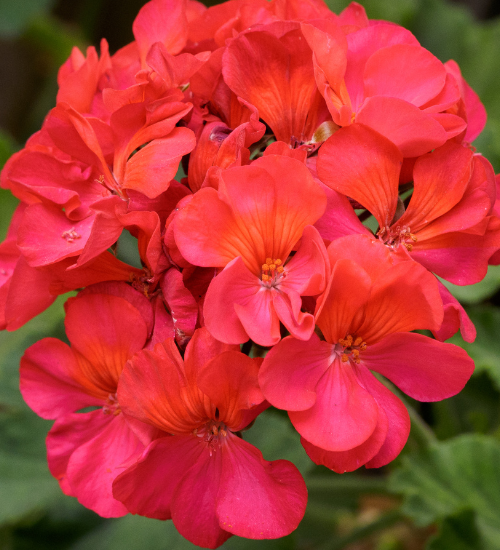
When frost is on the way, a favorite geranium does not have to be an automatic loss. Many bedding geraniums can be carried through winter indoors, either as growing plants, as rooted cuttings, or in dormant storage. The best method depends on how much room you have, what conditions you can provide, and how much attention you want to give the plant.
A quick name check first: the colorful bedding plants commonly called geraniums are usually Pelargonium, not the hardy garden cranesbills botanically called Geranium. This guide is for tender Pelargonium grown in pots or summer beds.
If you are deciding how to overwinter geraniums indoors, start before the first frost and inspect your plants carefully. Then choose one of the three approaches below.
Before bringing a geranium inside
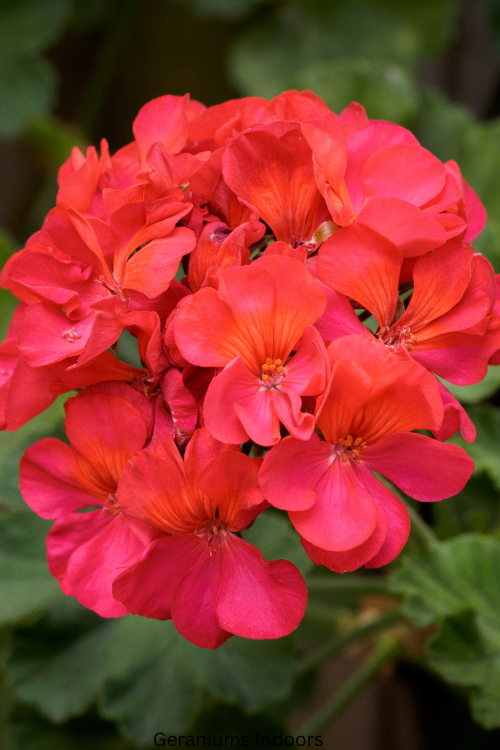
Do not wait for a hard freeze. Move container plants indoors and dig up in-ground plants while there is still time to pot them and settle them into a protected space. Before they come near houseplants, inspect stems and the undersides of leaves for insects, spots, discoloration, rot, or other signs of disease. Illinois Extension advises against overwintering plants that are diseased or infested, since problems can spread indoors. How to overwinter geraniums for next year’s garden
Remove dead or badly damaged leaves. If the plant came from the garden bed, gently lift it and pot it in a container with drainage holes using a suitable potting mix. Keep it separate from other indoor plants for a short observation period if you can. That gives you a chance to notice hitchhiking pests before they spread.
Choose the method that fits your home
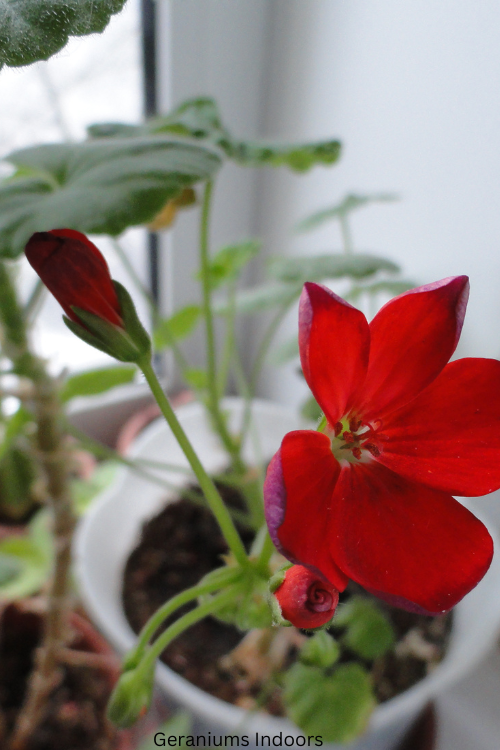
How to Overwinter Geraniums Indoors
| Method | Best for | What it needs |
|---|---|---|
| Keep it growing in a pot | A healthy plant and a bright indoor spot | Light, a cool room, and careful watering |
| Take stem cuttings | Limited space or several plants to save | A rooting medium, bright indirect light, and patience |
| Store bare-root and dormant | Little room for pots and a cool, dry storage area | A frost-free location and occasional checks |
These are alternatives, not steps that every gardener must follow. If you are unsure, keep one plant as a potted specimen and take a few cuttings as backup.
Method 1: Keep the geranium growing in a pot
This is the simplest approach when you already have room near a bright window. For a plant growing in the ground, pot it before frost. Trim it back enough to fit your space and remove unhealthy foliage.
Place the plant where it receives strong natural light, or use suitable supplemental lighting if the available window is dim. Aim for a cooler indoor spot rather than a warm area beside a heat vent.
Check the pot every few days at first to learn how quickly it dries in your home. Water when the surface of the mix is dry, and let excess drain away. Do not keep the soil continuously wet: low winter light and slower growth mean the plant may use water more slowly than it did outdoors.
Some leaf loss or lanky growth can happen as conditions change. Remove dead leaves, turn the pot if growth leans toward the window, and pinch back overly long shoots above a leaf node. If the plant grows strongly, take cuttings later as insurance.
Method 2: Save geraniums as stem cuttings
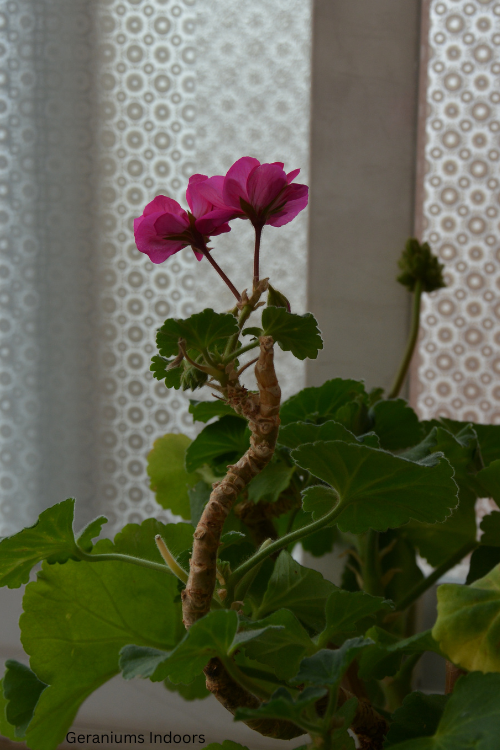
Cuttings make sense when a full-size plant would take up too much space. They also let you keep several copies of a favorite without storing a large container.
Choose healthy, nonflowering shoot tips. With a clean, sharp knife or pruners, take cuttings about 3 to 4 inches long. Remove the lower leaves so the part that will sit in the rooting medium is clear. Iowa State Extension recommends tip cuttings of this length and rooting them in vermiculite or a perlite-based medium. How can I over-winter my geraniums indoors? | Yard and Garden
Place each cutting in a small container with drainage holes, using a clean, airy rooting medium that is damp but not waterlogged. Set it in bright light out of harsh direct sun. Keep the medium lightly moist and check that the container does not sit in collected water. A clear cover can help reduce wilting, but it should not press against the leaves; air the setup if moisture is constantly condensing inside.
Be patient and resist tugging on the cutting to check for roots. Iowa State Extension gives a typical rooting window of about six to eight weeks, though results vary with the cutting and conditions. Once a cutting has a healthy root system and begins growing, pot it up individually and continue giving it bright light.
If a cutting turns black at the base, smells sour, or collapses, it may have rotted. Remove it, check that the medium drains freely, and avoid keeping the remaining cuttings saturated. If leaves wilt, check whether the medium has dried out and whether the cutting is receiving too much direct sun.
Method 3: Store the plant dormant
Bare-root storage is useful if you have a cool, dry, frost-free place and little room for growing pots. Dig the plant before frost, remove loose soil from the roots, and place it in a large paper bag. Iowa State Extension describes storage at about 45–55°F in a cool, dry location. How can I over-winter my geraniums indoors? | Yard and Garden
Check stored plants occasionally. The goal is to keep them dormant, not to coax soft new growth in a dark cupboard. Some leaves and shoot tips may dry up during storage. If the plant becomes shriveled all over or develops soft, rotting areas, the storage conditions may be too dry or too damp; adjust the location and remove obviously dead material.
In late winter or early spring, take the plant out of storage. Trim back to firm, live tissue, pot it in fresh mix, water thoroughly once, and put it in bright light. As new growth appears, resume moderate watering. Avoid moving a tender plant outdoors until frost risk has passed and it has been acclimated.
Troubleshooting winter care
The plant is getting leggy. Low light and warm rooms can encourage weak, stretched growth. Move it to a brighter location, add supplemental light if needed, and pinch long stems above a leaf node. How to overwinter geraniums for next year’s garden
Leaves are yellowing. Check the soil before adding water. If the mix is persistently wet, let it dry somewhat and confirm that the pot drains. Remove fallen leaves so they do not sit against the soil.
A whitefly or other pest appears. Separate the affected plant from others and identify the pest before choosing a treatment. Inspect nearby plants too. Early quarantine is easier than dealing with a spreading indoor infestation.
Cuttings wilt. Check that the rooting medium remains lightly moist and that the cuttings are not in direct sun. A cover may reduce water loss, but stagnant, saturated conditions can create other problems.
Bringing geraniums back outdoors
When frost danger has passed in your area, do not move the plant from a warm room straight into full outdoor exposure. Gradually introduce it to outdoor conditions over several days, beginning in a sheltered, shaded spot and increasing exposure in small steps. This reduces the shock of a sudden change in light and temperature.
Trim damaged growth and resume regular outdoor care once the plant has adjusted. If it is growing actively, water when the potting mix begins to dry and avoid leaving the container standing in water.
There is no single best way to save every geranium. A potted plant suits a bright windowsill, cuttings conserve space, and dormant storage suits a cool spare area. Start before frost, choose healthy material, and match winter watering to the plant’s slower growth.
Last modified: October 20, 2026
