

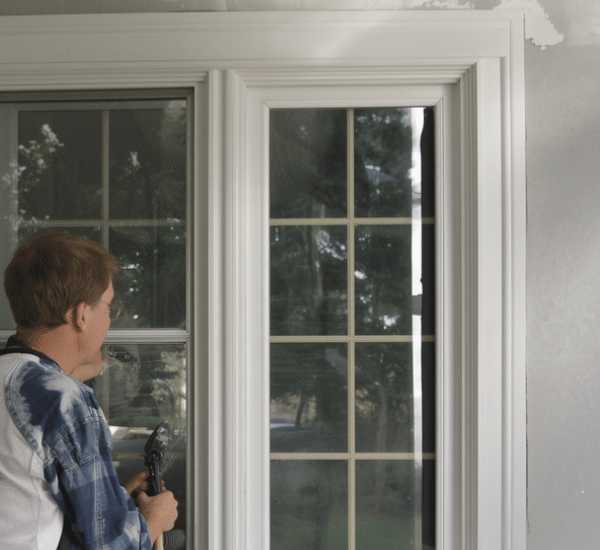
Cold air around a window can make an otherwise comfortable room feel chilly, raise heating costs, and create annoying cold spots near desks, beds, and sofas. The good news is that a drafty window does not always need to be replaced. In many cases, the problem comes from worn weatherstripping, cracked caulk, gaps around the frame, or a poorly sealed sash.
If you are wondering how to stop cold air from drafty windows without replacing them, start with a careful inspection rather than immediately buying expensive replacement windows. A few inexpensive repairs can make a noticeable difference, especially when the window itself is still structurally sound.
Find Out Where the Draft Is Coming From
How to Stop Cold Air From Drafty Windows Without Replacing Them
Before buying materials, identify the exact source of the air leak. On a windy or cold day, slowly move your hand around the window frame, sash, and trim. You can also hold a thin strip of tissue paper near the edges and watch for movement.
Check these areas:
- Around the movable window sash
- Between the sash and the frame
- Along the interior trim
- Where the frame meets the wall
- Around locks and operating handles
- At the bottom rail of the window
- Around exterior trim and siding
Do not assume every cold feeling is an air leak. Glass naturally feels colder than an insulated wall, even when the window is sealed. A true draft usually feels like moving air rather than simply a cold surface.
Check Whether the Window Closes Tightly
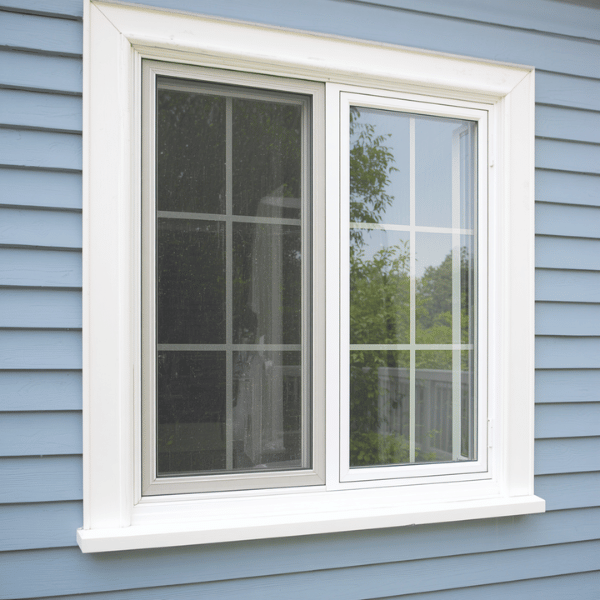
A window that does not fully close cannot seal properly. Look for dirt, paint buildup, bent hardware, or an obstruction in the track.
Clean the track with a vacuum and a stiff brush. Wipe away grime with a damp cloth, then allow the area to dry completely. If the window is painted shut, avoid forcing it aggressively. You may damage the frame or glass. Instead, carefully score the paint line with a utility knife and work gradually.
Inspect the latch as well. If the latch does not pull the sash tightly against the frame, the window may remain slightly open even when it appears closed. A replacement latch or small hardware adjustment may solve the problem.
For sliding windows, make sure the sash sits correctly in its track. For double-hung windows, check that both sashes meet evenly in the center.
Replace Worn Weatherstripping
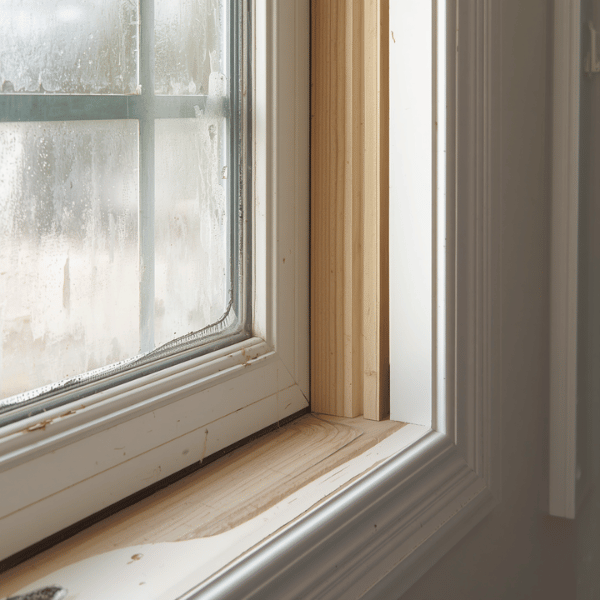
Weatherstripping is one of the most effective answers to how to stop cold air from drafty windows without replacing them. It creates a flexible seal between moving parts of the window.
Common types include:
- Adhesive-backed foam tape
- V-strip or tension seal
- Felt weatherstripping
- Rubber or silicone gasket material
- Compression seals designed for specific window styles
Foam tape is inexpensive and easy to install, but it may not last as long as rubber or silicone products. It works best on clean, flat surfaces where the window still closes with enough room for the added thickness.
To install it:
- Open the window and clean the contact surface.
- Remove dust, grease, and loose paint.
- Measure each side separately.
- Cut the weatherstripping to length.
- Apply it without stretching the material.
- Close the window gently to test the fit.
Avoid placing thick foam where it prevents the latch from closing. A seal that is too bulky can warp the sash or create a new gap elsewhere.
Seal Cracks With Interior Caulk
If the draft comes from a stationary gap around the frame, caulk is usually the right repair. Look closely at the joint between the window frame and the interior wall trim. Small cracks often appear as the house settles or as old caulk dries out.
Use a paintable acrylic-latex caulk for most interior gaps. If the area is exposed to moisture, a higher-quality siliconized acrylic may be more suitable.
The process is simple:
- Remove loose or cracked old caulk.
- Clean the joint and let it dry.
- Apply a narrow, continuous bead.
- Smooth it with a damp finger or caulk tool.
- Wipe away excess before it cures.
- Allow the caulk to dry according to the label.
Do not caulk the movable parts of the window. Sealing the sash shut will prevent normal operation and make future maintenance difficult.
Use Removable Window Insulation Film
Window insulation film creates an additional air space between the glass and the room. It is especially useful for older single-pane windows or windows that feel cold even after the frame has been sealed.
Most interior window film kits attach to the surrounding trim with double-sided tape. After the film is installed, gentle heat from a hair dryer tightens the material and removes wrinkles.
For best results:
- Clean and dry the trim first.
- Measure before cutting.
- Leave enough film to attach securely around all edges.
- Keep the film away from open flames and high heat.
- Remove it carefully in spring if the kit is intended for seasonal use.
Film will not repair a broken seal between panes of insulated glass, but it can reduce the feeling of cold coming from the window surface.
Add Insulating Curtains or Cellular Shades
Window treatments can reduce cold air movement near the glass and make a room feel warmer. Cellular shades are designed with internal pockets that trap air. Thick lined curtains can also help, especially when they extend beyond the window on all sides.
For better performance, choose curtains that:
- Reach close to the floor or windowsill
- Extend several inches beyond each side
- Fit closely against the wall when closed
- Remain open during sunny daytime hours when sunlight can warm the room
Do not block heating vents with long curtains. A curtain covering a radiator or register can interfere with heat distribution and create a safety concern.
Curtains are not a substitute for repairing a major gap, but they work well as a second layer after weatherstripping and caulking.
Insulate Around the Window Frame
Sometimes the draft is not coming through the window at all. It may be entering through the rough opening around the frame. This is more common in older homes and during remodeling work where the space around the window was not sealed properly.
Remove a small section of interior trim only if you are comfortable doing so and can work carefully. Look for visible gaps between the frame and wall opening.
For small gaps, low-expansion window-and-door foam may be appropriate. Use only products labeled for windows and doors. Standard expanding foam can push against the frame and prevent the window from opening or closing.
If you find extensive deterioration, water damage, or missing insulation, the repair may require more than a simple weekend fix.
Inspect the Exterior Caulk
Exterior gaps can allow wind and moisture to reach the window assembly. Inspect the joint where the outside frame meets the siding, brick, or stucco.
Look for:
- Cracked or missing caulk
- Soft or rotten wood
- Dark stains
- Peeling paint
- Gaps beneath the sill
- Damaged flashing
Small exterior gaps can often be sealed with an exterior-rated caulk. However, do not cover drainage holes at the bottom of the window frame. These openings allow condensation and rainwater to escape.
If wood is soft or crumbling, sealing over it may hide a larger moisture problem. Repair or replace damaged material before applying new caulk.
Quick Comparison of Draft-Proofing Options
| Solution | Best for | Cost level | Difficulty |
|---|---|---|---|
| Cleaning and latch adjustment | Windows that do not close tightly | Low | Easy |
| Foam weatherstripping | Gaps around moving sashes | Low | Easy |
| Interior caulk | Cracks around stationary trim | Low | Easy |
| Window insulation film | Cold glass and older windows | Low | Easy |
| Cellular shades | Reducing heat loss at the glass | Medium | Easy |
| Low-expansion foam | Gaps around the rough opening | Medium | Moderate |
| Exterior caulk repair | Gaps exposed to wind and rain | Low | Moderate |
When Window Replacement May Be Necessary
These methods can improve comfort, but they cannot solve every window problem. Replacement or professional repair may be appropriate when:
- The frame is rotten or structurally damaged
- Glass is cracked
- The window will not stay open safely
- Condensation appears between insulated glass panes
- The sash is severely warped
- Water enters during rain
- The window cannot be locked securely
- Large gaps remain after sealing
A failed insulated-glass seal may cause fogging between panes. That is different from ordinary surface condensation and usually requires glass-unit repair or replacement.
A Practical One-Day Plan
If you want to tackle the problem efficiently, use this order:
- Inspect every edge of the window.
- Clean the track and frame.
- Adjust or repair the latch.
- Replace worn weatherstripping.
- Caulk stationary cracks.
- Add insulation film if the glass remains very cold.
- Install insulating curtains or shades.
- Recheck the window on a windy day.
The most important lesson in how to stop cold air from drafty windows without replacing them is to match the repair to the leak. Weatherstripping belongs on moving parts, caulk belongs on stationary joints, and insulation film or curtains help with cold glass. Used together, these simple improvements can make an older window noticeably more comfortable without the cost and disruption of a full replacement.
Last modified: October 5, 2026
