

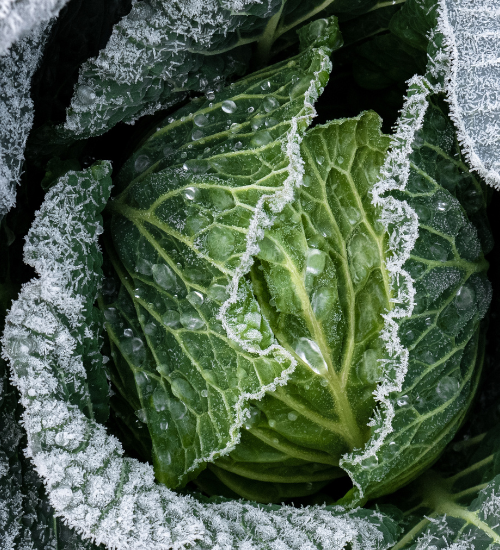
A light frost does not have to end your vegetable garden. Many cool-season crops, including kale, spinach, carrots, beets, lettuce, and some root vegetables, can tolerate chilly weather and may even develop better flavor after a few cold nights.
The key is knowing which plants need protection, when to cover them, and how to keep frost barriers from causing more harm than good.
Frost protection is especially useful in October, when daytime temperatures may still be mild but nighttime temperatures can suddenly drop.
Gardeners should also remember that frost dates vary by location, elevation, and weather conditions. Use your local forecast and average first-frost date as a guide rather than relying on the calendar alone.
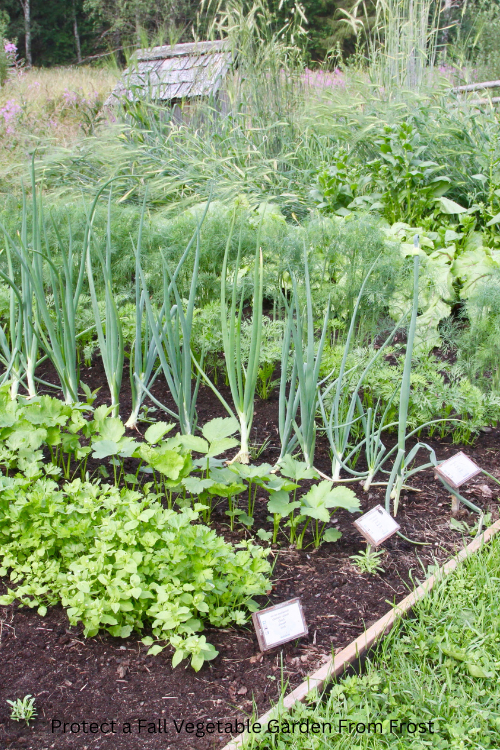
1. Know the Difference Between Frost and a Freeze
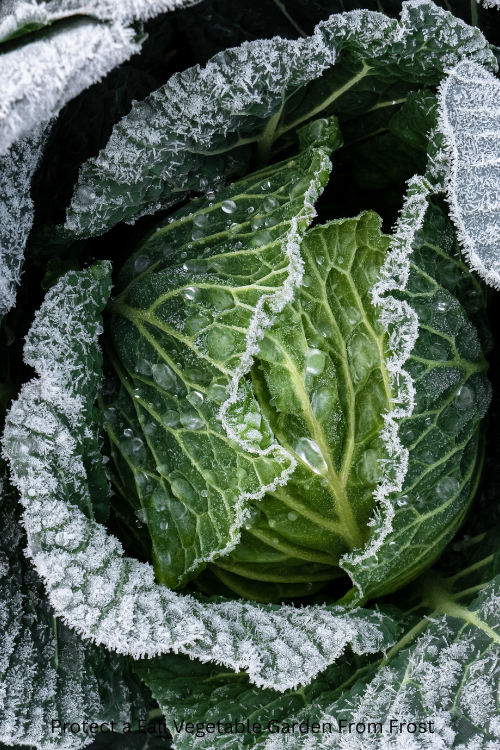
Frost occurs when temperatures near the ground drop to around 32°F, allowing ice crystals to form on exposed surfaces. A freeze is more severe and usually causes greater plant damage.
A light frost may only injure tender leaves. A hard freeze can damage stems, roots, fruits, and the entire plant. Wind, humidity, cloud cover, and the length of time temperatures remain below freezing all affect the final result.
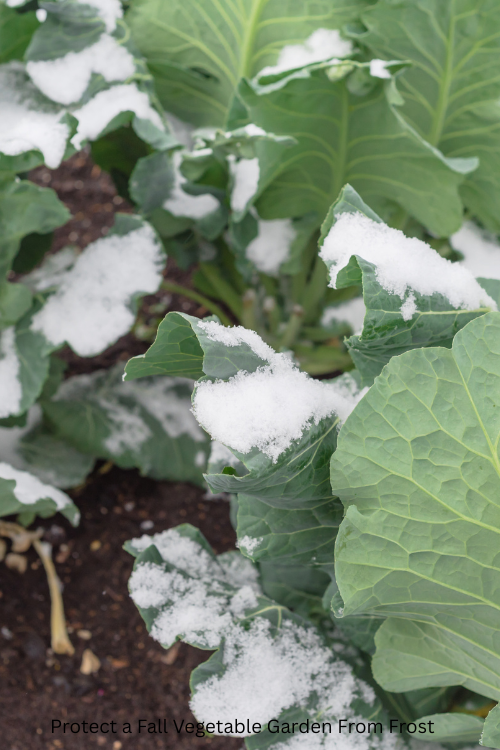
How to Protect a Fall Vegetable Garden From Frost
Before protecting your garden, check the forecast for:
- The expected low temperature
- How many hours temperatures may remain below freezing
- Wind speed
- Whether the sky will be clear
- The expected temperature the following morning
A short, calm dip to 30°F requires less protection than several hours below 25°F with strong wind.
2. Identify Which Vegetables Need Protection
Not every fall crop needs to be covered. Cool-season vegetables are generally more tolerant of low temperatures than warm-season plants.
Vegetables that often tolerate light frost include:
- Kale
- Spinach
- Mâche
- Parsley
- Carrots
- Beets
- Turnips
- Radishes
- Broccoli
- Cabbage
- Brussels sprouts
- Mature Swiss chard
More sensitive crops include:
- Tomatoes
- Peppers
- Cucumbers
- Summer squash
- Basil
- Beans
- Eggplant
- Young seedlings of almost any variety
Some root crops can remain in the ground during cool weather if the soil is protected with mulch. However, leafy tops may still need covering during a sharp temperature drop.
3. Water the Soil Before a Frost
Moist soil holds more heat than dry soil. Watering the garden the day before a predicted frost can help moderate temperatures around plant roots.
Water early enough for excess moisture to drain away before evening. Avoid soaking the foliage shortly before temperatures fall because wet leaves can freeze more quickly and may become damaged.
Deeply water the root zone rather than sprinkling the entire plant. Containers dry out faster than garden beds, so check potted vegetables carefully before a cold night.
Do not water waterlogged soil. Poor drainage can create root problems that are more damaging than a single frost.
4. Add Mulch Around the Root Zone
Mulch protects the soil from rapid temperature changes. It also helps retain moisture and prevents exposed roots from freezing and thawing repeatedly.
Useful materials include:
- Straw
- Shredded leaves
- Pine straw
- Compost
- Aged wood chips
- Plain newspaper covered with leaves
Apply approximately 2 to 4 inches of loose mulch around plants. Keep it slightly away from the main stem to reduce the chance of rot and pest problems.
For carrots, beets, and parsnips, a thicker layer of straw or leaves can make it easier to harvest after cold weather arrives. In areas with mild winters, gardeners may be able to leave some roots in the ground for several additional weeks.
5. Cover Plants With Frost Cloth
Frost cloth is one of the easiest and most reliable ways to protect a fall vegetable garden. It allows light and air to pass through while reducing heat loss during the night.
Choose a cover designed for gardening rather than using a heavy plastic sheet directly on the plants. Frost cloth comes in different weights, so select a heavier version when temperatures are expected to fall well below freezing.
Place the cover over hoops, stakes, or a simple frame whenever possible. This keeps the material from pressing against leaves and provides an insulating air space.
Secure the edges with:
- Landscape pins
- Bricks
- Boards
- Clips
- Soil placed along the edges
The cover should reach the ground on every side. Heat escapes through openings, so a loose corner can reduce the effectiveness of the entire setup.
6. Use Blankets for Severe Cold
Old blankets, sheets, towels, and quilts can provide short-term protection during a hard frost. They are particularly helpful for individual plants or small raised beds.
Do not allow heavy blankets to rest directly on delicate plants. The weight can break stems and flatten leaves. Use garden hoops, tomato cages, or stakes to support the material.
Avoid using thick blankets when rain or snow is expected unless the support structure is strong enough to handle the additional weight.
Remove heavy coverings in the morning after temperatures rise above freezing. Leaving them in place all day can trap too much heat, limit light, and increase humidity around the foliage.
7. Be Careful With Plastic
Plastic can protect plants from wind and moisture, but it is not a good insulator when placed directly on leaves. Contact between plastic and foliage can transmit cold and cause freeze injury.
If you use plastic, place it over hoops or a frame. Make sure it does not touch the plants. Frost cloth, fabric, or a combination of fabric and plastic is usually safer.
Plastic coverings should also be removed or vented once the sun warms the garden. Temperatures under clear plastic can rise quickly, even on a cold day.
8. Move Container Plants to a Sheltered Location
Container-grown vegetables are more vulnerable to cold than plants in the ground because their roots are surrounded by a smaller volume of soil.
Before a frost, move containers:
- Against a south-facing wall
- Beneath a covered porch
- Inside an unheated garage
- Into a greenhouse
- Behind a windbreak
Do not place plants in a heated room unless they are suitable for indoor growing. Sudden changes in light, temperature, and humidity can create additional stress.
Group containers together and cover them with frost cloth if temperatures are expected to drop sharply. Make sure containers still have adequate drainage.
9. Protect Young Seedlings First
Young plants have small root systems and tender foliage, making them especially vulnerable to cold. Even vegetables that eventually tolerate frost may need protection while they are small.
Use low hoops, overturned baskets, nursery pots, or breathable fabric to create a temporary shelter. Remove anything that blocks sunlight once the morning warms.
If seedlings are growing in trays, move them to a protected location before sunset. Check for slugs and excess moisture before returning them outdoors.
10. Extend Protection With a Low Tunnel
A low tunnel creates a simple protected growing space over a row of vegetables. It can be made with flexible hoops and frost cloth, garden fabric, or plastic sheeting.
Low tunnels work well for:
- Lettuce
- Spinach
- Arugula
- Asian greens
- Small cabbage plants
- Late-season herbs
- Young root crops
Install the hoops before the weather turns cold so the structure is ready when needed. Anchor both the covering and the hoops securely, especially in windy areas.
Open the ends during warm afternoons to improve airflow. This reduces condensation and helps prevent fungal disease.
11. Harvest Tender Crops Before the Frost
Some vegetables are not worth trying to protect once a hard freeze is forecast. Harvest mature tomatoes, peppers, eggplant, beans, cucumbers, and summer squash before temperatures fall below freezing.
Green tomatoes can finish ripening indoors. Place them in a single layer in a cool, dry location and check them regularly.
Peppers and eggplant are best harvested while they are still firm. Beans, cucumbers, and summer squash should be picked before frost because cold damage quickly affects their texture.
Remove diseased plants from the garden, but avoid adding infected material to home compost unless the pile reaches and maintains a temperature capable of destroying pathogens.
12. Inspect the Garden After Frost
Do not immediately remove every plant that looks wilted after a cold night. Some damage appears worse in the morning and may improve as temperatures rise.
Wait until the foliage has thawed, then inspect:
- The growing tips
- Main stems
- Leaf color and texture
- Fruit firmness
- Root exposure
- Broken branches
If only the leaves are damaged, the plant may continue growing. Cut away mushy or diseased tissue with clean pruners, but avoid aggressive pruning until the extent of the damage is clear.
A plant with a firm stem and healthy growing point may recover. A plant with blackened stems, collapsed tissue, and extensive damage is unlikely to produce much more.
A Simple Frost-Protection Routine
When a frost is expected, follow this checklist:
- Check the local forecast and expected low temperature.
- Harvest tender vegetables that are ready to pick.
- Water dry garden beds during the day.
- Add mulch around exposed roots.
- Move containers to a sheltered location.
- Install hoops or supports.
- Cover plants before sunset.
- Secure the cover to the ground.
- Vent or remove coverings after temperatures rise.
- Inspect plants after they thaw.
Final Thoughts
Protecting a fall vegetable garden from frost does not require expensive equipment. Good timing, adequate soil moisture, mulch, and a properly secured fabric cover can preserve valuable crops through several cold nights.
Use your local frost forecast, learn which vegetables can tolerate cold, and focus protection on tender plants and young seedlings. With a little preparation, October can become a productive month rather than the end of the gardening season.
Editorial note: Planting and frost timing vary by region. Extension guidance emphasizes using local frost dates, soil conditions, and crop tolerance when deciding when to cover or harvest vegetables. Gardening Archives – Dirtgreen.com – Everything About Recipe, Home, and …
Last modified: October 4, 2026
