

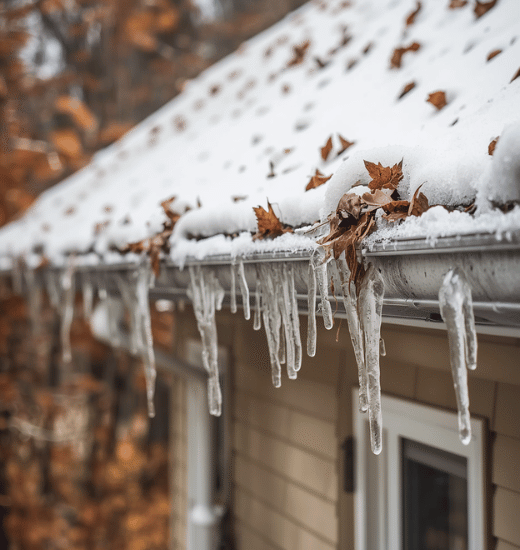
Preparing your landscape for winter helps protect plants, prevent property damage, and make spring cleanup easier. A few hours of work in fall can reduce winter stress on trees, shrubs, lawns, garden beds, patios, and outdoor equipment.
You do not need to complete every task in one day. Start with anything that could cause damage, such as clogged gutters, weak branches, standing water, or exposed plants. Then finish with routine jobs like mulching, pruning, and storing outdoor tools.
Color rating guide: 🟢 Easy | 🟡 Moderate | 🔴 More involved
1. Remove Leaves From the Lawn
Rating: ★★★★★ | Effort: 🟢 Easy
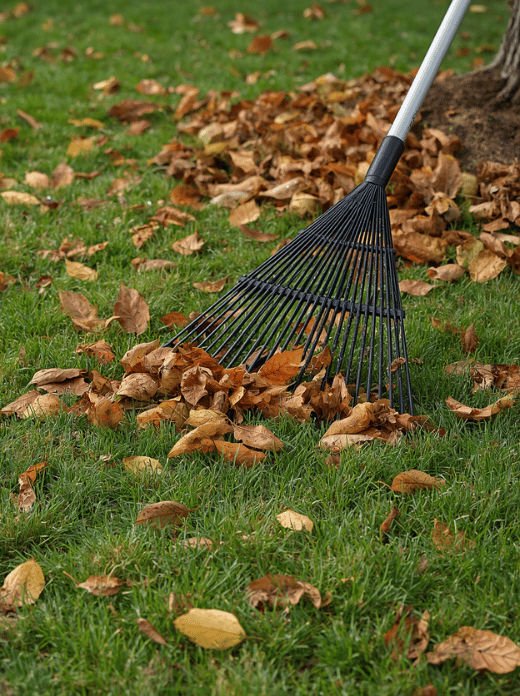
A thick layer of wet leaves can block light and air, trap moisture, and encourage lawn diseases. Rake leaves from the grass before they become compacted. Add them to a compost pile, use them as mulch around trees, or place them in yard-waste bags if required in your area.
Do not pile wet leaves against the trunks of trees or shrubs because they can hold moisture against the bark and attract pests.
2. Mow the Lawn One Last Time
Rating: ★★★★★ | Effort: 🟢 Easy
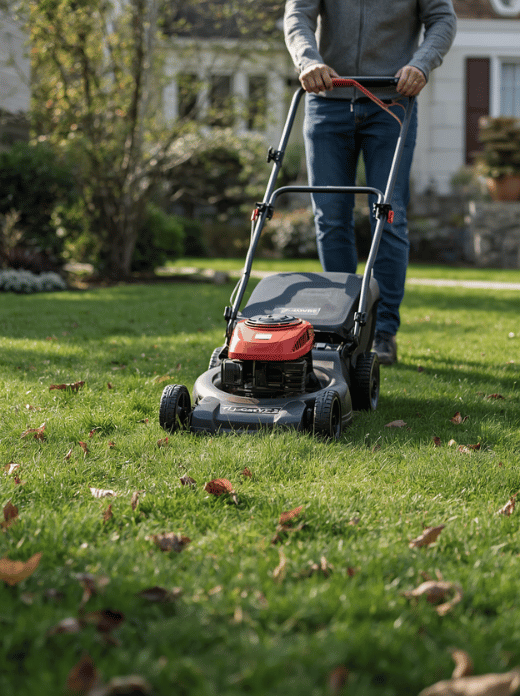
Mow the lawn slightly shorter than you did during summer, but avoid cutting it extremely low. A final height of about 2 to 3 inches works for many cool-season lawns, although the best height depends on the grass type and local climate.
Remove clippings and leaves from the lawn before the first prolonged freeze.
3. Apply Fall Fertilizer if Needed
Rating: ★★★★☆ | Effort: 🟢 Easy
A fall fertilizer application can help cool-season grass develop stronger roots before winter. Test the soil or follow the recommendations for your grass variety instead of applying fertilizer automatically.
Avoid fertilizing warm-season lawns during dormancy unless a local lawn professional recommends it. Follow the product label carefully, especially around waterways and garden beds.
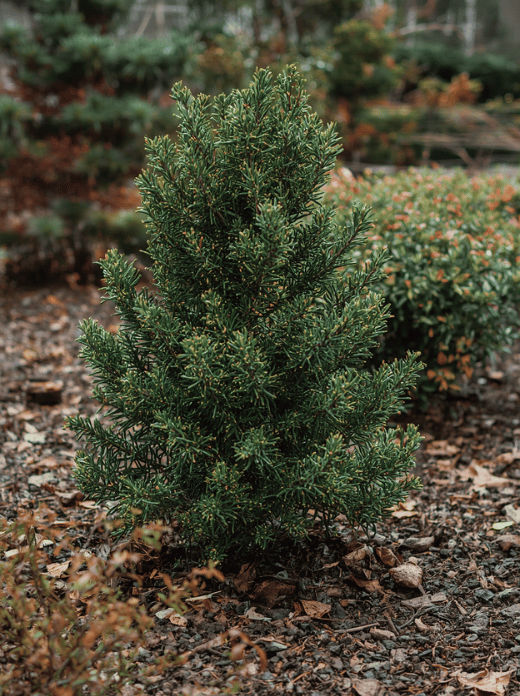
4. Water Trees and Shrubs Before the Ground Freezes
Rating: ★★★★★ | Effort: 🟢 Easy
Dry soil can increase winter stress, especially for newly planted trees, shrubs, and evergreens. Water deeply during dry fall weather, allowing moisture to reach the root zone rather than lightly wetting the surface.
Stop watering when the ground freezes. Do not leave plants sitting in poorly drained soil.
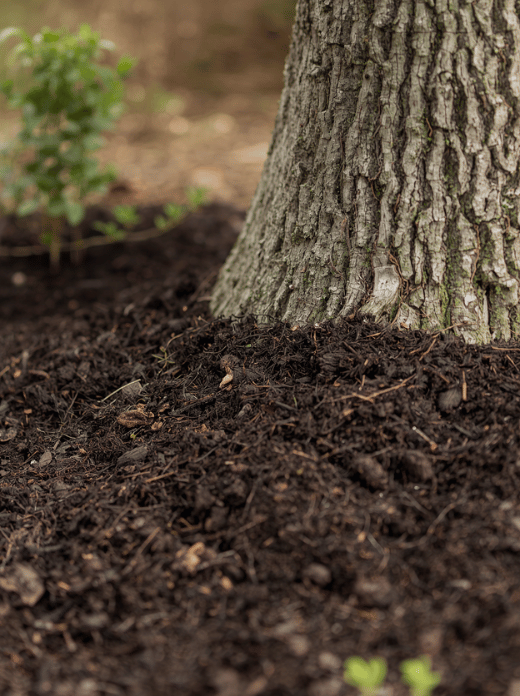
5. Add a Layer of Mulch
Rating: ★★★★★ | Effort: 🟡 Moderate
Spread 2 to 4 inches of mulch around trees, shrubs, perennials, and vulnerable garden beds. Mulch helps insulate roots, reduce soil temperature changes, and limit winter weed growth.
Keep mulch several inches away from tree trunks and shrub stems. A thick mound pressed against bark can encourage rot and pests.
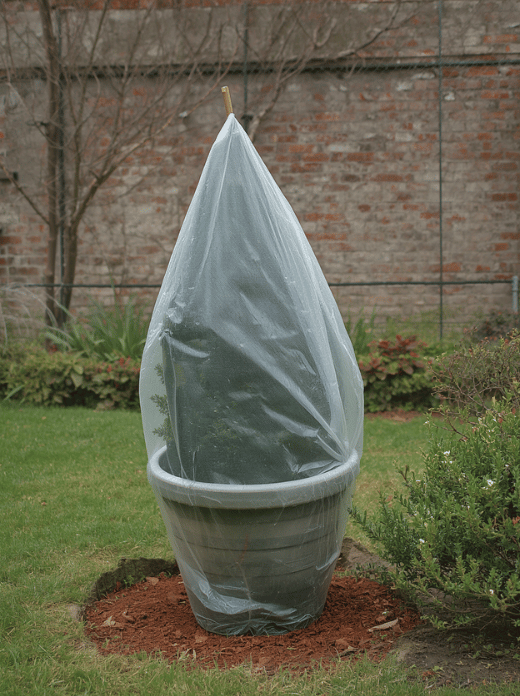
6. Protect Young or Tender Plants
Rating: ★★★★☆ | Effort: 🟡 Moderate
Wrap young trees with a breathable tree guard if rodents or winter sun are a concern. Move tender potted plants indoors or into a protected shed before freezing weather arrives.
For delicate perennials and shrubs, use frost cloth when necessary. Avoid sealing plants under plastic because trapped moisture and heat can cause damage.
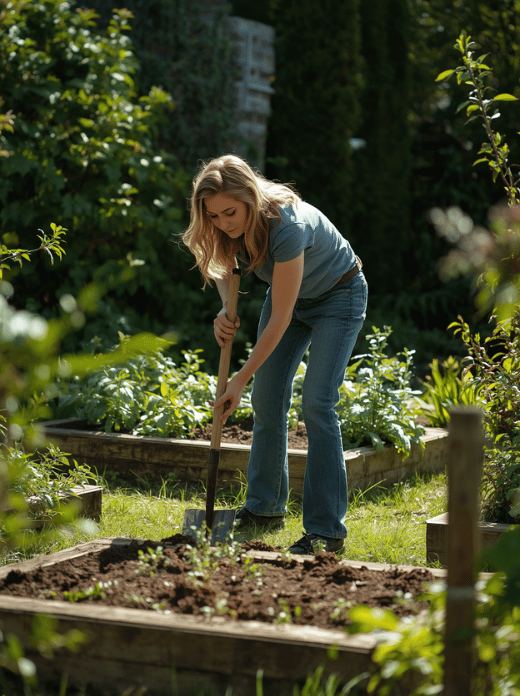
7. Clean Out Garden Beds
Rating: ★★★★★ | Effort: 🟡 Moderate
Remove diseased annuals, fallen fruit, weeds, and dead vegetable plants. Healthy plant material can go into the compost pile, but diseased leaves and stems should be discarded according to local guidelines.
Leave some seed heads and stems if they provide food or shelter for birds and beneficial insects. Cut them back in late winter or early spring instead.
8. Prune Broken or Dangerous Branches
Rating: ★★★★☆ | Effort: 🟡 Moderate
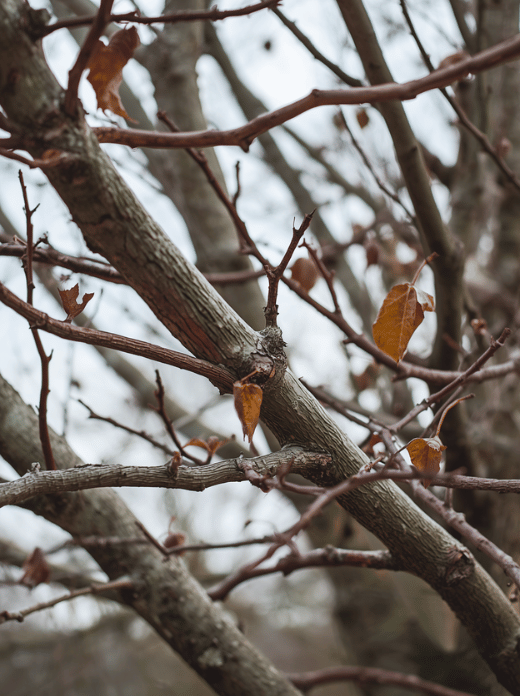
Remove dead, broken, or hazardous branches before heavy snow and ice arrive. Focus on branches that hang over walkways, roofs, driveways, and outdoor seating areas.
Do not perform major shaping or heavy pruning on every tree in fall. Some plants are better pruned during dormancy or after flowering. Hire a qualified professional for large, high, or damaged branches.
9. Clean Gutters and Downspouts
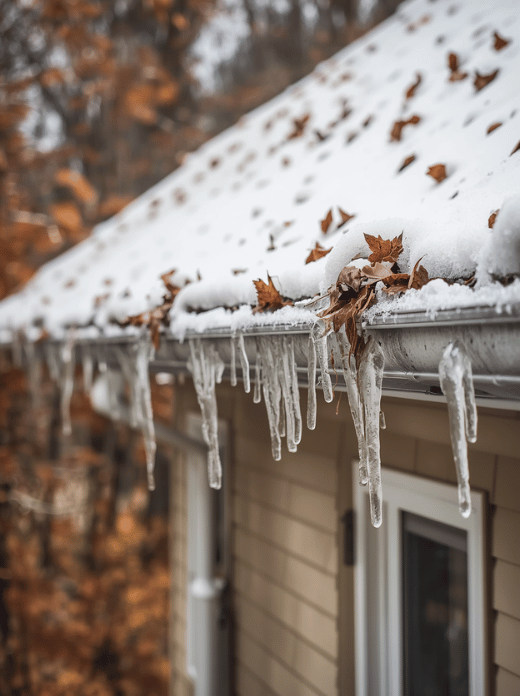
Leaves and debris can block gutters, causing water to overflow near the foundation or freeze into heavy ice. Clean the gutters and confirm that downspouts direct water several feet away from the home.
Use a stable ladder and avoid working on wet or icy surfaces. If the roofline is high, arrange professional cleaning rather than taking unnecessary risks.
10. Check Drainage Before Winter Rain
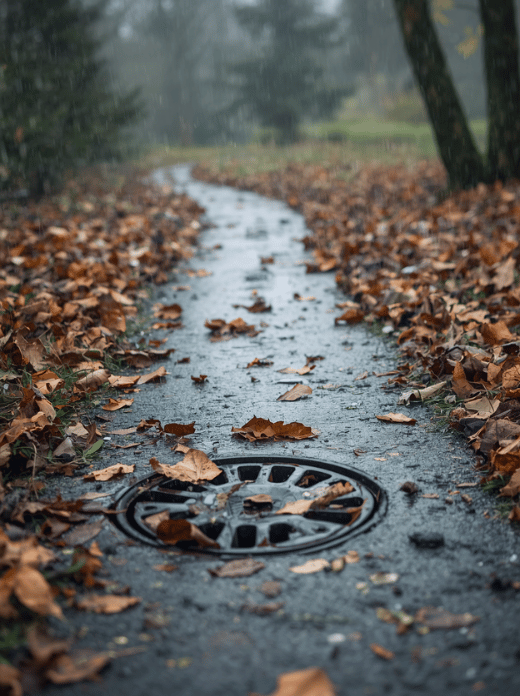
Walk around the property after rainfall and look for standing water near the house, paths, sheds, and planting beds. Clear blocked drains, remove leaves from grates, and redirect small problem areas where practical.
Never direct water toward a neighbor’s property or the foundation. Persistent drainage problems may require a landscape drainage plan.
11. Store Hoses and Outdoor Tools
Rating: ★★★★★ | Effort: 🟢 Easy
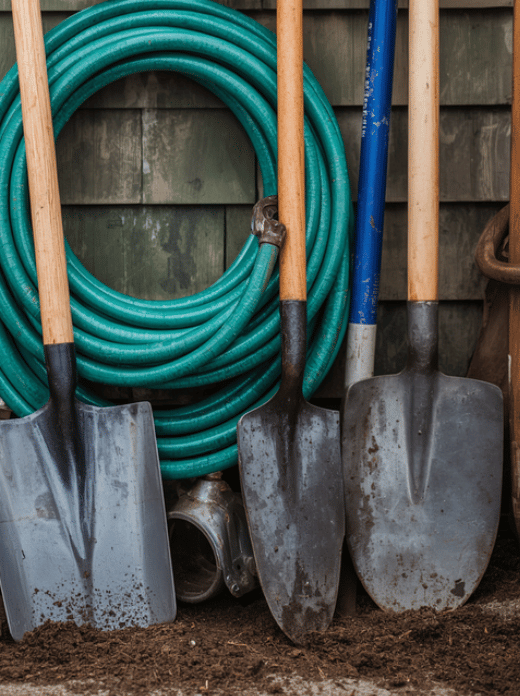
Disconnect garden hoses, drain them completely, and store them in a protected location. Water left inside can freeze and damage fittings or connected pipes.
Clean soil from shovels, pruners, rakes, and trowels. Dry metal tools and apply a light coat of oil to help prevent rust.
12. Protect Irrigation Systems
Rating: ★★★★☆ | Effort: 🟡 Moderate
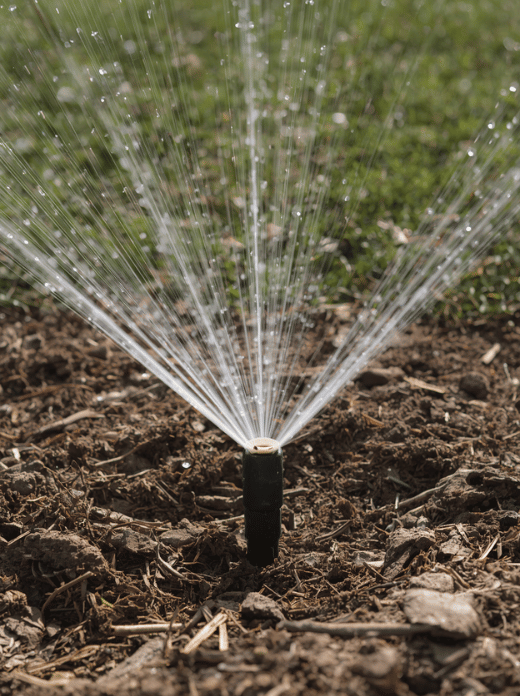
If your property has an underground irrigation system, follow the manufacturer’s winterization instructions. Many systems need to be drained or blown out with compressed air by someone who understands the equipment.
Close exterior faucets if required by your plumbing setup, and check for leaking or exposed pipes before freezing weather.
13. Empty and Store Containers
Rating: ★★★★★ | Effort: 🟢 Easy
Move ceramic, terra-cotta, and other porous pots into a shed, garage, or covered area. Freezing water can expand inside the material and cause containers to crack.
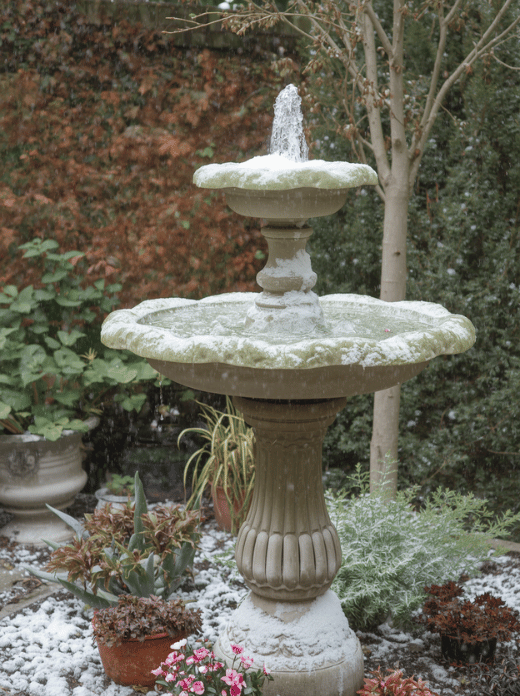
Empty decorative fountains, birdbaths, and containers that are not designed for freezing temperatures. Clean them before storing them for spring.
14. Secure Outdoor Decorations and Furniture
Rating: ★★★★★ | Effort: 🟢 Easy
Store lightweight furniture, umbrellas, cushions, decorations, and empty planters before strong winds arrive. For larger furniture that stays outside, use covers and secure it so it cannot blow into windows, fences, or plants.
Remove stagnant water from furniture covers and outdoor toys to prevent damage and mosquito problems during warmer spells.
15. Check Trees After Storms
Rating: ★★★★☆ | Effort: 🟢 Easy
After heavy wind, snow, or ice, inspect trees for hanging branches, splitting limbs, and leaning trunks. Keep people and pets away from damaged trees until they have been assessed.
Do not pull down large hanging branches or use a chainsaw from a ladder. Tree work near power lines should always be handled by a qualified professional.
A Simple Winter Landscape Checklist
Before winter arrives, walk around the property with a notebook or phone and check each area: lawn, trees, garden beds, drainage, gutters, irrigation, containers, furniture, and tools. Take photos of plants and problem areas so you can compare their condition in spring.
Prioritize tasks that protect people, the home, and valuable plants. Mulching, leaf removal, drainage checks, and tool storage are good starting points for most yards.
Final Thoughts
Winter landscape preparation does not have to be complicated. Remove leaves, protect the root zones, clean drainage areas, store water-filled equipment, and deal with unsafe branches before severe weather arrives.
The right checklist depends on your climate, soil, plants, and expected winter conditions. Use these steps as a starting point, and adjust the timing for your local first frost and freeze dates.
Save this winter landscape checklist for your fall garden work, and share it with someone preparing their yard for the cold season.
Last modified: September 24, 2026
