

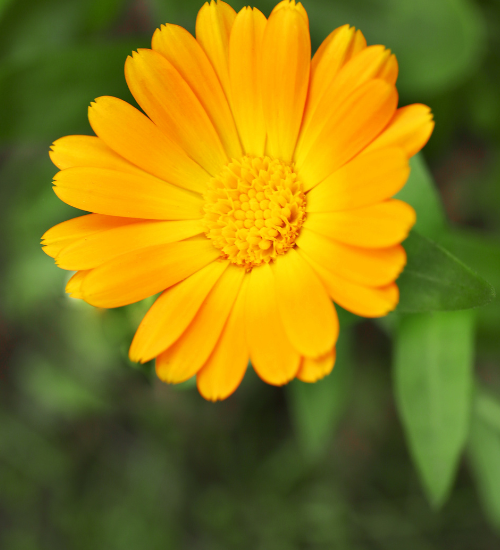
Calendula is one of the most rewarding flowers for a small garden. Also called pot marigold, it produces cheerful yellow, orange, and apricot blooms while taking up very little space. Unlike many flowers that need a long growing season or careful transplanting, calendula can be sown directly into a container and grown successfully by beginners.
If you know how to grow calendula from seed in containers, you can add color to a balcony, patio, porch, windowsill, or small backyard without preparing a large flower bed. Calendula is also useful as a cut flower, and its petals are edible when grown without pesticides and correctly identified.
The key is to give the plant a container with drainage, a loose potting mix, enough sunlight, and consistent moisture while the seeds are germinating.
Why Calendula Works Well in Containers
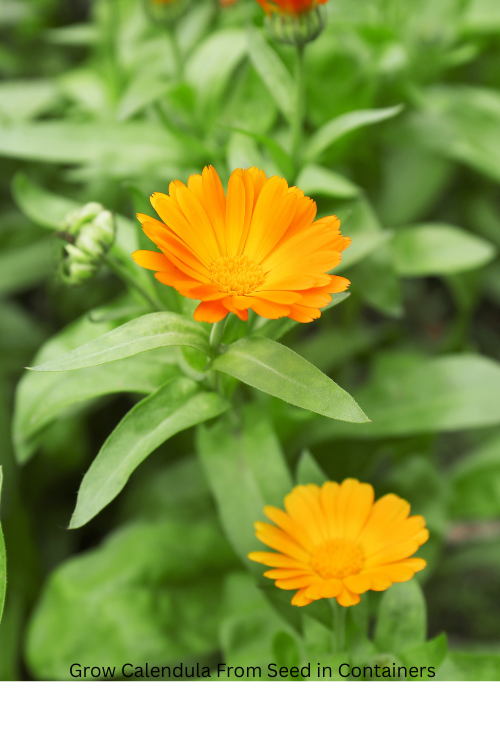
Grow Calendula From Seed in Containers
Calendula has a compact growth habit, making it suitable for pots, window boxes, and raised planters. It generally grows as an annual, although it may reseed itself in mild climates.
Container growing offers several advantages:
- You can move the plant into a sunnier location.
- The soil is easier to control.
- Drainage can be improved.
- Slugs and garden weeds may be easier to manage.
- You can grow flowers even without a traditional garden.
Most edible and ornamental flowers grow best with plenty of sunlight and well-drained soil. A location receiving approximately six to eight hours of sun is a useful starting point, although afternoon heat may require some protection in very warm climates. Edible flowers
Choose the Right Container
Calendula does not need an enormous pot, but a very small container can dry out quickly and restrict the roots.
Choose a container that is:
- At least 8 to 10 inches deep
- At least 10 inches wide for one plant
- Larger if growing several plants together
- Equipped with one or more drainage holes
A 12-inch pot can usually support a small group of calendula plants. A window box can also work well, provided it is deep enough and has drainage holes across the bottom.
Avoid placing a small drainage pot inside a decorative container where water collects below it. Standing water can keep the roots constantly wet and increase the risk of root problems.
Use a Loose Potting Mix
Garden soil is often too heavy for containers. It can compact around the roots, drain poorly, and become difficult to rewet once it dries.
Use a quality container mix containing materials such as:
- Peat moss or coconut coir
- Compost
- Pine bark
- Perlite
- Vermiculite
The mix should hold some moisture without becoming muddy. Calendula grows best when the roots have access to air as well as water.
Do not add a thick layer of gravel to the bottom of the pot as a substitute for drainage. The most important improvement is using a container with open drainage holes and a mix that allows excess water to escape.
When to Sow Calendula Seeds
Calendula seeds can be sown outdoors after the danger of severe frost has passed. In mild climates, gardeners may also sow them in fall for flowers during cooler months.
The ideal timing depends on your local climate:
- Cool climates: Sow in spring when the soil can be worked.
- Mild climates: Sow in early spring or fall.
- Hot climates: Grow calendula during the cooler part of the year.
- Indoor starting: Begin seeds several weeks before outdoor planting if you need an earlier start.
Calendula generally prefers cool to moderate growing conditions. Excessive heat can shorten the flowering period, especially in containers that warm quickly.
Step-by-Step: How to Grow Calendula From Seed in Containers
1. Fill the container
Fill the pot with moist potting mix, leaving about an inch of space below the rim. Do not pack the mix tightly. Lightly press it into place so there are no large air pockets, but keep the texture loose.
2. Plant the seeds
Sow the seeds about ¼ inch deep. Cover them lightly with potting mix. Calendula seeds are large enough to handle easily, so you can place them individually instead of scattering them randomly.
For a 10-inch pot, plant several seeds and thin the seedlings later. If you are using a larger container, space seeds a few inches apart.
3. Water gently
Water slowly until the mix is evenly moist and excess water drains from the bottom. A watering can with a fine rose or a spray bottle can prevent the seeds from being displaced.
During germination, check the pot daily. The surface should not become completely dry, but it should not remain saturated.
4. Provide light
Place the container in a bright location. Outdoor pots should receive several hours of direct sunlight. If starting seeds indoors, use a bright window or a grow light positioned close enough to prevent weak, stretched growth.
5. Thin the seedlings
Once the seedlings develop their first true leaves, remove the weakest ones. Leave the strongest seedlings with enough space for air circulation.
Crowded seedlings compete for light and moisture. They may also remain damp after watering, which can increase disease problems.
6. Begin regular care
As the plants grow, water when the top layer of mix begins to dry. Water deeply enough to moisten the root zone, then allow excess water to drain.
Avoid watering on a strict calendar. A container in hot sun may need water more often than one in cool shade. Check the soil with your finger before watering.
Calendula Watering Tips
Calendula prefers evenly moist soil while it is becoming established. Once the plant is larger, it can tolerate brief periods of dryness, but repeated wilting may reduce growth and flowering.
Use these watering habits:
- Water at the soil surface.
- Avoid keeping the foliage wet overnight.
- Empty water from saucers after heavy watering.
- Check containers more frequently during hot, windy weather.
- Reduce watering during cool, rainy periods.
A plant that wilts every afternoon may need a larger pot, more shade from intense heat, or more consistent watering.
Does Calendula Need Fertilizer?
Calendula is not usually a heavy feeder. A fertile potting mix containing compost may provide enough nutrients for much of the season.
If growth is weak, use a diluted, balanced fertilizer according to the product label. Avoid applying excessive nitrogen because it can encourage leaves at the expense of flowers.
A light feeding may be useful when:
- The plant has been growing in the same container for several months.
- Leaves are pale and growth is slow.
- The potting mix contains little compost.
- Frequent watering has washed nutrients from the container.
Do not fertilize a severely wilted or diseased plant until the underlying problem is corrected.
Deadheading for More Flowers
Deadheading means removing faded flowers before they produce mature seed. With calendula, regular deadheading can help the plant continue producing fresh blooms.
Cut the flower stem back to a healthy set of leaves. Remove yellowing foliage at the same time, but avoid stripping away large amounts of healthy growth.
If you want calendula seeds for next season, leave a few flowers on the plant. Allow the seed heads to dry naturally, then collect the seeds and store them in a cool, dry place.
Common Calendula Problems
| Symptom | Likely cause | Practical response |
|---|---|---|
| Long, weak stems | Insufficient light | Move the container to a brighter location |
| Yellow lower leaves | Excess moisture or aging foliage | Check drainage and watering frequency |
| Few flowers | Too much shade or excess nitrogen | Increase light and avoid overfertilizing |
| Wilting in hot weather | Small container or dry mix | Water thoroughly or move to morning sun |
| Moldy soil surface | Poor airflow or constant moisture | Improve ventilation and let the surface dry slightly |
| Chewed leaves | Slugs, caterpillars, or other pests | Inspect plants and remove pests by hand |
Can You Eat Calendula Petals?
Calendula petals are sometimes used as a colorful garnish or added to salads. Only consume flowers that have been correctly identified and grown without pesticides, herbicides, or other chemicals not approved for edible crops.
Remove the bitter center and use the petals sparingly. Never assume a flower is edible simply because it looks like calendula.
Final Tips for Growing Calendula in Pots
The easiest way to remember how to grow calendula from seed in containers is to focus on four basics: drainage, sunlight, moderate moisture, and regular harvesting.
Start with fresh seed, use a loose potting mix, and avoid crowding the seedlings. Move the container if the plant receives harsh afternoon heat or insufficient light. Remove faded flowers regularly if you want a longer display.
Calendula is forgiving, attractive, and useful for gardeners with limited space. With a single container and a packet of seeds, you can create a bright seasonal display that keeps producing flowers with surprisingly little effort.
Last modified: October 8, 2026
