

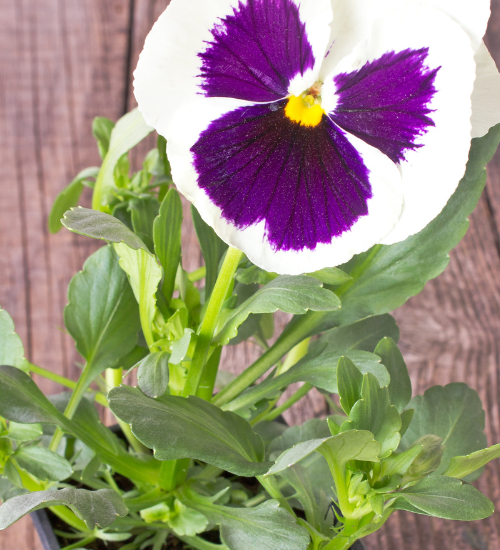
Container flowers are convenient, colorful, and ideal for patios, balconies, porches, and small gardens. They also dry out faster than flowers planted in the ground. A container has a limited amount of growing mix, exposed sides, and no surrounding soil to buffer temperature and moisture changes.
That is why gardeners often ask how often to water flowers in containers. The honest answer is that there is no single schedule that works for every pot.
A small hanging basket in full sun may need water every day during hot weather. A large shaded container may stay moist for several days. The best approach is to learn how to read the soil and understand the conditions affecting moisture loss.
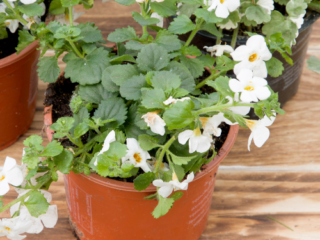
Why Container Flowers Dry Out Quickly
Several factors determine how quickly a container loses water:
- Container size
- Type of potting mix
- Number of plants in the pot
- Amount of sunlight
- Wind exposure
- Air temperature
- Humidity
- Plant variety
- Drainage holes
- Root development
Small pots contain less moisture than large ones. Hanging baskets are especially prone to drying because air circulates around their sides and bottom.
Unglazed clay pots also lose moisture through their porous walls. Plastic and glazed ceramic containers usually retain water longer.
A pot positioned beside a hot wall or concrete surface may dry faster than one placed in a cooler garden bed.
The Finger Test
The easiest way to decide whether a container needs water is to feel the potting mix.
Insert your finger about 1 inch into the soil. If the surface is dry but the soil below is slightly moist, wait and check again later. If the mix feels dry several inches down, it is probably time to water.
For large containers, the top inch may dry while the lower root zone remains wet. Do not judge moisture only by looking at the surface.
A wooden stick can help. Push it into the pot, then remove it. Dark, damp mix clinging to the stick indicates moisture below the surface. A clean, dry stick suggests the pot may need water.
Lift the container when possible. A dry pot feels noticeably lighter than a recently watered one. This method becomes easier after you compare the weight of the pot before and after watering.
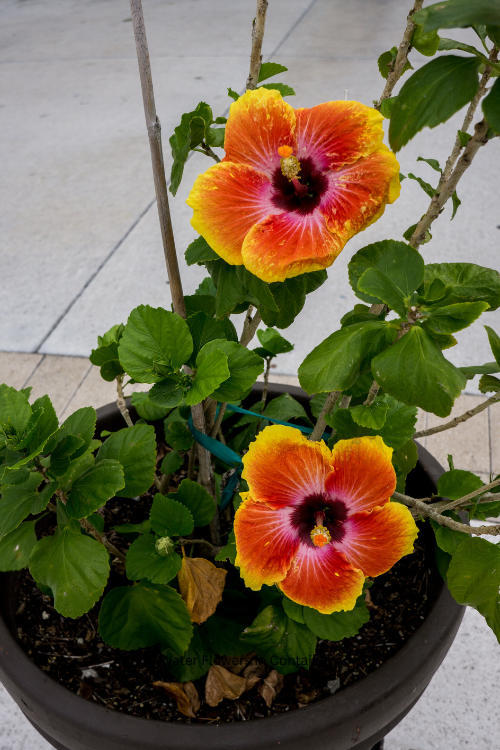
How Often to Water Flowers in Containers
How Often to Water Flowers in Containers
As a general starting point:
| Container condition | Possible watering frequency |
|---|---|
| Cool, cloudy weather | Every 3–7 days |
| Warm weather in partial shade | Every 2–4 days |
| Hot weather in full sun | Daily or every other day |
| Small hanging basket | Daily during hot weather |
| Large shaded planter | Once or twice weekly |
| Newly planted container | Check daily while roots establish |
These are starting points, not rules. Always check the soil before watering.
A container can need water more frequently in July than in May, even if the same plant remains in the same pot. Wind can also dry foliage and potting mix quickly.
Water Thoroughly, Not Just on the Surface
When a container needs water, apply it slowly and deeply. Pour around the base of the plants until water begins to come through the drainage holes.
Lightly sprinkling the surface can create the illusion that the pot is watered while the lower roots remain dry. Thorough watering encourages moisture to reach the entire root zone.
If water immediately runs down the sides and out the bottom, the mix may have become extremely dry and pulled away from the container wall. Water slowly, wait a few minutes, and water again.
For very dry hanging baskets, submerging the basket in a tub of water for a short period can rehydrate the mix. Allow it to drain completely before hanging it again.
Water in the Morning When Possible
Morning watering gives plants time to absorb moisture before the hottest part of the day. It also allows foliage that becomes wet to dry more quickly.
Watering the soil rather than the leaves is preferable for most flowering plants. Wet foliage that remains damp overnight can create conditions favorable to certain diseases.
Evening watering is not automatically harmful, especially during hot weather when plants are wilting. However, water at the base and avoid leaving leaves wet for long periods.
Signs of Underwatering
A container flower may need water if you notice:
- Wilted leaves or stems
- Dry, pale, or crumbly potting mix
- Leaves curling inward
- Flowers dropping prematurely
- Crispy leaf edges
- A very light container
- Water running rapidly through dry gaps
- Slow growth despite adequate light
Wilting is not always caused by underwatering. Roots damaged by excess water may also fail to supply the leaves. Check the soil before adding more water.
If the potting mix is completely dry, water gradually. A sudden large amount may run around the dry root ball without soaking it evenly.
Signs of Overwatering
Too much water or poor drainage can cause:
- Yellowing lower leaves
- Soft stems
- A sour smell from the potting mix
- Fungus gnats
- Slow growth
- Flowers that fail to open
- Soil that remains wet for days
- Wilting despite damp soil
Container plants generally prefer moist soil, not permanently saturated soil. Roots need both water and oxygen. When air spaces remain filled with water, root function can decline.
Do not water again simply because the plant looks wilted. First check whether the root zone is wet.
The Importance of Drainage
Every container should have functional drainage holes. A pot without drainage can trap water around the roots.
Do not rely on a layer of gravel at the bottom to solve poor drainage. It does not replace drainage holes or a suitable potting mix. A container with proper holes and a well-structured mix is more effective. Why Rocks Should Not Be At The Bottom Of A Potted Plant
Empty saucers after heavy watering if they remain full. Some plants tolerate a short period of standing water, but most flowering plants perform better when excess moisture can escape.
Match Watering to the Flower
Different flowers have different moisture preferences.
Petunias
Petunias prefer consistent moisture but need well-drained soil. Hanging baskets may require frequent watering, especially during hot weather. Growing petunias | UMN Extension
Impatiens
Impatiens generally prefer more moisture than drought-tolerant flowers. Plants in full sun or small containers may require more frequent checks. Impatiens | UMN Extension
Geraniums
Geraniums usually prefer the soil to dry slightly between waterings. Constantly wet soil can reduce flowering and encourage root problems.
Portulaca
Portulaca has succulent-like foliage and handles dry conditions better than moisture-loving flowers. Allow the growing mix to dry more between waterings.
Calibrachoa
Calibrachoa can dry quickly in small containers and hanging baskets. These heavy-blooming plants often need close attention during hot weather. Calibrachoa | UMN Extension
How Pot Size Affects Watering
A larger container does not always mean a healthier plant, but it often holds moisture longer.
Small pots may need frequent watering because the roots fill the container quickly. Large pots dry more slowly, especially if they contain only a small plant.
Choose a pot that gives the roots room without creating a large area of unused wet soil. When combining several flowers, make sure they have similar moisture needs.
Avoid pairing a drought-tolerant flower with a moisture-loving plant simply because the colors look attractive. One plant may suffer from too much water while the other wilts from too little.
Adjust Watering During Rain
Outdoor containers may receive enough water from rainfall, but not every rainstorm wets the root zone evenly. Dense foliage can direct water away from the center of the pot.
After rain, feel the soil before watering. A light shower may wet only the upper surface. A long, steady rain may supply enough moisture for several days.
Move containers under cover during prolonged heavy rain if the potting mix stays saturated or the plant is sensitive to wet conditions.
Practical Container Watering Routine
Use this routine:
- Check the soil each morning during hot weather.
- Feel at least 1 inch below the surface.
- Lift the pot if possible.
- Water slowly at the base.
- Continue until water drains from the bottom.
- Empty the saucer if needed.
- Recheck small pots later in the day during heat waves.
- Reduce watering during cool, cloudy weather.
- Check wet pots before watering again.
- Adjust as plants grow and roots fill the container.
The answer to how often to water flowers in containers changes throughout the season. Instead of memorizing a number, monitor soil moisture, weather, plant symptoms, and pot weight.
Good container watering is not about keeping the mix constantly wet. It is about providing enough moisture for healthy roots while allowing excess water and air to move through the pot.
Last modified: October 18, 2026
