

A summer wedding bouquet has to do more than look beautiful in photographs. It may spend time outside before the ceremony, travel in a car, sit on a welcome table, and be carried through warm air for several hours. That makes flower selection especially important.
The best heat-resistant flowers for a summer wedding bouquet are not completely immune to heat. Every fresh flower eventually loses water in warm conditions. However, some varieties hold their shape and color better than delicate blooms when they are properly conditioned and protected.
A successful bouquet usually combines one or two focal flowers with sturdy supporting blooms, airy fillers, and foliage. The design should match the wedding style, but the practical needs of the flowers should come first.
What makes a flower suitable for summer weddings?
Look for blooms with:
- Strong stems
- Firm petals
- Good water uptake
- A naturally long vase life
- Availability during the wedding month
- Tolerance for short periods outside refrigeration
Flower freshness at purchase also matters. A heat-tolerant flower that has already been stored poorly may perform worse than a delicate flower that was harvested and handled correctly.
1. Zinnias

Zinnias are colorful, cheerful, and available in many forms, from small single blooms to large double flowers. Their sturdy stems make them useful in relaxed garden-style bouquets.
They suit:
- Country weddings
- Colorful summer ceremonies
- Meadow-inspired bouquets
- Bright bridesmaid arrangements
Choose stems with flowers that are open but not fully aged. Remove lower leaves and place them in clean water as soon as possible.
Zinnias can look casual, so pair them with roses, lisianthus, or textured greenery when you want a more polished arrangement.
2. Lisianthus
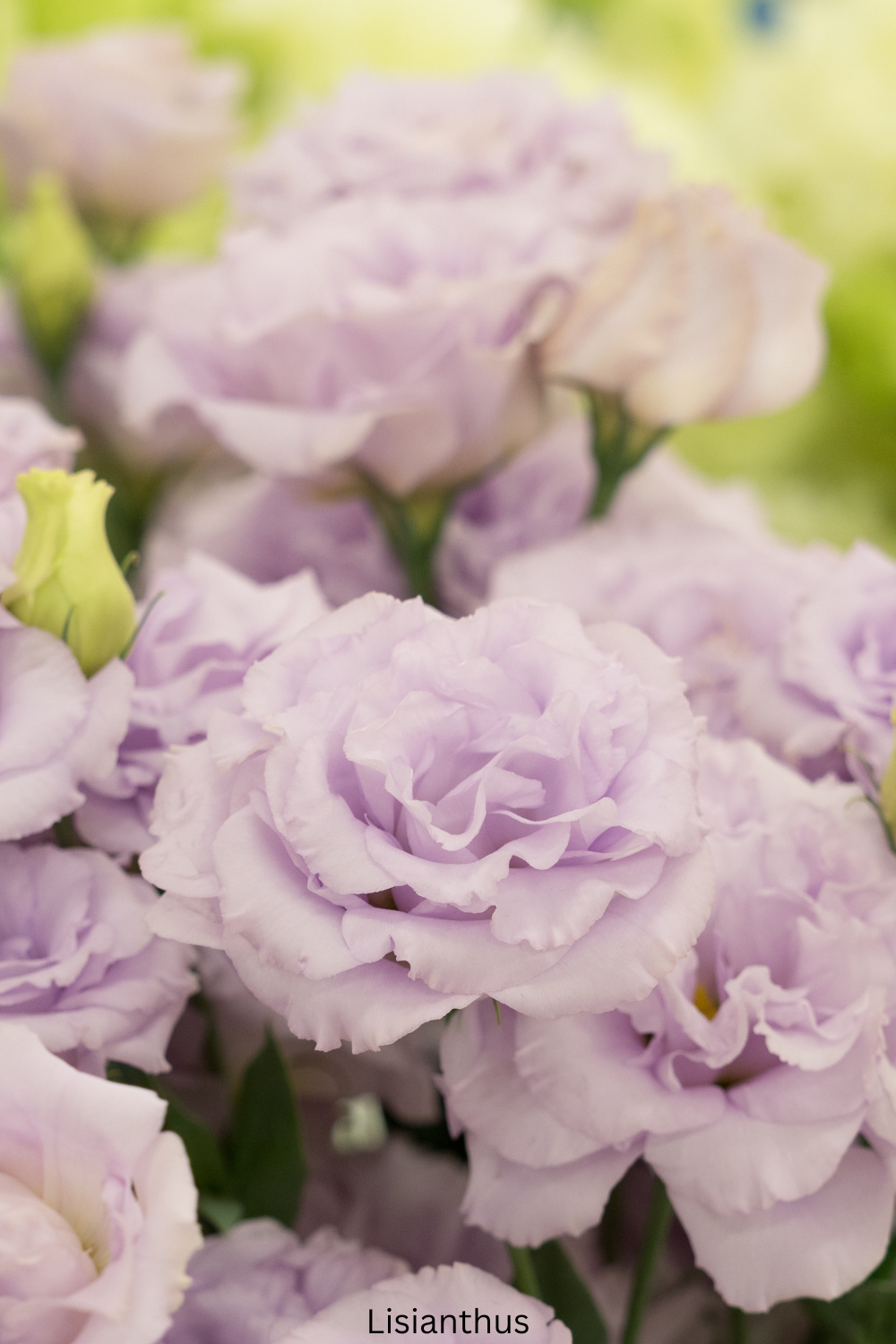
Lisianthus resembles a delicate rose but is often more reliable in a warm-weather bouquet. The flowers have soft, layered petals and are available in white, cream, pink, purple, and green.
They add elegance without making the bouquet feel overly formal. One stem may carry several blooms and buds, which creates movement and value.
Lisianthus works particularly well with:
- Garden roses
- Eucalyptus
- Scabiosa
- Wax flower
- Delicate grasses
Keep the stems hydrated and avoid placing them in direct sun before the ceremony.
3. Roses
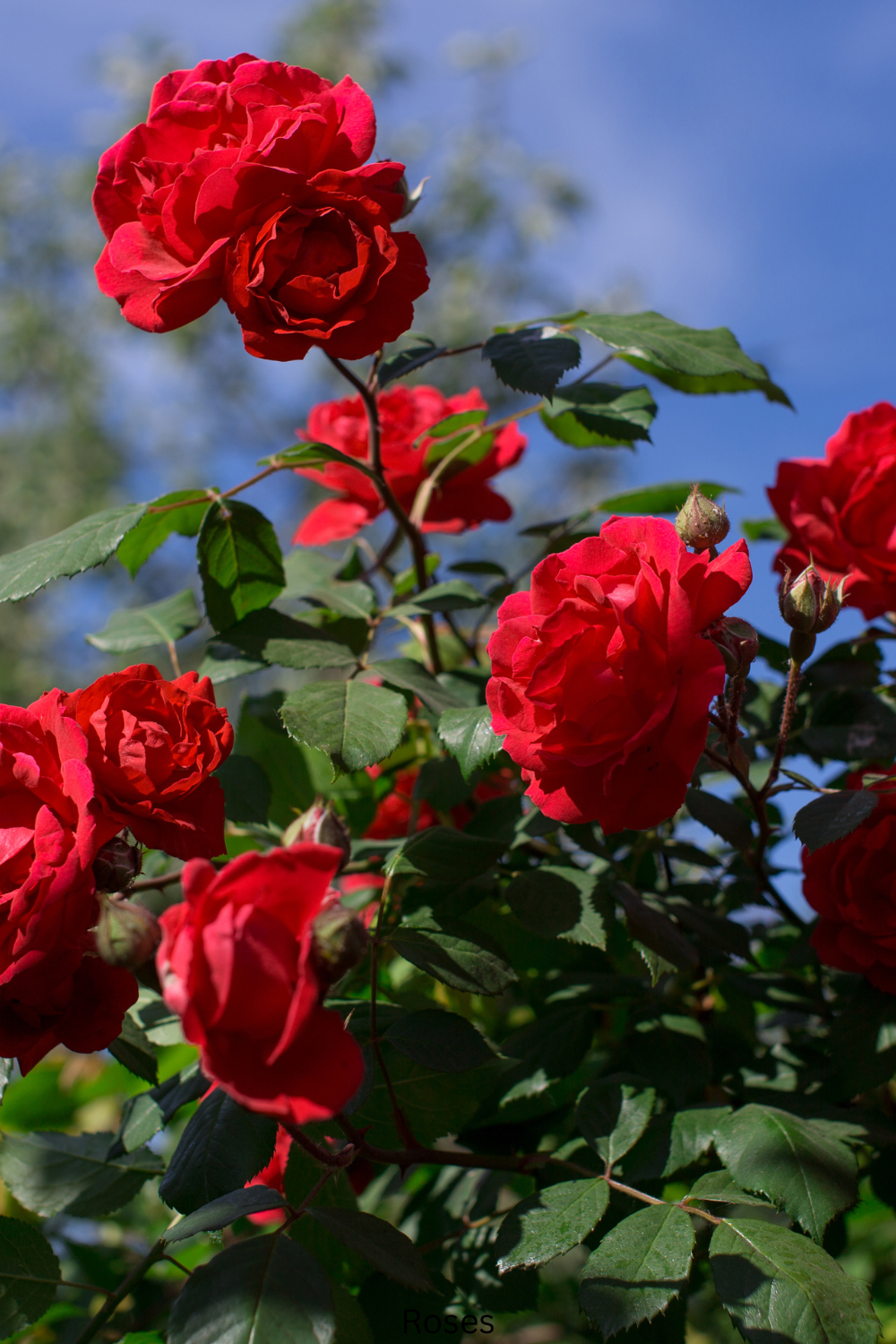
Roses remain a dependable choice for summer bouquets because they are widely available and offered in many colors and shapes. Garden roses provide a romantic, ruffled appearance, while standard roses are generally easier to source and often more predictable.
When choosing roses, look for:
- Firm outer petals
- Upright stems
- No browning at the edges
- Flowers that are beginning to open
- Leaves without spotting or wilting
Roses should be conditioned in clean water before arranging. Remove damaged guard petals only when necessary; these outer petals often protect the flower during handling.
4. Orchids

Orchids are useful when you want an exotic, modern, or minimalist bouquet. Cymbidium orchids have firm petals and can work well in bouquets, boutonnieres, and corsages. Phalaenopsis orchids are more delicate but create an elegant cascading effect.
Orchids are especially useful for:
- Tropical weddings
- Indoor ceremonies
- Contemporary bouquets
- White-and-green color palettes
Because orchids are often arranged with special techniques, they may be best handled by a florist familiar with wedding work.
5. Celosia
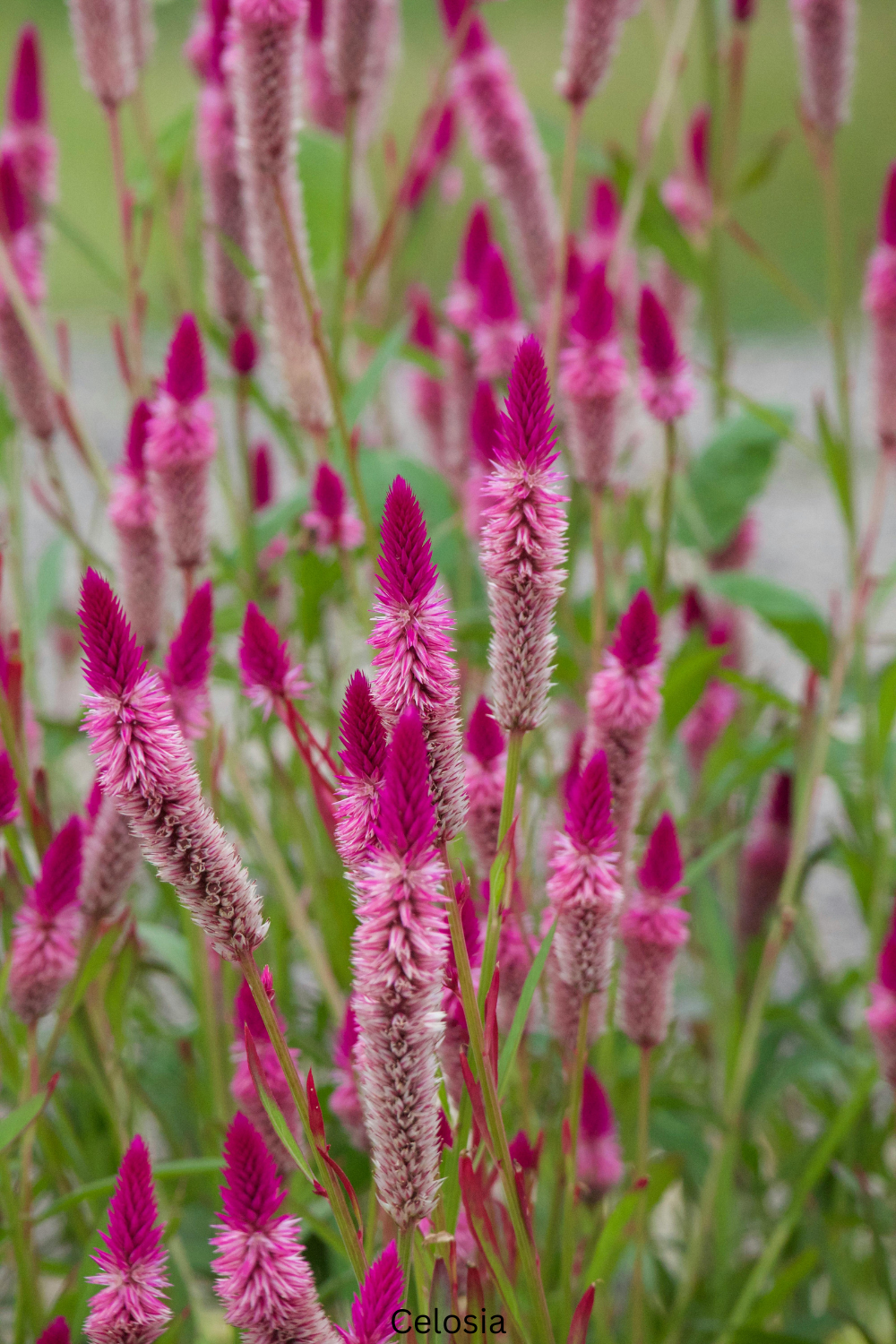
Celosia adds unusual texture and strong color. Crested forms have velvety, brain-like heads, while plume types create feathery shapes.
The flowers may be available in red, orange, pink, yellow, and burgundy. Their texture works well in autumn-leaning summer palettes and colorful garden arrangements.
Use celosia in moderation. Too many textured blooms can make a bouquet look visually heavy. Combine it with simple flowers such as daisies, roses, or lisianthus.
6. Carnations
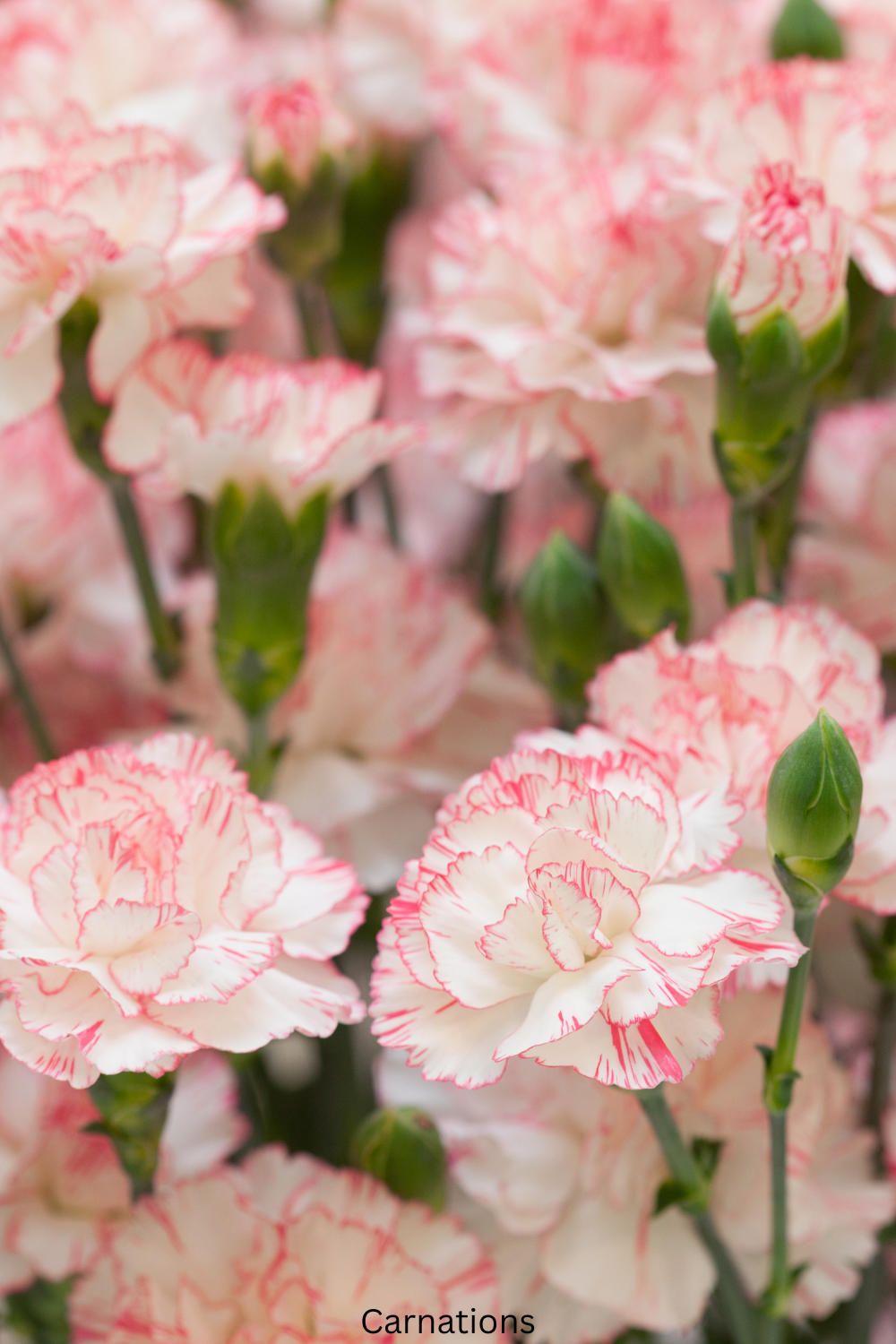
Carnations are sometimes overlooked because they are associated with traditional arrangements, but they are practical summer flowers. They have sturdy stems, many color choices, and a ruffled form that adds volume without requiring a large number of expensive focal blooms.
Modern varieties can look elegant when used in a restrained palette. Peach, blush, white, and muted coral carnations can support a romantic bouquet without appearing dated.
They are also useful for large wedding installations because they generally provide good value.
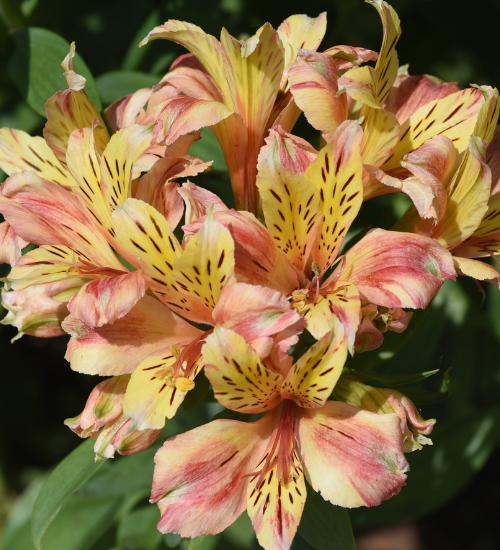
7. Alstroemeria
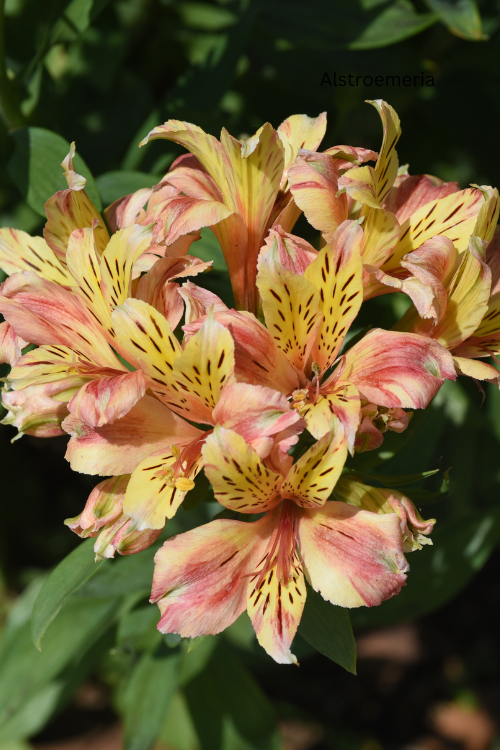
Alstroemeria, often called Peruvian lily, offers clusters of small, patterned blooms. It adds color and movement to bouquets and can help fill spaces between larger flowers.
The stems may contain several flowers, making them useful for:
- Bridesmaid bouquets
- Welcome arrangements
- Chair flowers
- Reception centerpieces
Remove fading individual blooms so the remaining flowers continue to look fresh.
8. Sunflowers

Sunflowers are a strong choice for a rustic or late-summer wedding. They bring immediate focus and work well with grasses, zinnias, roses, and eucalyptus.
Because large sunflowers can become heavy, use them carefully in hand-tied bouquets. Smaller branching varieties may be easier to arrange and carry.
Their stems should be kept upright and well hydrated. A bouquet filled with large sunflowers may need additional support, especially if it will be carried for several hours.
Supporting flowers and foliage
A bouquet does not need to consist only of focal blooms. Durable supporting ingredients can improve both appearance and structure.
Consider:
- Statice for color and texture
- Wax flower for small accents
- Baby’s breath for an airy look
- Solidago for yellow sprays
- Eucalyptus for foliage and shape
- Ruscus for strong lines
- Italian ruscus for length
- Ornamental grasses for movement
Before using any plant, confirm that it is safe for the intended setting, especially if children, pets, or food will be nearby.
A practical summer bouquet formula
| Bouquet element | Examples | Purpose |
|---|---|---|
| Focal flower | Rose, sunflower, orchid | Creates visual emphasis |
| Secondary flower | Lisianthus, carnation, alstroemeria | Adds volume |
| Texture | Celosia, statice, scabiosa | Provides contrast |
| Filler | Wax flower, baby’s breath | Softens gaps |
| Foliage | Eucalyptus, ruscus | Frames the flowers |
| Binding | Floral tape and ribbon | Holds the bouquet securely |
How to protect the bouquet from heat
Even heat-resistant flowers for a summer wedding bouquet need careful handling.
Keep the bouquet:
- In clean water until the last practical moment.
- Away from direct sunlight.
- In the coolest available room.
- Out of a hot vehicle.
- Wrapped in damp paper or placed in a hydration container during transport.
- Handled by the stems rather than squeezed around the blooms.
Do not place a bouquet in a freezer or household refrigerator with fruit. Fruit can release ethylene gas, which may shorten the life of some flowers.
Choosing flowers by wedding style
For a garden wedding, combine zinnias, lisianthus, roses, and grasses. For a tropical celebration, use orchids, anthuriums, palms, and strong foliage. For a classic ceremony, use roses, carnations, and alstroemeria in a restrained color palette.
For a colorful summer bouquet, select one dominant color family and add two supporting shades. Too many unrelated colors can make the bouquet appear busier than intended.
Final advice
The best heat-resistant flowers for a summer wedding bouquet are those that match the season, the design, and the logistics of the day. A beautiful flower that cannot tolerate the travel or ceremony conditions may create unnecessary stress.
Choose fresh flowers, condition them properly, keep them cool, and build the bouquet with a mixture of focal blooms, sturdy supporting flowers, and dependable foliage. With those basics in place, a summer bouquet can remain attractive from the first photographs to the final dance.
Last modified: October 21, 2026
