

Want taller color, fuller vines, and flowers that turn a plain fence into a soft wall of pink, purple, blue, and white? These ideas help you pick the right clematis faster, so you waste less time guessing and get healthier blooms sooner.
You will see 15 beautiful choices, plus easy care tips that make growing them feel simple. Think glowing petals, star-shaped flowers, twisting stems, and rich green leaves climbing over trellises, arches, and porch rails.
This short post is built for quick reading. You can scan flower color, bloom time, and growing zones, then find the vine that fits your yard and your light. By the end, you will know which clematis to plant and how to help it bloom better.
Meet the Clematis Family
Clematis can make a garden feel taller, softer, and more alive. These vines climb up posts, fences, and arches, then cover them with flowers that look silky, bright, and dramatic. Some bloom in spring. Others keep going into summer or even fall.
Gardeners love clematis because there is a type for almost every style. You can grow big star flowers, nodding bell flowers, or small clouds of blooms. Color choices are wide too, from deep purple and red to clean white and soft pink.
This article keeps things easy. You will get 15 top clematis flowers, simple care notes, and clear zone help, so picking the right plant feels less confusing.
How to Use This List
This post works like a quick guide. You can skim it in a few minutes, then come back when you are ready to plant.
- 15 clematis types: Each one gives you a different look, bloom season, and garden mood.
- Growing zones: These show where each vine can handle winter cold and summer warmth.
- Care notes: You will see plain tips on sun, soil, watering, and support.
- Slim vertical table: This helps you compare flowers fast without reading every line.
Use the list like a shopping helper. First check your zone. Then look at color, bloom time, and light. That simple order saves a lot of trial and error.
What Growing Zones Mean
Growing zones sound fancy, but the idea is very simple. A zone tells you how much cold or heat a plant can handle where you live. If your clematis matches your zone, it has a better chance to grow well and bloom often.
Think of zones like weather labels
A lower number means colder winters. A higher number means warmer winters. So a plant marked for zones 4 to 9 can live in many places, from cold areas to milder ones.
Why zones help
Zones stop guesswork. They help you avoid buying a vine that looks pretty in the pot but struggles in your yard. You still need the right sun and soil, but growing zones give you a strong starting point.
If you do not know your zone yet, look it up before you plant. It takes a minute, and it helps a lot.
Table for Quick Picks
Here is the fast-scan section. These 15 clematis choices cover early, mid, and late bloom times, plus a wide mix of colors and forms.
15 top clematis flowers
| Name | Color | Bloom Time | Zone | Care Tip |
|---|---|---|---|---|
| Nelly Moser | Soft pink | Late spring, again in summer | 4-9 | Give part shade in hot areas |
| Jackmanii | Deep purple | Summer | 4-9 | Prune hard in late winter |
| Henryi | White | Early to mid summer | 4-9 | Keep roots cool with mulch |
| The President | Blue-violet | Late spring, again in summer | 4-8 | Use a strong trellis |
| Sweet Autumn | White | Late summer to fall | 5-9 | Give room, it grows fast |
| Rouge Cardinal | Red | Summer | 4-9 | Plant in full sun to light shade |
| Princess Diana | Pink tulip shape | Summer to fall | 4-9 | Water in dry spells |
| Ville de Lyon | Rose red | Summer | 4-9 | Feed in spring for more blooms |
| Arabella | Blue-purple | Summer to fall | 4-9 | Let it sprawl or tie it up |
| Josephine | Pink-lilac | Late spring to summer | 4-9 | Protect from harsh afternoon sun |
| Niobe | Dark red | Early summer, again later | 4-9 | Good for bold color contrast |
| Multi Blue | Blue | Late spring, again in summer | 5-9 | Give rich, well-drained soil |
| Etoile Violette | Purple | Summer to early fall | 4-9 | Great for long bloom color |
| Montana Rubens | Light pink | Spring | 6-9 | Best for large spaces |
| Blue Angel | Lavender blue | Summer to early fall | 4-8 | Keep soil moist, not soggy |
This quick picks table is useful when you want to compare vines side by side. Pick two or three favorites, then match them to your light, support, and zone.
1. Nelly Moser in Soft Pink
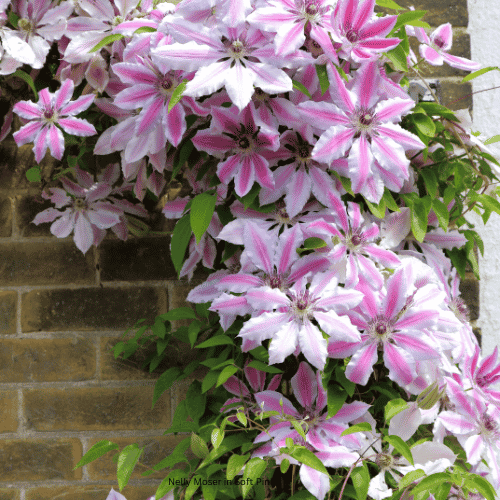
Nelly Moser is one of the easiest clematis to love. Its flowers are large, pale pink, and marked with a deeper pink stripe down each petal. The look is soft, bright, and romantic, especially on a white trellis or near a porch.
Best place to grow it
This vine does very well in part shade, especially in hot regions where strong afternoon sun can fade the flower color. It grows best in zones 4 to 9. Give it a support to climb, and keep the roots shaded with mulch or nearby low plants.
Simple care that helps blooms
Use soil that drains well, then water deeply during dry weather. Feed lightly in spring. Remove weak or dead stems after winter, but do not cut it back too hard if you want early flowers.
Wrap-up: start with one clematis that fits your zone and light, then build from there. Nelly Moser is a smart first pick if you want gentle color and a vine that feels graceful from the first bloom.
2. Jackmanii for Rich Purple
Jackmanii is one of the best-known clematis flowers for a reason. Its deep purple blooms look dramatic, yet the plant is easy to enjoy in zones 4 to 9. If you want a classic summer vine, this one earns its place.
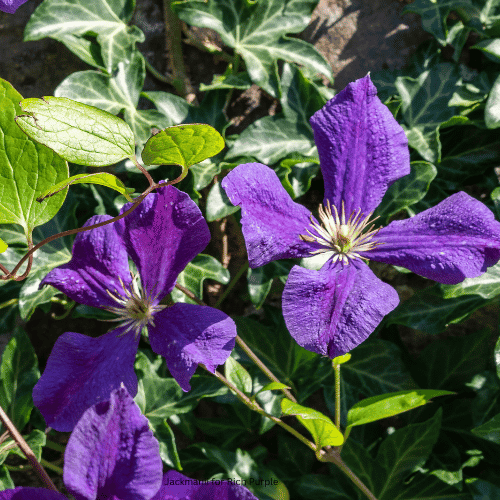
- Color power: The flowers are rich purple and stand out well on fences, trellises, and arbors.
- Bloom season: It flowers hard in summer, often when spring flowers have already faded.
- Care tip: Give the roots cool shade and let the top grow in sun. Mulch helps keep the soil from drying too fast.
- Pruning note: This type blooms on new growth, which means fresh stems made this year. Cut it back in late winter or early spring.
Jackmanii suits gardeners who want strong color without a lot of fuss. Plant it where the purple can shine.
3. Henryi with Big White Blooms
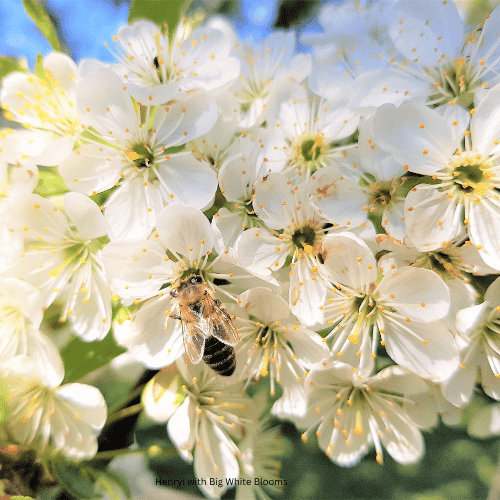
Henryi brings a clean, bright look to the garden. The flowers are large, white, and easy to spot from a distance. In zones 4 to 9, it grows with confidence and climbs well with a little support.
Why gardeners love it
The bloom size is the main draw. Each flower opens wide, so a small plant can still make a strong show. White flowers also brighten shady corners better than many dark colors.
How to keep it fresh
Morning sun works well, especially in hot places. Too much harsh afternoon heat can dull white petals. Water deeply during dry weeks so buds do not drop early.
Henryi looks beautiful against dark wood, brick, or evergreen leaves. If your garden needs a calm, bright flower, this one is a smart pick.
4. Multi Blue for Full Petals
Multi Blue looks almost fancy, but the idea is simple. Its blooms have many extra petals, so the flower looks full and fluffy instead of flat. That is what gardeners mean by double flowers. Think of one bloom wearing a second bloom inside it.
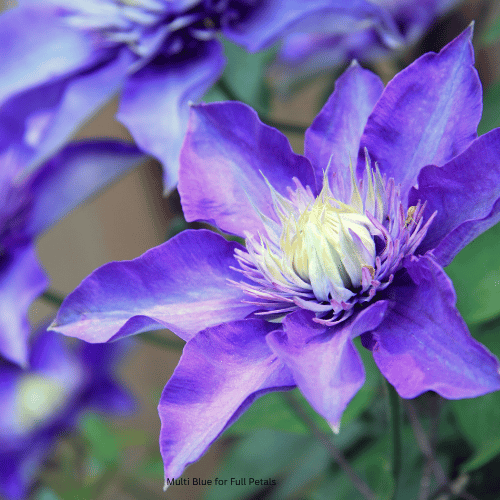
This clematis grows best in zones 5 to 9. The color is blue-purple, and the petals can shift in tone as the flower matures. That gives the vine more depth than a plain single bloom.
Give Multi Blue a spot with good light and steady moisture. Deadhead, or remove faded flowers, if you want the plant to stay neat. It is a lovely choice near patios, where people can stop and really look at those packed petals.
5. Sweet Autumn for Fragrance
Sweet Autumn clematis is different from the large-flowered types. It covers itself with many small white blooms, and the real star is the sweet scent.
Best reason to grow it
- Fragrance: The smell is soft and sweet, especially in the evening.
- Flower count: The blooms are tiny, but there are lots of them.
What to watch
This vine grows fast in zones 4 to 9. Very fast. It can spread over fences, shrubs, and anything nearby if you do not guide it and trim it back.
Use strong support from the start. A sturdy arbor or fence works better than a weak stake. If you want scent and a cloud of white flowers, Sweet Autumn can do that beautifully.
6. The President in Violet Tones
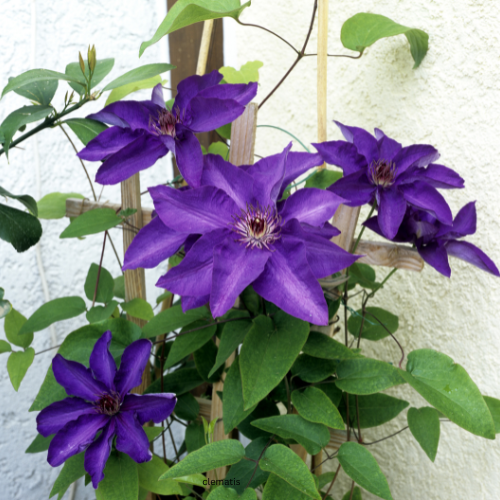
The President has a bold look. Its flowers are large, violet, and slightly glossy, so they catch light well. In zones 4 to 8, it fits many home gardens and does not feel hard to grow.
Strong color, longer season
One reason this clematis stands out is repeat flowering. That means it can bloom, rest, and bloom again. You get more color across the season, which makes the plant feel generous.
Simple care that helps
Feed it in spring with a balanced plant food, then water during dry spells. Keep the vine tied gently to a support as it climbs. Good air flow around the plant also helps leaves stay cleaner and healthier.
The President works well if you want a showy clematis without a complicated routine. Its rich violet tones bring energy to any wall, trellis, or mailbox post.
Wrap-up: These five clematis each offer something different, deep purple, pure white, full petals, sweet scent, or bold violet repeat blooms. Match the plant to your zone, give the roots cool soil, and support the vine early. Small care steps lead to healthier blooms and a much better flower show.
7. Arabella for Bushy Color
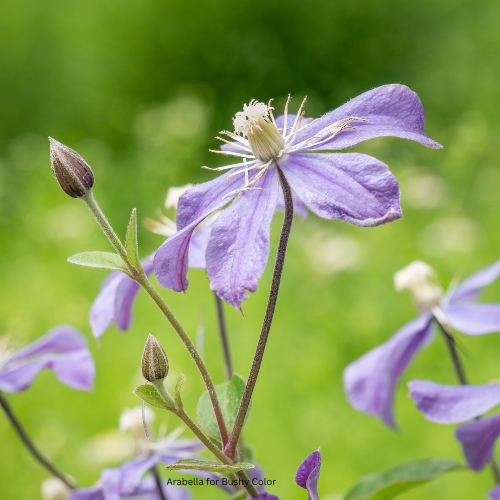
Some clematis grab hard and climb high. Arabella does something different. It does not cling by itself, so it sprawls over shrubs, walls, or a short support and makes a loose, full mound of color.
What makes it special
The flowers are blue to purple-blue, and they keep coming for a long stretch. That long bloom period means you get color from summer into early fall in many gardens.
Simple care tip
Give Arabella sun for the top growth and cooler soil near the roots. You can do that with mulch, which is a layer of bark or compost on top of the soil. In zones 4 to 9, it is a strong pick for gardeners who want lots of flowers without a stiff, formal vine look.
Try it near a low trellis or let it weave through a rose bush.
8. Ville de Lyon in Red
Need stronger color in summer? Ville de Lyon brings bright rosy red flowers that show up from far away, even in a busy garden bed.
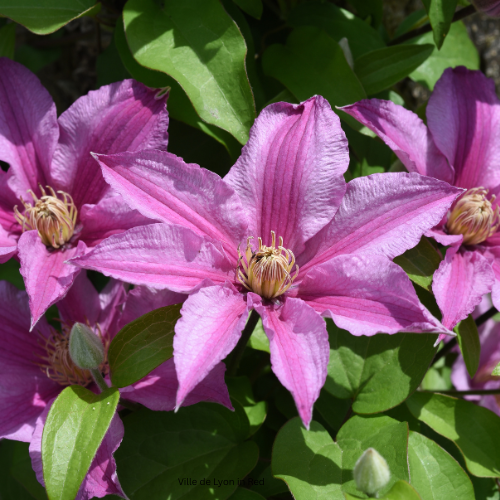
- Color power: The blooms have a rich red-pink tone that stands out well against green leaves.
- Heat tolerance: This plant handles hot summer days better than many large-flowered kinds.
- Bloom season: It puts on a strong show in summer, right when many spring flowers are fading.
Plant it where it gets good light and steady water. In zones 4 to 9, this clematis is a smart choice for sunny spots that need a bold lift.
9. Princess Diana Tulip Blooms
Princess Diana looks different at first glance, and that is the charm. The flowers stay cup-shaped, almost like little tulips, instead of opening flat like many other clematis blooms.
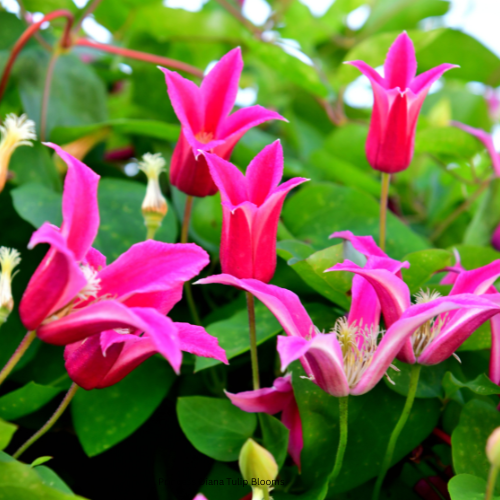
That tulip-shaped form gives the vine a lighter, more playful look. The pink-red flowers seem to point outward and upward, so the plant feels lively even from a distance.
This variety grows well in zones 4 to 9 and likes a support to lean on. A support is simply something it can grow over, like a trellis, obelisk, or wire frame. Prune it at the right time for its group, and it will reward you with a neat plant and plenty of blooms.
10. Comtesse de Bouchaud Charm
Soft pink can be just as eye-catching as deep red. Comtesse de Bouchaud proves that with flowers that look gentle but still fill a space well.
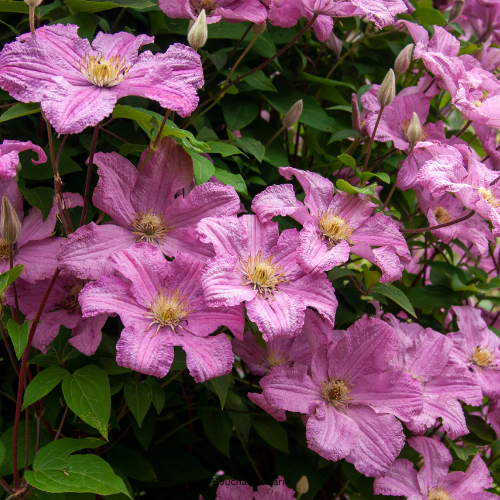
Why gardeners love it
- Steady blooming: It flowers over a long period, so the display does not feel brief.
- Forgiving nature: This means it is easier to grow and less fussy than some clematis types.
The petals often have a soft sheen, which means they catch light in a smooth, pretty way. In zones 4 to 9, it suits cottage gardens, arches, and even beginner gardens where you want beauty without too much stress.
Give it room, decent soil, and regular water in dry spells. It usually meets you halfway.
11. Rouge Cardinal Deep Velvet
Some flowers look rich in color. Rouge Cardinal looks rich in texture too. Its deep red blooms have a velvety look, which means the petals seem soft and dark, almost like cloth.
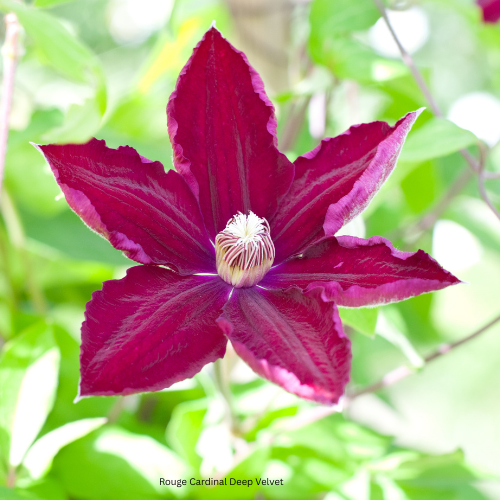
This clematis thrives in sunny spots in zones 4 to 9. Sun helps bring out the darkest color, though the roots still like cooler soil. That balance matters with many clematis: warm top growth, cool root area.
Use it where people will see it up close, near an entry, arbor, or seating area. The flower color can look dramatic beside pale walls or white roses. If your garden needs depth and mood, this one earns its place.
Wrap-up: These five clematis flowers each bring something different, from bushy blue bloomers to tulip-shaped pink cups and dark velvet reds. Pick the one that fits your space, your color taste, and your zone. Then give it sun, support, and cool roots. Healthier blooms usually follow.
12. Miss Bateman in Cool White
Miss Bateman opens early and looks clean and bright in the garden. Its white petals have a rich red center, which is the middle part of the flower. This variety grows well in zones 4 to 8, so it handles cold winters better than many flowering vines.
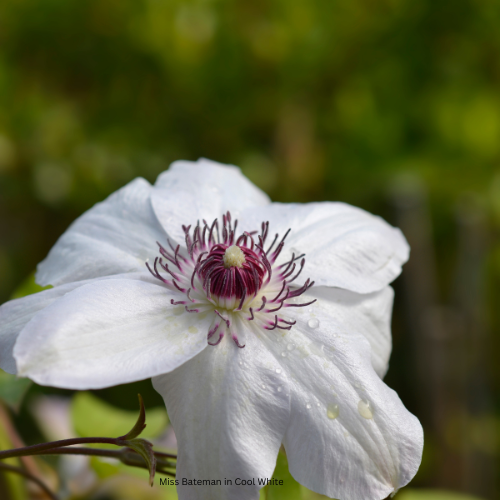
| Type | Miss Bateman |
|---|---|
| Color | White with red center |
| Bloom Time | Early season |
| Zones | 4 to 8 |
| Best Use | Trellis, wall, small arbor |
Give it morning sun and cool roots. You can keep the roots cool by adding mulch, which is a layer of bark or compost on top of the soil. Prune lightly after the first flush of flowers so the vine keeps its shape without losing next year’s buds.
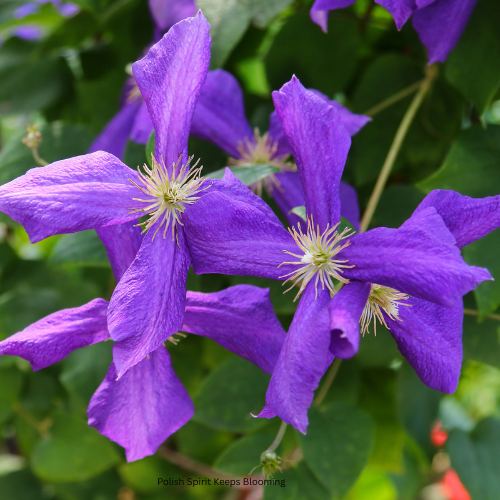
13. Polish Spirit Keeps Blooming
Some clematis are fussy. Polish Spirit is much easier. It grows fast, flowers for a long stretch, and fills empty space with deep purple blooms from summer into early fall.
Why gardeners love it
Polish Spirit is famous for steady blooming in zones 4 to 9. The flowers are not overly large, yet the vine makes so many that the whole plant looks covered. That heavy flower count makes it a smart pick for beginners.
Simple care that works
Plant it in full sun or light shade. Water deeply during dry weeks, especially in the first year. This one fits pruning group 3, which means you cut it back hard in late winter or early spring. That sounds harsh, but it helps fresh stems grow fast and bloom well.
If you want a clematis that gives a lot and asks for little, this one earns its place.
14. Josephine with Layered Petals
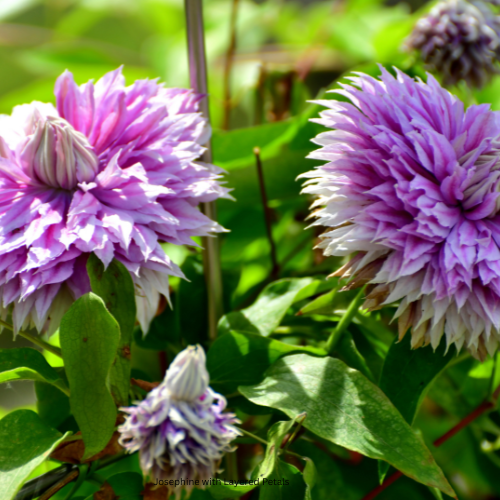
Josephine looks fancy, almost like a flower made from folded paper fans. Those extra inner petals create a full, stacked look. In simple words, layered petals means many petals sitting on top of each other instead of one flat row.
This variety grows best in zones 4 to 9 and likes a spot that gets sun without harsh afternoon heat. Too much hot sun can fade the pink and mauve tones. A wall with morning light often works well.
Feed Josephine with a balanced fertilizer in spring, then again after the first bloom wave. Remove faded flowers if you want the vine to look neat. Keep the soil moist, not soggy. Wet feet can weaken roots, and weak roots mean fewer blooms.
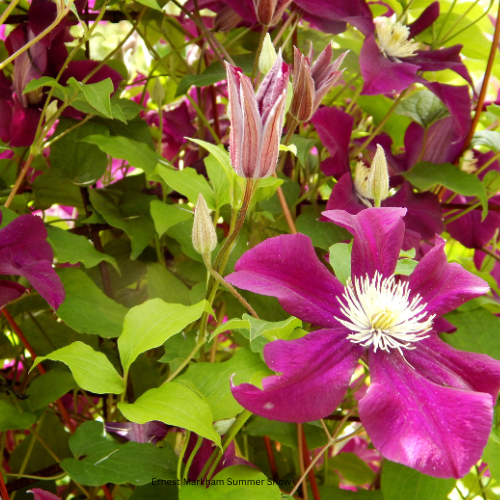
15. Ernest Markham Summer Show
Late summer can feel dull in the garden. Ernest Markham fixes that with bold magenta-red flowers that glow against green leaves. It grows well in zones 4 to 9 and looks striking on arches, fences, and tall supports.
Best spots for color
- Fence panels: The bright blooms stand out from a flat background and make the whole fence look softer.
- Garden arches: Long stems climb high and create a strong flower canopy by late season.
This clematis needs sturdy support because it can grow with real force. Prune it hard in late winter, like other group 3 types. That means cutting stems low so new shoots can rise and flower on fresh growth. Add compost in spring, and the summer show gets even better.
Easy Care Tips That Matter
Good clematis care starts with a few simple habits. Give vines sun on top, but keep the roots cool with mulch or low plants. Water deeply, not just a quick splash. Use a support early so stems can climb without snapping. Feed in spring, then again after the first flush if your plant blooms twice. Steady care beats fancy tricks.
| Variety | Zone |
|---|---|
| Nelly Moser | 4-9 |
| Jackmanii | 4-9 |
| Henryi | 4-9 |
| Multi Blue | 4-9 |
| Sweet Autumn | 4-9 |
| The President | 4-9 |
| Arabella | 4-9 |
| Ville de Lyon | 4-9 |
| Princess Diana | 4-9 |
| Comtesse de Bouchaud | 4-9 |
| Rouge Cardinal | 4-9 |
| Miss Bateman | 4-9 |
| Polish Spirit | 4-9 |
| Josephine | 4-9 |
| Ernest Markham | 4-9 |
- Mulch: A soil cover that helps roots stay cool and moist.
- Pruning: Cutting old or weak stems so the plant grows better.
If those words felt big, think of mulch as a blanket and pruning as a haircut. Simple, right?
Common Problems and Simple Fixes
Clematis can look dramatic when something goes wrong. A healthy vine one day can droop the next. Fast checks help you catch trouble before the whole plant slows down.
Wilt and Sudden Collapse
Clematis wilt means stems turn black or flop over very fast. Cut the damaged stem down to healthy growth. Clean your pruners first. Then keep watering the roots so the plant can push up new shoots from below.
Pests and Chewed Leaves
Aphids are tiny bugs that suck sap. Slugs chew holes, especially on young plants. Spray aphids off with water, and hand-pick slugs in the evening. A simple ring of grit or crushed eggshells can slow slugs down.
Weak Blooming
If you get leaves but few flowers, the plant may need more sun, better feeding, or the right pruning time. Too much shade often means fewer buds. Check the tag and trim only when that type calls for it.
Wrap Up for Better Blooms
The best clematis flowers come from a simple pattern. Pick a variety that fits your space and your zone.
Then give it sun, cool roots, strong support, and regular water. Feed it on time and learn the basic pruning group, so you do not cut off future buds. Small steps add up fast.
Healthy blooms are usually the result of steady care, not hard care. Start with one vine, stay consistent, and your garden can reward you with weeks of color instead of a short show.
Note
Clematis looks fancy, but the care does not need to feel hard. Keep the zone in mind before you buy. Match the vine to your light, space, and support. Then stay steady with water, mulch, and simple pruning.
This is the part many gardeners miss: small care jobs done at the right time matter more than big rescue jobs later. Save this guide, check the slim zone table, and use the problem fixes when a plant looks off. Your clematis can bloom longer, climb better, and come back stronger each season.
Last modified: June 13, 2026
