

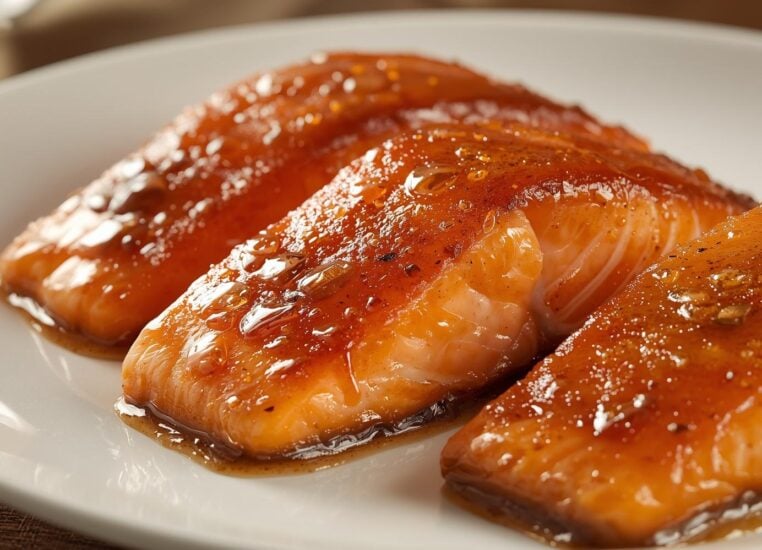
There’s a misconception that cooking elegant, restaurant-quality salmon at home requires special skills or hours of prep work. This Brown Sugar Glazed Salmon Recipe demolishes that myth.
It’s restaurant-worthy, it’s impressively flavorful, and it comes together in less time than ordering takeout. I’ve made this recipe dozens of times, for busy weeknight dinners, special date nights, and impressing guests who assumed I was a trained chef.
The first time I created this glaze, I was experimenting with pantry staples. I wanted something that balanced sweet, savory, and just a hint of spice – without being complicated.
Brown sugar, soy sauce, ginger, and a touch of butter later, this recipe was born. Now it’s the one my family requests on repeat, and the one I recommend to anyone who says they don’t know how to cook salmon.
Here’s the truth: Perfect salmon doesn’t require fancy equipment or rare ingredients. It requires one thing – a really good glaze and knowing when to stop cooking. This recipe nails both.
Why People Love This Salmon Recipe Dinner
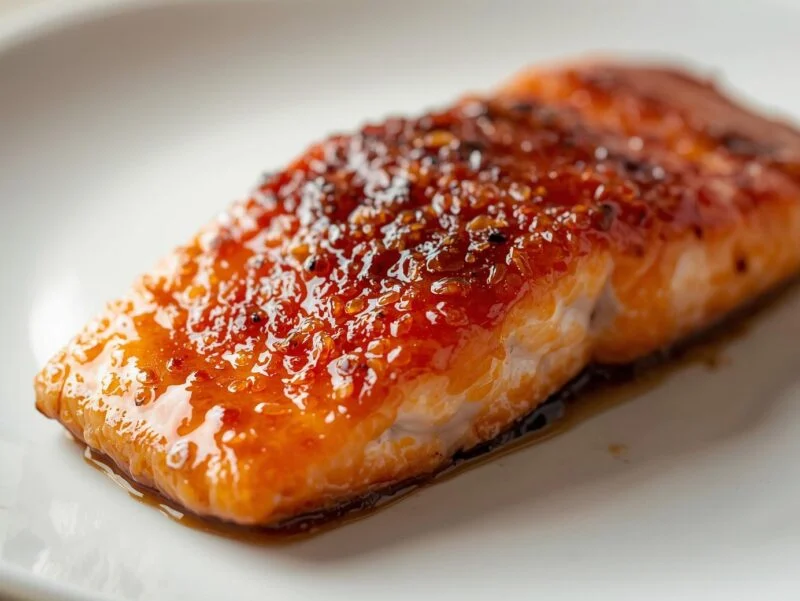
It’s fast. Salmon cooks in 12-15 minutes. The glaze comes together in under 5 minutes. Total time from grocery bag to dinner table: 30 minutes, max.
The glaze is the star. Brown sugar creates a caramelized, sticky coating. Soy sauce adds umami depth. Fresh ginger brings brightness. Butter makes everything luxurious. Together, they transform simple salmon into something craveable.
Moist, flaky, perfectly cooked salmon. No dry, overcooked fish here. You’ll learn the exact timing and method to get it right every single time.
Works for weeknights AND date nights. Casual enough for a Tuesday, fancy enough to impress. Your guests won’t believe you made this in your home kitchen.
Naturally healthy and protein-packed. Salmon is loaded with omega-3 fatty acids. This recipe adds minimal calories and maximum flavor.
Requires zero special equipment. A baking sheet, a brush, and an oven. That’s it.
Ingredients
For the Brown Sugar Glaze:
- ⅓ cup packed brown sugar
- 3 tablespoons soy sauce (or tamari for gluten-free)
- 2 tablespoons unsalted butter
- 1 tablespoon fresh ginger, minced (or 1 teaspoon ground ginger)
- 2 cloves garlic, minced
- 1 tablespoon rice vinegar (or apple cider vinegar)
- 1 teaspoon Dijon mustard
- ½ teaspoon red pepper flakes (optional, for gentle heat)
- 1 teaspoon cornstarch (optional, for thicker glaze)
- 1 teaspoon water (if using cornstarch)
For the Salmon:
- 4 salmon fillets (5-6 oz each, skin-on or skinless – your choice)
- Salt and black pepper (to taste)
- 1 tablespoon olive oil
- 2 tablespoons fresh lemon juice
For Garnish (Optional but Recommended):
- 2 tablespoons chopped fresh parsley (or scallions)
- 1 teaspoon sesame seeds
- Lemon wedges (for serving)
Step-by-Step Instructions
Step 1: Make the Glaze
In a small saucepan over medium heat, melt the butter. Add the minced ginger and garlic, stirring constantly for about 1 minute until fragrant. This blooming process releases the essential oils and deepens the flavor.
Add the brown sugar, soy sauce, rice vinegar, and Dijon mustard. Stir well until the brown sugar dissolves completely. The mixture should be smooth, glossy, and deeply aromatic. If you’re using cornstarch, whisk it with 1 teaspoon of water first, then add to the saucepan. Stir for another minute until the glaze thickens slightly.
Timing tip: Make the glaze while your oven preheats. It keeps perfectly at room temperature for 30 minutes, so you have flexibility here.
Step 2: Prepare Your Oven
Preheat your oven to 400°F. Line a large baking sheet with parchment paper or aluminum foil for easy cleanup. Parchment is my preference – it prevents sticking without imparting a metallic taste.
Step 3: Prep the Salmon
Pat the salmon fillets completely dry with paper towels. This is crucial dry skin browns better and creates a more appetizing crust. If there are any small pin bones (you’ll feel them with your fingers), remove them with tweezers or fine pliers.
Season both sides of each fillet lightly with salt and black pepper. Don’t over-season – the glaze is already salty from the soy sauce.
Step 4: Sear the Salmon (Optional but Recommended)
Heat 1 tablespoon of olive oil in a large oven-safe skillet over medium-high heat. Once the oil is hot, carefully place the salmon fillets skin-side up in the pan. Sear for 2-3 minutes until the bottom develops a light golden crust. This adds flavor through browning and helps lock in moisture.
If you don’t have an oven-safe skillet, skip this step and go straight to the baking sheet the salmon will still be delicious.
Step 5: Brush with Glaze
Transfer the salmon to your prepared baking sheet, placing them skin-side down (or in whatever direction worked in your skillet). Brush the top of each fillet generously with the brown sugar glaze, using about 1 tablespoon per fillet. Reserve any remaining glaze for a second coat later.
Step 6: Bake
Place in the preheated 400°F oven for 10-12 minutes, depending on the thickness of your fillets. The salmon is done when it flakes easily with a fork and the thickest part registers 145°F on an instant-read thermometer.
Pro tip: Start checking at the 10-minute mark. Overcooked salmon is dry salmon we’re aiming for just-cooked with a touch of translucence in the very center.
Step 7: Second Glaze (Optional)
At the 8-minute mark, remove the pan from the oven and brush the salmon with another thin layer of glaze. Return to the oven for the final 2-4 minutes. This creates a caramelized, sticky finish that’s absolutely irresistible.
Step 8: Finish with Fresh Elements
Remove from the oven. Squeeze fresh lemon juice over each fillet. Sprinkle with chopped parsley and sesame seeds if desired. These fresh garnishes brighten the rich glaze and add visual appeal.
Step 9: Rest Briefly
Let the salmon rest on the baking sheet for 2-3 minutes before serving. This allows the juices to redistribute throughout the fish, keeping it moist.
Step 10: Serve Immediately
Plate while warm, drizzling any pan juices over the top. Serve with lemon wedges on the side for those who want extra brightness.
Tips for Perfect Salmon
Invest in quality salmon. Wild-caught is more flavorful than farmed, but either works beautifully with this glaze. Look for bright color and avoid anything that smells “fishy” fresh salmon smells like the ocean, not funk.
Don’t skip the drying step. Wet fish steams instead of sears. Pat it dry, and you’ll get exponentially better results.
Room temperature salmon cooks more evenly. Remove it from the fridge 10-15 minutes before cooking so the inside cooks at the same rate as the outside.
Use an instant-read thermometer. 145°F is the USDA safe internal temperature and the perfect doneness point. Guess and you might overcook it.
The glaze browns, not burns. If it’s blackening, your oven might run hot. Lower the temperature to 375°F and add 2-3 minutes to the bake time.
Don’t flip the salmon. Cooked skin-down, it stays moist and gets crispy. Flipping risks drying it out and breaking the flesh.
Make extra glaze. Double the recipe and keep it in the fridge for drizzling over rice, roasted vegetables, or next week’s salmon.
Serving Suggestions
Light & Simple:
- Steamed jasmine rice
- Roasted green beans with garlic
- Simple garden salad with lemon vinaigrette
Asian-Inspired:
- Fried rice with eggs and scallions
- Edamame
- Pickled ginger
Date Night Elegant:
- Creamy risotto or polenta
- Roasted asparagus
- Side of crusty bread for soaking up glaze
Quick & Healthy:
- Cauliflower rice
- Roasted broccoli
- Fresh fruit salad
Leftovers (Yes, Eat Them Cold!):
- Over a green salad for lunch
- In a grain bowl with vegetables
- On a bagel with cream cheese and cucumber
Variations & Flavor Twists
Maple Glazed Salmon: Replace brown sugar with maple syrup. Add 1 tablespoon Dijon mustard. Reduce soy sauce to 2 tablespoons. Creates a more autumn-inspired profile.
Spicy Honey Sriracha: Use 3 tablespoons honey instead of brown sugar. Add 1-2 tablespoons sriracha, ½ teaspoon ginger, and 1 tablespoon lime juice. Top with cilantro instead of parsley.
Teriyaki Style: Add 1 tablespoon mirin (sweet rice wine), increase soy sauce to 4 tablespoons, and reduce brown sugar to 2 tablespoons. Finish with sesame seeds and scallions.
Citrus & Herb: Add zest of 1 orange and 1 lemon to the glaze. Include 1 teaspoon fresh thyme. Finish with fresh orange slices and microgreens.
Mustard & Herb: Use only 1 tablespoon brown sugar and 2 tablespoons Dijon mustard as your glaze base. Add fresh tarragon and a touch of white wine vinegar.
Pomegranate Glaze: Use pomegranate juice instead of vinegar, reduce soy sauce to 1 tablespoon, add 2 tablespoons honey. Top with pomegranate seeds and fresh mint.
Storage & Make-Ahead Tips
Cooked Salmon (Refrigerator): Keep in an airtight container for up to 3-4 days. Reheat gently in a 275°F oven for 8-10 minutes until warmed through.
Raw Salmon (Refrigerator): Use within 1-2 days of purchase for best quality and food safety.
Freezing Cooked Salmon: Wrap tightly in plastic wrap and foil. Freeze for up to 2 months. Thaw overnight in the fridge before reheating.
Glaze Make-Ahead: The glaze keeps refrigerated in an airtight jar for up to 2 weeks. Warm gently before brushing on fresh salmon.
Meal Prep Strategy: Make the glaze on Sunday. Cook salmon mid-week. Use leftovers in grain bowls, salads, or cold over vegetables throughout the week.
Nutritional Information
Per Salmon Fillet (with glaze):
- Calories: 280
- Total Fat: 16g
- Saturated Fat: 4g
- Protein: 28g
- Carbohydrates: 11g
- Fiber: 0g
- Sugar: 10g
- Sodium: 420mg
Values are estimates and vary based on salmon size and glaze amount used.
Final Thoughts
This Brown Sugar Glazed Salmon recipe is my answer to the weeknight dinner question: “What can I make that’s healthy, delicious, impressive, and fast?” It’s the recipe that convinced my salmon-skeptical family member that they actually love salmon. It’s the one that became a regular rotation in my meal planning.
Cook this salmon tonight. Watch your family’s reaction. Feel the confidence that comes from creating restaurant-quality dinner at home. Then make it again next week because it’s just that good.
What’s your go-to weeknight protein?
Have you cooked salmon before?
Drop your salmon stories in the comments.
I’d love to hear what you’re making for dinner!
Last modified: July 19, 2026
