

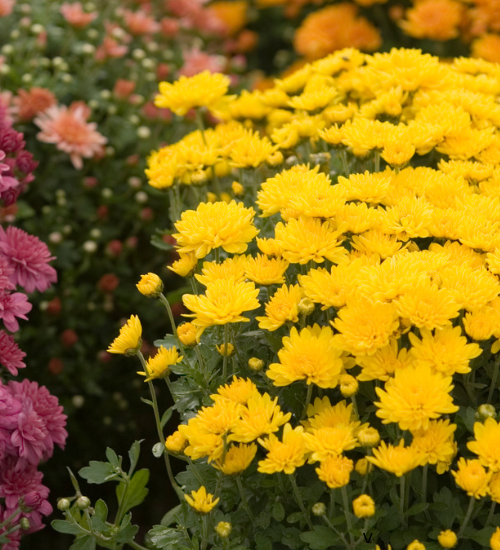
Late fall can make a patio or porch look empty. Summer annuals have faded, heat-loving plants have slowed down, and the garden may be waiting for winter. A well-planned container can bring back color without requiring a complete landscape renovation.
The best flowers for a late fall patio planter are plants that tolerate cool nights and can handle the changing conditions of the season. In some climates, a planter can remain colorful well into winter. In colder regions, the goal may be to enjoy several weeks of flowers before protecting or replacing the container.
Container gardening in late fall is less about forcing summer plants to continue blooming and more about choosing plants that naturally appreciate cooler weather.
Check Your Local Conditions First
Late fall weather varies greatly. A plant that flowers outdoors through December in a mild region may freeze quickly in a colder location.
Before planting, consider:
- Expected first frost date
- Nighttime temperatures
- Wind exposure
- Available sunlight
- Whether the container can be moved
- Drainage during rainy weather
- The hardiness of each plant
A container is more vulnerable to cold than a plant in the ground because roots are surrounded by a smaller amount of soil. Even hardy plants may need protection during a deep freeze.
Pansies
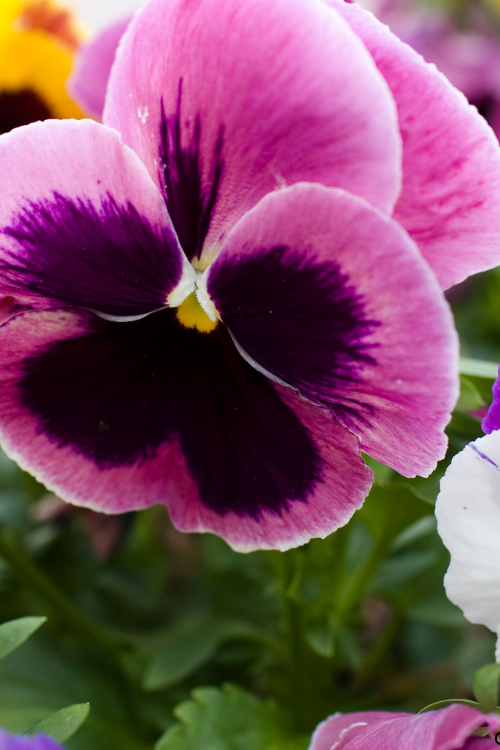
Pansies are dependable choices for cool-season containers. Their flowers come in many colors, including purple, yellow, white, blue, orange, and mixed shades.
Use pansies as the main flowering plant in a small planter or combine them with trailing foliage. They look especially attractive when several colors are repeated rather than randomly mixed.
Pansies prefer cool weather and regular moisture. Remove faded flowers to encourage continued blooming. Place the planter where it receives bright light but is protected from strong, drying wind.
Violas
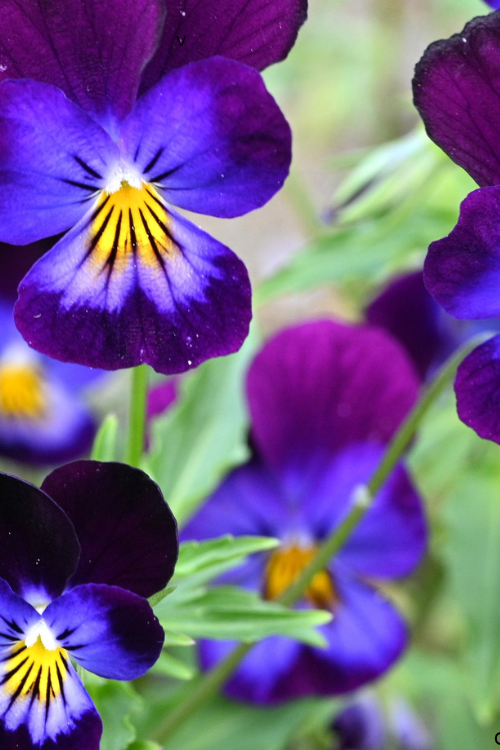
Violas are smaller than pansies but often produce many flowers. Their compact growth makes them useful for the front edge of a container.
Combine violas with ornamental grasses, small evergreen plants, or trailing ivy. Their smaller flowers create detail without overwhelming a narrow planter.
Violas may tolerate light frost, but repeated hard freezes can damage them. In milder areas, they may continue flowering through much of winter.
Ornamental Kale and Cabbage
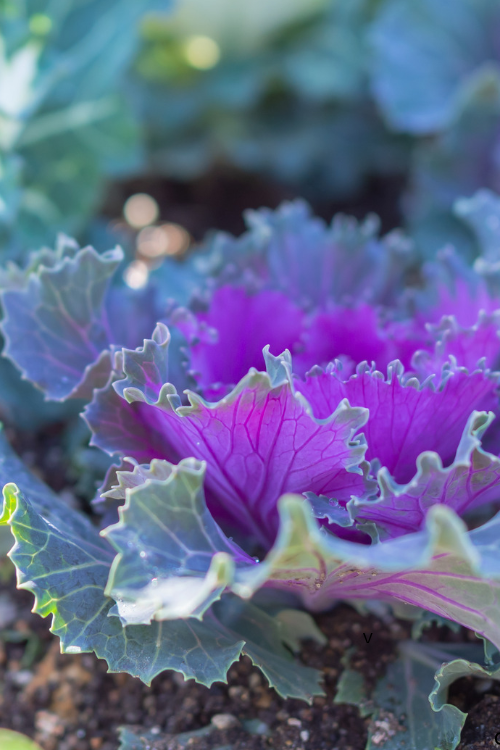
Ornamental kale and cabbage provide foliage rather than traditional flowers, but their rosettes can become the centerpiece of a late-fall container.
Colors range from green and white to pink, purple, and rose. Their leaves often become more colorful as temperatures cool.
Use one large ornamental cabbage in the center of a container or group several smaller plants together. Combine them with pansies, violas, trailing plants, or branches.
Remove damaged outer leaves as needed. Avoid placing the plants in constantly soggy soil.
Cyclamen
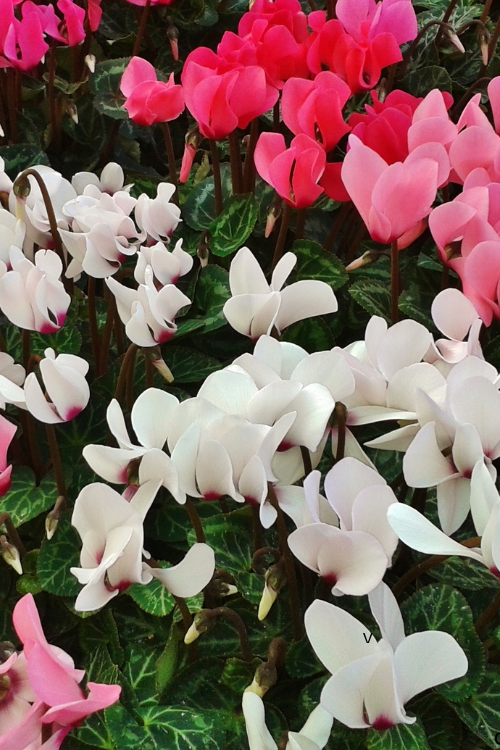
Cyclamen can bring intense color to a sheltered container. Their flowers rise above patterned foliage and may appear in shades of pink, red, white, or purple.
They prefer cool conditions but do not always tolerate severe freezing. Place them near a doorway, under an overhang, or in another protected location.
Water carefully around the soil rather than directly into the crown. Remove faded flowers by pulling the stem cleanly from the base.
Cyclamen can look elegant in a simple container with dark foliage and pale flowers.
Chrysanthemums
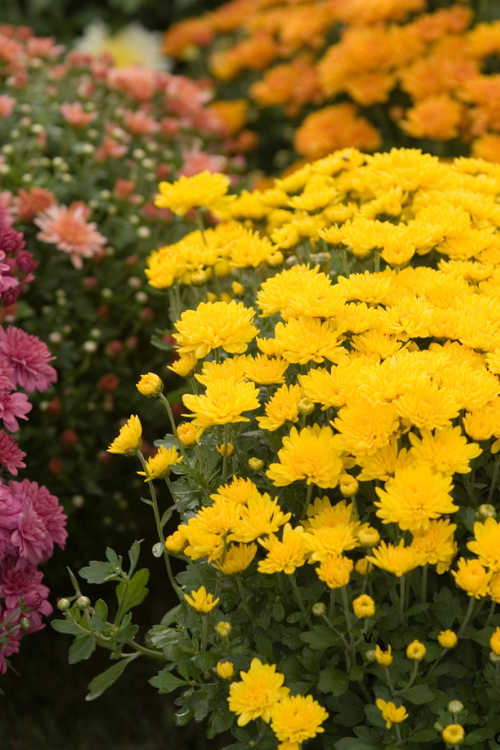
Chrysanthemums remain useful for late-fall containers because they provide dense color when many summer flowers have faded. Choose plants with unopened buds as well as open flowers so the display lasts longer.
Mums need good drainage and regular watering while flowering. Avoid placing them in a container that dries completely between waterings.
They can be used alone for a bold display or softened with ornamental grasses, ivy, and small-leaved foliage.
Flowering Kale Companions
A planter does not need to rely on flowers alone. Foliage creates structure when blooms are limited.
Consider combining flowering plants with:
- Silver-leaved dusty miller
- Creeping wire vine
- Ivy
- Small ornamental grasses
- Heuchera
- Evergreen herbs
- Trailing rosemary in suitable climates
- Small conifers
Choose companions with similar light and watering needs. Do not combine a plant that wants dry soil with one that requires frequent moisture simply because their colors match.
Four Late-Fall Container Combinations
Combination 1: Classic Porch Planter
- Purple and yellow pansies
- White violas
- Silver foliage
- Trailing ivy
This combination works well near a front door. The bright flowers are easy to see from a distance, while the ivy softens the container edge.
Combination 2: Textured Autumn Pot
- Ornamental cabbage
- Bronze chrysanthemums
- Purple violas
- Small ornamental grass
The cabbage provides a central rosette, mums add warm color, and violas fill the lower spaces.
Combination 3: Cool and Elegant
- White cyclamen
- Silver foliage
- Dark green evergreen
- Purple violas
Use this arrangement in a sheltered area where the delicate flowers are protected from wind and severe frost.
Combination 4: Rustic Harvest Planter
- Orange chrysanthemums
- Burgundy ornamental kale
- Golden sedge
- Trailing ivy
This combination suits a porch with pumpkins, baskets, or natural wood accents without repeating the same fall display found everywhere.
Container Size Matters
Larger containers hold more soil and usually protect roots better than very small pots. They also dry out more slowly and provide more room for combining plants.
Make sure every container has drainage holes. If the pot has no drainage, excess rain can collect around the roots and cause rot.
Do not place a small pot inside a decorative container where water can become trapped. Empty saucers after heavy rain when temperatures are expected to fall.
How to Plant the Container
Begin with fresh potting mix rather than garden soil. Garden soil is often too dense for containers and can drain poorly.
Place the tallest or central plant first. Add the middle-height plants around it, then place trailing plants near the edge.
Do not pack plants so tightly that their foliage touches constantly. Containers often look slightly sparse at planting time but fill in as the plants grow.
Water thoroughly after planting until water exits the drainage holes. This settles the soil around the roots and removes large air pockets.
Watering in Cool Weather
Cool temperatures do not eliminate the need for water. Containers can dry out quickly in wind, especially when placed near walls or railings.
Check the soil with your finger. Water when the top layer feels dry according to the needs of the plants. Water in the morning when possible so excess moisture does not remain on foliage overnight.
During rainy periods, check that drainage holes remain clear. Overwatering is especially common when gardeners follow a summer watering schedule after temperatures have dropped.
Protecting Plants From Frost
Move portable containers near a wall, under a covered porch, or into an enclosed area when a hard freeze is forecast.
For larger pots that cannot be moved, group them together and wrap the outside of the containers with blankets, burlap, or frost protection material. Keep coverings from pressing heavily on delicate flowers.
Do not leave plastic touching foliage overnight. It can trap moisture and cause damage when temperatures fall.
A light frost may only affect flowers, while a prolonged freeze can damage roots. Know which plants can recover and which should be treated as seasonal displays.
Refreshing a Tired Planter
If a container still has healthy foliage but fewer flowers, remove damaged stems and add a few seasonal plants around the edges.
You can also add:
- Decorative branches
- Pinecones
- Dried seed heads
- Small evergreen cuttings
- Natural twigs
- A weather-resistant ornament
Keep additions away from the plant crowns and avoid blocking drainage. Decorative material should support the plants rather than crowd them.
Quick Reference Table
| Plant | Best feature | Best location |
|---|---|---|
| Pansy | Large, colorful flowers | Bright porch or patio |
| Viola | Many small blooms | Container edge |
| Ornamental kale | Colorful foliage | Center or middle layer |
| Cyclamen | Elegant flowers | Sheltered area |
| Chrysanthemum | Dense seasonal color | Sunny container |
| Ivy | Trailing texture | Container edge |
| Heuchera | Decorative leaves | Part shade |
| Ornamental grass | Movement and height | Middle or back |
Final Thoughts
The best flowers for a late fall patio planter combine cool-weather performance with attractive foliage and manageable care. Pansies, violas, ornamental kale, cyclamen, and chrysanthemums can provide color when summer containers are finished.
Choose plants for your local frost conditions, use containers with good drainage, and place delicate selections where they are protected from wind. With a few thoughtful combinations, your porch or patio can remain welcoming long after the summer garden has faded.
Last modified: October 26, 2026
