

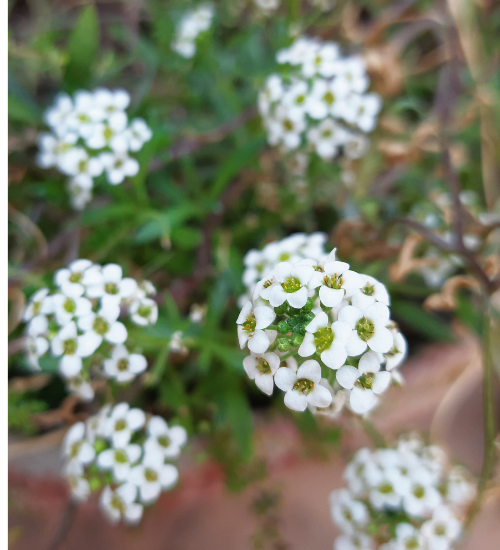
A porch can look bare once summer annuals fade, but containers make it possible to keep color and texture close to the front door. With the right choices, winter flowering container plants for a porch can provide blooms, foliage, fragrance, and structure through the coldest part of the year.
The best plants depend heavily on climate. A flower that blooms outdoors in a mild coastal region may need protection or indoor treatment in a colder area. Before planting, check your hardiness zone, expected frost dates, and whether the porch is exposed to wind.
Container gardening also creates a special challenge: roots in pots experience colder temperatures than roots in the ground. Pots can freeze quickly, dry out during sunny weather, or become waterlogged during winter rain.
Start with the porch conditions
Observe the porch before choosing plants. Ask:
- Does it receive morning, afternoon, or filtered sun?
- Is it protected by a roof?
- Does wind reach the containers?
- Can water drain freely?
- Will the pots be moved during freezing weather?
- Is the porch close enough to the house for easy watering?
A covered porch may protect flowers from heavy rain but can also prevent them from receiving enough moisture. A sunny, exposed porch may support more flowers but require more frequent watering.
1. Pansies
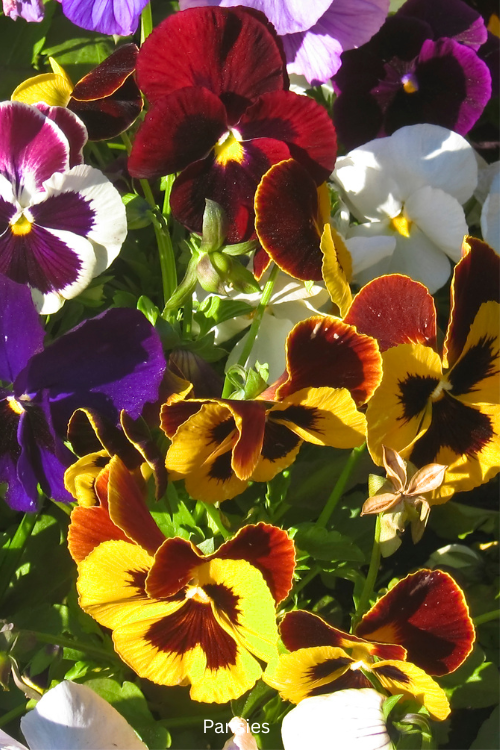
Pansies are among the most reliable cool-season flowers for containers. They come in nearly every color, including purple, yellow, white, orange, and blue.
Use pansies alone for a classic display or combine them with trailing plants and evergreen foliage. In mild climates, they may bloom through winter and continue into spring. In colder regions, they may pause during severe freezes and recover later.
Remove faded flowers regularly to encourage a tidy appearance and additional blooms.
2. Violas
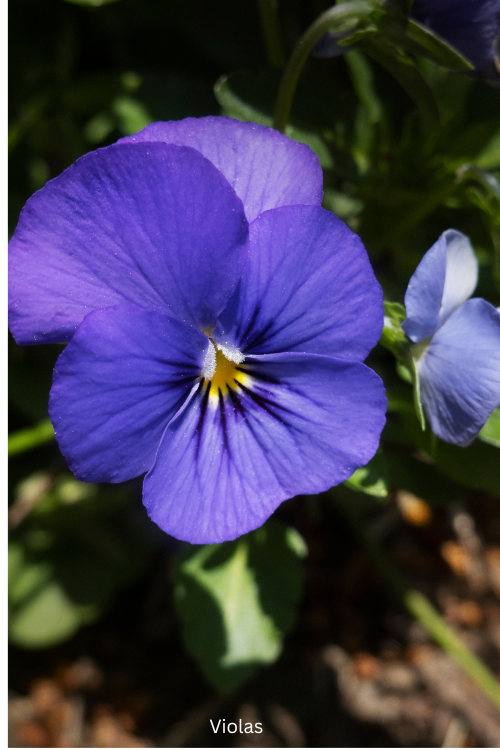
Violas have smaller flowers than pansies but often produce more of them. Their compact growth makes them useful for the front edge of a mixed container.
Try pairing purple violas with silver foliage, white flowers, or burgundy ornamental grasses. They are also excellent for smaller pots where large plants would look crowded.
3. Cyclamen
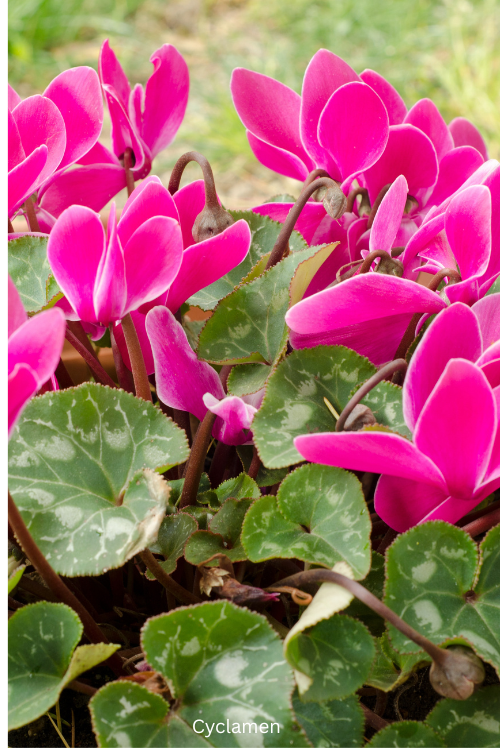
Florist’s cyclamen provides vivid flowers in pink, red, white, and purple. It prefers cool conditions and bright, indirect light, making it useful for a protected porch.
Avoid placing cyclamen in a warm, dry location near a heater or heat vent. Water around the edge of the pot rather than directly into the crown. In regions with hard freezes, move it to a protected location.
4. Flowering kale and cabbage
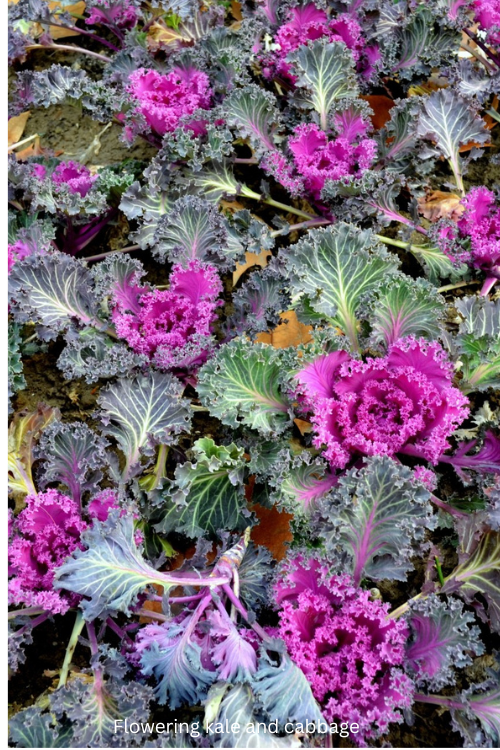
Although grown primarily for foliage, flowering kale and cabbage add strong winter color. Their leaves may develop purple, pink, cream, or blue-green tones as temperatures cool.
They work well as the central foliage plant in a container. Pair them with pansies, violas, or trailing ivy for contrast.
5. Primrose
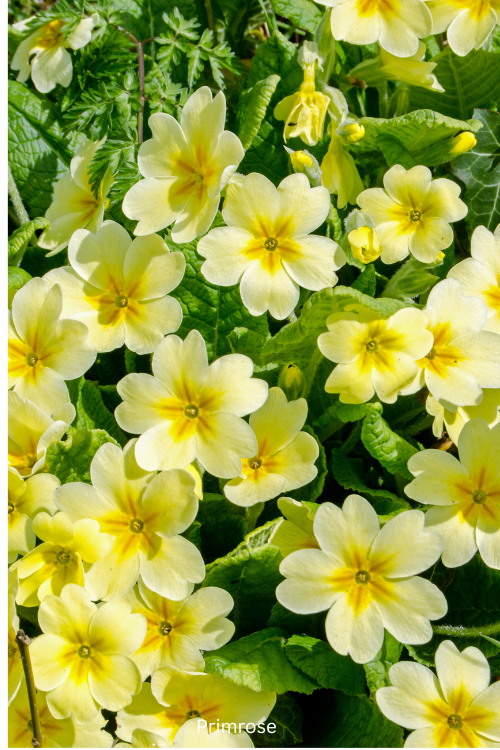
Primroses bring cheerful color to cool-season pots. Depending on the variety, flowers may be yellow, pink, red, purple, or white.
Place them where they receive bright light but are protected from harsh afternoon sun. Keep the soil evenly moist without allowing the container to sit in water.
6. Snapdragons
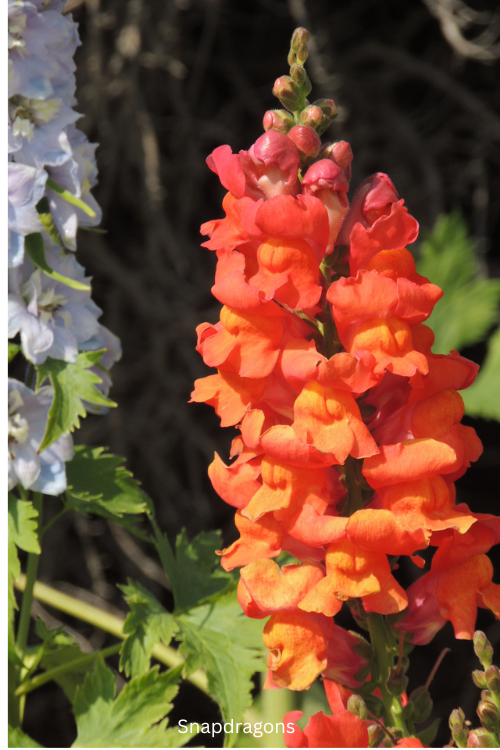
In mild climates, snapdragons can continue flowering through winter. Their upright stems create height and make them useful as a “thriller” plant in a container arrangement.
Choose shorter varieties for exposed porches and taller types for sheltered locations. Remove faded flower spikes to encourage new growth.
7. Calendula
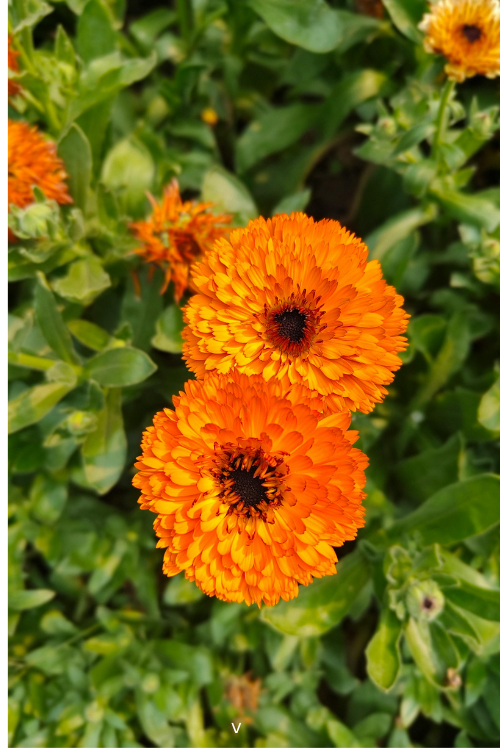
Calendula produces daisy-like flowers in warm shades of yellow and orange. It prefers cool weather and can bloom through winter in regions without prolonged hard freezes.
Use calendula in sunny containers with well-drained soil. Its cheerful color works particularly well with blue-gray foliage and dark pots.
8. Sweet alyssum
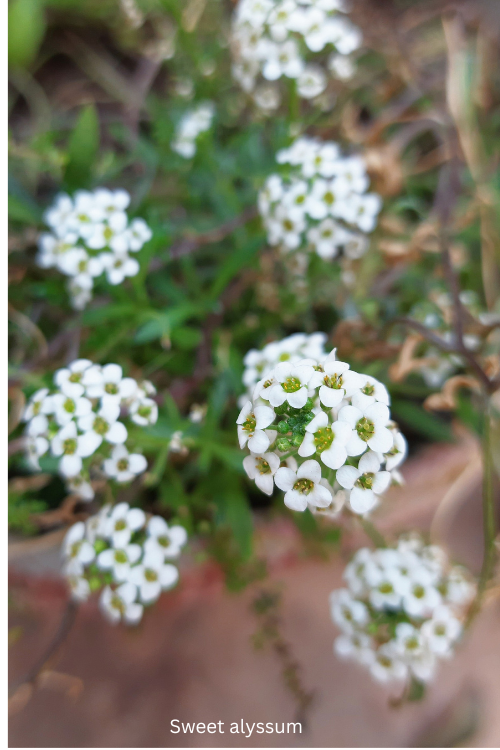
Sweet alyssum creates a low, trailing edge of tiny white, pink, or lavender flowers. In mild climates, it may continue blooming through cool weather.
It is useful as a spiller around pansies, ornamental kale, or small evergreen shrubs. Trim lightly if it becomes untidy.
9. Flowering heather
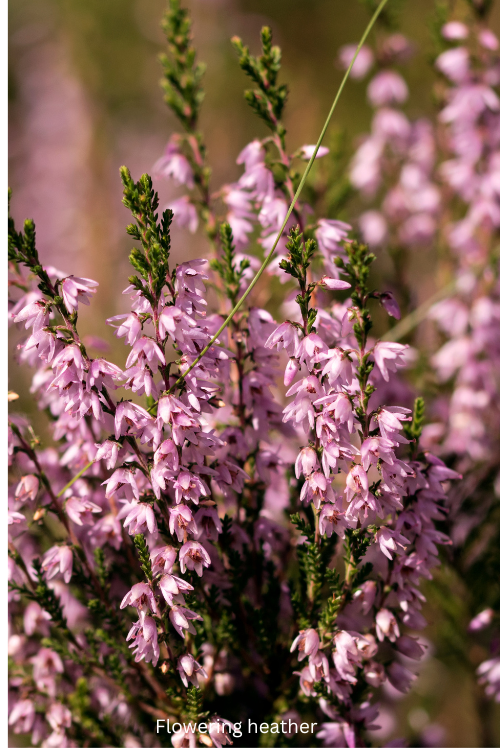
Heathers provide both flowers and evergreen texture. Their small bell-shaped blooms appear in shades of pink, purple, white, or red, depending on the variety.
Use acidic, well-drained potting mix when required by the specific plant. Heathers dislike constantly soggy soil, especially during cold weather.
10. Hellebores
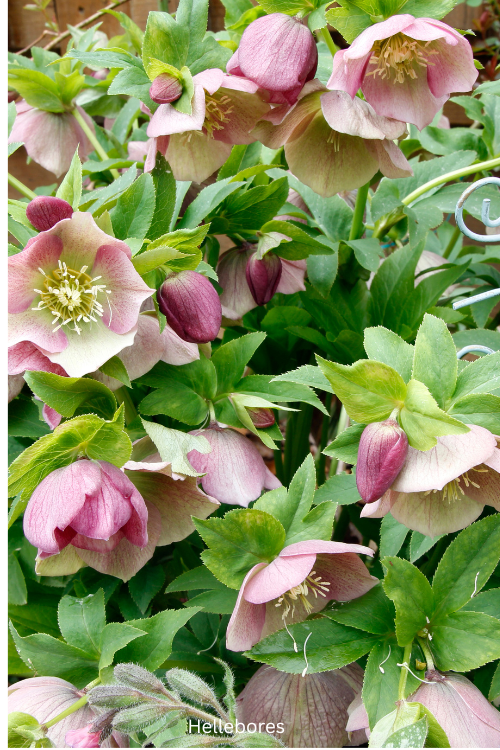
Hellebores are perennial plants that may flower in late winter or early spring. They are better suited to large, stable containers because they can remain in place for several seasons.
Choose a container with excellent drainage and protect it from extreme exposure. Once established, hellebores provide long-lasting structure even when other flowers are resting.
11. Winter jasmine
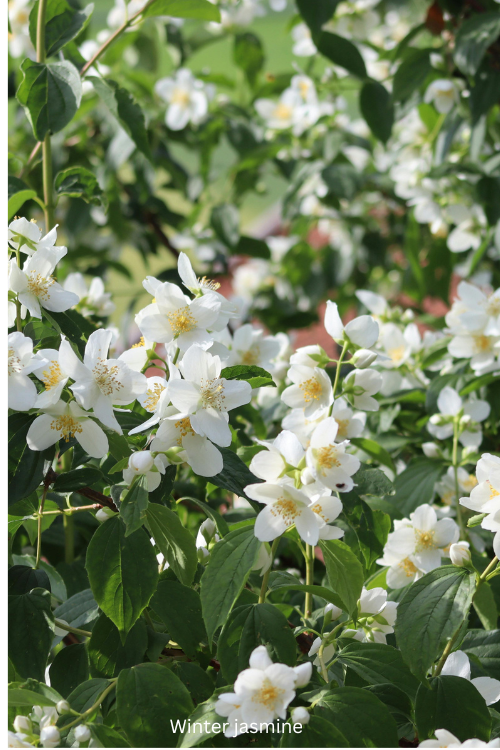
Winter jasmine is usually grown as a shrub or vine rather than a small container annual, but it can work in a large pot on a protected porch. Its bright yellow flowers appear on arching stems.
Give it strong support and room to grow. Prune after flowering to maintain its shape.
12. Ornamental grasses
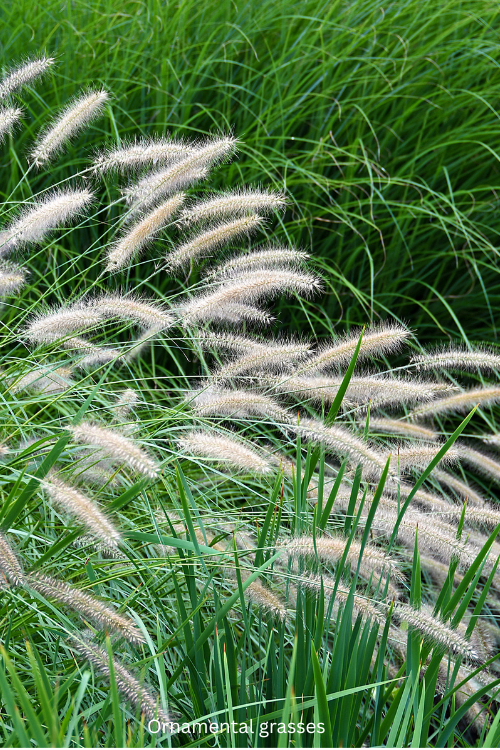
Many grasses do not flower heavily in winter, but their seed heads and upright texture can make a container look complete after annual flowers fade.
Use compact grasses as a central feature with pansies or violas planted around the base. Cut back deciduous grasses in late winter before new growth begins.
13. Evergreen herbs
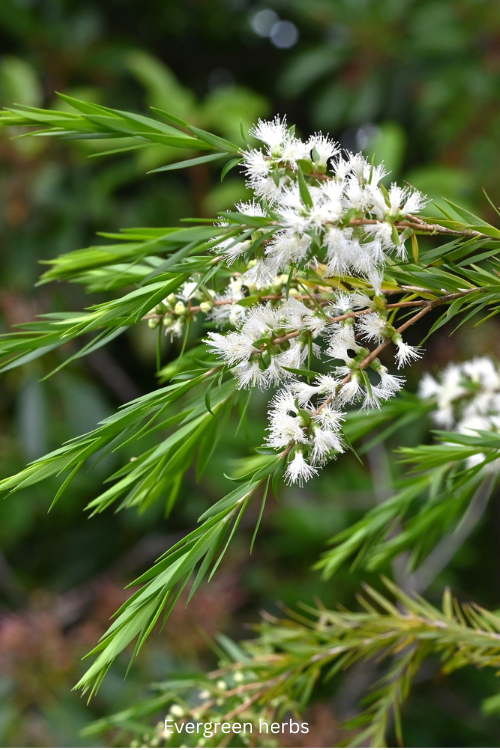
Rosemary, thyme, and sage can add fragrance and year-round foliage to a winter container. In mild climates, some may produce small flowers that attract insects during warm spells.
Use herbs in a sunny, well-drained pot. Avoid overwatering, especially if the container is protected from rainfall.
Three easy winter container combinations
Combination one: classic front-door pot
- One small ornamental grass
- Three purple pansies
- Three white violas
- Trailing sweet alyssum
This combination provides height, contrast, and a soft edge.
Combination two: warm autumn-to-winter pot
- One flowering kale
- Two orange calendulas
- Three bronze violas
- Trailing ivy
This design works well in a dark or neutral-colored container.
Combination three: protected porch arrangement
- One flowering cyclamen
- Two white pansies
- Silver foliage plant
- Small evergreen branch accents
Keep this combination in bright, indirect light and protect it from hard freezes.
How to arrange the plants
Use the thriller, filler, and spiller method:
| Role | Function | Examples |
|---|---|---|
| Thriller | Adds height | Grass, snapdragon, kale |
| Filler | Creates volume | Pansy, viola, primrose |
| Spiller | Softens the edge | Alyssum, ivy, trailing viola |
Not every container needs all three roles. A small pot may look better with one plant type repeated in a simple mass.
Place taller plants toward the center or back of a container that will be viewed from one direction. For a pot visible from all sides, place the tallest plant in the middle.
Protecting containers from frost
Pots made from ceramic or terracotta can crack when moisture freezes and expands. Use frost-resistant containers or move fragile pots into a sheltered area during freezing weather.
Group containers near a wall for some protection. Wrap pots with insulating material if necessary, but do not block drainage holes.
When frost is expected, cover sensitive plants with breathable fabric rather than plastic touching the foliage. Remove the covering once temperatures rise.
Watering winter containers
Winter plants still need water, especially on sunny or windy days. Check the potting mix with your finger before watering.
Water when the top layer begins to dry, but avoid keeping the soil saturated. Plants use less water in cool weather, and wet roots are vulnerable to rot.
Containers under a roof may need more frequent watering than those exposed to rain. Always confirm that excess water can drain away.
Final thoughts
The best winter flowering container plants for a porch are those that match your climate, light, and willingness to protect them during freezes. Pansies, violas, cyclamen, calendula, flowering kale, and sweet alyssum provide quick seasonal color, while hellebores, heathers, grasses, and evergreen herbs add longer-term structure.
Choose a few plants with contrasting heights and textures, place the container where you will see it often, and adjust care as weather changes. Even one well-planted pot can make a winter entrance feel welcoming.
Last modified: October 15, 2026
