

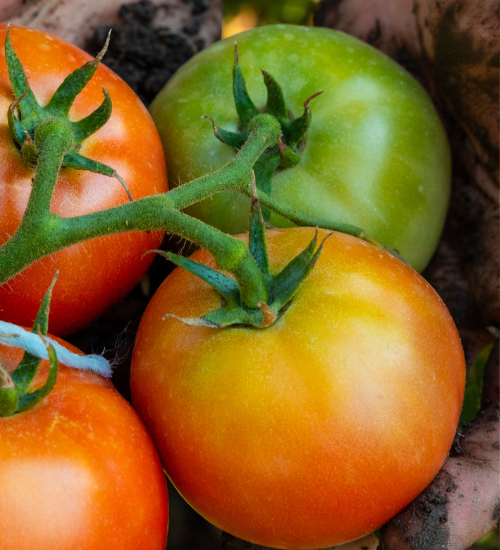
October is a perfect month to prepare your garden for colder weather. The main growing season may be slowing down, but there is still plenty to do before winter arrives. A little planning now can protect plants, improve soil, reduce disease problems, and make spring gardening much easier.
The best fall cleanup is not about removing every leaf and cutting every plant to the ground. Some leaves can become useful mulch, while certain flower stems provide shelter and food for wildlife. The goal is to clean up problem areas, protect vulnerable plants, and leave the soil in better condition than you found it.
Use this October garden cleanup checklist to work through your yard one section at a time.
1. Check Your Local Frost Date
Before beginning major cleanup, check the expected first frost date for your area. October weather varies considerably between regions. Some gardeners may still be harvesting vegetables, while others are already dealing with freezing nights.
Your local frost date helps determine when to:
- Harvest tender vegetables
- Move container plants indoors
- Protect herbs and flowers
- Dig up tender bulbs
- Stop planting warm-season crops
- Add winter mulch
A garden calendar based on your USDA hardiness zone is more useful than a general national schedule. Even neighboring towns can experience different frost conditions because of elevation, wind, and proximity to water.
2. Harvest Remaining Vegetables
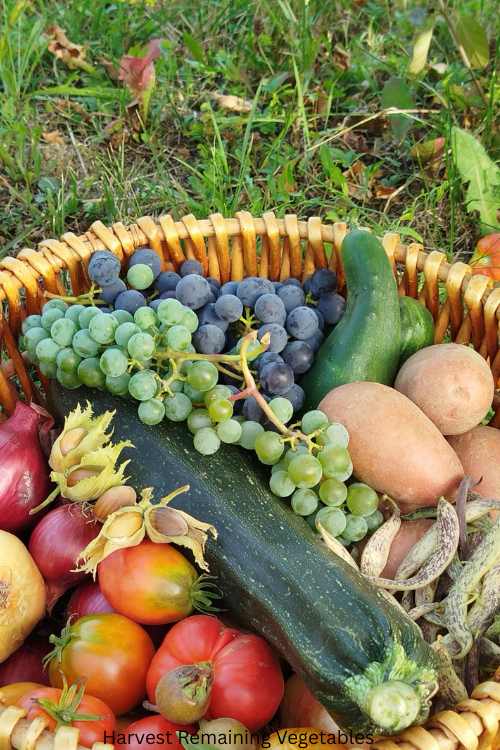
Harvest warm-season crops before a hard freeze damages them. Tomatoes, peppers, eggplants, beans, cucumbers, and summer squash are especially vulnerable to cold temperatures.
Green tomatoes can often ripen indoors. Place them in a single layer in a cool location away from direct sunlight. Check them regularly and remove any fruit that begins to rot.
Root vegetables such as carrots, beets, and parsnips may tolerate light frosts. In some climates, cool temperatures can even improve their flavor. However, do not leave crops in frozen or waterlogged soil for too long.
Remove overripe or damaged produce from the garden. Fallen vegetables can attract rodents and may allow pests or diseases to remain in the soil.
3. Remove Diseased Plant Material
One of the most important fall cleanup tasks is removing plants affected by serious disease or insect infestations.
Do not place diseased leaves, stems, or fruits in a home compost pile unless you are certain your compost reaches temperatures high enough to destroy pathogens. In most backyard compost systems, it is safer to discard diseased material according to local guidelines.
Remove plant debris showing signs of:
- Powdery mildew
- Severe leaf spots
- Blight
- Rust
- Canker
- Persistent insect damage
- Unusual discoloration or dieback
Healthy annual plants can usually be pulled and added to compost after removing any seed heads you do not want spreading. Penn State Extension recommends removing diseased debris rather than composting it because some pests and diseases can survive winter in plant material. Fall Garden Tasks – Penn State Extension
4. Decide Which Perennials to Cut Back
Not every perennial needs to be cut back in October. Some plants offer winter interest, protect their crowns, or provide seeds for birds.
You can usually leave these plants standing through winter:
- Ornamental grasses
- Coneflowers
- Black-eyed Susans
- Sedums
- Yarrow
- Native wildflowers
- Plants with attractive seed heads
Cut back plants that are diseased, collapsing onto pathways, or likely to create problems in spring. Plants with powdery mildew or other recurring diseases deserve special attention.
Avoid cutting everything to the soil line. Hollow stems can provide overwintering places for beneficial insects, and standing seed heads can provide food for birds.
If you prefer a neater appearance, clean up only the areas around walkways, doors, patios, and heavily used parts of the garden. Leaving less visible areas partially natural creates a better balance between appearance and habitat.
5. Use Leaves as Mulch
Fallen leaves are one of the most useful materials available in autumn. Instead of bagging every leaf, use them to improve garden soil.
Shredded leaves can be spread around:
- Trees
- Shrubs
- Perennial beds
- Vegetable gardens
- Paths between garden rows
Run a mower over dry leaves before using them as mulch. Smaller pieces break down faster and are less likely to form a thick, wet layer.
Leaves should not be left in a heavy mat over grass. A thick layer can block light and air, encouraging lawn problems. Mulching leaves into the lawn with a mower can be beneficial when the pieces are finely chopped and do not bury the grass. Fall leaf mulching is good for your lawn | UMN Extension
Keep mulch a few inches away from tree trunks and shrub stems. Direct contact can retain moisture against the bark and create conditions for decay or pests.
6. Start or Refill a Compost Pile
October is an excellent time to add leaves, spent plants, grass clippings, and other organic material to your compost pile.
A healthy compost pile needs:
- Carbon-rich brown material, such as dry leaves and cardboard
- Nitrogen-rich green material, such as fresh grass and vegetable scraps
- Moisture
- Oxygen
Mixing different materials helps prevent the pile from becoming too wet, too dry, or slow to decompose. Shredded leaves are especially valuable because they provide carbon and break down more quickly than whole leaves.
Avoid adding:
- Diseased plants
- Meat and bones
- Greasy foods
- Pet waste
- Invasive weeds with mature seeds
- Plants treated with unknown chemicals
Composting is an aerobic process, meaning microorganisms need oxygen to break organic material down effectively. Finished compost can later be used as a soil amendment rather than a replacement for all fertilizer. Composting At Home | US EPA
If you have more leaves than your bin can hold, store them in a separate wire enclosure or pile. They can be used gradually as mulch or added to compost throughout the year.
7. Protect Tender Plants
Some plants need protection before temperatures fall sharply. Move tender container plants indoors before nighttime temperatures become consistently cold.
Inspect plants carefully for:
- Aphids
- Spider mites
- Whiteflies
- Scale insects
- Fungus gnats
- Eggs or larvae
Wash foliage and check the undersides of leaves before bringing plants indoors. A short quarantine period away from other houseplants can help prevent pests from spreading.
Tender bulbs and tubers such as dahlias, cannas, gladiolus, and caladiums may need to be lifted in colder regions. Allow them to dry, remove excess soil, and store them in a cool, dry, frost-free location.
Do not overwinter every plant in the same way. Some bulbs prefer dry storage, while others need slightly moist packing material. Check the specific requirements for each variety.
8. Add Winter Mulch at the Right Time
Mulch protects roots from sudden temperature changes and helps maintain soil moisture. However, adding it too early can create a warm, damp hiding place for rodents and pests.
Apply winter mulch after the ground has cooled and plants have entered dormancy. Suitable materials include:
- Shredded leaves
- Straw
- Pine needles
- Chopped bark
- Compost
- Wood chips
Use a layer appropriate for your climate and plant type. Keep mulch away from the crowns of perennials and the trunks of trees.
Newly planted shrubs and perennials may need extra protection during their first winter. Evergreens exposed to wind can also benefit from temporary barriers made from burlap, although the material should not be wrapped tightly around the plant.
9. Prepare the Lawn for Winter
Fall is an important season for cool-season lawns. Grass roots can continue growing while top growth slows, making autumn a useful time to improve lawn density.
October lawn tasks may include:
- Mowing until growth stops
- Removing heavy leaf cover
- Overseeding bare areas
- Applying fertilizer if recommended for your grass type
- Managing perennial weeds
- Cleaning mower blades
- Emptying and storing hoses
Do not fertilize automatically. Soil testing and local extension recommendations are better guides than a one-size-fits-all schedule.
If your lawn has bare patches, early fall is often more effective than late fall because new grass needs time to establish before freezing conditions. Avoid walking repeatedly across wet or frozen grass, since this can compact the soil and damage crowns.
10. Plant Spring-Flowering Bulbs
October is often a good time to plant bulbs that bloom in spring. Popular choices include:
- Tulips
- Daffodils
- Crocuses
- Hyacinths
- Alliums
- Fritillaria
Choose firm, healthy bulbs without soft spots or mold. Plant them in well-drained soil at the depth recommended for the variety.
Most bulbs perform best in locations with good drainage and adequate sunlight. Avoid areas where water collects during winter. If bulbs are planted too shallowly, they may heave out of the ground during freeze-and-thaw cycles.
After planting, add a light layer of mulch to reduce temperature swings. Do not bury the bed under an excessively thick layer of wet leaves.
11. Clean and Store Garden Tools
Before storing tools for winter, remove soil and plant residue. Dirt left on tools can hold moisture and encourage rust.
A simple tool-care routine includes:
- Brush soil from shovels, hoes, and trowels.
- Wash tools if they have come into contact with diseased plants.
- Dry metal surfaces thoroughly.
- Sharpen pruners, loppers, and mower blades.
- Apply a light coat of oil to metal parts.
- Store tools in a dry location.
- Drain hoses and protect them from freezing.
Clean pruners between diseased plants to avoid spreading pathogens. A sharp blade also creates cleaner cuts, which helps plants recover more efficiently.
12. Make Notes for Spring
Use the final days of the gardening season to record what worked and what did not.
Write down:
- Crops that performed well
- Plants damaged by pests
- Areas that stayed too wet or dry
- Flowers that attracted pollinators
- Varieties worth growing again
- Locations needing new mulch
- Tools or supplies to buy before spring
Take photographs of garden beds before perennials die back. The images can help you remember plant locations when the garden is dormant.
You can also sketch a simple layout showing where annual vegetables were planted. Rotating crops next year may reduce the buildup of certain pests and diseases.
A Simple Weekend Cleanup Plan
If the entire garden feels overwhelming, divide the work into two short sessions.
Saturday
- Harvest remaining vegetables
- Remove diseased plants
- Clear pathways
- Mow or mulch leaves
- Bring tender containers indoors
Sunday
- Add compost or mulch
- Plant spring bulbs
- Protect vulnerable plants
- Clean tools
- Record notes for spring
This approach keeps the work manageable and prevents useful fall tasks from being delayed until the ground freezes.
Conclusion
An October garden cleanup checklist should focus on preparation, not perfection. Remove diseased debris, protect tender plants, manage leaves wisely, improve the soil, and leave healthy habitat where it benefits your garden.
The work you complete now can reduce spring chores and give plants a stronger start next year. A garden that looks slightly untidy in autumn may actually be healthier, more resilient, and more useful to wildlife than one stripped completely bare.
Last modified: October 10, 2026
