

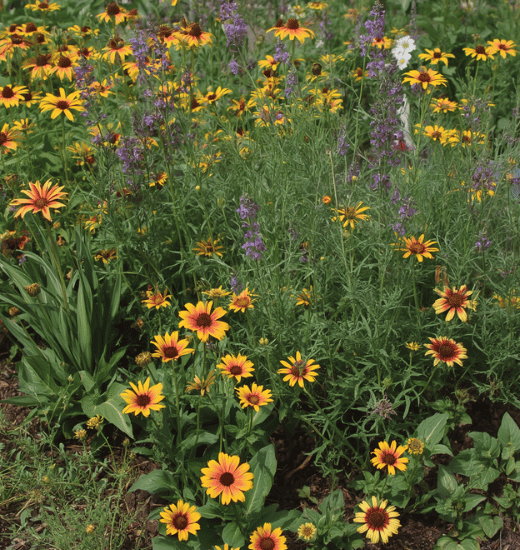
A hot, sunny yard can be difficult to keep attractive during dry weather. Flowers may wilt by afternoon, soil can become hard and cracked, and frequent watering can turn garden care into a daily chore.
The solution is not simply to buy plants labeled “drought tolerant.” A successful low-water garden depends on the entire design: plant selection, soil drainage, spacing, mulch, watering habits, and the amount of exposed soil.
A thoughtful low water flower bed design for a hot sunny yard can still include vivid color, long-lasting blooms, fragrance, and habitat for pollinators. The goal is to create a garden that uses water efficiently after the plants are established.
Start by Studying the Yard
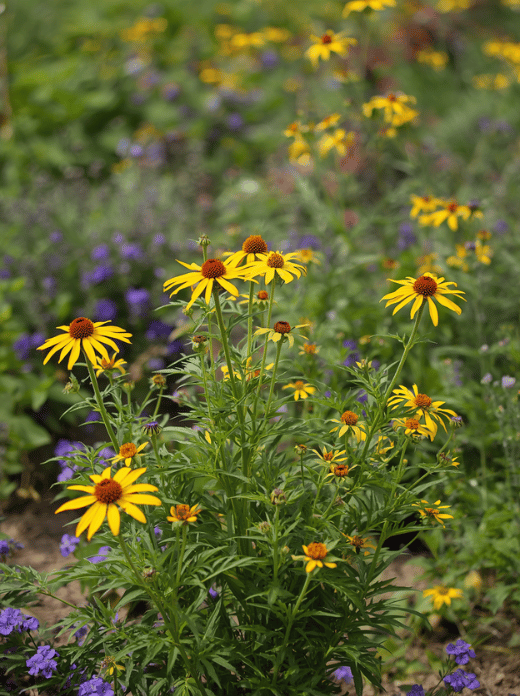
So, before you buy plants, observe the space for several days.
Record:
- How many hours of direct sunlight it receives
- Where water collects after rain
- Which areas become especially hot
- Whether nearby walls reflect heat
- How quickly the soil dries
- Where a hose or irrigation line can reach
A bed beside a south-facing wall may be hotter and drier than an open lawn, even if both receive similar sunlight. Reflected heat can damage flowers that would otherwise tolerate full sun.
Improve the Soil Before Planting
Good soil helps roots use available water more effectively. Extremely sandy soil may drain too quickly, while compacted clay can prevent water from reaching the root zone.
Add organic matter gradually rather than creating a thin layer of compost over poor soil. Mix finished compost into the upper soil where practical, then cover the bed with mulch after planting.
Do not create a sharply different soil pocket around each plant. Roots should be encouraged to grow outward into the surrounding bed instead of remaining confined to a small amended hole.
Choose Plants for Your Conditions
Look for flowers that tolerate heat, sun, and periods of dry soil after they are established. Suitable choices vary by region, but many gardens can use plants such as:
- Lavender
- Yarrow
- Coreopsis
- Gaillardia
- Salvia
- Penstemon
- Russian sage
- Coneflower
- Catmint
- Portulaca
- Lantana in warm climates
- Verbena
- African daisy
- Blanket flower
Check mature size and regional hardiness before planting. A plant may tolerate drought in one climate but require more water in another, especially during its first year.
Use a Layered Planting Plan
A low-water bed looks more natural and performs better when plants are arranged in layers.
| Layer | Purpose | Examples |
|---|---|---|
| Tall | Adds height and movement | Salvia, penstemon, Russian sage |
| Middle | Provides the main flower display | Coneflower, yarrow, gaillardia |
| Low | Covers soil and softens edges | Catmint, thyme, portulaca |
| Structural | Adds shape between blooms | Ornamental grasses, shrubs, silver foliage |
Place tall plants toward the back of a border or near a wall. Use medium plants in the center and low plants along paths or edges.
Avoid planting every flower in a straight row. Groups of three, five, or more usually create a stronger visual effect and reduce the scattered look that can occur in a mixed bed.
Group Plants by Water Needs
This is one of the most useful principles for conserving water. Place plants with similar needs together.
For example, lavender, thyme, and some ornamental grasses may prefer drier conditions, while certain flowering perennials need more consistent moisture. If they are mixed randomly, you may overwater the drought-tolerant plants or underwater the thirstier ones.
Create separate zones:
- Dry zone for Mediterranean-style plants
- Moderate zone for flowering perennials
- Slightly moister zone near downspouts or low areas
This makes irrigation more precise and reduces waste.
Use Repetition for a Calmer Design
Repeating a few reliable plants creates visual rhythm and simplifies maintenance. Instead of planting twelve unrelated flowers, choose four or five main plants and repeat them throughout the bed.
One possible combination might include:
- Purple salvia for vertical spikes
- Yellow coreopsis for bright color
- White yarrow for flat flower heads
- Silver foliage for contrast
- Low catmint along the edge
This palette provides different shapes and colors without making the bed appear chaotic.
Add Mulch Correctly
Mulch slows evaporation, moderates soil temperature, and helps reduce weed competition. Organic mulch such as shredded bark or compost can gradually improve soil as it decomposes.
Apply a moderate layer over the soil, leaving space around plant crowns and stems. Mulch pressed tightly against stems can trap moisture and encourage rot.
In areas with very dry conditions, gravel mulch may also be useful around plants that prefer sharply drained soil. Choose a material that suits the plants and the appearance of your yard.
Water Deeply During Establishment
Even drought-tolerant plants need regular watering while their roots are developing. New plants should not be expected to survive on occasional rainfall immediately after planting.
Water slowly so moisture moves below the surface. Frequent shallow watering encourages shallow roots, which dry out quickly during heat.
As plants mature, gradually extend the time between waterings when conditions allow. Check the soil beneath the surface rather than judging only by wilting leaves. Some plants naturally droop during hot afternoons and recover by evening.
Consider Drip Irrigation
Drip irrigation or soaker hoses deliver water close to the root zone and reduce wetting of foliage. This can be more efficient than spraying the entire bed.
Install irrigation before adding thick mulch. Run the system long enough to moisten the root zone, then check the soil to confirm that water is reaching the intended depth.
Avoid creating a complicated system if the garden is small. A simple hose timer and one or two well-placed lines may be enough.
Include Flowers With Different Bloom Times
A low-water bed should not depend on one short flowering period. Choose plants that bloom in succession.
For example:
- Early season: Penstemon, salvia, and catmint
- Midseason: Coreopsis, coneflower, and yarrow
- Late season: Gaillardia, sedum, and ornamental grasses
Leaving seed heads standing after flowering can add winter structure and provide food for birds. Cut them back when necessary for safety or to prepare for new growth.
Protect the Bed From Weed Competition
Weeds compete with flowers for water, especially during the first season. Remove weeds while they are small and maintain a consistent mulch layer.
Avoid disturbing the soil unnecessarily. Frequent digging can bring new weed seeds to the surface and break up the soil structure.
Planting densely enough to cover bare ground can also reduce weed growth. However, leave enough space for airflow and mature plant size.
Design for Pollinators Without Increasing Water Use
Many drought-tolerant flowers provide nectar for bees, butterflies, and other pollinators. Choose open blooms that allow insects to reach the flower centers.
Avoid treating every insect as a pest. Inspect plants first and use the least disruptive control method when action is necessary.
Provide shallow water carefully if you add a pollinator dish. Keep it clean and include stones or rough surfaces so insects have safe landing places.
Common Mistakes to Avoid
Planting too closely
Crowded plants compete for water and airflow. Follow mature width recommendations even if the bed looks sparse at first.
Overwatering drought-tolerant plants
Many dry-climate flowers decline when their roots stay wet. Check drainage before increasing irrigation.
Choosing plants only by flower color
A beautiful color palette will not compensate for plants that cannot tolerate your soil and climate.
Using too much fertilizer
Excessive fertilizer may produce soft, leafy growth that needs more water. Use compost and feed according to the plant’s requirements.
Ignoring the first year
Drought tolerance usually improves after roots become established. Newly planted flowers still need careful attention during hot weather.
A Simple Bed Blueprint
For a bed approximately six feet long and four feet deep, you might use:
- Three tall salvia plants toward the back
- Five coneflowers in the middle
- Five coreopsis plants between them
- Three lavender plants near one side
- Low catmint or thyme along the front edge
- One ornamental grass for texture
Adjust the numbers according to mature plant size and local growing conditions. The design can be repeated in a larger bed or adapted to containers.
The best low water flower bed design for a hot sunny yard is not a collection of plants that are merely advertised as drought tolerant. It is a complete system that matches plants to the soil, groups them by water needs, protects the root zone, and uses efficient watering.
Start with a small section, observe how it performs through one hot season, and expand only after you understand the space. A well-planned dry garden can remain colorful, useful, and inviting without constant watering.
Last modified: October 11, 2026
