

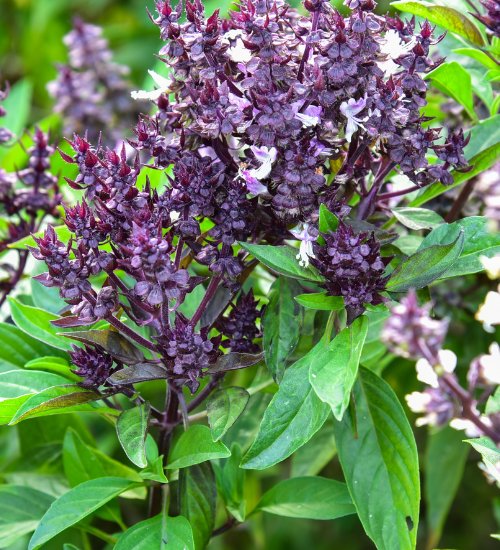
You do not need a large backyard to grow flowers for bouquets. A sunny strip beside a fence, a raised bed, or several large containers can produce enough stems for kitchen-table arrangements throughout the growing season.
A productive small-space cut flower garden is different from a traditional ornamental border. The flowers are planted for access, repeat harvesting, and stem quality rather than simply viewed from a distance. The design can still be beautiful, but practicality comes first.
Choose the sunniest workable location
Most cut flowers need several hours of direct sunlight to grow strong stems and produce abundant blooms. Observe your space before planting. A location that looks sunny in the morning may be shaded by a house or tree later in the day.
A narrow bed beside a fence can work well if the fence does not block too much light. Containers are useful when the ground is poor, compacted, or unavailable.
Make sure there is a convenient water source nearby. Carrying watering cans across the yard becomes frustrating during hot weather, especially when the garden is planted densely.
Start with a realistic size
A small cut-flower plot might be:
- A 2-by-8-foot raised bed
- A 3-by-6-foot garden bed
- A 4-by-8-foot intensive planting area
- Four to six large containers
- A narrow strip along a sunny walkway
Do not try to grow every flower you like. Choose a short list that covers different roles: focal flowers, supporting flowers, fillers, and foliage.
For example, one productive combination could include zinnias for focal blooms, cosmos for airy movement, basil for foliage, and marigolds for warm color.
Use the four-part bouquet formula
A useful cutting garden contains plants that perform different jobs.
Focal flowers
These are the blooms that attract attention. Examples include zinnias, dahlias, sunflowers, celosia, and large cosmos.
Supporting flowers
These fill out the bouquet without overwhelming the focal flowers. Snapdragons, calendula, rudbeckia, and small zinnias work well.
Fillers
Fillers create space and movement. Try ammi, statice, feverfew, sweet alyssum, or airy grasses where suitable.
Foliage
Foliage gives the bouquet structure. Basil, mint, eucalyptus where hardy, dusty miller, coleus, and scented geraniums can all contribute useful leaves.
Not every small garden needs all four categories in equal amounts. One or two plants from each group can be enough.
Productive flowers for limited space
Zinnias
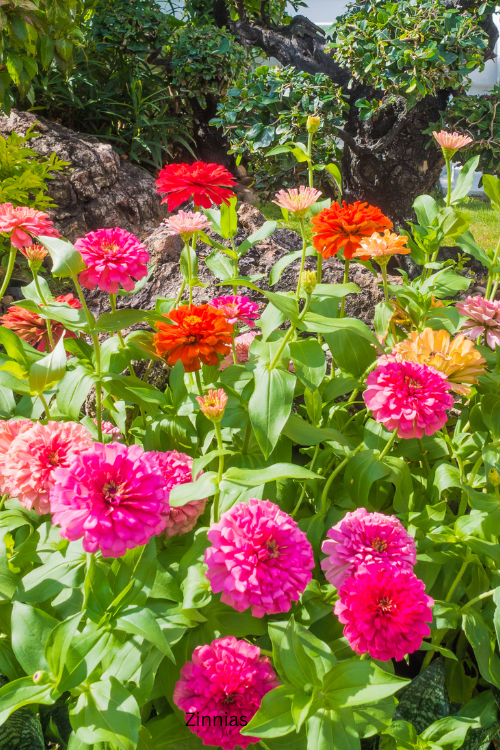
Zinnias are among the most useful flowers for beginners. They offer many colors, produce long stems when harvested regularly, and can flower repeatedly through warm weather.
Choose varieties known for cutting rather than very short bedding types. Harvest when the petals are beginning to open but the stem feels firm.
Plant several successions rather than sowing all the seeds on one day. This helps extend the harvest.
Cosmos
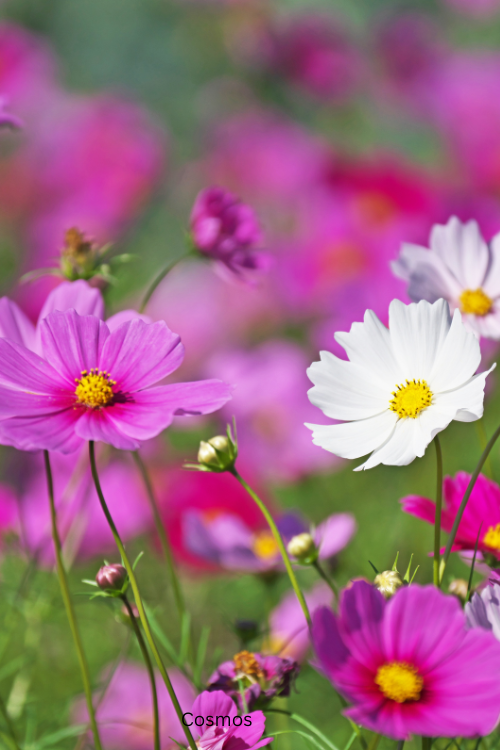
Cosmos produce delicate flowers on slender stems and bring movement to bouquets. They are especially helpful when an arrangement feels too heavy or formal.
Give them support if they become tall or exposed to wind. Regular harvesting encourages more stems.
Celosia
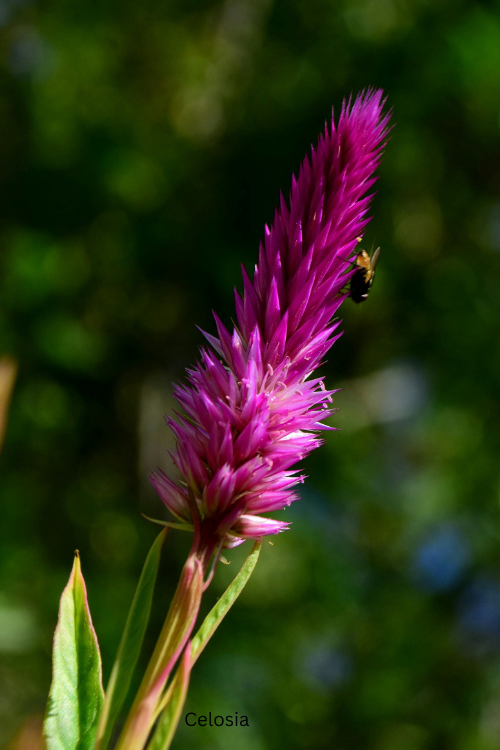
Celosia adds unusual texture and strong color. Plume types are airy, while crested forms are more sculptural.
Harvest before the flowers become overly mature. Celosia can also be useful for dried arrangements, making it a practical choice when fresh stems exceed your immediate needs.
Snapdragons
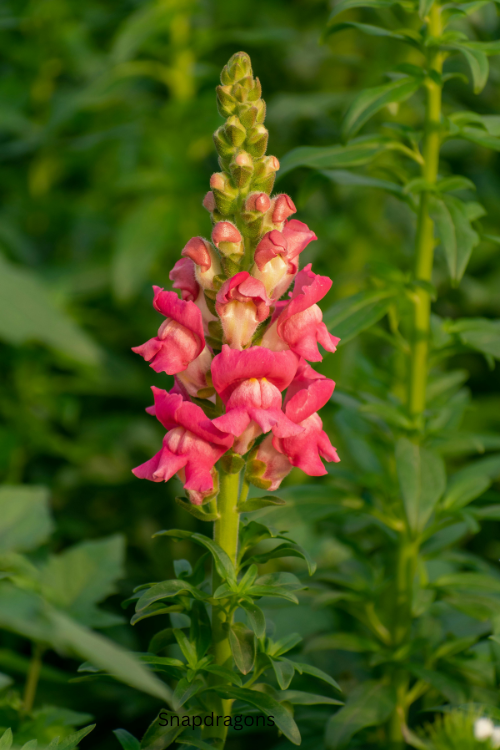
Snapdragons provide vertical shape and come in many colors. In a small bed, plant them toward the back or along one side so their stems remain accessible.
They perform best in cool or moderate conditions and may slow during extreme heat. Cut stems cleanly and remove lower leaves before placing them in water.
Marigolds
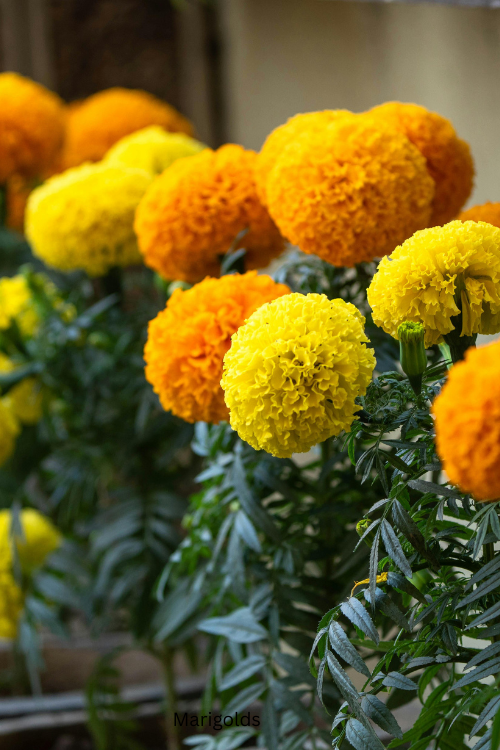
Marigolds are compact, colorful, and useful for filling gaps. Some varieties produce better cutting stems than others, so choose taller types if bouquets are the main goal.
Their warm yellow and orange flowers pair well with purple, pink, cream, and burgundy blooms.
Sunflowers
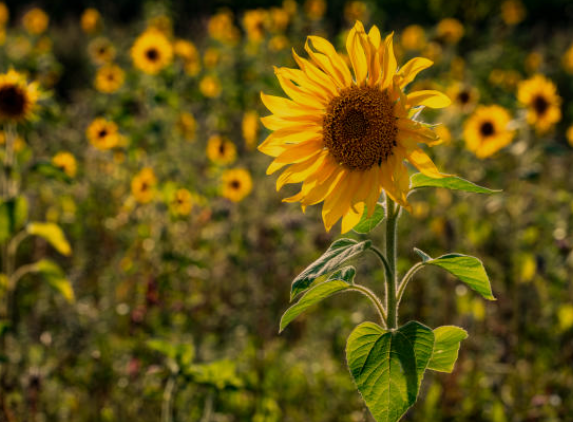
Sunflowers can occupy significant vertical space, but compact branching varieties are suitable for small gardens. A single plant may produce multiple stems, depending on the variety.
Place them where they will not shade shorter flowers. A row along the northern edge of a bed can help reduce unwanted shadow.
Basil
How to Plan a Small-Space Cut Flower Garden
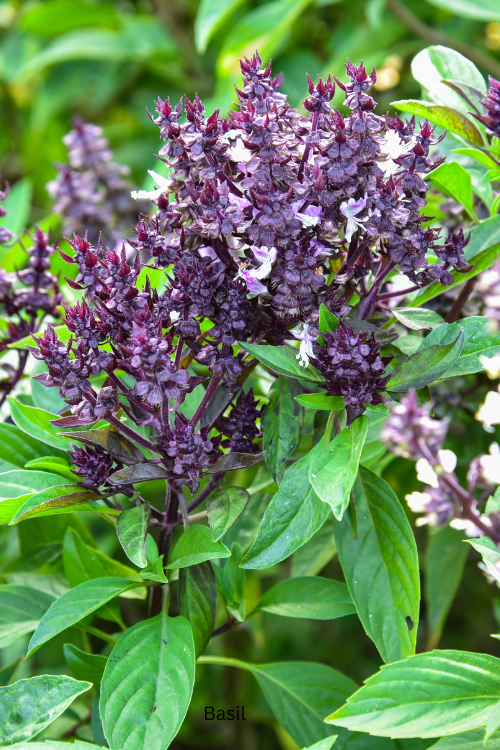
Basil is a practical foliage plant for bouquets. Its fresh scent and glossy leaves complement colorful flowers, and the plant can be harvested regularly.
Pinch the growing tips to encourage branching. Prevent it from flowering if you want leafy stems for arrangements, although basil flowers can also serve as delicate fillers.
Design the bed for access
A cutting garden should be easy to reach from both sides when possible. If the bed is against a wall or fence, keep it narrow enough that you can harvest without stepping into the soil.
Arrange plants in blocks rather than scattered dots. A small group of the same flower is easier to harvest and usually creates a stronger visual effect.
One simple layout might look like this:
| Garden section | Suggested plants | Purpose |
|---|---|---|
| Back row | Compact sunflowers, snapdragons | Height and focal stems |
| Middle row | Zinnias, celosia, marigolds | Main bouquet color |
| Front row | Basil, sweet alyssum, calendula | Fillers and foliage |
| Edge or containers | Cosmos, trailing flowers | Movement and overflow |
Adjust the plan according to your climate, available light, and seed availability.
Use succession planting
Succession planting means sowing or planting the same crop at different times. In a small-space cut flower garden, this is more useful than planting a large amount all at once.
For example, sow zinnias every few weeks during the recommended planting window. When the first group slows down, a younger group can take over.
You can also follow early-season flowers with warm-season annuals. Once spring bulbs finish, replace them with summer flowers if the space is available.
Do not plant a second round blindly. Consider the number of days remaining in the growing season and the expected maturity time listed for the variety.
Containers can become cutting beds
Large containers are excellent for renters, patios, and gardeners with poor soil. Use one container for each group of plants rather than combining everything in a single pot.
Examples include:
- A large pot of branching zinnias
- A container of basil and trailing flowers
- A deep planter of snapdragons
- Several pots of cosmos placed together
- A tall container for compact sunflowers
Use high-quality potting mix, ensure drainage, and water consistently. Containers dry faster than garden beds, especially when exposed to wind.
Prepare the soil
Cut flowers remove stems, leaves, and blooms, so the soil must support continued growth. Before planting, add compost according to the needs of your soil.
Avoid excessive fertilizer. Too much nitrogen can produce lush foliage with weak or fewer flowers. Follow the recommendations for the specific crop and use a balanced approach.
Mulch can reduce weeds and help maintain moisture, but keep it away from young stems to reduce the risk of rot and pest problems.
Harvest at the right time
Harvest flowers during the coolest part of the day, preferably in the morning. Bring a clean bucket of water with you so stems can be placed in water immediately.
Different flowers are ready at different stages:
- Zinnias: when the stem is firm and the petals are opening
- Sunflowers: when the petals are beginning to extend
- Cosmos: when flowers are open but stems are still strong
- Snapdragons: when the lower flowers are open
- Celosia: when the color is rich and the stem is firm
Use a sharp, clean tool. Cut above a branching point when possible to encourage additional stems.
Remove leaves that would sit below the waterline. This reduces decay and keeps the vase cleaner.
Condition the flowers
After harvesting, place stems in clean water and let them rest in a cool area away from direct sunlight. Recut the stems before arranging and change the water regularly.
Some flowers benefit from a longer conditioning period, while others are ready to arrange quickly. The most important habits are clean tools, clean containers, fresh water, and removing submerged foliage.
Do not overcrowd the vase. Flowers last longer when water can circulate around the stems.
Make the garden attractive between harvests
A cutting garden does not need to look like a production plot. Use repeated colors or organize plants in simple blocks. Add a narrow path, edging, or a small trellis to create structure.
Choose a few flowers that remain attractive after cutting. Seed heads, ornamental grasses, and foliage can keep the space visually interesting even when the main flowers are harvested.
You can also grow a small amount of pollinator-friendly flowers near the edge, leaving enough blooms for insects while harvesting from the central rows.
Common planning mistakes
The most common mistake is planting too many varieties. A small garden becomes difficult to water, weed, and harvest when every few inches contains a different plant.
Another problem is ignoring height. Tall flowers placed in front can shade shorter varieties and make harvesting awkward.
Finally, do not wait until every flower is perfect before cutting. Regular harvesting usually encourages many annuals to produce more stems.
Final thoughts
A small-space cut flower garden can be productive, beautiful, and surprisingly flexible. Focus on reliable varieties, plant in accessible blocks, use succession sowing, and harvest regularly. Even a few containers can provide enough flowers for casual bouquets, gifts, and everyday enjoyment.
The best garden is not the one with the most varieties. It is the one you can care for easily and enjoy often.
Last modified: October 7, 2026
