

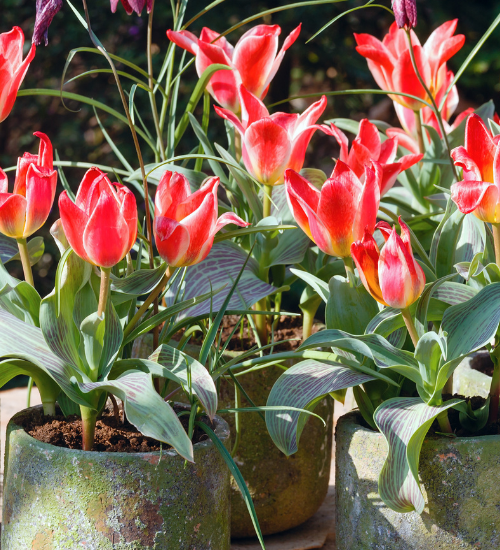
Fall is the perfect time to plant spring-flowering bulbs in containers. While the garden is slowing down, bulbs such as tulips, daffodils, crocuses, and hyacinths are quietly developing roots beneath the soil. With the right pot, well-draining soil, and a little winter protection, you can create a container that bursts into color when spring arrives.
Growing bulbs in pots is especially useful for gardeners with small yards, balconies, patios, or poor garden soil. Containers also make it easier to experiment with different flower combinations and move displays where they are most attractive.
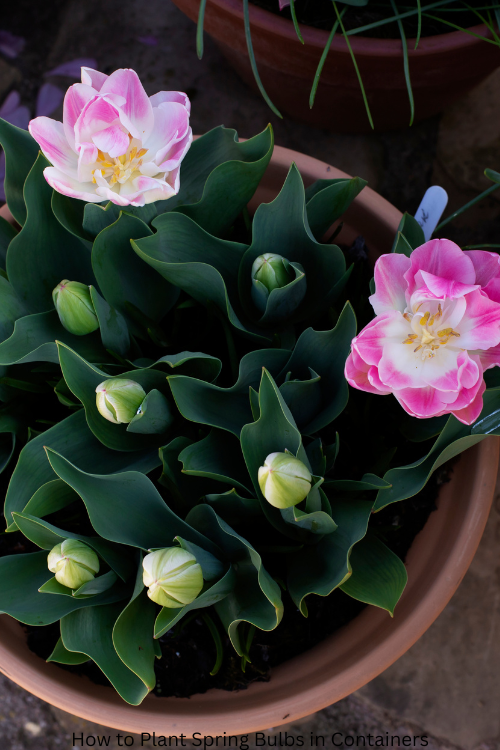
How to Plant Spring Bulbs in Containers
Choose the Right Spring Bulbs
Good bulbs should feel firm and heavy for their size. Avoid bulbs that are soft, shriveled, leaking, or covered with mold. Larger bulbs generally produce stronger flowers, although size varies naturally by plant type.
Reliable choices for fall container planting include:
- Daffodils: Dependable, long-lived, and less attractive to many garden pests
- Tulips: Available in countless colors and flower forms
- Crocuses: Small early bloomers that often appear before most spring flowers
- Hyacinths: Fragrant flowers that work well near entrances and seating areas
- Grape hyacinths: Compact plants that multiply over time
- Alliums: Tall ornamental relatives of onions with rounded flower heads
Spring-flowering bulbs are generally planted in fall because they need a period of cool temperatures before they can bloom properly. Plant Bulbs in the Fall for a Spring Celebration
Select a Container With Good Drainage
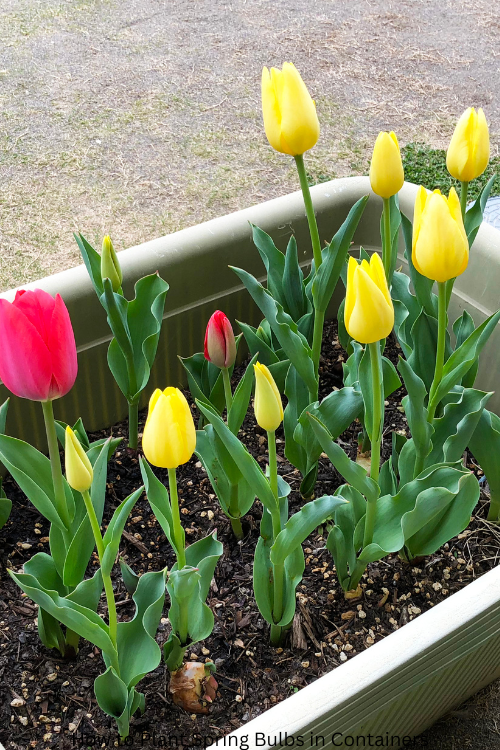
The container should have at least one drainage hole in the bottom. Excess water is one of the main reasons bulbs rot, particularly during cold, wet weather.
Choose a pot that is:
- At least 10 to 12 inches deep
- Wide enough to hold several bulbs without crowding
- Heavy enough to resist winter wind
- Made from plastic, glazed ceramic, wood, or another weather-resistant material
Large containers are usually safer than small pots because they hold more soil around the bulbs. That extra soil helps reduce sudden temperature changes.
Avoid placing a pot directly on a surface where drainage holes can become blocked. Use pot feet, bricks, or small risers to keep air moving underneath the container.
Use a Well-Draining Potting Mix
Do not fill the container with ordinary garden soil. It can become dense and waterlogged in a pot. Instead, use a quality potting mix designed for containers.
A suitable mix should drain freely while still holding enough moisture for root development. You can improve a standard potting mix by blending in perlite, pine bark, or another coarse material.
Fill the container until the surface is several inches below the rim. This space makes watering easier and prevents soil from washing over the sides.
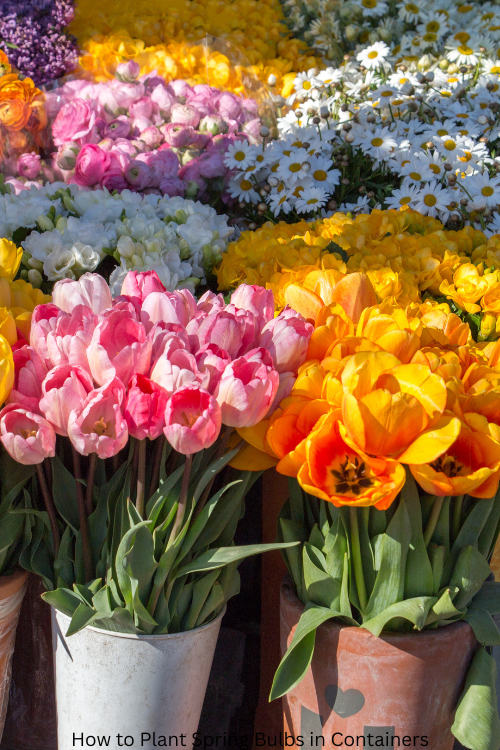
Plant Bulbs at the Correct Depth
A general rule is to plant most bulbs at a depth about two to three times their height. However, the planting instructions on the bulb package should take priority because planting depth varies by species and bulb size.
Place bulbs with the pointed end facing upward and the flatter root plate facing downward. If you are uncertain, plant the bulb on its side. The shoot will usually find its way upward.
For a layered container, use the “bulb lasagna” method:
- Add a layer of potting mix to the bottom.
- Place the largest, latest-blooming bulbs in that layer.
- Cover them with more potting mix.
- Add smaller bulbs above them.
- Finish with enough soil to cover the top bulbs properly.
Bulbs should be close enough to create a full display but should not touch each other or the sides of the pot. A small gap between bulbs allows air movement and gives developing roots room to grow.
Create Attractive Bulb Combinations
A successful container usually combines bulbs with different heights and bloom times.
For example:
- Daffodils in the bottom layer
- Tulips in the middle layer
- Crocuses or grape hyacinths near the top
- Low-growing pansies added later for extra color
You can also build a single-color container using several bulb varieties in shades of white, yellow, pink, or purple. For a more natural appearance, combine bulbs with slightly different bloom times.
When pairing bulbs, choose plants with similar light and moisture requirements. Most spring bulbs perform best in bright light and well-draining soil.
Water After Planting
Water the container thoroughly after planting. This settles the potting mix around the bulbs and encourages root growth.
After that, water only when the upper layer of soil begins to dry. The container should not remain constantly saturated. During rainy periods, move the pot beneath a covered area if water is collecting faster than it can drain.
Do not fertilize heavily at planting time. Healthy bulbs already contain much of the energy needed for their first season. A light application of a balanced bulb fertilizer may be appropriate if the product label recommends it, but excessive fertilizer can damage roots.
Protect Containers During Winter
Bulbs planted in the ground receive insulation from the surrounding soil. Containers are more exposed to cold because the entire root ball can freeze.
In mild climates, a sheltered location may provide enough protection. In colder regions, consider one of these options:
- Move the container beside a protected wall
- Place it in an unheated garage after the soil freezes
- Group several pots together and surround them with leaves or straw
- Bury the pot temporarily in the ground
- Cover the container with insulating material while keeping drainage clear
The goal is not to keep the bulbs warm. They need cold temperatures to develop properly. The goal is to prevent repeated freeze-and-thaw cycles that can damage roots and force bulbs out of the soil.
Avoid storing pots in a heated room. Warm temperatures may cause bulbs to sprout too early, leaving the shoots weak and pale.
Check the Container in Late Winter
Begin checking the pot as winter starts to fade. Once shoots appear, move the container into brighter light if necessary. Protect emerging growth from severe freezes, especially if the pot has been kept in a sheltered location.
Water lightly when the surface begins to dry. Avoid disturbing the bulbs or turning the soil over. The roots and shoots are already developing below the surface.
If you planted a combination with different bloom times, the container may change appearance over several weeks. Early crocuses can be followed by daffodils, tulips, or hyacinths.
Care for Bulbs After Flowering
When flowers fade, remove the spent blooms so the plant does not waste energy producing seeds. Do not immediately cut away the leaves. The foliage continues to collect sunlight and replenish the bulb for the following year.
Allow leaves to turn yellow naturally before removing them. Keep watering while the foliage remains green, but reduce watering after it dies back.
Some bulbs can remain in the container for another season. Others, especially tulips, may perform less reliably the following year because many modern varieties are grown for a strong first display. Daffodils, crocuses, and grape hyacinths often return more consistently.
You can also transplant the bulbs into the garden after the foliage has died back.
Common Mistakes to Avoid
Using a container without drainage
Even the best bulbs will struggle in constantly wet soil. Always confirm that water can escape from the bottom.
Planting too shallowly
Shallow planting exposes bulbs to temperature swings and can lead to weak growth or bulbs being pushed out of the soil.
Overcrowding the pot
Bulbs can be planted closer in containers than in garden beds, but they should not touch. Overcrowding increases competition and reduces airflow.
Keeping the pot indoors
Most spring bulbs require a period of cold weather. A warm living room is not a suitable winter location unless you are intentionally forcing bulbs under controlled conditions.
Cutting foliage too early
Removing green leaves prevents the bulb from storing energy for future growth.
Final Thoughts
Planting spring bulbs in containers during fall is a simple way to prepare for a colorful spring. Choose firm bulbs, use a deep pot with excellent drainage, plant each bulb at the proper depth, and protect the container from extreme freeze-and-thaw cycles.
With a little planning, even a small patio or balcony can become one of the first places to welcome spring.
Last modified: October 5, 2026
