
A beautiful backyard does not have to cost thousands of dollars. With a little planning, affordable materials, and a few weekend projects, you can create an outdoor space that feels comfortable, useful, and attractive without overspending.
The best way to landscape a backyard on a small budget is to work in sections instead of trying to complete everything at once. Start with the areas that need the most attention, such as an empty patio, a tired lawn, a messy garden bed, or a dull fence line. Small improvements can make a big difference when they are planned carefully.
Whether you have a tiny backyard or a larger outdoor space, these budget-friendly ideas can help you create a yard you will enjoy using.
1. Start With a Simple Backyard Plan
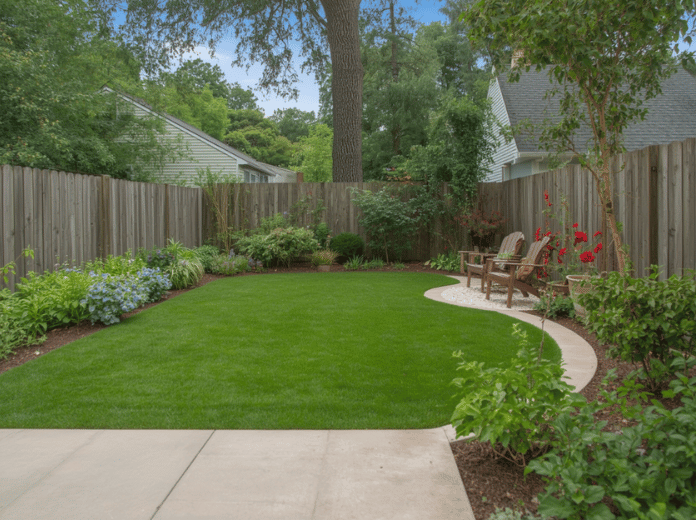
Before buying plants or materials, take a walk around your backyard and make a basic plan. Notice where the sun shines, where water collects, and which areas are used most often.
Think about how you want to use the space. Do you need a place for outdoor meals, children’s play, gardening, entertaining, or quiet mornings with coffee? Your answer will help you spend money on useful improvements instead of decorations that do not serve a purpose.
Divide the backyard into sections such as:
- Seating area
- Garden space
- Pathway
- Lawn or play area
- Privacy area
- Storage area
Measure each section if possible. Even rough measurements can help you avoid buying too much gravel, mulch, soil, or edging.
2. Improve One Area at a Time
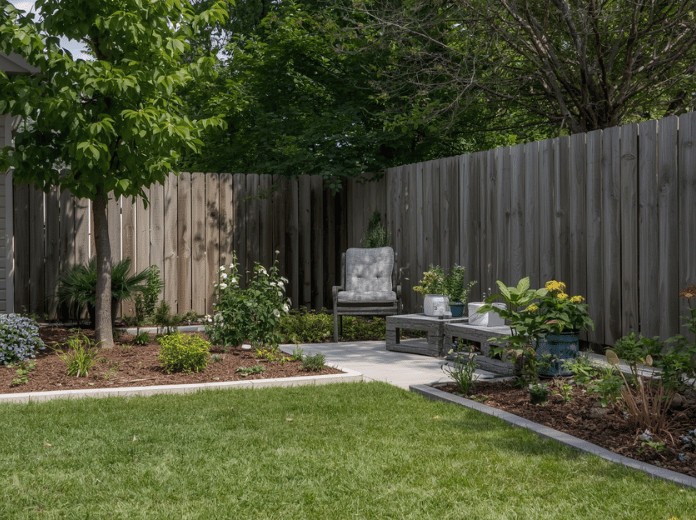
Trying to landscape the entire backyard in one weekend can become expensive and overwhelming. Instead, choose one small area and finish it before moving to the next.
For example, you could begin with a neglected corner beside the patio. Clear away weeds, add mulch, plant a few affordable flowers, and place a chair or small bench there. Once that area looks finished, move to the next section.
This approach makes it easier to control your budget. It also allows you to learn what works in your yard before investing in larger projects.
3. Use Mulch to Create an Instant Upgrade
Mulch is one of the easiest ways to make a backyard look neat and finished. It covers bare soil, helps reduce weeds, protects plant roots, and helps the soil hold moisture.
You can use wood mulch, shredded bark, pine straw, or leaves depending on what is available in your area. Some garden centers offer discounted mulch near the end of the season. Local tree services may also provide free wood chips, although you should ask what type of wood was used.
Use mulch around trees, shrubs, flower beds, and along fence lines. A fresh layer can make an old garden look much better without requiring expensive landscaping materials.
4. Replace Some Grass With Gravel
Large lawns can require regular mowing, watering, and fertilizing. If your backyard lawn is difficult to maintain, replace a small section with gravel or crushed stone.
Gravel works well for:
- Seating areas
- Fire pit spaces
- Garden paths
- Areas beneath outdoor furniture
- Narrow strips beside fences
To create a simple gravel area, remove weeds and grass, level the soil, add landscape fabric if needed, and spread the gravel evenly. Use inexpensive edging, bricks, or stones to keep the gravel in place.
You do not have to remove the entire lawn. Replacing even one small section can reduce maintenance and create a useful outdoor area.
5. Choose Affordable, Easy-Care Plants
Plants can become one of the largest landscaping expenses, especially when you buy mature plants. Save money by choosing smaller plants, growing from seeds, or looking for end-of-season sales.
Ask local garden centers which plants grow well in your area. Plants that are suited to your climate usually need less water and care once they become established.
Affordable choices may include:
- Daylilies
- Black-eyed Susans
- Coneflowers
- Hostas
- Lavender
- Ornamental grasses
- Marigolds
- Zinnias
- Sedum
- Herbs
Always check whether a plant is suitable for your growing region before buying it. A cheap plant that cannot survive in your yard is still wasted money.
6. Grow Plants From Seeds and Cuttings
Seeds are much less expensive than mature plants. Annual flowers such as marigolds, zinnias, sunflowers, and cosmos are easy options for beginners.
You can also grow some plants from cuttings. Ask friends or family members if they are willing to share cuttings from healthy plants. Many perennials, herbs, and shrubs can be propagated this way.
Another affordable option is to divide plants that have become crowded. Hostas, ornamental grasses, daylilies, and some perennial flowers can often be divided into several smaller plants.
Plant divisions may look small at first, but they will fill out over time.
7. Create a Budget-Friendly Seating Area
A backyard feels more useful when there is a comfortable place to sit. You do not need a full outdoor furniture set to create one.
Try using:
- A secondhand bench
- Two inexpensive chairs
- A small bistro table
- Wooden crates as side tables
- Pallets for a simple outdoor sofa
- Outdoor cushions in a bright color
Place the seating on gravel, pavers, a small concrete pad, or a level area covered with mulch. Add a container plant, solar light, or outdoor rug to make the space feel more welcoming.
Check local resale groups, yard sales, and thrift stores for outdoor furniture. A coat of exterior paint can make mismatched pieces look more coordinated.
8. Build Simple Garden Paths
A path can make a backyard feel organized and larger. It also protects grass and garden beds from foot traffic.
Affordable path materials include:
- Flat stones
- Gravel
- Recycled bricks
- Concrete stepping stones
- Wood rounds
- Broken pavers
Lay stepping stones through grass or mulch to create a casual walkway. For a more finished path, dig a shallow trench, level the ground, and add gravel or pavers.
The path does not need to be perfectly straight. A gentle curve can make the backyard feel more natural and inviting.
9. Add Vertical Interest
When money and space are limited, use the vertical areas of your backyard. A fence, wall, shed, or pergola can become part of the landscape.
Attach planters to a fence, grow vines on a simple trellis, or hang baskets from sturdy hooks. You can also use old ladders, wooden pallets, or shelves to display small pots.
Good plants for vertical gardening may include:
- Climbing roses
- Clematis
- Morning glories
- Cucumbers
- Beans
- Herbs
- Strawberries
- Trailing flowers
Vertical planting adds height and privacy without taking up much ground space.
10. Use Recycled and Repurposed Materials
Look around your home before buying new landscaping decorations. Many ordinary items can become useful backyard features.
Old containers can be painted and used as planters. Broken ceramic pots can become garden edging. Large stones can create a border. Unused boards can become a raised bed or simple bench.
Make sure any reused material is safe for outdoor use. Avoid containers that held chemicals, treated wood that may leach into vegetable beds, or materials with sharp edges.
Repurposing items gives the backyard character while helping you stay within your budget.
11. Create a Small Flower Bed
A small flower bed can add color without requiring a large investment. Choose a visible location near a patio, fence, walkway, or backyard entrance.
Use a simple planting design:
- Taller plants in the back
- Medium-height flowers in the middle
- Low-growing plants along the edge
Repeating the same two or three plant varieties often looks more polished than buying many different plants. Add mulch around the flowers to reduce weeds and keep the bed looking tidy.
A narrow flower bed along a fence can create a finished appearance without taking away much lawn space.
12. Add Low-Cost Outdoor Lighting
Outdoor lighting can make a backyard feel more attractive after sunset. Solar lights are easy to install because they do not require wiring or an electrician.
Use them along:
- Walkways
- Garden borders
- Patio edges
- Steps
- Flower beds
- Seating areas
String lights can also create a warm atmosphere. Hang them along a fence, across a small patio, or around a pergola. Choose outdoor-rated lights and secure them carefully.
You only need a few lights to make a noticeable difference.
13. Make a Simple Budget
A written budget helps prevent small purchases from becoming a large bill. Decide how much you can spend before starting and divide the money between materials and plants.
| Project | Low-Cost Materials | Approximate Budget |
|---|---|---|
| Mulch garden bed | Mulch, edging, plants | $40–$120 |
| Gravel seating area | Gravel, landscape fabric, edging | $100–$300 |
| Small flower bed | Soil, seeds, flowers, mulch | $30–$100 |
| Simple pathway | Gravel, stones, or pavers | $50–$250 |
| Seating corner | Used chairs, cushions, table | $50–$200 |
| Solar lighting | Path lights or string lights | $20–$100 |
Prices vary by location and project size. Reusing materials, buying smaller plants, and completing the work yourself can reduce the total cost.
Common Mistakes to Avoid
One of the biggest mistakes is buying plants before creating a plan. You may end up with plants that need different amounts of sunlight or water, which makes the garden harder to maintain.
Avoid choosing plants only because they look attractive at the store. Consider their mature size, growing conditions, and maintenance needs.
It is also important not to skip drainage. A low-cost landscape can still fail if water collects around plant roots or near the foundation of your home.
Finally, avoid starting too many projects at the same time. A small finished area will look better than several unfinished spaces.
Final Thoughts
You can landscape a backyard on a small budget by focusing on practical improvements, affordable plants, and projects that make the space more useful. Mulch, gravel, recycled materials, small flower beds, simple paths, and secondhand furniture can all create a noticeable transformation.
Start with one area, set a clear budget, and choose materials that fit your climate and lifestyle. Over time, your backyard can become a comfortable outdoor space without requiring a large investment.
The best budget landscaping ideas are not always the most expensive or complicated. A few thoughtful changes can make your backyard feel welcoming, organized, and enjoyable for years to come.